
W9095 London Road, Cambridge, WI 53523
For more information about senior living options: (866) 208-4318
Overall Review of London Lodge I
Pros
 It has a homey environment with people who truly care.
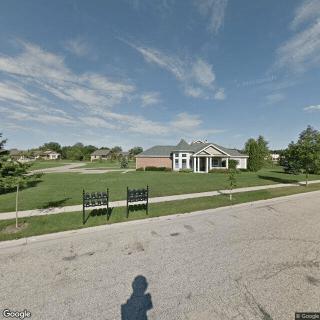
- It is located in the country in a beautiful setting.
Review
London Lodge I in Cambridge, Wisconsin, is best suited for seniors who prize a warm, home-like atmosphere over clinical polish and want daily life that feels like extended family care. The property sits in a quiet country setting that emphasizes privacy, a gentle pace, and ease of living rather than bustling urban activity. Residents who value personal connections will find staff relationships that feel genuine, with conversations that resemble the comfort of home rather than impersonal routine checks. For families seeking a place where independence is respected but a reassuring, hands-on approach is always nearby, London Lodge I delivers exactly that ambiance.
Those who may want to consider alternatives are individuals with higher-acuity needs or specialized memory care requirements, where exacting medical oversight and structured programming are non-negotiable. If proximity to hospitals or urgent care, robust rehabilitation services, and an active calendar of outings is essential, the rural setting can feel limiting. Similarly, families hoping for a broad array of on-site amenities, transportation options, or a large, self-contained community may prefer a larger operator with more extensive systems. In short, as a home-like haven, it excels; for intensive care or highly varied daytime programming, look elsewhere.
Key advantages begin with the homey atmosphere. Residents report a sense that the environment is a comforting extension of family life, not a sterile facility. The people, from caregivers to cooks, appear to genuinely care, translating into attentive, personable service during meals, routines, and personal care. The setting amplifies those strengths: a countryside location offers quiet, safety, and natural vistas that lower stress, encourage pleasant conversations, and support a predictable daily rhythm. In practice, these pros mean less organizational friction for residents who value consistency and warmth, and they can maintain autonomy within a reassuring, neighborly network.
Without a large footprint, there are potential drawbacks that must be weighed. The small scale can translate into fewer on-site medical resources, limited specialized programming, and slower access to certain therapies. Transportation options, if needed, may be less frequent than in more urban communities, making outings or medical appointments feel less convenient. The absence of a wide activity calendar could leave more active seniors seeking additional enrichment elsewhere, and families may worry about how care escalates if health declines or emergencies arise. These factors do not negate the positives, but they are the natural counterbalance to the resort-like calm and personal touch.
Yet the strengths significantly offset these potential gaps. The same intimate staff-to-resident ratio that supports a homey vibe also fosters rapid responsiveness and individualized attention during daily routines. The genuine care translates into consistent safety, easier communication with family, and a sense of belonging that can reduce anxiety about aging in place. The country setting enhances mood and cognitive comfort through predictable, low-stress days, making it easier to maintain routines and enjoy meals and social time without the bustle that can overwhelm some seniors. The result is a practical trade-off: high warmth and reliability with a modest service footprint.
For families weighing options, London Lodge I represents a practical choice when the priority is warmth, personal connection, and a gentle pace. It is less suited for residents requiring extensive medical management, frequent rehabilitation services, or highly varied daytime programming. If those needs exist, alternatives with more comprehensive clinical support and larger-scale amenities should be considered. Prospective guests should directly assess staffing levels, communication protocols, and the ability to accommodate health changes over time. A tour during ordinary routines, meals, wake times, and small-group activities, will illuminate whether the home-like environment aligns with long-term care goals and family expectations.
 8 resident community capacity
 Assisted Living
 Board and Care Home
 Memory Care
 Cable or satellite TV
 Dining room
 Fully furnished
 Garden
 Housekeeping services
 Move-in coordination
 Outdoor space
 Telephone
 Wi-Fi/high-speed internet available
 Dane County Regional (19 miles away)
 24-hour supervision
 Activities of daily living assistance
 Assistance with bathing
 Assistance with dressing
 Assistance with transfers
 Diabetes diet
 Hospice waiver
 Meal preparation and service
 Medication management
 Mental wellness program
 Special dietary restrictions
 Transportation arrangement (medical)
 Transportation to doctors appointments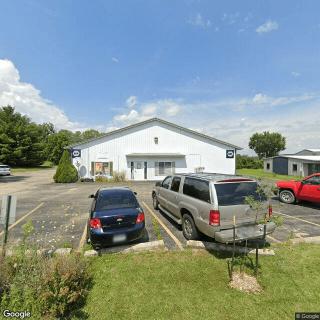


 5 Early Indicators of Dementia and What You Can Do
 8 Important Indicators That Memory Care May Be Necessary
 Delving into the Inner World of Dementia: Insights into Thoughts and Awareness