
2800 North Calhoun Road, Brookfield, WI 53005
For more information about senior living options: (866) 208-4318
Overall Review of Applewood Of Brookfield
Pros
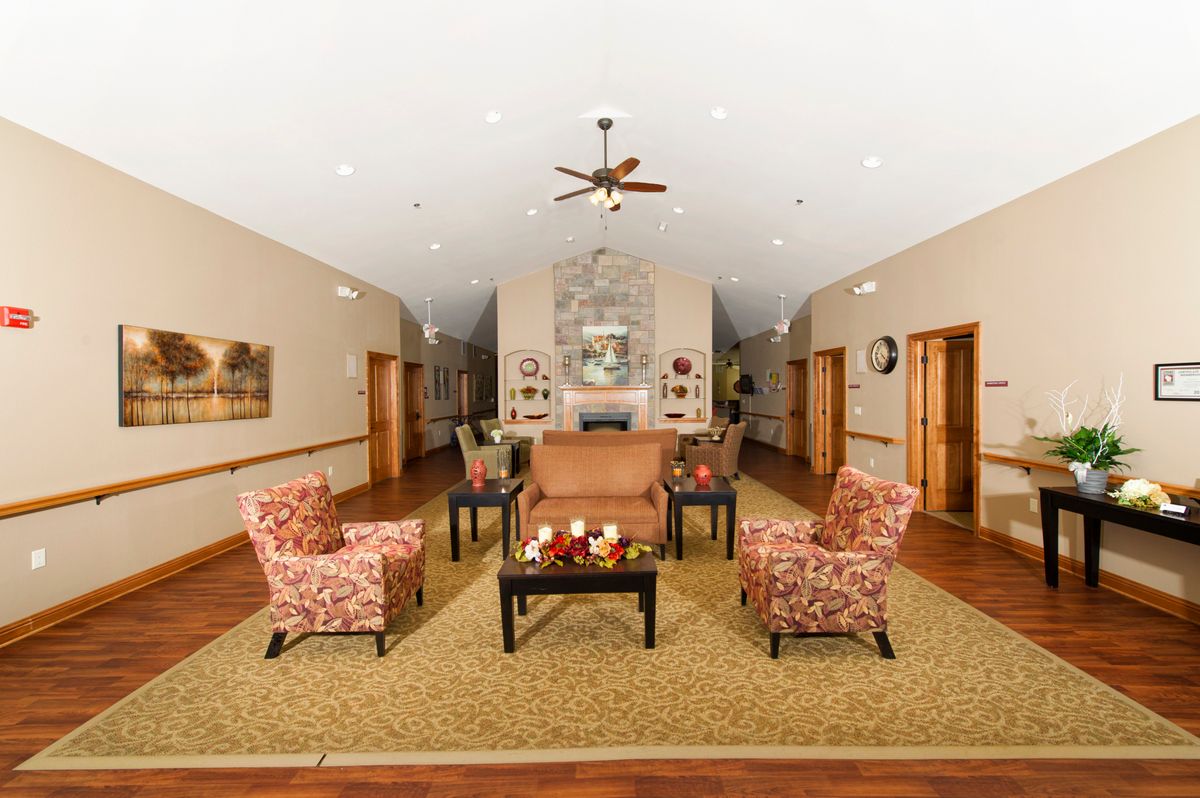
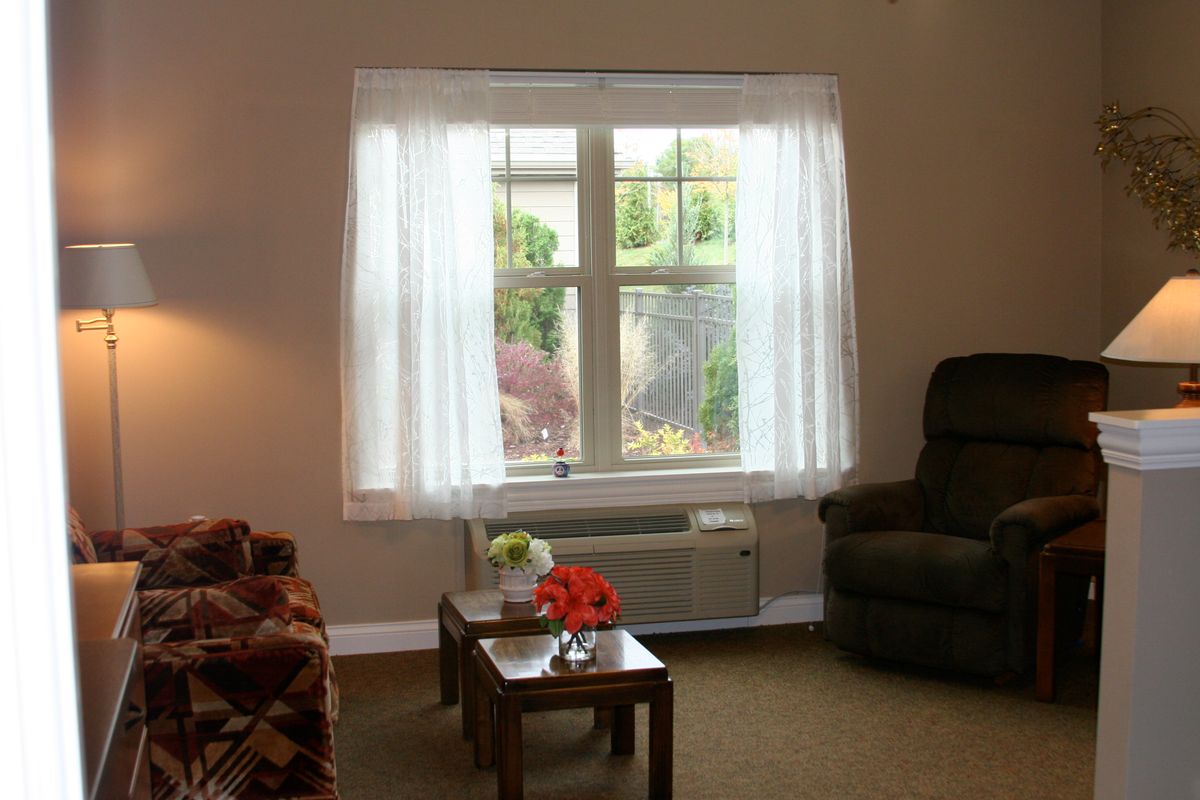
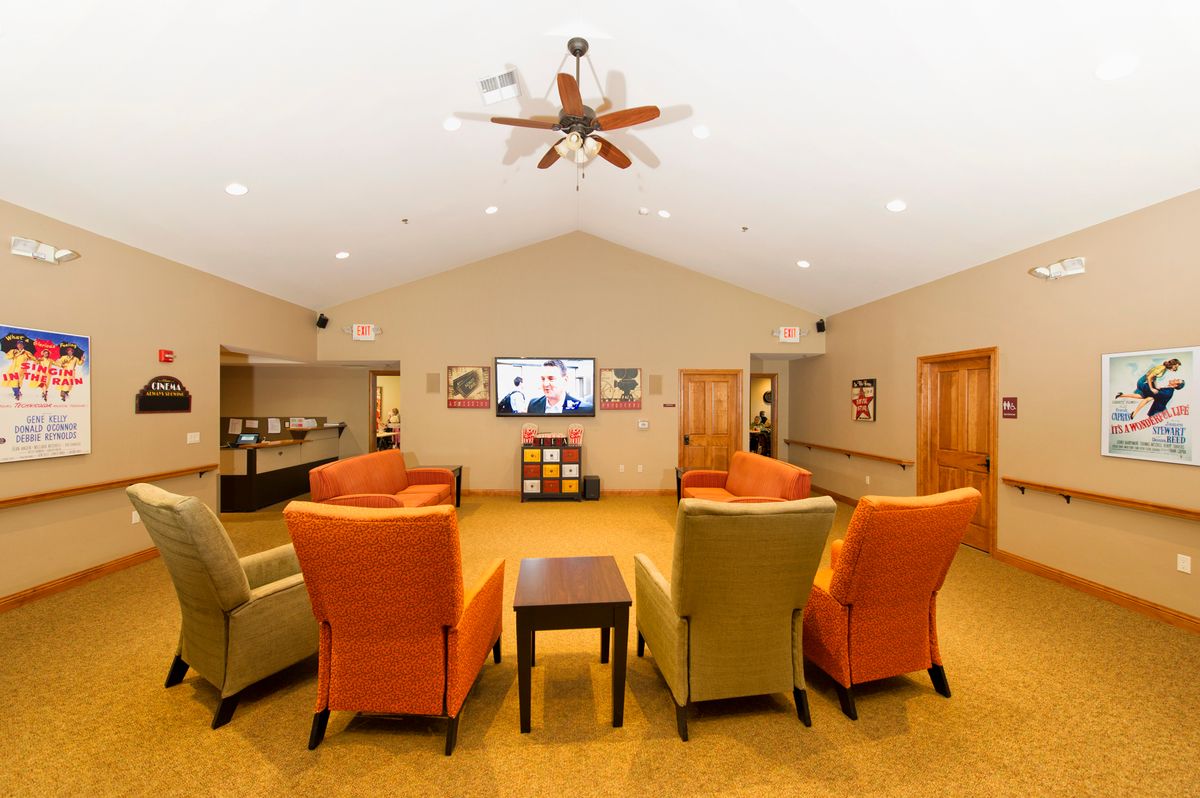
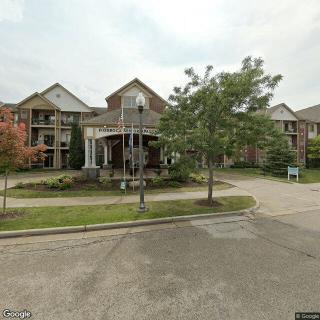
 The building is newer and very nice.
- The owners Debbie and Greg are hands-on.
- They and the staff make the place feel like home for residents.
- There are still wonderful caregivers at the facility.
- The experience so far has been great.
Cons
 They claim Ronald shouldn’t have been able to escape more than once, raising questions about who is in charge.
- They say the facility looks like a bad one and they would not send their loved ones there.
- They report ongoing staff turnover and being unable to see their mom, doubting the quality of her care.
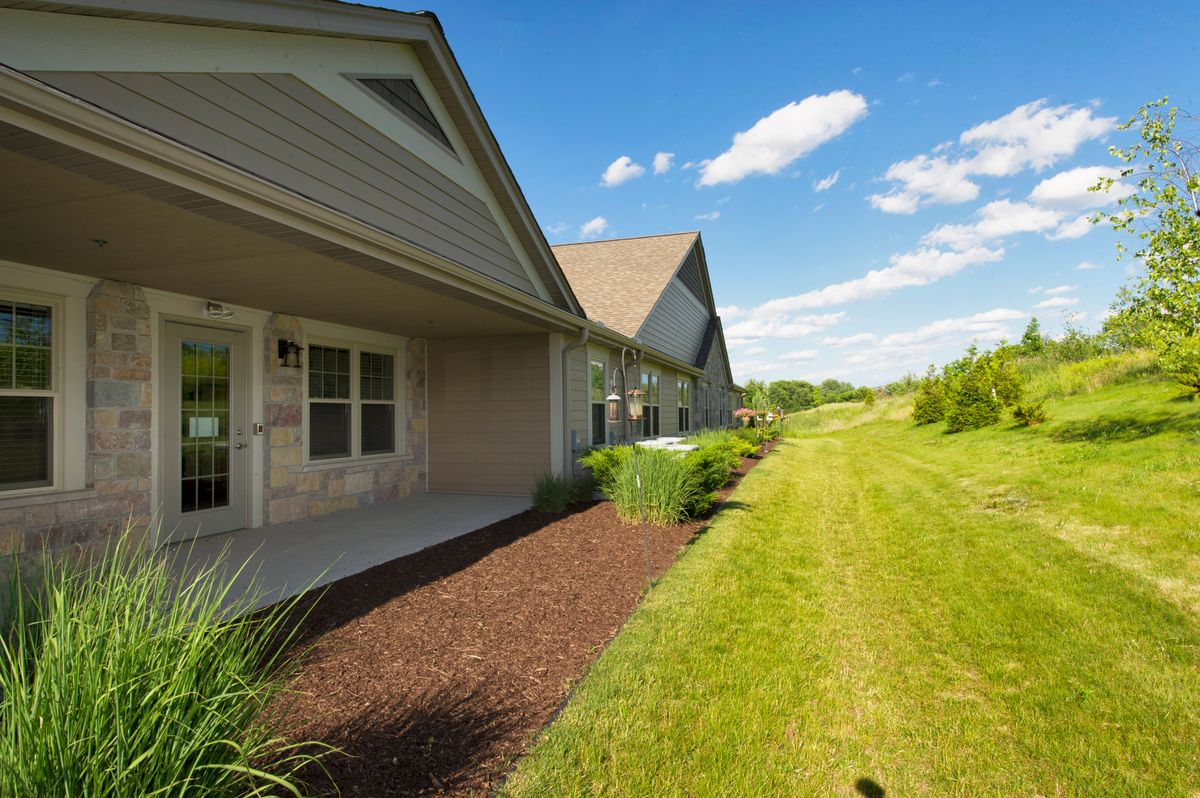
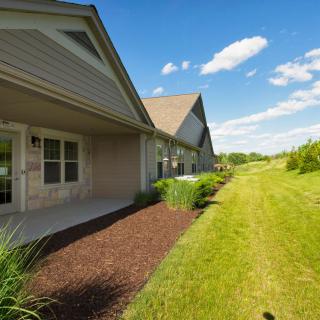
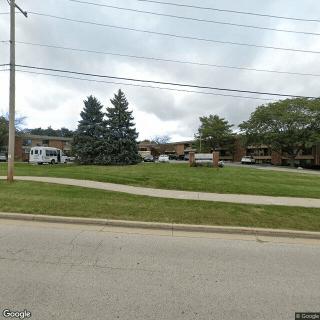
- They describe the grounds as unkempt, which sets an unfavorable tone.
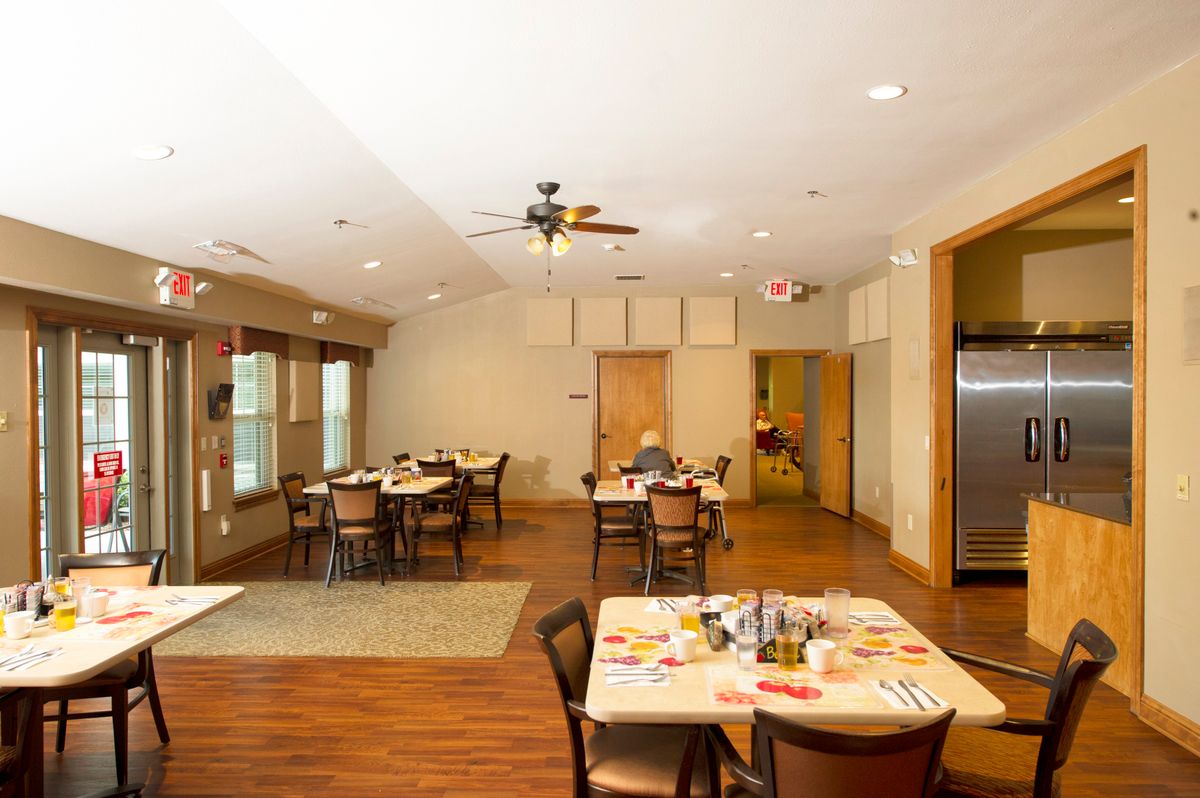
- They fault the new ownership for a dramatic decline, noting terrible food, mediocre care, and overworked, underappreciated caregivers.
Review
Applewood of Brookfield is best suited for families who prize a newer, well-appointed environment and a hands-on ownership approach, and who can commit to active family involvement to compensate for inconsistencies in daily operations. The community’s recent changes in ownership have left some questions about stability, but the physical plant and the intent of leadership remain appealing to those who want a home-like setting with a personal touch from the owners. This is not a hands-off option; it requires the family to be ready to monitor safety, staffing, and quality of life closely. Those who need near-perfect predictability, rigorous safety protocols, and consistently strong daytime supervision may want to consider alternatives.
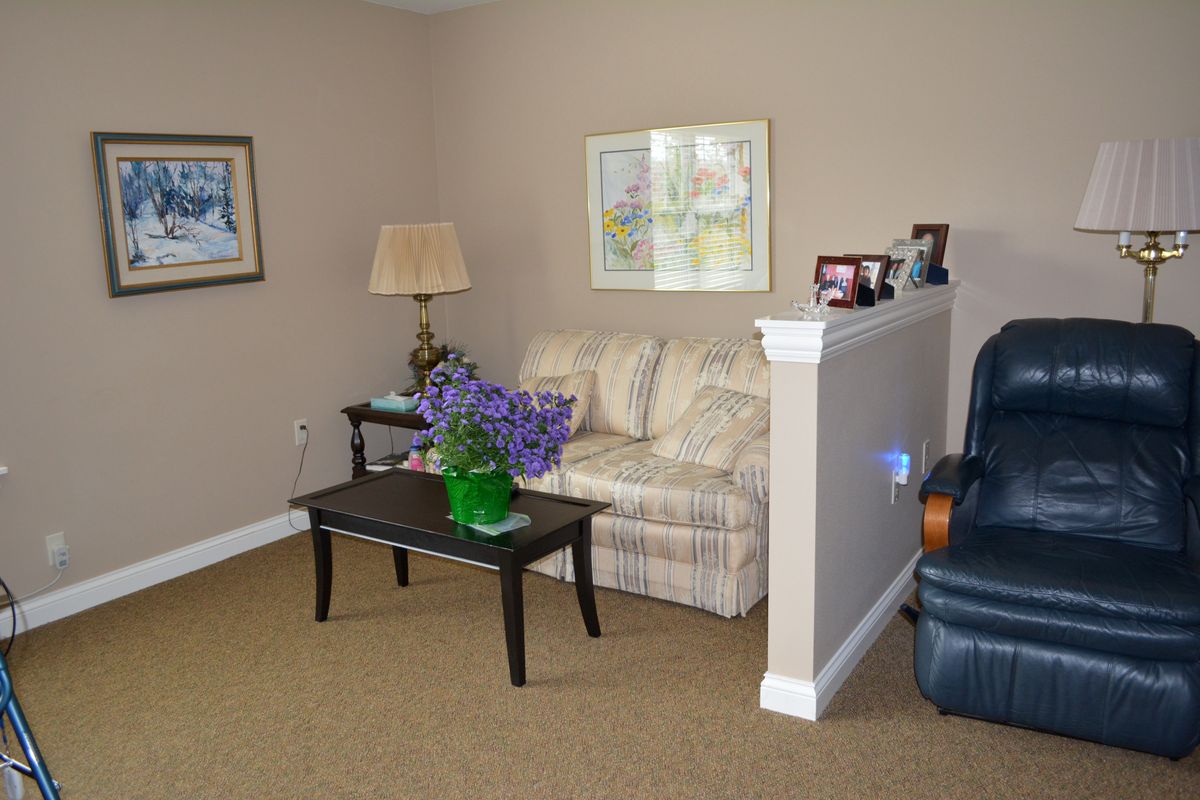
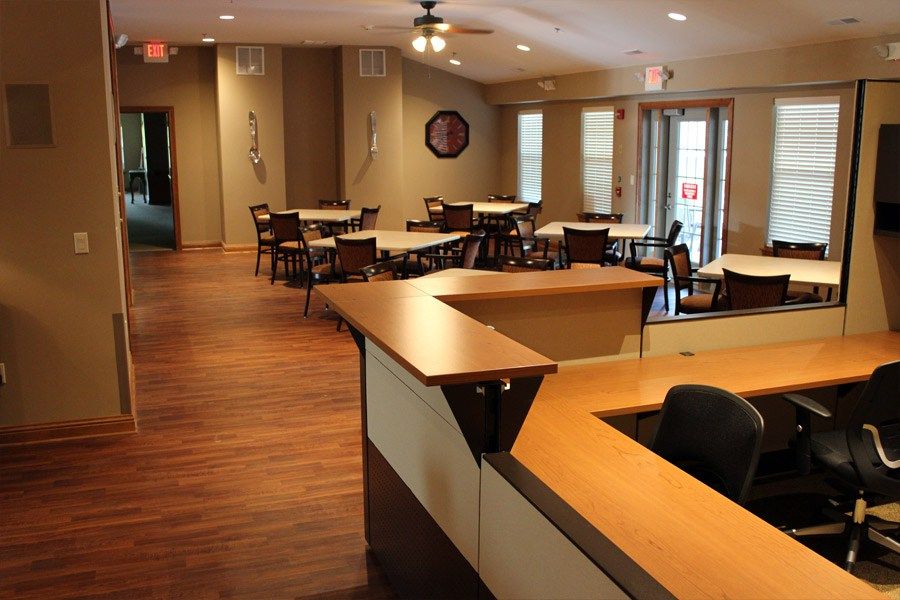
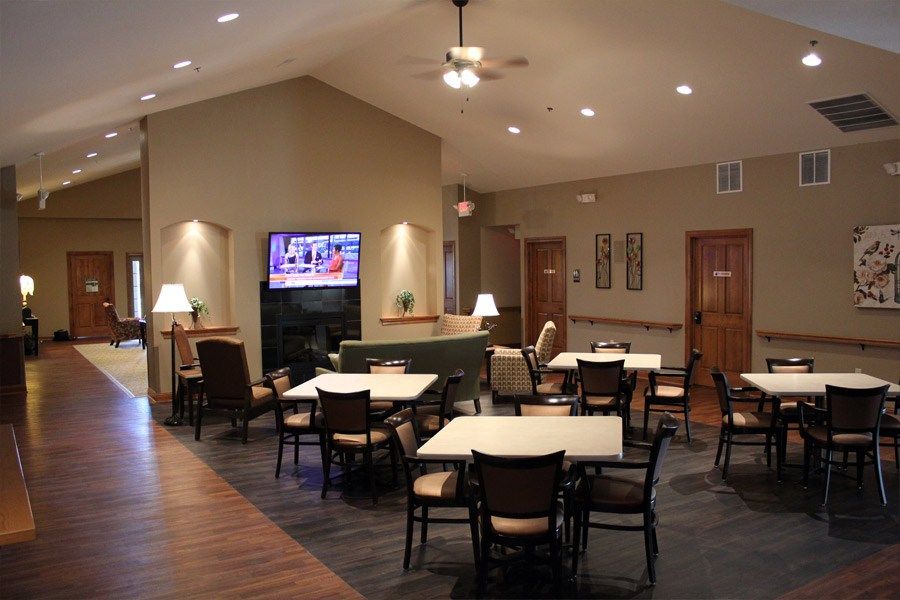
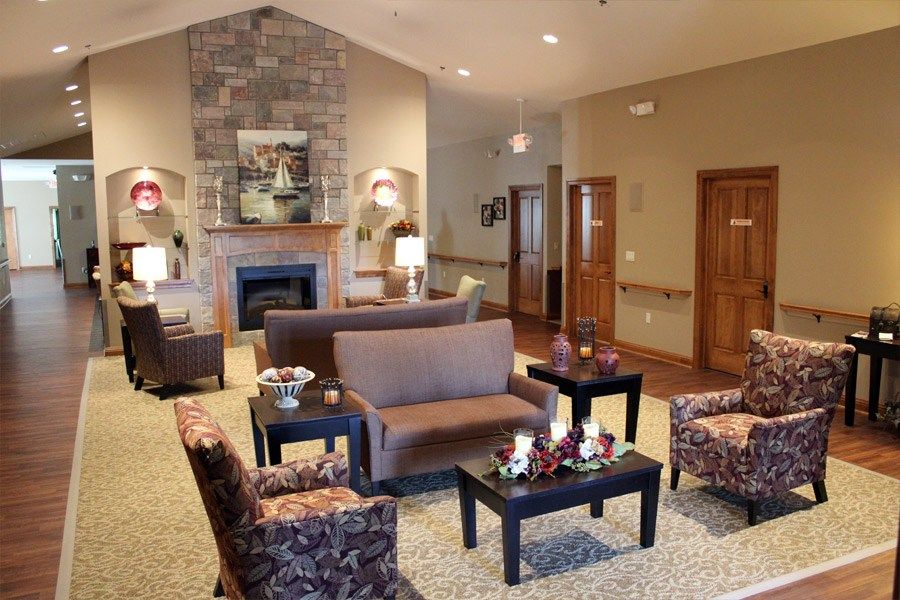
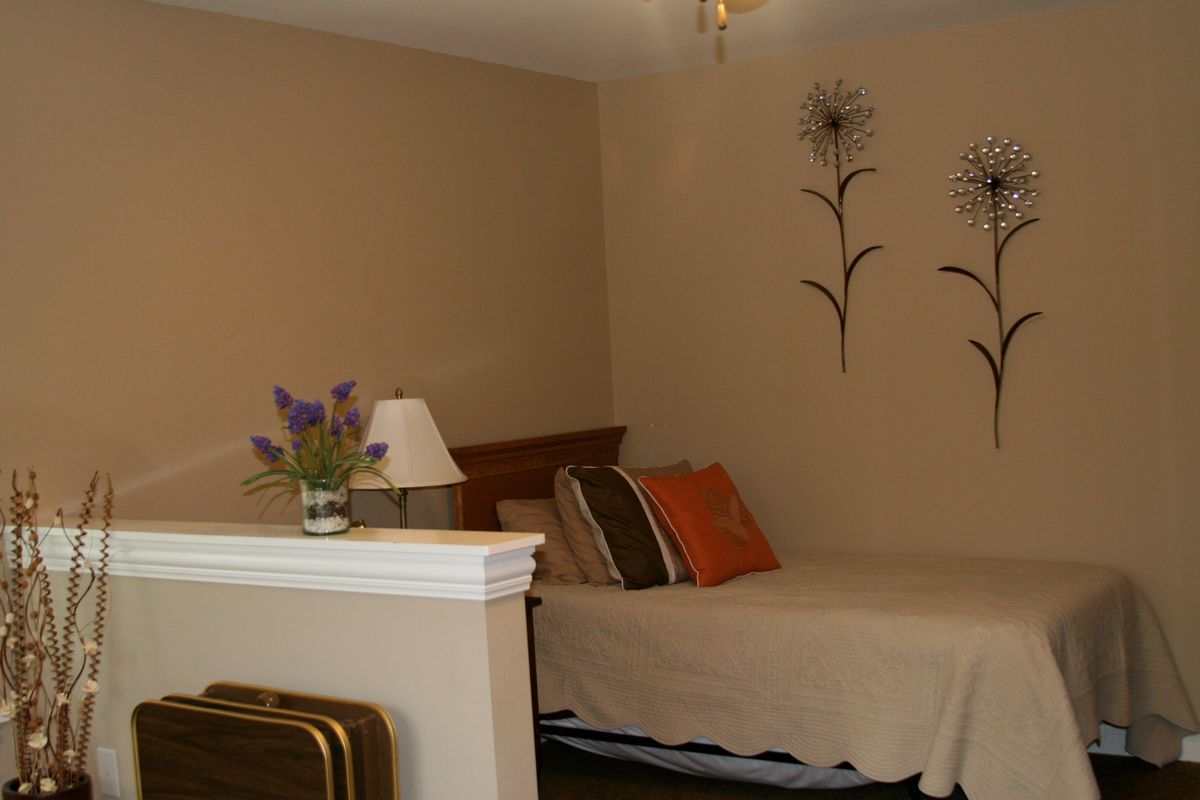
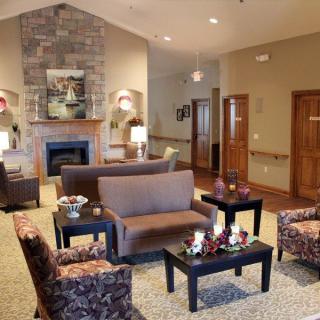
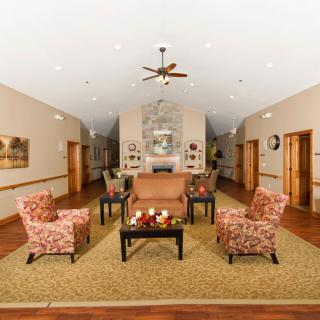
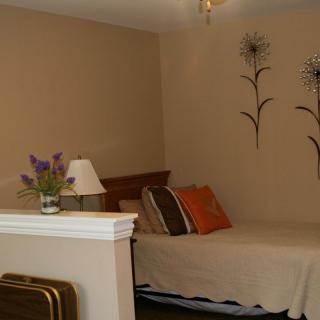
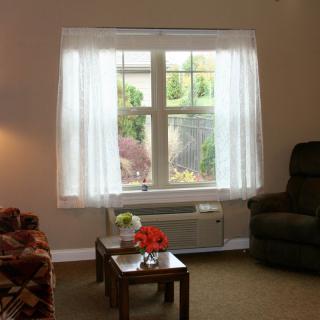
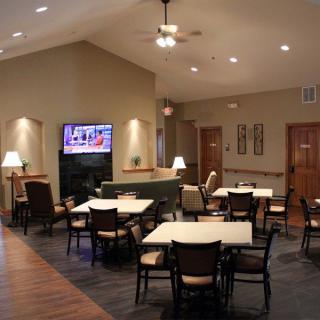
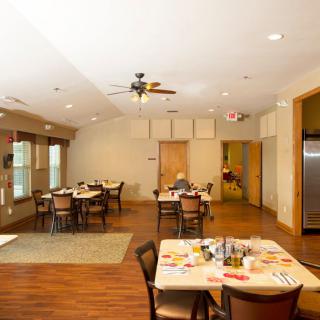
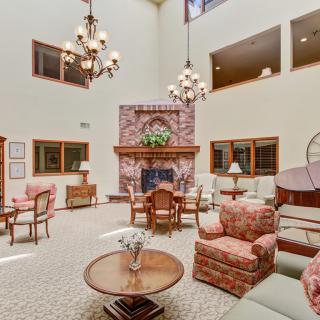
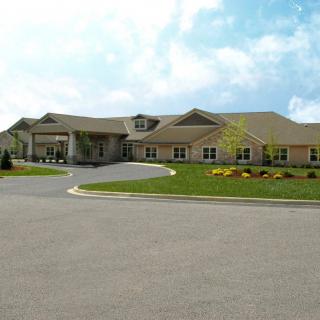
On the plus side, the facility itself is newer and visually appealing, which reduces immediate concerns about maintenance and ambiance. The owners, Debbie and Greg, are described as hands-on, and their presence can translate into a sense of accountability that families value. There are caregivers who stand out for warmth and attentiveness, and the setting can feel like home when staff members are aligned with the resident’s routine and preferences. For families who can attend to details in person, this combination of a fresh building and personal leadership offers a tangible foundation for a comfortable living arrangement, at least in the short term.
However, the most troubling issues are not cosmetic. Recurrent concerns about resident safety, the repeated escaping of a resident named Ronald, signal gaps in supervision and internal communication. Reports of turnover and understaffing raise red flags about consistency of care and the ability to observe a loved one’s daily needs. The grounds and general upkeep are described as slipping, which affects the overall sense of quality and safety. Descriptions of mediocre care and meals described as terrible suggest a decline in day-to-day experience that cannot be offset by a pretty lobby or fresh paint. The combination of these factors points to real risk for families relying on predictable care.
While one family notes the new ownership changed the environment for the worse, another family found immediate value in the hands-on owners and the care from a few caregivers who remain devoted to their residents. That tension matters: it means outcomes at Applewood are highly contingent on leadership stability and on whether a caregiver’s shift aligns with a resident’s needs on any given day. The empty bed count speaks to possible financial pressures or a mismatch between capacity and demand, underscoring the risk of underutilization of staff resources and program offerings. In practical terms, the experience can swing from, “this feels like a home,” to “this is a struggle to maintain quality.”
Families should enter with a clear set of non-negotiables. If dependable supervision, consistent staffing, quality meals, and a secure daily routine are essential, alternatives with stronger safety records and steadier management should be pursued. If timely visits, direct access to leadership, and the potential for a thriving, owner-involved environment are valued, then a careful, structured trial may be appropriate, ideally paired with a specific plan for monitoring meals, activities, and safety practices, plus a commitment from staff to communicate changes daily. In any case, insist on meeting front-line caregivers, reviewing incident logs, and requesting references from current residents’ families before deciding.
In sum, Applewood of Brookfield presents a mixed proposition: a newer, personable setting with involved ownership and some high-quality caregivers, shadowed by real concerns about safety, staffing stability, and daily quality. It is not suitable for families needing unwavering consistency and top-tier safety. Alternatives should be considered for those who cannot tolerate repeated alarm bells about escapes or noticeable declines in meals and care. For others willing to invest time in oversight and willing to push for concrete improvements, a measured exploration, paired with explicit expectations, could yield a workable arrangement, but only with a plan to verify ongoing safety, staffing, and resident quality on a regular basis.
 52 resident community capacity
 Assisted Living
 Memory Care
 Air-conditioning
 Beauty salon
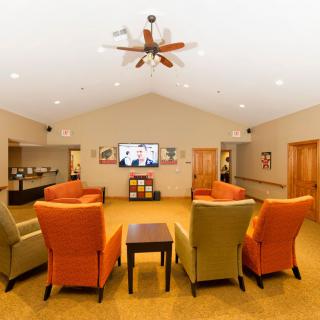
 Cable or satellite TV
 Computer center
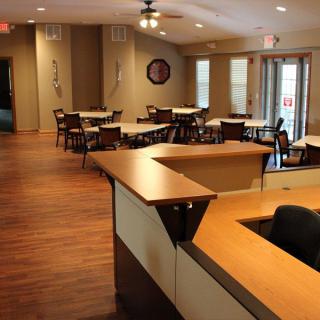
 Dining room
 Fitness room
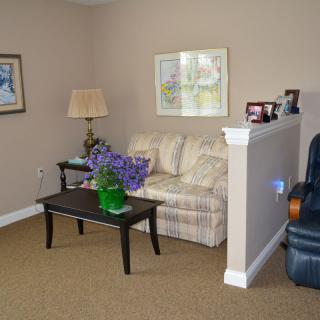
 Fully furnished
 Gaming room
 Garden
 Housekeeping services
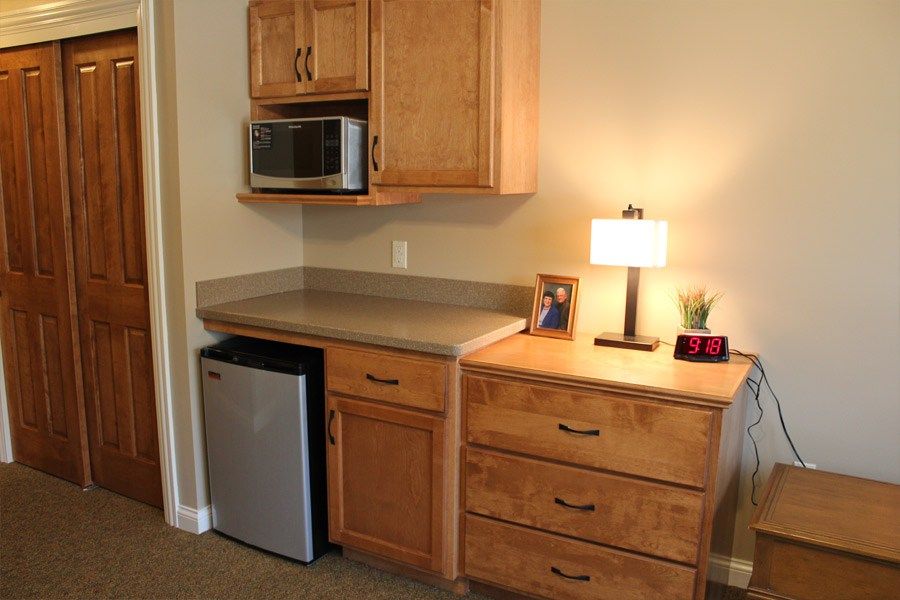
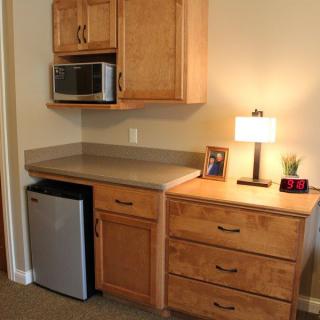
 Kitchenette
 Move-in coordination
 Outdoor space
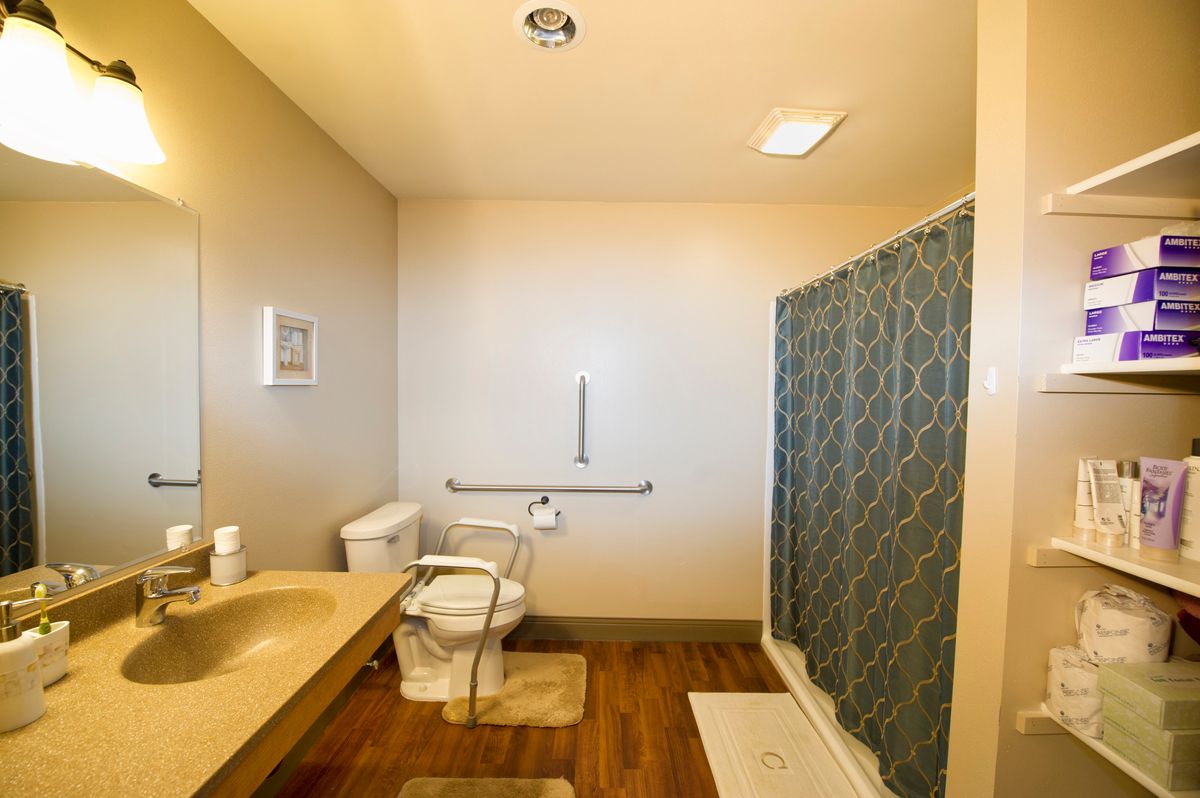
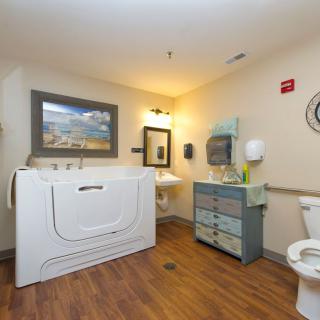
 Private bathrooms
 Restaurant-style dining
 Small library
 Telephone
 Wellness center
 Wi-Fi/high-speed internet available
 General Mitchell International (14 miles away)
 Community operated transportation
 12-16 hour nursing
 24-hour call system
 Activities of daily living assistance
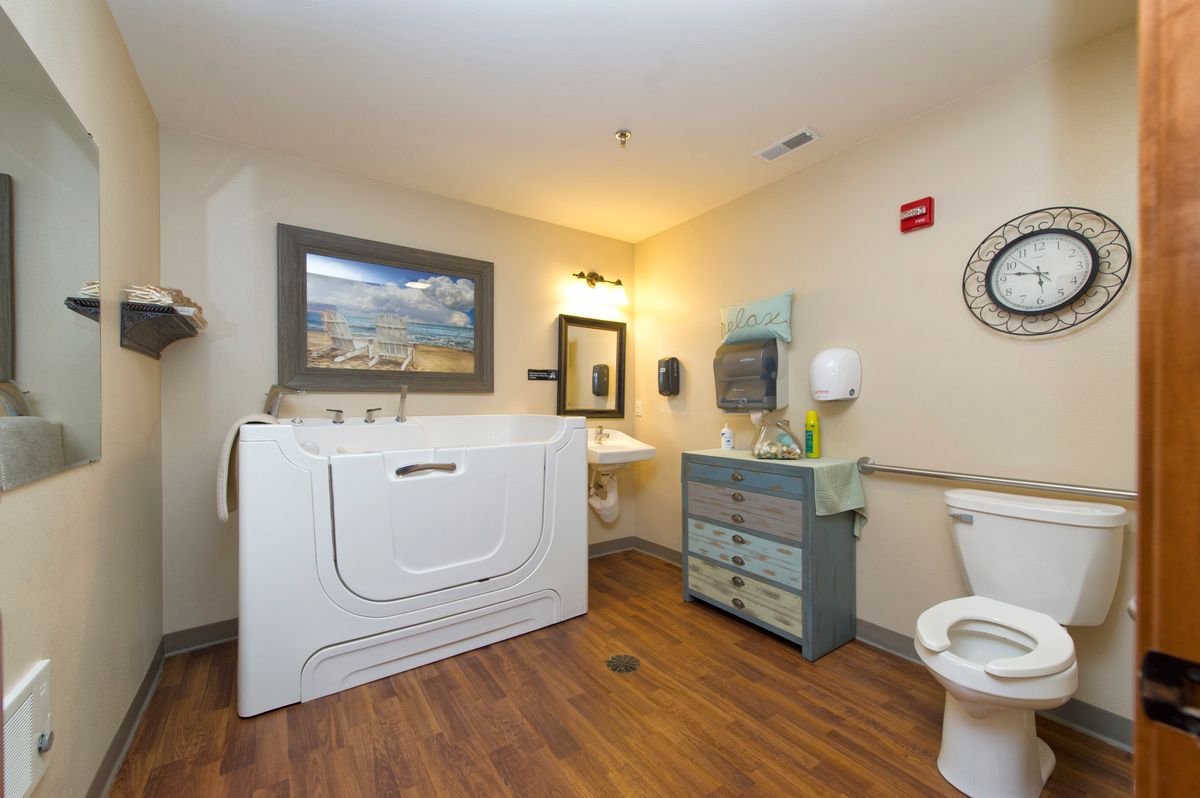
 Assistance with bathing
 Assistance with dressing
 Assistance with transfers
 Diabetes diet
 Medication management
 Mental wellness program
 Special dietary restrictions
 Concierge services
 Planned day trips
 Assisted Living and Memory Care: Understanding Their Core Differences
 Choosing the Right Senior Care: A Detailed Exploration of Assisted Living and Nursing Homes
 Safeguarding Your Memory Through the Golden Years: Eight Ways to Preserve Cognitive Health