
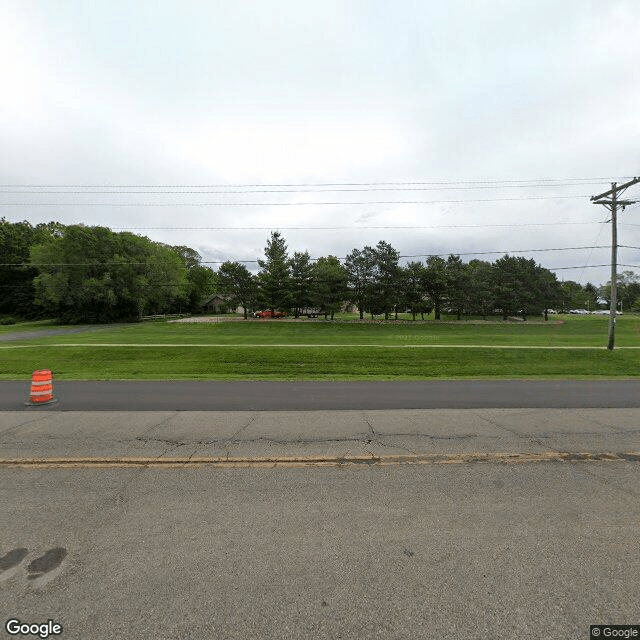
3055 South Riverside Drive, Beloit, WI 53511
For more information about senior living options: (866) 208-4318
Overall Review of Riverside Terrace
Pros
 The staff is friendly and welcoming.
- Riverside Terrace is amazing, with an awesome staff.
- The nurses are kind and thoughtful in their interactions with families.
- Residents are happy there, indicating a positive community.
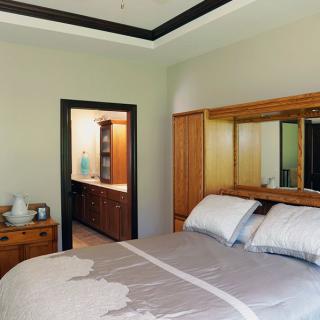
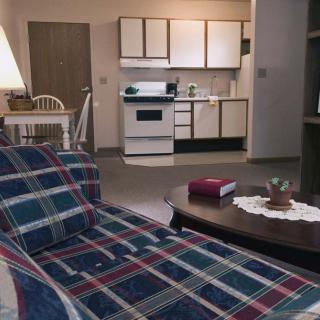
- The apartments are beautiful and the facility is peaceful.
- The staff has very little turnover, suggesting excellent care.
- There are engaging activities such as Bingo, crafts, baking, art, and music.
- The food is hot and plentiful, with a variety and accessible fruit and snacks.
Cons
 They were unsure about the security and felt the tour was rushed.
- They were uneasy about the deposit policy, worrying they might not get their deposit back.
Review
Riverside Terrace in Beloit is best suited for families seeking an active, socially rich assisted living environment where care quality feels stable and predictable. This community shines for residents who value a robust calendar of outings and activities, excellent dining, and a staff corps that stays together over time. The hospital connection embedded in the operation provides a backdrop of training and clinical competence that reassures families who want confidence that medical needs will be understood and promptly addressed. For seniors who want privacy within a comfortable, apartment-style setting, and who prefer to be surrounded by opportunities to engage, learn, and socialize, Riverside Terrace offers a compelling, well-rounded option.
Those who should consider alternatives are those who want a less formal onboarding or who are uneasy about contract specifics and upfront terms. A couple of reviews flagged concerns about the sales process and deposit arrangements, including a sense that tours could feel rushed and a “60-day” trial or refund approach that may not suit every family. Prospects who need a slower, clearer admissions path or who are uncomfortable with potential financial rigidity should seek options with more transparent, straightforward terms. Additionally, families seeking a more intimate, quieter pace or specialized memory-care settings may prefer smaller communities or those that emphasize a calmer daily rhythm.
The strongest advantages here begin with people: caregivers who are genuinely welcoming, and a staff backbone that shows remarkably low turnover. Reviews repeatedly highlight how the staff interact with residents, interacting with warmth, inclusion in activities, and attentive monitoring during meals and daily routines. The care philosophy is practical and consistent, with nurses and aides who interview families and residents in depth, suggesting a level of engagement that translates into reliable day-to-day support. Resident activities form a standout feature: bingo, crafts, baking, art, music, current events, and even volleyball, plus frequent outings. Dining is praised for being hearty, varied, and served on real china with a true dining-room experience, underscoring a culture that treats meals as social and comfortable occasions rather than mere sustenance.
When weighed against the few drawbacks, the pros carry real weight. The combination of stable staffing, high-quality care, an extensive activity slate, and meaningful outings creates a vibrant living environment that can significantly enhance quality of life for residents who crave engagement. The hospital affiliation adds a layer of reassurance about clinical oversight and access to care, which matters in planning for aging in place. The apartment layouts, privacy with generous common areas, well-appointed dining rooms, and a sense of homelike comfort, address the practical need for independence within a supportive framework. In short, the positives tend to outweigh the concerns for families prioritizing ongoing stimulation, competent care, and a connected, community-oriented atmosphere.
Nevertheless, the cautious approach is warranted. Prospective residents should obtain clear, written responses about the deposit policy, including any refund terms and what a “60-day” trial would entail, to avoid misgivings after commitment. It is prudent to insist on a slower, more deliberate tour process if desired, and to request contact with current residents or families who can speak candidly about the day-to-day experience beyond the marketing narrative. Concrete questions to bring include staff-to-resident ratios during peak hours, specific memory or skilled-nursing capabilities if those needs are anticipated, the breadth of transportation options for activities, and a sample weekly schedule that shows how programming aligns with individual preferences.
In the end, Riverside Terrace is a strong, well-rounded choice for families who want a lively, well-supported community with stable staffing, rich programming, and a reassuring hospital-backed care model. The occasional concerns about sales processes and deposit terms are not trivial, but they pale against the backdrop of reliable care, meaningful social engagement, and a genuinely home-like environment. For families ready to engage actively in planning and to demand clear terms upfront, Riverside Terrace offers a practical, decisive path to a resident’s fulfilling daily life. If the emphasis is on serenity, minimal social programming, or highly specialized memory-care services, exploring other options may be the prudent route.
 45 resident community capacity
 1-bedroom apartments
 Assisted Living
 Memory Care
 Activities on-site
 Beautician on-site
 Cable or satellite TV
 Devotional services off-site
 Dining room
 Full kitchen
 Fully furnished
 Garden
 Hiking trails
 Housekeeping services
 Indoor common areas
 Laundry
 Move-in coordination
 Outdoor space
 Restaurant-style dining
 Small library
 Telephone
 Wi-Fi/high-speed internet available
 Transportation & parking
 24-hour call system
 Ambulatory care
 Assistance with bathing
 Assistance with dressing
 Assistance with transfers
 Diabetes diet
 Diabetic care
 Medication management
 Mental wellness program
 Special dietary restrictions
 Arts and crafts
 Book club
 Cooking club
 Fitness programs
 Games
Games Live musical performances
 English


 How to Communicate with a Loved One Living with Dementia: 10 Supportive Strategies
 Comprehensive Guide to VA Nursing Homes: A Crucial Long-Term Care Resource for Veterans
 Estimating the Expenses of At-Home Dementia Care: A Detailed Exploration