
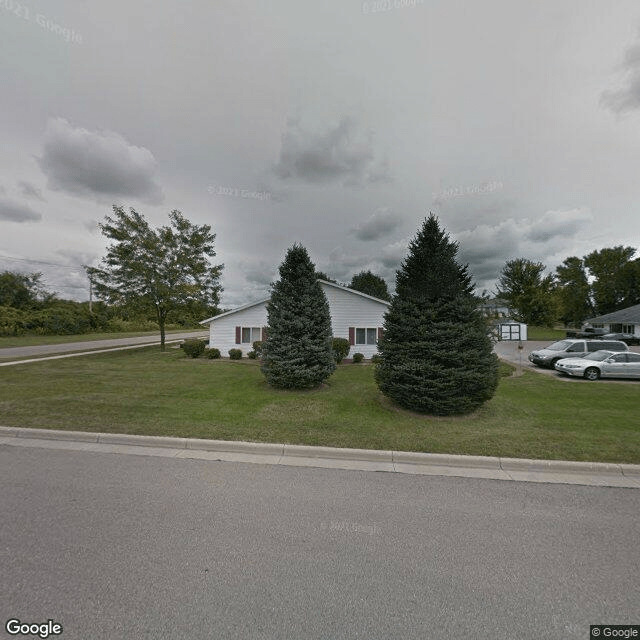
2775 Kadlec Dr., Beloit, WI 53511
To contact a resident: (608) 362-8092
For more information about senior living options: (866) 208-4318
Sun Valley East Costs & Pricing
In Sun Valley East, the cost of a studio apartment is competitively priced at $2,500 per month. This rate is notably lower than both Rock County's average of $3,525 and the broader state of Wisconsin, where the typical studio rental reaches around $3,999. This pricing highlights Sun Valley East as an attractive option for those seeking quality living arrangements without the steep costs associated with other areas in the county and state. Residents can enjoy a well-rounded lifestyle at a more affordable rate, making it an appealing choice in the local housing market.
| Floor plans | Sun Valley East | Rock County | Wisconsin |
|---|---|---|---|
| Studio | $2,500 | $3,525 | $3,999 |
Memory care communities with a similar price nearby
-
from -$240 / mo

Azura Memory Care Beloit 8
$2,260 to $3,310 / month0.8 miles away -
from +$320 / mo
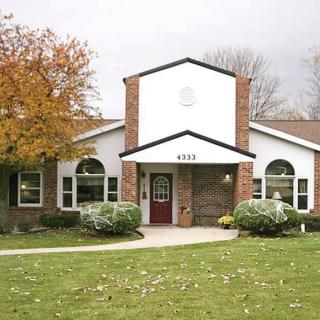
Our House Senior Living Memory Care - Janesville
$2,820 to $5,000 / month13.0 miles away -
About the same

Cherryvale Place
$2,432 to $5,594 / month20.5 miles away -
from +$350 / mo
Ridgestone Village
$2,850 to $3,825 / month19.6 miles away -
from +$400 / mo
Guardian Angel Assisted Living
$2,900 to $4,547 / month12.2 miles away
Overall Review of Sun Valley East
Cons
 The facility leaves residents without baths or showers for over a month.
- Residents go multiple days in a row without medications.
- Special diets aren’t followed.
- If someone runs out of insulin, staff would use another resident’s insulin.
- Staff yell and swear around residents.
- Staff are poorly trained, and managers and administrators don’t care.
- The facility makes false promises and lies about the services provided.
- The facility is about making money, not treating residents with dignity.
- The state has cited the facility for violations, but it remains open because finding another place for residents is too hard.
- The reviewer warns others not to let a loved one live there.
Review
Sun Valley East in Beloit is a community that should be crossed off the short list for any senior with ongoing health or daily living needs. It is best understood as a choice only when there are virtually no other options and a family is prepared to accept serious care lapses as a reality. The level of daily care implied by the review is not compatible with reliable hygiene, timely medication administration, or respectful treatment. In practical terms, this community is not suitable for residents who rely on consistent baths, regular meds, or medically supervised diets; the risk to safety and dignity is simply too high for a reasonable plan of care.
Those weighing alternatives should prioritize facilities with a demonstrable commitment to staffing adequacy, oversight, and transparent care protocols. Prospective residents with complex needs, such as insulin management, strict dietary requirements, or the need for vigilant medication control, will want to steer toward communities that publish clear staffing metrics, enforce medication safety practices, and provide responsive, respectful interactions. In Beloit and surrounding areas, look for operators with established quality improvement processes, regular caregiver training, and visible accountability to families and regulators. If a facility struggles to document even routine care, the comparison is straightforward: move toward options with verifiable reliability.
The physical layout at Sun Valley East, two buildings on the same lot, offers limited, neutral convenience at best. Proximity alone cannot offset fundamental care shortcomings, and the review makes the larger point explicit: proximity does not equal safety. When the core expectation is consistent, attentive care, the psychological and practical benefits of shared resources across two structures pale beside the chronic care failures described. A family should view this layout as incidental at best and not as a selling point that mitigates the real, ongoing risks to residents.
The most troubling aspects center on care failures that can rapidly translate into harm: residents left for extended periods without baths or showers, days elapsing without essential medications, and dangerous lapses in insulin and diet management. Reports of staff shouting and swearing, poor training, and administrators who appear indifferent compound the risk, creating an environment where mistakes are more likely and accountability is uncertain. The presence of state citations for violations further signals entrenched problems rather than isolated incidents. In practical terms, these patterns drastically undermine safety, dignity, and the trust families place in a care setting.
From a decision-making standpoint, serious questions deserve immediate, rigorous answers. If evaluating Sun Valley East, demand concrete, current documentation of staffing levels by shift, medication administration procedures, and individualized care plans. Request to review any recent deficiency reports from the state, and talk directly with frontline caregivers as well as the administrator. Verify how special diets are monitored, how missed medications are handled, and how emergencies are escalated. Observe resident interactions firsthand and speak with multiple families about their experiences. If the answers do not instill confidence, the prudent conclusion is to keep searching.
Ultimately, the takeaway is clear: the risks highlighted by these concerns substantially outweigh any potential convenience or cost savings. Sun Valley East is not a prudent default choice for families prioritizing safety, dignity, and dependable care. Alternatives with stronger staffing, clearer policies, and demonstrable compliance histories should be pursued first. If the decision window narrows to limited options, insist on rigorous monitoring and a formal plan with measurable improvement milestones, but proceed with caution: the observed pattern of neglect and dissatisfaction cannot be dismissed as a minor shortcoming.
 Assisted Living
 Memory Care
 Activities on-site
 Devotional services off-site
 Indoor common areas
 Greater Rockford (25 miles away)
 Ambulatory care
 Diabetic care
 Meals provided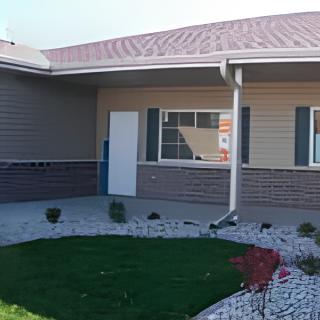
 Combined assisted living and memory care with 24/7 supervision and tailored programming.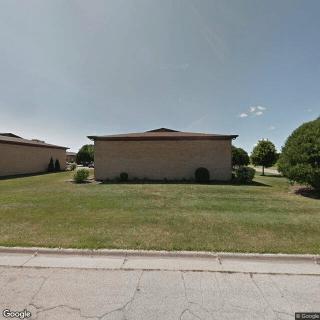




 5 Early Indicators of Dementia and What You Can Do
 8 Important Indicators That Memory Care May Be Necessary
 Delving into the Inner World of Dementia: Insights into Thoughts and Awareness