Primrose Memory Care Of Appleton

5717 Meade Street, Appleton, WI 54913

For more information about senior living options: (844) 490-3973

4.7 from 51 reviews
5 stars
42
4 stars
5
3 stars
1
2 stars
2
1 stars
1

Assisted Living Memory Care

Overall Review of Primrose Memory Care Of Appleton

Pros

  • pro Primrose Appleton is described as extremely beautiful and a wonderful place to live.
  • pro The staff at Primrose are exceptional - truly compassionate and deeply committed to residents' well-being.
  • pro The facility offers a wide range of daily activities and events, including exercise classes and social gatherings.
  • pro The dining is restaurant-style with tasty, homemade meals and a variety of desserts.
  • pro Families are always welcome to join meals and events, creating a warm, family atmosphere.
  • pro The community is clean, well-maintained, and safe, with top-quality leadership ensuring good care.
  • pro Residents feel valued and cared for, with staff who know them by name and go the extra mile.
  • pro The environment fosters community and friendship, with residents forming new connections and an engaging social life.

Cons

  • pro One reviewer said they would like to file a complaint and asked to contact Steve, the Executive Director.
  • pro One reviewer described the facility as deceitful and criticized the frequent changes in the director of nursing.
  • pro Another reviewer found it very difficult to make a contract with anyone.

Review

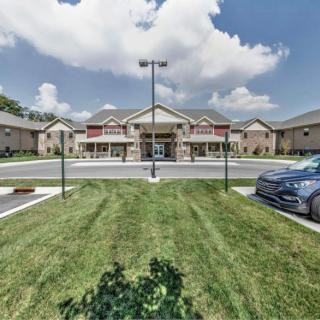
Primrose Memory Care of Appleton is best suited for seniors who want a lively, apartment-style community that blends independent living with a strong memory-care or assisted-living continuum, all within a warm, family-like environment. The setting rewards those who value light-filled spaces, views of woods across the street, and a restaurant-style dining experience that doubles as social hubs. Residents can expect a schedule built around exercise, religious observances, and a robust slate of activities - from two daily fitness classes to weekly mass, a theater program, and themed events such as OctoberFest. For families, the fit is especially compelling when independence remains important but the prospect of escalating care needs is anticipated, given the facility's ability to transition smoothly within the same campus.

Candidates who should consider alternatives are those who prioritize minimal monthly costs or absolute pricing predictability, or who require a strictly clinical, highly structured environment with a flawlessly steady governance track record. A handful of reviews flag administrative friction in contracting, and occasional leadership turnover at the executive or nursing level. Those looking for a no-surprises, fixed process from inquiry to move-in may find the negotiation landscape more challenging here than at some peers. In short, price clarity and administrative stability are legitimate reasons to shop around, even for a campus that otherwise impresses with its people and program.

The strongest offset to these concerns is evident in the core strengths that permeate daily life at Primrose Appleton. The dining program stands out as a differentiator - chef-driven, with home-style options, daily variety, and desserts that feel prepared in-house. The kitchen's responsiveness to resident feedback is notable, contributing to a sense of being valued and heard. Equally compelling is the staff culture: residents repeatedly describe caregivers, activities staff, and leadership as genuinely caring, engaged, and family-like. The environment feels safe, clean, and well maintained, with meticulous attention to grounds, common areas, and seasonal decor. When care needs intensify, the campus' continuum - independent villas, assisted living, and memory care - provides a reassuring, seamless path forward.

Program depth is another practical strength, particularly for memory care residents and their families. The community's approach blends meaningful activities with social rituals that anchor a resident's day - mass, Rosary, and other spiritually oriented programming sit alongside social events, a parlor-like pub, and regular outings. The presence of a beauty salon, a theater, and a dedicated dining room where meals are sociable occasions adds to a holistic sense of belonging. Families report real peace of mind watching their loved ones engage in purposeful routines, make friends, and receive attentive, dignified care from a team that seems to know residents by name and history.

For decision makers weighing cost against value, Primrose Appleton offers a compelling equation: inclusive meals and utilities, a high level of service, and abundant programming converge with a beautiful, well-kept campus. The "home away from home" atmosphere often translates into fewer anxiety moments for families, who glimpse a comprehensive support system rather than episodic care. However, price transparency and a smoother contracting process should be scrutinized. Prospective residents should verify what is included in monthly rent, what might increase over time, and how changes in care level could affect long-term costs. A candid tour with the sales director, coupled with conversations with current residents, will illuminate the real-world experience beyond marketing language.

In the end, Primrose Memory Care of Appleton presents a high-caliber option for families seeking a vibrant community where independence is respected, care is attentive, and social life remains richly active. It is especially strong for memory care and for residents who thrive on scheduled activities, group dining, and ongoing engagement in a homelike setting. Alternatives are reasonable to explore for those prioritizing predictable pricing or unwavering administrative simplicity, or for families who desire a different care emphasis within a comparable price tier. For most families facing a choice in Appleton, Primrose offers not just care, but a genuine sense of belonging that can make the transition to later-life living feel like coming home.

Features

Housing

  • 26 resident community capacity 26 resident community capacity

Types of Care

  • Assisted Living Assisted LivingAssisted living facilities provide crucial support and care for seniors who may need help with daily tasks such as medication management, bathing, and meal preparation. These communities offer a safe and comfortable environment where seniors can maintain their independence while receiving the assistance they need to thrive in their golden years.
  • Memory Care Memory CareMemory care is crucial for seniors as it provides specialized support and services for individuals with dementia or Alzheimer's disease. These programs offer a safe and secure environment where residents receive personalized care, cognitive stimulation, and help with daily activities. Memory care helps seniors maintain their independence, quality of life, and dignity while also providing peace of mind for their families.

Amenities

  • Beauty salon Beauty salonBeauty salons are important for seniors because they provide a space for them to feel pampered, socialize, and maintain their personal grooming and hygiene. Regular visits to a beauty salon can help boost seniors' self-esteem and overall well-being.
  • Cable or satellite TV Cable or satellite TVCable or satellite TV is important for seniors because it provides entertainment, news, and companionship, helping to combat loneliness and boredom. It also offers a wide range of programming options tailored to different interests and preferences.
  • Dining room Dining roomDining rooms are important for seniors as they provide a space for socialization, connection, and nutritious meals. They offer opportunities for residents to bond over shared meals, foster a sense of community, and promote healthy eating habits. Dining rooms also ensure that seniors have access to well-balanced meals tailored to their dietary needs and preferences.
  • Fully furnished Fully furnishedFully furnished senior living communities are important for seniors because they provide convenience, comfort, and a hassle-free moving experience. Seniors can easily settle into their new living space without the stress of having to buy and move furniture. This allows them to focus on enjoying their new home and community.
  • Garden GardenGardens are important for seniors as they provide a peaceful and therapeutic environment for relaxation, physical activity, and socialization. Being in nature has been shown to reduce stress, improve mood, and promote overall well-being. Gardens also offer opportunities for seniors to engage in gardening activities, which can improve mobility, flexibility, and cognitive function. Additionally, gardens create a sense of community and connection with others who share a passion for plants and outdoor spaces.
  • Housekeeping services Housekeeping servicesHousekeeping services are important for seniors because they help maintain a clean and safe living environment, promote independence, and reduce the risk of accidents or illnesses. Additionally, having assistance with household chores can alleviate physical strain and allow seniors to focus on other aspects of their well-being.
  • Kitchenette KitchenetteKitchenettes are important for seniors living in senior living communities because they provide the convenience and independence of being able to prepare simple meals and snacks in the comfort of their own living space. This can help promote a sense of autonomy and well-being for seniors, allowing them to maintain some level of control over their dietary choices and daily routines.
  • Move-in coordination Move-in coordinationMove-in coordination is important for seniors because it helps ease the transition into their new living environment. It ensures that all logistics, such as packing, organizing movers, and setting up utilities are taken care of, allowing seniors to focus on settling in and adjusting to their new home. Having a smooth move-in process can alleviate stress and anxiety, making the transition smoother and more enjoyable for seniors.
  • Outdoor space Outdoor spaceOutdoor spaces are important for seniors as they provide opportunities for physical activity, social interaction, exposure to natural light and fresh air, and a sense of connection to nature. Having access to outdoor spaces can improve overall well-being and quality of life for older adults living in senior communities.
  • Restaurant-style dining Restaurant-style diningRestaurant-style dining is important for seniors because it allows them to enjoy delicious, nutritious meals in a social and upscale setting. This enhances their dining experience, promotes healthy eating habits, and fosters socialization with fellow residents, ultimately contributing to their overall well-being and quality of life.
  • Small library Small librarySmall libraries are important for seniors as they provide access to a variety of reading materials, including books, newspapers, and magazines. This can help stimulate their minds, keep them engaged, and provide a sense of community through book clubs and other social activities. Additionally, reading has been shown to improve cognitive function and overall mental well-being in older adults.
  • Telephone TelephoneTelephones are important for seniors as they provide a lifeline for communication with loved ones, emergency services, and healthcare providers. They offer a sense of security and independence, enabling seniors to stay connected and access assistance when needed.
  • Wi-Fi/high-speed internet available Wi-Fi/high-speed internet availableWi-Fi/high-speed internet is important for seniors to stay connected with loved ones, access online resources, and participate in virtual activities to combat feelings of loneliness and isolation. It also allows them to easily manage healthcare needs, access entertainment, and engage in lifelong learning opportunities.

Transportation

  • Outagamie County Regional (8 miles away) Outagamie County Regional (8 miles away)
  • Austin Straubel International (17 miles away) Austin Straubel International (17 miles away)

Care Services

  • 24-hour call system 24-hour call system24-hour call systems are important for seniors because they provide peace of mind and immediate assistance in case of emergencies. This technology ensures that help is always available, promoting safety and security for elderly individuals living alone or in assisted living facilities.
  • 24-hour supervision 24-hour supervision24-hour supervision is important for seniors to ensure their safety, well-being, and access to immediate assistance in case of emergencies or health issues. This constant support provides peace of mind for both seniors and their loved ones, allowing them to age in place with dignity and security.
  • Activities of daily living assistance Activities of daily living assistanceActivities of daily living assistance are important for seniors because they provide essential support with tasks such as eating, bathing, dressing, and mobility. This assistance helps seniors maintain their independence, dignity, and overall quality of life as they age.
  • Assistance with bathing Assistance with bathingAssistance with bathing is crucial for seniors as it helps maintain personal hygiene, prevents infections, and ensures their overall well-being and comfort. It also provides a sense of dignity and independence for seniors who may struggle with this task on their own.
  • Assistance with dressing Assistance with dressingAssistance with dressing is important for seniors because it helps maintain their independence, promotes personal hygiene, prevents accidents and injuries, and improves overall quality of life. This service ensures that seniors can continue to dress comfortably and confidently, despite any physical limitations they may have.
  • Assistance with transfers Assistance with transfersAssistance with transfers is crucial for seniors as it helps prevent falls and injuries, maintains their independence, and ensures they can safely navigate their living environment. It also provides peace of mind for both seniors and their loved ones.
  • Diabetes diet Diabetes dietA diabetes diet is crucial for seniors as it helps manage blood sugar levels, reduce risks of complications, and improve overall health and well-being. By following a balanced and nutritious diet tailored to their specific needs, seniors can better control their diabetes and enhance their quality of life.
  • Meal preparation and service Meal preparation and serviceMeal preparation and service are crucial for seniors as they may have limited mobility or energy to cook nutritious meals. Having access to healthy and convenient food options can ensure they are getting the proper nutrition needed to maintain their overall health and well-being.
  • Medication management Medication managementMedication management is crucial for seniors to ensure they are taking the right medications at the correct dosages and times. This helps prevent adverse drug interactions, reduces the risk of medication errors, and promotes overall health and well-being. Proactive management also allows for adjustments as needed based on changing health conditions or new prescriptions.
  • Mental wellness program Mental wellness programMental wellness programs are essential for seniors as they promote cognitive stimulation, emotional support, and social engagement. These programs help prevent isolation, depression, and cognitive decline, ultimately enhancing the overall quality of life for older adults.
  • Mild cognitive impairment Mild cognitive impairment"Mild cognitive impairment" is important for seniors because it is an early stage of cognitive decline that can potentially progress to more severe conditions such as dementia. Recognizing and addressing mild cognitive impairment can help seniors receive appropriate care and support to maintain their quality of life and independence for as long as possible.
  • Special dietary restrictions Special dietary restrictionsSpecial dietary restrictions are important for seniors because age-related changes in metabolism and health conditions can make it difficult for their bodies to process certain foods. By following a diet tailored to their specific needs, seniors can maintain their overall health and well-being, manage chronic conditions, and reduce the risk of complications such as malnutrition or food interactions with medications.
  • Specialized memory care programming Specialized memory care programmingSpecialized memory care programming is crucial for seniors with cognitive impairments such as dementia or Alzheimer's disease. These programs provide a safe and supportive environment tailored to the unique needs of individuals with memory loss, helping them maintain their independence, dignity, and quality of life.

Dining

  • Diabetes diet Diabetes dietA diabetes diet is crucial for seniors as it helps manage blood sugar levels, reduce risks of complications, and improve overall health and well-being. By following a balanced and nutritious diet tailored to their specific needs, seniors can better control their diabetes and enhance their quality of life.
  • Special dietary restrictions Special dietary restrictionsSpecial dietary restrictions are important for seniors because age-related changes in metabolism and health conditions can make it difficult for their bodies to process certain foods. By following a diet tailored to their specific needs, seniors can maintain their overall health and well-being, manage chronic conditions, and reduce the risk of complications such as malnutrition or food interactions with medications.

Activities

  • Community-sponsored activities Community-sponsored activitiesCommunity-sponsored activities are important for seniors as they provide opportunities for social interaction, mental stimulation, and physical activity. These activities can help improve overall well-being, combat loneliness and isolation, and promote a sense of belonging and purpose among older adults.
  • Resident-run activities Resident-run activitiesResident-run activities are important for seniors as they encourage social interaction, creativity, and a sense of autonomy. These activities empower seniors to stay engaged and active in their community while fostering meaningful connections with their peers.
  • Scheduled daily activities Scheduled daily activitiesScheduled daily activities are important for seniors because they provide structure, socialization, mental stimulation, and physical activity. Engaging in regular activities can improve overall well-being and quality of life for seniors living in a community setting.

Description

Primrose Memory Care of Appleton is an exceptional memory care community located in Appleton, WI. Our dedicated team of professionals provides round-the-clock supervision and assistance with activities of daily living to ensure our residents' safety and well-being.

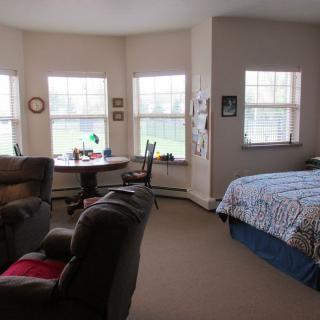
Our community offers a wide range of amenities to enhance the comfort and convenience of our residents. Each resident enjoys their own fully furnished apartment with a kitchenette, cable or satellite TV, telephone, and Wi-Fi/high-speed internet access. Our dining room features restaurant-style dining where residents can enjoy delicious meals prepared by our talented culinary team. Special dietary restrictions are also accommodated.

We understand the importance of mental wellness for individuals with memory impairments. That's why we offer specialized memory care programming and a mental wellness program to engage residents in activities that stimulate cognitive function and promote socialization. Residents can also explore our small library or relax in our beautiful outdoor spaces.

At Primrose Memory Care of Appleton, we prioritize the overall well-being of our residents. In addition to providing assistance with bathing, dressing, transfers, medication management, and meal preparation services, we offer a diabetes diet plan for residents who require it. Our caring staff ensures that each resident receives personalized attention tailored to their specific needs.

Our community is conveniently located near various amenities such as cafes, parks, pharmacies, physicians' offices, restaurants, places of worship, and hospitals. Residents have plenty of opportunities to participate in resident-run activities as well as scheduled daily activities.

In summary, Primrose Memory Care of Appleton is a welcoming and nurturing environment for individuals with memory impairments. With exceptional care services and a wide array of amenities available onsite – as well as convenient access to nearby amenities – our community is dedicated to providing the highest quality of life for our residents while ensuring their safety and well-being at all times.

Nearby Places of Interest

This part of Appleton, Wisconsin offers a variety of amenities and services that would be beneficial for senior living. The area is surrounded by several parks such as Plamann Park and Erb Park, providing opportunities for outdoor activities and nature walks. There are also multiple restaurants nearby, including Culver's and Northland Neighborhood Sports Pub, offering convenient dining options. In terms of healthcare, there are several physicians' offices within close proximity, as well as pharmacies like Walgreens and CVS Pharmacy for easy access to medication. Places of worship such as St Peter's Lutheran Church & School are also available for spiritual support. Additionally, there are cafes like Starbucks and Copper Rock Coffee for social gatherings and relaxation. With hospitals like Appleton Medical Center nearby, residents have access to quality healthcare facilities in case of emergencies or medical needs. Overall, this area provides a range of amenities that cater to the needs of seniors looking for a comfortable and convenient living environment.

Parks

  • Plamann Park (0.4 miles)
  • Erb Park (3.1 miles)
  • Jones Park (4.4 miles)
  • Legion Park (4.5 miles)
  • Pierce Park (5 miles)

Restaurants

  • Culver's (1.8 miles)
  • Northland Neighborhood Sports Pub (2.5 miles)
  • Richmond Street Pub (3.4 miles)
  • Dairyland Brew Pub (3.5 miles)
  • Taco John's (3.5 miles)
  • Scuba's Pourhouse (3.5 miles)
  • Camelot Camelot (3.5 miles)

Physicians

  • Fox Valley Hematology & Oncology (1.9 miles)
  • FVHO Health & Wellness Center (1.9 miles)
  • Encircle Health (1.9 miles)
  • Apple Creek Oral Surgery (1.9 miles)
  • Dermatology Associates of Wisconsin, S.C. (2 miles)
  • Forefront Dermatology Appleton, WI (2 miles)
  • Peter Katz, MD, FAAD (2 miles)

Pharmacies

  • Omnicare (2.3 miles)
  • Walgreens (2.4 miles)
  • Shopko Rx Care (2.5 miles)
  • Walgreens (2.7 miles)
  • Pick 'n Save Pharmacy (2.8 miles)
  • CVS Pharmacy (3.6 miles)
  • Pick 'n Save Pharmacy (4.1 miles)

Places of Worship

  • St Peter's Lutheran Church & School (2.4 miles)
  • First United Methodist Church (4.1 miles)
  • Holy Spirit Church (4.8 miles)
  • St Bernadette (5.1 miles)

Cafes

  • Starbucks (2.7 miles)
  • Copper Rock Coffee (4.2 miles)
  • Seth's Coffee & Bake Shop (4.9 miles)

Hospitals

  • Appleton Medical Center (3.1 miles)
  • Martha Siekman Cancer Center (3.1 miles)
  • Icu (3.1 miles)
  • Valley Thermography (4.4 miles)

Frequently Asked Questions

Where is Primrose Memory Care Of Appleton?
Does Primrose Memory Care Of Appleton provide care for residents with dementia or Alzheimer's disease?

Nearby Communities

  • Primrose Of Appleton

    Primrose Of Appleton

    Appleton, WI


    pro Specialized diabetic care with access to devotional services off-site and a robust on-site activities program.

  • The Gardens Adult Family Homes Ridge Home

    The Gardens Adult Family Homes Ridge Home

    Appleton, WI


    pro Small, personalized assisted living with 24-hour supervision, ADL support, medication management, diabetes-friendly meals, and convenient on-site amenities.

  • Willow Lane Assisted Living

    Willow Lane Assisted Living

    Appleton, WI


    pro Memory-care focused community with 24/7 supervision and restaurant-style dining.

  • Century Oaks House 2

    Century Oaks House 2

    Appleton, WI


    pro Strong memory-care focus with 24/7 supervision and broad on-site amenities.

  • Century Oaks Assisted Living

    Century Oaks Assisted Living

    Appleton, WI

    4.7 from 47 reviews
    $4,000 to $4,600 / month

    pro Dedicated, caring staff in a clean, attractive facility with pleasant views.

  • Pond View Estates

    Pond View Estates

    Appleton, WI

    3.5 from 2 reviews
     

    pro Personalized meals and medication management with reliable connectivity and nearby amenities.

  • Senior Helpers - Appleton,  WI

    Senior Helpers - Appleton, WI

    Appleton, WI

    4.7 from 32 reviews
     

    pro Caring, skilled caregivers with flexible meal/dining options.

  • Care Partners Assisted Living - Appleton

    Care Partners Assisted Living - Appleton

    Appleton, WI

    2.3 from 32 reviews
    $5,200 / month

    pro Engaging activities (bingo, painting) and a spacious, well-equipped building with on-site activities and comprehensive care options.

  • Country Terrace Appleton

    Country Terrace Appleton

    Appleton, WI

    5 from 1 review
     

    pro Specialized memory care with 24/7 supervision and coordinated healthcare.

Related Resources

  • how to talk to someone with dementiaHow to Communicate with a Loved One Living with Dementia: 10 Supportive Strategies
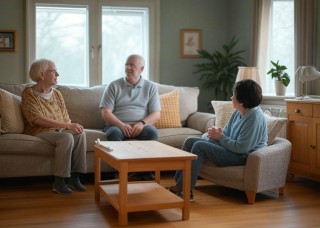
    The article outlines effective communication strategies for interacting with loved ones with dementia, highlighting the need for empathy, patience, and understanding while emphasizing supportive approaches like using simple language, minimizing distractions, and focusing on feelings over facts to maintain dignity and foster connection. It also suggests seeking professional guidance when needed as communication challenges evolve.

  • va nursing homeComprehensive Guide to VA Nursing Homes: A Crucial Long-Term Care Resource for Veterans

    VA nursing homes, or Community Living Centers (CLCs), offer tailored long-term care for veterans, featuring medical attention and rehabilitation in a supportive environment. The guide covers facility types, eligibility criteria, financial assistance options, quality of care standards, and alternatives to full-time nursing home placement.

  • in home dementia care costsEstimating the Expenses of At-Home Dementia Care: A Detailed Exploration

    At-home dementia care expenses vary widely based on care levels, location, and caregiver expertise, with monthly costs for home health aides exceeding $4,500 and specialized care potentially surpassing $100,000 annually. While families favor in-home care for its comfort and personalized attention, they must consider financial planning and the challenges of caregiver fatigue.