Residents and families describe genuinely attentive, compassionate support.
Across the reviews, families repeatedly emphasize that staff treat residents with respect and compassion, with communication that helps them feel supported and informed. Several reviewers also describe ongoing help with day-to-day needs and comfort, including support during difficult changes in health. Even when care transitions were challenging, residents’ families say the staff kept showing up consistently and never gave up.
differentiator22 reviews mention this
Memory care expertise stands out
Families seeking memory care describe a supportive, structured approach.
Many reviews focus on dementia and Alzheimer’s needs, with families describing a smoother adjustment after moving in and better peace of mind once their loved one was there. Residents and families also describe staff helping with safety and daily routines as symptoms progressed, along with caregivers who get to know the person over time. The community’s assisted living setting is paired with services residents can rely on day-to-day, including coordination with health care providers and medication management.
common6 reviews mention this
Meals are handled with care
Meal service and special-diet precautions come up often in reviews.
Several reviews mention food positively, describing it as enjoyable and delivered with attention to the resident’s preferences. Other reviewers specifically call out safety and precautions for dietary needs, including an allergy-focused approach. This aligns with the community offering special-diet support such as special dietary restrictions and diabetes diet, along with meal preparation and service.
common2 reviews mention this
Nearby services for appointments
Nearby clinics and hospitals can support local care needs.
The community is positioned within a short drive of multiple physician and medical options listed nearby, which may help with continuity when residents need outpatient visits. The community also provides transportation arrangement for medical appointments, which fits the pattern of families planning for ongoing care needs. Nearby options include providers in the Appleton area, plus access to hospitals and pharmacies within about a mile or two.
caveat2 reviews mention this
Some reviews raise serious care concerns
A small number of reviews report severe issues with care.
Two reviews express strong dissatisfaction, including claims about fall prevention and medication practices, as well as concerns that staff did not log falls. One of these also alleges rent gauging and indifferent responses to complaints. These are not echoed in the positive reviews, but they are important caveats to consider alongside the many accounts of attentive care.
How we summarize
Counts show how many written reviews mention each theme; a review can touch several themes, and only frequently mentioned themes are displayed.
Features
Housing
5 resident community capacity
Types of Care
Assisted Living
Amenities
Cable or satellite TV
Dining room
Fully furnished
Garden
Housekeeping services
Move-in coordination
Outdoor space
Telephone
Wi-Fi/high-speed internet available
Transportation
Outagamie County Regional (6 miles away)
Austin Straubel International (20 miles away)
Care Services
24-hour supervision
Activities of daily living assistance
Assistance with bathing
Assistance with dressing
Assistance with transfers
Coordination with health care providers
Diabetes diet
Meal preparation and service
Medication management
Special dietary restrictions
Transportation arrangement (medical)
Transportation to doctors appointments
Dining
Diabetes diet
Special dietary restrictions
Activities
Community-sponsored activities
Scheduled daily activities
Nearby Places of Interest
Places of Worship
First United Methodist Church (0.3 miles)
St Bernadette (1.6 miles)
Physicians
Lifeline-Thedacare (0.5 miles)
Jennifer Frank MD (0.5 miles)
Uw Health Fox Valley Family Medicine (0.5 miles)
Mosaic Family Health (0.5 miles)
Kagen Allergy Clinic (0.5 miles)
Dr Kagan's Dermatology Practice (0.6 miles)
Motion Synergy (0.6 miles)
Restaurants
MrBrews Taphouse - Appleton (0.6 miles)
Ambassador (0.6 miles)
Rye Restaurant (0.6 miles)
Dairyland Brew Pub (0.8 miles)
Scuba's Pourhouse (0.8 miles)
Riverside Bar & Grill (0.8 miles)
McGuinness Irish Pub (0.8 miles)
Cafes
Copper Rock Coffee (0.6 miles)
Starbucks (1.7 miles)
Starbucks (2.7 miles)
Parks
Jones Park (0.7 miles)
Erb Park (1 miles)
Pierce Park (1.5 miles)
Alicia Park (2 miles)
Pharmacies
Motus Rx (0.8 miles)
Walgreens (1 miles)
CVS Pharmacy (1.1 miles)
Ascension Rx - Appleton Prescription Center (1.2 miles)
Assisted living facilities offer crucial support for older adults needing help with daily activities but come with varying and significant costs, which can be financed through personal savings, government assistance programs, long-term care insurance, and home equity options. Professional guidance from experts can aid families in navigating these financial complexities to establish a sustainable budgeting approach for assisted living services.
Assisted living costs often exceed Social Security benefits, necessitating a combination of funding sources like state aid and Medicaid. Understanding the interaction between Social Security programs and available financial support is essential for affording such care.
The VA Aid and Attendance benefit provides financial support to veterans needing assistance with daily living due to medical conditions or disabilities, augmenting standard VA pensions for services like in-home care. Eligibility is based on service duration, wartime status, income, and medical needs, with a detailed application process required to access funds for caregiving and home modifications.
Get PricingAsk A QuestionSchedule A TourContact Senior Advisor
By clicking submit, you agree to our Partner's Terms of Use. You
also consent to receive calls and texts, which may be autodialed, from our Partner. Your consent is not a condition to
using our Partner's service. Please visit our Partner's Privacy Policy for information about their privacy practices.

 5 resident community capacity
 Assisted Living
 Cable or satellite TV
 Dining room
 Fully furnished
 Garden
 Housekeeping services
 Move-in coordination
 Outdoor space
 Telephone
 Wi-Fi/high-speed internet available
 Outagamie County Regional (6 miles away)
 24-hour supervision
 Activities of daily living assistance
 Assistance with bathing
 Assistance with dressing
 Assistance with transfers
 Diabetes diet
 Meal preparation and service
 Medication management
 Special dietary restrictions
 Transportation arrangement (medical)
 Transportation to doctors appointments
 Comprehensive, personalized care with diabetes-friendly dining and move-in coordination.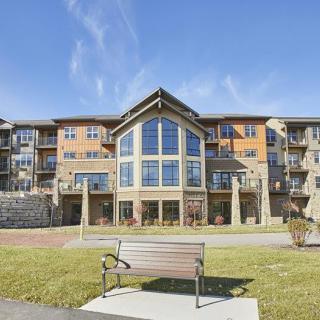



 Securing Financial Support for Assisted Living: A Comprehensive Overview
 Social Security Benefits and Assisted Living: Navigating Options Across the U.S.
 An Extensive Exploration of the VA Aid and Attendance Benefit