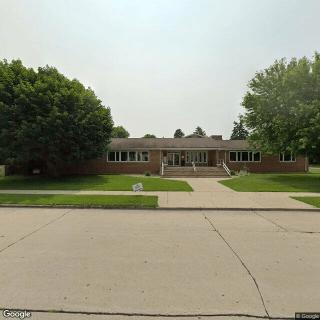
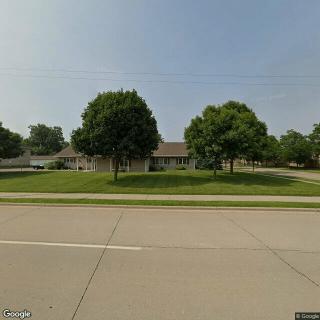
Eagle Court Memory Care in Appleton, WI

975 East John Street, Appleton, WI 54911

For more information about senior living options: (844) 490-3973

5 from 1 review
Memory Care

Overall Review of Eagle Court Memory Care

Pros

  • pro The memory care unit is outstanding.
  • pro The facility is outstanding in healthcare and resident socialization.
  • pro The apartment layout is very nice, with a well-designed room, kitchen, and bathroom.
  • pro The space feels open and spacious, with a kitchenette.
  • pro The cabinetry has beautiful finishes.
  • pro The staff are extremely knowledgeable, pleasant, hospitable, and caring.

Review

Eagle Court Memory Care in Appleton is best suited for families seeking a dedicated memory-care environment where comfortable, home-like living spaces pair with highly attentive, knowledgeable staff. This community is especially appropriate for residents whose priority is a calm, supportive atmosphere that emphasizes social engagement and person-centered care within a secure, residential setting. Families who want reassurance that caregivers understand memory impairment, maintain consistent routines, and foster meaningful interaction will find a strong alignment here. It is a solid choice for those who value an aesthetically pleasing environment that reduces agitation and confusion through thoughtful design and predictable daily rhythms.

The living quarters are described as roughly 400-square-foot studios, a size that many families will find both practical and approachable for memory care. The layout prioritizes openness, with a kitchenette and a well-appointed bathroom, and finishes that feel inviting rather than clinical. These design elements matter in dementia care, where color, texture, and spatial cues influence orientation and mood. The reviewer highlighted the cabinetry and overall finishes as strikingly nice, contributing to a sense of dignity and normalcy in daily living. Importantly, the unit design supports independent activity within a secure framework, which can ease transition for new residents and reduce caregiver burden.

Central to Eagle Court's appeal are the staff and the projected quality of care. The account notes three staff members who stood out as knowledgeable, pleasant, hospitable, and caring. In memory care, such attributes translate into better consistency in monitoring cognitive changes, managing behaviors, and delivering timely assistance with activities of daily living. The expectation of outstanding healthcare and robust socialization signals a program oriented toward both clinical stability and emotional well-being. For families evaluating options, these soft skills - reliability, warmth, and genuine concern - often make the difference between a residence that merely satisfies basic safety and one that supports sustained quality of life for residents who live with memory challenges.

Prospective buyers should still weigh a few practical realities that the current data point cannot fully illuminate. The single positive review provides a powerful anecdote, but it is not a broad enough evidence base to guarantee uniform outcomes across different residents or over time. Pricing transparency, admissions processes, and the exact scope of services included in monthly fees warrant careful verification. Details such as the resident-to-staff ratio, the scope of daily activities, meal quality, and how care plans adapt as memory needs evolve are essential to confirm before committing. For families seeking a broader spectrum of programs, larger campuses, or different architectural or cultural environments, alternatives in Appleton or nearby communities may offer those contrasts.

When weighing the strengths against the unknowns, the balance tilts toward a favorable assessment for families prioritizing memory-focused care and a nurturing social milieu. The combination of well-designed living spaces and a staff described as capable and caring creates a foundation for predictable daily routines, meaningful engagement, and responsive care - factors that substantially offset the lack of a broader review set. The 400-square-foot studio model, while compact, functions well within a memory-care framework and is complemented by finishes and ambience that reduce stress and promote dignity. For families who want assurance of both competent clinical support and lively resident interaction, Eagle Court stands out as a credible, well-executed option.

Bottom line: Eagle Court Memory Care is a strong contender for memory-care needs in Appleton, especially for families that prize attentive staff, social opportunities, and thoughtfully designed living spaces. It suits residents who thrive on consistent routines, meaningful activities, and a home-y atmosphere that supports orientation. Those who require more data points, a broader array of programs, larger accommodations, or clearer pricing should explore alternatives to ensure alignment with expectations and budget. A practical next step is to arrange a formal tour, meet the care director, review a sample care plan, and request references from current families. With careful due diligence, Eagle Court can align with the goal of a secure, engaging, and respectful memory-care experience.

Features

Housing

  • 28 resident community capacity 28 resident community capacity

Types of Care

  • Memory Care Memory CareMemory care is crucial for seniors as it provides specialized support and services for individuals with dementia or Alzheimer's disease. These programs offer a safe and secure environment where residents receive personalized care, cognitive stimulation, and help with daily activities. Memory care helps seniors maintain their independence, quality of life, and dignity while also providing peace of mind for their families.

Amenities

  • Beauty salon Beauty salonBeauty salons are important for seniors because they provide a space for them to feel pampered, socialize, and maintain their personal grooming and hygiene. Regular visits to a beauty salon can help boost seniors' self-esteem and overall well-being.
  • Cable or satellite TV Cable or satellite TVCable or satellite TV is important for seniors because it provides entertainment, news, and companionship, helping to combat loneliness and boredom. It also offers a wide range of programming options tailored to different interests and preferences.
  • Dining room Dining roomDining rooms are important for seniors as they provide a space for socialization, connection, and nutritious meals. They offer opportunities for residents to bond over shared meals, foster a sense of community, and promote healthy eating habits. Dining rooms also ensure that seniors have access to well-balanced meals tailored to their dietary needs and preferences.
  • Fully furnished Fully furnishedFully furnished senior living communities are important for seniors because they provide convenience, comfort, and a hassle-free moving experience. Seniors can easily settle into their new living space without the stress of having to buy and move furniture. This allows them to focus on enjoying their new home and community.
  • Garden GardenGardens are important for seniors as they provide a peaceful and therapeutic environment for relaxation, physical activity, and socialization. Being in nature has been shown to reduce stress, improve mood, and promote overall well-being. Gardens also offer opportunities for seniors to engage in gardening activities, which can improve mobility, flexibility, and cognitive function. Additionally, gardens create a sense of community and connection with others who share a passion for plants and outdoor spaces.
  • Housekeeping services Housekeeping servicesHousekeeping services are important for seniors because they help maintain a clean and safe living environment, promote independence, and reduce the risk of accidents or illnesses. Additionally, having assistance with household chores can alleviate physical strain and allow seniors to focus on other aspects of their well-being.
  • Kitchenette KitchenetteKitchenettes are important for seniors living in senior living communities because they provide the convenience and independence of being able to prepare simple meals and snacks in the comfort of their own living space. This can help promote a sense of autonomy and well-being for seniors, allowing them to maintain some level of control over their dietary choices and daily routines.
  • Move-in coordination Move-in coordinationMove-in coordination is important for seniors because it helps ease the transition into their new living environment. It ensures that all logistics, such as packing, organizing movers, and setting up utilities are taken care of, allowing seniors to focus on settling in and adjusting to their new home. Having a smooth move-in process can alleviate stress and anxiety, making the transition smoother and more enjoyable for seniors.
  • Outdoor space Outdoor spaceOutdoor spaces are important for seniors as they provide opportunities for physical activity, social interaction, exposure to natural light and fresh air, and a sense of connection to nature. Having access to outdoor spaces can improve overall well-being and quality of life for older adults living in senior communities.
  • Telephone TelephoneTelephones are important for seniors as they provide a lifeline for communication with loved ones, emergency services, and healthcare providers. They offer a sense of security and independence, enabling seniors to stay connected and access assistance when needed.
  • Wi-Fi/high-speed internet available Wi-Fi/high-speed internet availableWi-Fi/high-speed internet is important for seniors to stay connected with loved ones, access online resources, and participate in virtual activities to combat feelings of loneliness and isolation. It also allows them to easily manage healthcare needs, access entertainment, and engage in lifelong learning opportunities.

Transportation

  • Outagamie County Regional (6 miles away) Outagamie County Regional (6 miles away)
  • Austin Straubel International (20 miles away) Austin Straubel International (20 miles away)

Care Services

  • 24-hour call system 24-hour call system24-hour call systems are important for seniors because they provide peace of mind and immediate assistance in case of emergencies. This technology ensures that help is always available, promoting safety and security for elderly individuals living alone or in assisted living facilities.
  • 24-hour supervision 24-hour supervision24-hour supervision is important for seniors to ensure their safety, well-being, and access to immediate assistance in case of emergencies or health issues. This constant support provides peace of mind for both seniors and their loved ones, allowing them to age in place with dignity and security.
  • Activities of daily living assistance Activities of daily living assistanceActivities of daily living assistance are important for seniors because they provide essential support with tasks such as eating, bathing, dressing, and mobility. This assistance helps seniors maintain their independence, dignity, and overall quality of life as they age.
  • Assistance with bathing Assistance with bathingAssistance with bathing is crucial for seniors as it helps maintain personal hygiene, prevents infections, and ensures their overall well-being and comfort. It also provides a sense of dignity and independence for seniors who may struggle with this task on their own.
  • Assistance with dressing Assistance with dressingAssistance with dressing is important for seniors because it helps maintain their independence, promotes personal hygiene, prevents accidents and injuries, and improves overall quality of life. This service ensures that seniors can continue to dress comfortably and confidently, despite any physical limitations they may have.
  • Assistance with transfers Assistance with transfersAssistance with transfers is crucial for seniors as it helps prevent falls and injuries, maintains their independence, and ensures they can safely navigate their living environment. It also provides peace of mind for both seniors and their loved ones.
  • Coordination with health care providers Coordination with health care providersCoordination with health care providers is crucial for seniors to ensure proper medical care, medication management, and overall well-being. This collaboration helps prevent overlapping treatments, track progress more effectively, and provide comprehensive support tailored to individual needs.
  • Dementia waiver Dementia waiverDementia waivers are essential for seniors as they provide critical protections and accommodations for those experiencing cognitive decline. These waivers ensure individuals with dementia receive appropriate care, support, and resources to maintain their quality of life and dignity as they navigate the challenges of this progressive condition.
  • Diabetes diet Diabetes dietA diabetes diet is crucial for seniors as it helps manage blood sugar levels, reduce risks of complications, and improve overall health and well-being. By following a balanced and nutritious diet tailored to their specific needs, seniors can better control their diabetes and enhance their quality of life.
  • Hospice waiver Hospice waiverHospice waivers are important for seniors because they allow individuals to receive specialized end-of-life care and support at home or in a hospice facility. This waiver ensures that seniors can access the necessary resources and services to maintain comfort and dignity during their final days.
  • Meal preparation and service Meal preparation and serviceMeal preparation and service are crucial for seniors as they may have limited mobility or energy to cook nutritious meals. Having access to healthy and convenient food options can ensure they are getting the proper nutrition needed to maintain their overall health and well-being.
  • Medication management Medication managementMedication management is crucial for seniors to ensure they are taking the right medications at the correct dosages and times. This helps prevent adverse drug interactions, reduces the risk of medication errors, and promotes overall health and well-being. Proactive management also allows for adjustments as needed based on changing health conditions or new prescriptions.
  • Mental wellness program Mental wellness programMental wellness programs are essential for seniors as they promote cognitive stimulation, emotional support, and social engagement. These programs help prevent isolation, depression, and cognitive decline, ultimately enhancing the overall quality of life for older adults.
  • Mild cognitive impairment Mild cognitive impairment"Mild cognitive impairment" is important for seniors because it is an early stage of cognitive decline that can potentially progress to more severe conditions such as dementia. Recognizing and addressing mild cognitive impairment can help seniors receive appropriate care and support to maintain their quality of life and independence for as long as possible.
  • Special dietary restrictions Special dietary restrictionsSpecial dietary restrictions are important for seniors because age-related changes in metabolism and health conditions can make it difficult for their bodies to process certain foods. By following a diet tailored to their specific needs, seniors can maintain their overall health and well-being, manage chronic conditions, and reduce the risk of complications such as malnutrition or food interactions with medications.
  • Specialized memory care programming Specialized memory care programmingSpecialized memory care programming is crucial for seniors with cognitive impairments such as dementia or Alzheimer's disease. These programs provide a safe and supportive environment tailored to the unique needs of individuals with memory loss, helping them maintain their independence, dignity, and quality of life.
  • Transportation arrangement (medical) Transportation arrangement (medical)Transportation arrangements for medical purposes are essential for seniors as they may have difficulty driving themselves to appointments or accessing public transportation. Having reliable and safe transportation options ensures that seniors can receive timely medical care and maintain their health and well-being.
  • Transportation to doctors appointments Transportation to doctors appointmentsTransportation to doctors' appointments is crucial for seniors as it ensures they have access to necessary medical care and support for their health needs. Without reliable transportation, seniors may struggle to attend important appointments, leading to potential delays in treatment and health complications. Providing transportation services helps seniors maintain their overall well-being and quality of life.
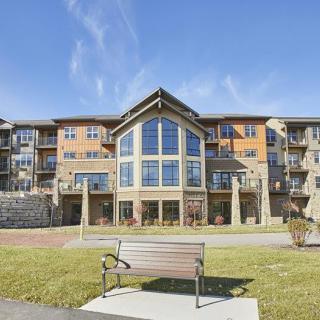
Dining

  • Diabetes diet Diabetes dietA diabetes diet is crucial for seniors as it helps manage blood sugar levels, reduce risks of complications, and improve overall health and well-being. By following a balanced and nutritious diet tailored to their specific needs, seniors can better control their diabetes and enhance their quality of life.
  • Special dietary restrictions Special dietary restrictionsSpecial dietary restrictions are important for seniors because age-related changes in metabolism and health conditions can make it difficult for their bodies to process certain foods. By following a diet tailored to their specific needs, seniors can maintain their overall health and well-being, manage chronic conditions, and reduce the risk of complications such as malnutrition or food interactions with medications.

Activities

  • Community-sponsored activities Community-sponsored activitiesCommunity-sponsored activities are important for seniors as they provide opportunities for social interaction, mental stimulation, and physical activity. These activities can help improve overall well-being, combat loneliness and isolation, and promote a sense of belonging and purpose among older adults.
  • Resident-run activities Resident-run activitiesResident-run activities are important for seniors as they encourage social interaction, creativity, and a sense of autonomy. These activities empower seniors to stay engaged and active in their community while fostering meaningful connections with their peers.
  • Scheduled daily activities Scheduled daily activitiesScheduled daily activities are important for seniors because they provide structure, socialization, mental stimulation, and physical activity. Engaging in regular activities can improve overall well-being and quality of life for seniors living in a community setting.

Description

Eagle Court Memory Care in Appleton, WI is a premier assisted living community specializing in memory care services. Our community offers a wide range of amenities and care services to ensure our residents' comfort and well-being.

In terms of amenities, we provide cable or satellite TV in each resident's room, allowing them to enjoy their favorite programs at any time. Our dining room is spacious and designed for socializing with other residents during meal times. All rooms are fully furnished and include a kitchenette, providing convenience for those who prefer to prepare their own snacks or light meals.

Our community features a beautiful garden and outdoor space where residents can take walks, relax, or engage in gardening activities if they wish. Housekeeping services are also provided to ensure that the environment remains clean and tidy at all times. Additionally, Wi-Fi/high-speed internet access is available throughout the community so that residents can stay connected with friends and family online.

In terms of care services, we provide 24-hour supervision to ensure the safety and well-being of our residents. Our trained staff offer assistance with activities of daily living such as bathing, dressing, and transfers. We also coordinate with health care providers to ensure that our residents receive proper medical attention when needed.

Our community offers specialized memory care programming for individuals with dementia or mild cognitive impairment. Through this program, we aim to keep our residents mentally engaged and stimulated. Additionally, we have a mental wellness program in place to promote emotional well-being among our residents.

We understand the importance of maintaining a healthy diet, which is why we offer special dietary restrictions for those with diabetes or other specific needs. Meal preparation and service are provided by our staff to ensure that residents receive nutritious meals tailored to their needs.

Transportation arrangement is available for medical purposes as well as transportation to doctors' appointments. For leisure activities outside the community, there are several cafes, parks, pharmacies, restaurants, places of worship, theaters, and hospitals nearby, providing residents with various options for recreation and healthcare.

At Eagle Court Memory Care, we strive to create a warm and supportive environment for our residents. Our dedicated staff are committed to providing personalized care and assistance to meet the unique needs of each individual.

Nearby Places of Interest

Restaurants

  • MrBrews Taphouse - Appleton (0.2 miles)
  • Riverside Bar & Grill (0.7 miles)
  • Ambassador (0.8 miles)
  • Houdini's Escape Gastropub (0.9 miles)
  • Rye Restaurant (0.9 miles)
  • Scuba's Pourhouse (0.9 miles)
  • Dairyland Brew Pub (1 miles)

Places of Worship

  • First United Methodist Church (0.6 miles)
  • St Bernadette (1.2 miles)

Physicians

  • Jennifer Frank MD (0.7 miles)
  • Uw Health Fox Valley Family Medicine (0.7 miles)
  • Mosaic Family Health (0.7 miles)
  • Lifeline-Thedacare (0.7 miles)
  • Kagen Allergy Clinic (0.7 miles)
  • Dr Kagan's Dermatology Practice (0.8 miles)
  • Fox Valley Hematology-Oncology (0.9 miles)

Pharmacies

  • Motus Rx (0.8 miles)
  • Ascension Rx - Appleton Prescription Center (1 miles)
  • Walgreens (1.2 miles)
  • Walgreens (1.3 miles)
  • Aurora Pharmacy (1.4 miles)
  • CVS Pharmacy (1.5 miles)
  • Pick 'n Save Pharmacy (1.7 miles)

Cafes

  • Copper Rock Coffee (0.8 miles)
  • Starbucks (2.2 miles)
  • Panera Bread (2.4 miles)
  • Starbucks (2.5 miles)

Parks

  • Jones Park (0.9 miles)
  • Erb Park (1.4 miles)
  • Pierce Park (1.6 miles)
  • Alicia Park (2 miles)

Hospitals

  • St Elizabeth Hospital Auxiliary (1 miles)
  • St Elizabeth Hospital (1 miles)
  • Icu (1.2 miles)
  • Martha Siekman Cancer Center (1.3 miles)
  • Appleton Medical Center (1.3 miles)

Theaters

  • Valley Grand Cinema Appleton, Wi (2.4 miles)

Frequently Asked Questions

Where is Eagle Court Memory Care?
Does Eagle Court Memory Care provide care for residents with dementia or Alzheimer's disease?

Nearby Communities

  • Eagle Point Senior Living

    Eagle Point Senior Living

    Appleton, WI

    4.1 from 42 reviews
    $5,100 / month

    pro Beautiful, modern facility with river views and extensive on-site amenities.

  • Pioneer Village

    Pioneer Village

    Appleton, WI

    3.4 from 43 reviews
     

    pro Diabetic and ambulatory care with on-site activities; strong access to nearby cafes, parks, pharmacies, physicians, restaurants, and hospitals.

  • Ryan Community

    Ryan Community

    Appleton, WI

    2.3 from 9 reviews
     

    pro Home-like environment with 24/7 supervision and comprehensive daily living support.

  • Klister House

    Klister House

    Appleton, WI

    4.6 from 46 reviews
     

    pro Fully furnished apartments with comprehensive care, meals, and transportation coordination.

  • Villa Phoenix

    Villa Phoenix

    Appleton, WI


    pro Comprehensive, personalized care with diabetes-friendly dining and move-in coordination.

  • Agape 2 Silver Spur

    Agape 2 Silver Spur

    Appleton, WI


    pro Small, personalized community with 24-hour supervision and comprehensive care services.

  • Emerald Valley Assisted Living

    Emerald Valley Assisted Living

    Appleton, WI

    4 from 16 reviews
    $3,500 / month

    pro Caring staff with strong communication, clean environment, and engaging activities.

  • Country Terrace Appleton

    Country Terrace Appleton

    Appleton, WI

    5 from 1 review
     

    pro Specialized memory care with 24/7 supervision and coordinated healthcare.

  • Peabody Manor

    Peabody Manor

    Appleton, WI


    pro Compassionate care with a focus on spiritual well-being and diabetes support.

Related Resources

  • memory care activitiesEngaging Memory Care Activities That Enhance Quality of Life

    Memory care activities are essential for improving the quality of life of seniors with cognitive impairments, as they stimulate cognitive function, promote well-being, and encourage social interaction through tailored strategies. These activities combine structured exercises with spontaneous tasks, sensory engagement, physical workouts, creative pursuits, and intergenerational interactions to enhance emotional connection and a sense of purpose.

  • when to move from assisted living to memory careWhen to Transition from Assisted Living to Memory Care: Key Indicators, Steps, and Finding the Right Community

    Transitioning from assisted living to memory care is driven by an individual's cognitive decline and specific needs, requiring careful evaluation of indicators like increased confusion and wandering. The process involves consulting medical professionals, researching suitable communities, considering financial and legal aspects, and ensuring effective communication for personalized care plans.

  • assisted living vs memory careUnderstanding the Distinctions: Assisted Living and Memory Care Explained

    The article differentiates between assisted living and memory care, explaining that assisted living supports seniors with daily activities while promoting independence, whereas memory care provides specialized services for individuals with dementia, focusing on secure environments and cognitive support. It also addresses staff training, safety considerations, costs, family involvement, and transition strategies for families navigating these care options.