Overall Review of Salem Center (Alz Unit)
differentiator
5 reviews mention this
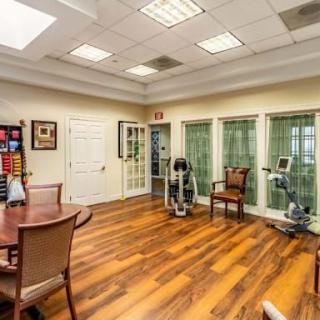
Therapy helps residents regain strength
Rehabilitation care is described as skilled and genuinely helpful.
Several reviews describe strong physical therapy and nursing rehabilitation that helped residents feel better and progress after surgery or inpatient rehab. Residents and families highlight PT/OT and therapists who were patient, along with nursing support during recovery. One reviewer also contrasts the overall care approach with how staffing and caregiver availability affected comfort during daily needs.
common
6 reviews mention this
Clean facility and tidy rooms
Residents and families repeatedly note the facility feels clean.
Cleanliness comes up often, with reviewers describing a clean environment and a well-kept facility. Families mention cleanliness as part of what impressed them during visits and admissions. Alongside that, multiple comments connect a tidy, well-managed setting with feeling more comfortable about care.
common
22 reviews mention this
Caring, friendly staff experience
Staff kindness and responsiveness are a consistent theme in reviews.
Many reviews describe staff as polite, caring, and supportive, including nursing, aides, therapists, housekeeping, kitchen, and management. Families and residents repeatedly say the team treated them with respect, helped with concerns, and worked hard even when things were stressful. A few reviewers also mention communication differences by situation, but the overall tone about day-to-day care remains centered on kindness and attentiveness.
caveat
4 reviews mention this
Food quality varies by day
Meals are described as hit-or-miss, with some concerns about taste.
Some residents and families say the food is good, but a couple of reviews call out taste and seasoning. One reviewer says food lacked seasoning and was not very good, while another notes it was good with occasional better days. Even when other parts of the stay were praised, meal satisfaction still shows up as a recurring point.
common
4 reviews mention this
Activities and outdoor time matter
Outdoor spaces and activities help break up routines.
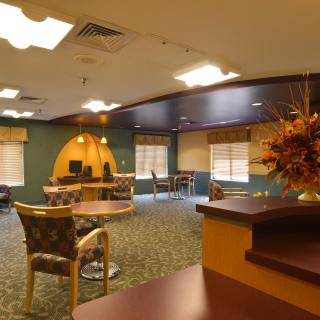
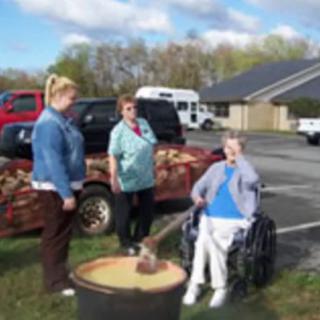
Residents describe getting time outside in courtyard or outdoor spaces when weather allows. Reviews also mention scheduled activities and the activities department supporting residents with things to do throughout the day. One reviewer points to a common area for relaxing and watching TV, reinforcing that there are places to spend time beyond the room.
caveat
2 reviews mention this
Staffing gaps affect caregiver attention
Some reviews raise concerns about staffing levels for caregiving.
A couple of reviews express worry that there are not enough aides or caregivers, especially on night shift, and that this increases stress for residents and staff. Another reviewer notes that workers seemed overextended and worked “to death,” even though they were still patient and kind. These comments suggest the quality of individual care is often strong, but staffing consistency can be a drawback.
caveat
3 reviews mention this
Communication can be inconsistent
Some families report problems getting timely communication.
Several reviews mention communication challenges, including delayed responses to emails and confusion when staff coordination did not line up. One reviewer also brings up concerns about scheduling and getting timely information for conferences or virtual calls. Other reviews note that nursing staff kept them informed, but communication issues still appear as a recurring concern for families.
How we summarize
Counts show how many written reviews mention each theme; a review can touch several themes, and only frequently mentioned themes are displayed.

 50 resident community capacity
 Assisted Living
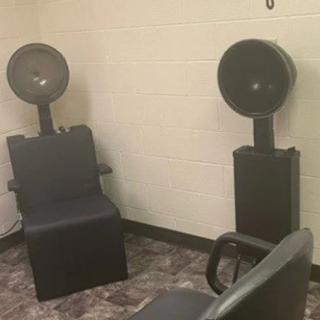
 Beauty salon
 Cable or satellite TV
 Dining room
 Fully furnished
 Garden
 Housekeeping services
 Kitchenette
 Move-in coordination
 Outdoor space
 Restaurant-style dining
 Small library
 Telephone
 Wi-Fi/high-speed internet available
 24-hour call system
 Activities of daily living assistance
 Assistance with bathing
 Assistance with dressing
 Assistance with transfers
 Diabetes diet
 Medication management
 Mental wellness program
 Special dietary restrictions
 Fully furnished units with 24/7 supervision and comprehensive daily living support.


 Vibrant Senior Living: A Comprehensive Guide for Active Older Adults
 When to Transition from Assisted Living to Memory Care: Key Indicators, Steps, and Finding the Right Community
 Assisted Living and Memory Care: Understanding Their Core Differences