
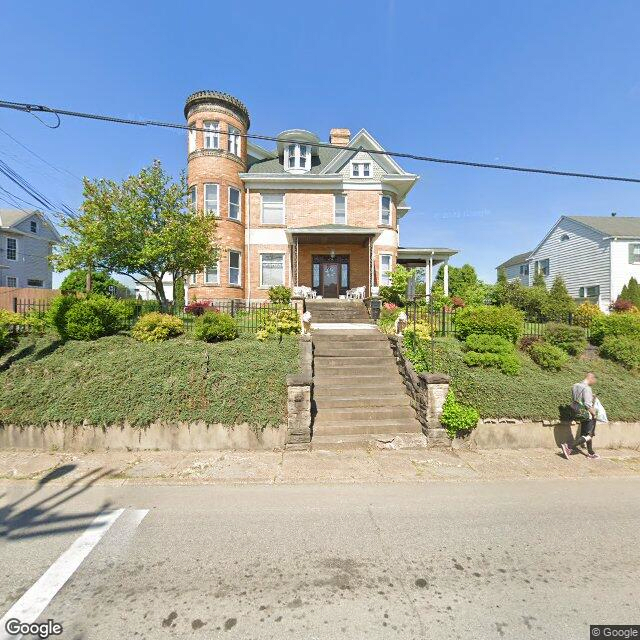
960 W Pike St, Clarksburg, WV 26301
To contact a resident: (304) 622-2621
For more information about senior living options: (866) 208-4318
Overall Review of Lida Clark Personal Care Home
Pros
 The staff there are great, very kind and friendly.
- The facility is very clean.
- The nursing staff provide great care for residents' rehabilitation.
- The staff do an awesome job.
- The facility is an awesome place for elderly care.
Cons
 They describe the facility as severely understaffed and negligent.
- They allege unsanitary conditions, including urine on the floor and feces on the walls.
- They claim discriminatory practices, citing signs such as “No colored people.”
- They report a dangerous, threatening environment with residents allegedly threatening violence.
- They accuse management of being unprofessional and running a circus.
- They say nurses are frequently overworked because staff call off frequently.
- They allege abuse or harm to residents, including poisoning and death.
- They state the facility prioritizes activities like bingo over essential care, leading to delays in care and medications.
- They say they would not recommend the facility and urge others to choose a different one.
Review
Lida Clark Personal Care Home in Clarksburg is best suited for families seeking a small, home‑like environment where frontline staff can form genuine, personal connections and where cost is a practical consideration. The reviews describe caregivers as kind and friendly, with a clean facility that can feel comfortable and non-institutional. For residents who are relatively independent day-to-day, who value regular, direct contact with aides, and who view a intimate setting as a positive, this home offers a level of warmth and routine that larger facilities may not. It can work for short or rehab-focused stays if the medical and behavioral needs remain manageable and can be closely monitored by family or a trusted advocate.
Nevertheless, a substantial portion of feedback raises red flags that families must weigh heavily. The most persistent concern is understaffing, with reports that nurses and aides are in short supply and frequently unavailable, leading to long waits and inconsistent care. Management struggles are described as disorganized, with a sense of turnover and a lack of reliable oversight. Beyond staffing, there are extremely troubling allegations about the environment and treatment of residents, including claims of discrimination and serious abuse. Taken together, these issues point to a care culture that can deteriorate quickly under pressure, especially for residents with dementia or complex medical needs.
Despite the troubling headlines, there are identifiable positives that matter in practical decision-making. The staff are repeatedly described as compassionate and approachable, and the facility is noted for its cleanliness. In rehabilitation scenarios, some nursing staff have been praised for giving attentive care and progress-oriented support. These positives demonstrate that the operation can deliver genuinely decent care when staffing alignment, supervision, and accountability are functioning. The core challenge is whether these strengths can be realized consistently over time, given the recurring patterns of understaffing and management concerns.
The key risk calculus centers on safety, reliability, and governance. Inconsistent medication administration, delayed responses, and limited supervision for residents with dementia or mobility challenges threaten daily safety and quality of life. Housekeeping lapses and the broader sense of an overwhelmed operational framework raise concerns about infection control, fall prevention, and overall well-being. For families with loved ones who require predictable routines, clear escalation paths, and dependable care, these weaknesses are not easily offset by occasional kindness or a clean room. The risk is not merely episodic; it speaks to the facility’s ability to sustain high-quality care over weeks and months.
For families exploring options, a rigorous, questions-driven due diligence is essential. Demand a candid tour that reveals current staffing levels, nurse-to-resident ratios, and how shifts are filled. Request recent state surveys, inspection summaries, and any corrective action plans, then verify whether deficiencies have been resolved. Speak with multiple residents and family members about daily routines, medication practices, and responsiveness. Inquire explicitly about dementia care protocols, activity programming, and emergency procedures. If pursuing Lida Clark, insist on concrete expectations, measurable timelines, and a plan for ongoing oversight, ideally with a designated point of contact for concerns.
In sum, the mix of notable staff warmth and a clean, homey setting is shadowed by serious questions about staffing stability, governance, and safety. For most families, this facility represents a choice to be avoided in favor of communities with stronger staffing, clear accountability, and proven safety records. If the decision is made to consider Lida Clark, proceed with aggressive due diligence and close, ongoing supervision; be prepared to pivot promptly if concerns persist. The prudent path is to treat this option as a last resort, useful only after thorough vetting and with a clear plan to monitor care closely, and with ready alternatives identified if red flags continue to emerge.
 Board and Care Home




 Powerful Realities of Elder Abuse and the Most Effective Ways to Report It
 Ten Vital Duties of a Senior Caregiver: A Comprehensive Guide
 9 Stimulating Memory Activities for Seniors: Puzzles, Cards, and Much More