For more information about senior living options: (866) 208-4318
2.7 from 120 reviews
5 stars
46
4 stars
3
3 stars
2
2 stars
4
1 stars
65
Overall Review of United Transitional Care Center
caveat14 reviews mention this
Long waits and delays described
Residents and families describe long waits and delayed care.
A recurring concern is how long people say they waited for triage, rooms, procedures, or basic follow-up during ER or inpatient visits. Several reviews mention being kept in waiting areas for hours, not seeing a clinician promptly, or waiting for transportation and discharge paperwork. Some reviewers also describe not receiving timely interventions until late in the visit.
common18 reviews mention this
Staff helpfulness feels inconsistent
Staff interactions can be either very supportive or dismissive.
Many reviews praise specific caregivers and describe feeling welcomed, listened to, and cared for, including during pre-op conversations, nursing shifts, and follow-ups. Other reviews take the opposite view, calling out rude, dismissive, or unprofessional behavior and describing poor responsiveness to requests. Taken together, the reviews suggest experiences vary a lot depending on the unit and the people involved.
common6 reviews mention this
Cleaning and cleanliness noted
Reviewers mention cleanliness both positively and negatively.
Some reviewers describe the facility as spotless or very clean, including during hospital stays and emergency-room visits. Other reviews describe the opposite, mentioning being dirty or reporting cleanliness concerns. Overall, cleanliness comes through in the feedback as something people pay attention to.
caveat5 reviews mention this
Care plans and communication issues
Several reviews describe communication gaps about care and next steps.
A number of reviews mention missing or unclear updates from doctors, including lack of discharge-plan communication and limited explanation of what was happening. Others describe not getting timely answers about their condition, tests, or next steps while still in the facility. A few reviews tie these communication issues to additional frustration during the visit.
How we summarize
Counts show how many written reviews mention each theme; a review can touch several themes, and only frequently mentioned themes are displayed.
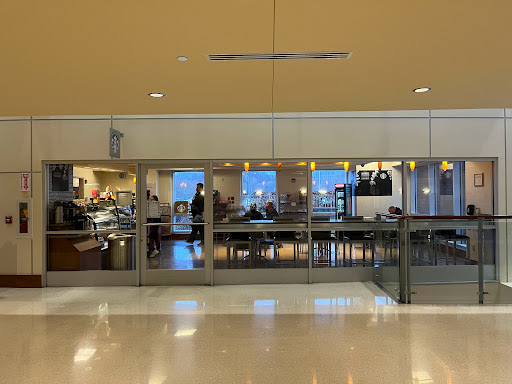
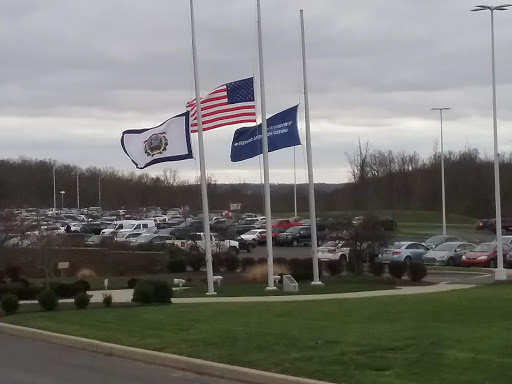
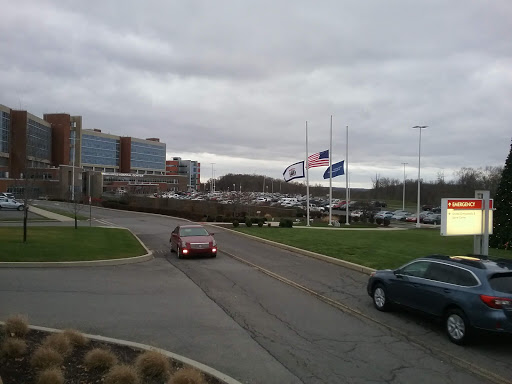
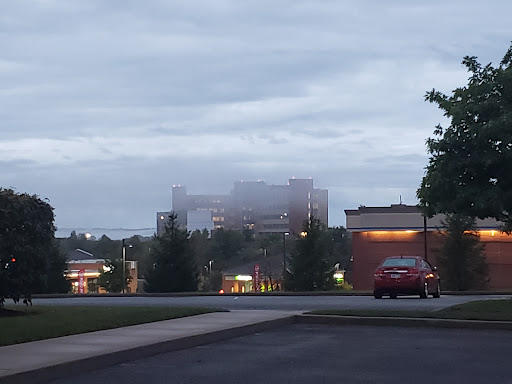
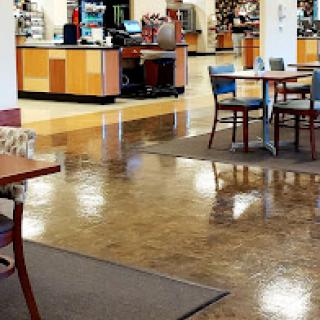
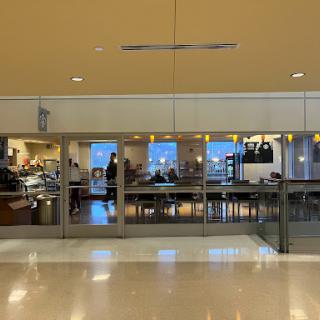
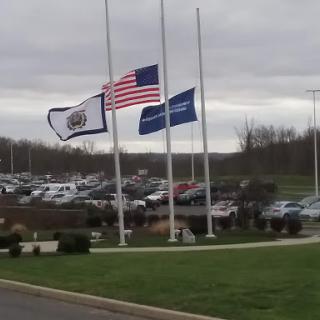
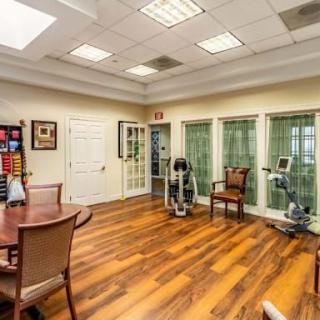
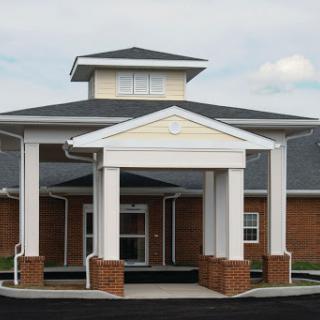
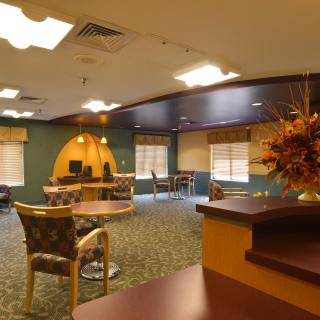
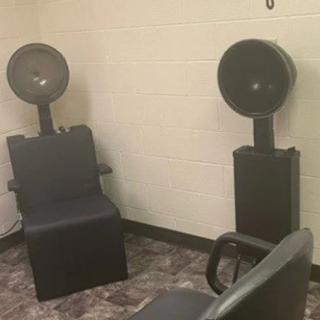
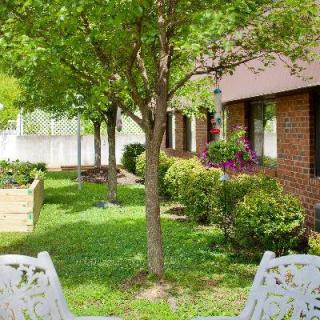
United Transitional Care Center on seniors.fyi includes 10 photos including images showing flag, parking, outdoor, dining, interior, seating area, building, healthcare, and more.
Nearby Communities
Assisted Living At White Oaks
Bridgeport, WV
4.6 from 29 reviews
Comprehensive 24/7 supervision with medication management, mental wellness program, and extensive on-site amenities.
Harmony at White Oaks
Bridgeport, WV
4.4 from 62 reviews
$3,621 to $4,923 / month
Friendly staff, clean, welcoming atmosphere with engaging activities.
Meadowview Manor
Bridgeport, WV
3.1 from 13 reviews
Comprehensive on-site amenities and 24/7 care.
Elison of Maplewood
Bridgeport, WV
3.9 from 53 reviews
$2,550 to $3,720 / month
Clean facility with friendly staff and engaging activities.
Bridgeport Health Care Center - Maplewood Drive
Bridgeport, WV
3.7 from 11 reviews
Broad amenities and comprehensive on-site care services.
River Oaks
Clarksburg, WV
2.7 from 31 reviews
Strong amenities and active social programs with transportation support.
St. Barbara's Memorial Nursing Home
Monongah, WV
4.3 from 35 reviews
Comprehensive 24/7 care with medication management, mental wellness program, and restaurant-style dining.
Pierpont Center at Fairmont Campus
Fairmont, WV
3.9 from 54 reviews
$3,354 to $4,790 / month
Nurses provide exceptional personal attention, with engaging activities and quality meals in a well-kept, welcoming setting.
Pleasant Acres Christian Haven
Fairmont, WV
4.8 from 6 reviews
Competent, caring staff who actively engage residents.
The article outlines strategies for keeping seniors' minds active through brain games and apps, highlighting the importance of cognitive exercises, social engagement, and a healthy lifestyle in combating cognitive decline. It emphasizes the benefits of various types of games and offers practical tips for maintaining mental wellness through enjoyable activities while acknowledging their limitations.
The VA Aid and Attendance program offers financial assistance to veterans needing help with daily activities due to health issues, available through a pension for low-income wartime veterans or an allowance for 100% disabled individuals. Eligibility depends on medical documentation of care needs and navigating guidelines about income and service history, with funds being usable for various healthcare-related expenses.
Get PricingAsk A QuestionSchedule A TourContact Senior Advisor
By clicking submit, you agree to our Partner's Terms of Use. You
also consent to receive calls and texts, which may be autodialed, from our Partner. Your consent is not a condition to
using our Partner's service. Please visit our Partner's Privacy Policy for information about their privacy practices.









 32 resident community capacity
 Skilled Nursing Facility
 Beauty salon
 Cable or satellite TV
 Dining room
 Fully furnished
 Garden
 Housekeeping services
 Kitchenette
 Move-in coordination
 Outdoor space
 Restaurant-style dining
 Small library
 Telephone
 Wi-Fi/high-speed internet available
 24-hour call system
 Activities of daily living assistance
 Assistance with bathing
 Assistance with dressing
 Assistance with transfers
 Diabetes diet
 Medication management
 Mental wellness program
 Special dietary restrictions
 Comprehensive 24/7 supervision with medication management, mental wellness program, and extensive on-site amenities.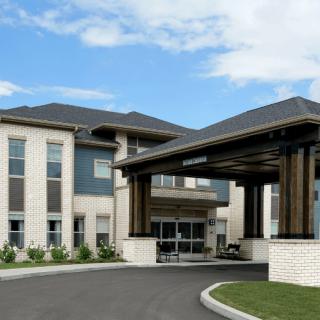

 Effective Strategies for Keeping Seniors' Minds Active: A Deep Dive into Brain Games and Apps
 In-Depth Look at the VA Aid and Attendance Program
 Nurturing Our Loved Ones: A Daughter's Journey in Caring for Her Mother