Clarksburg Nursing And Rehabilitation Center

Save
Clarksburg Nursing And Rehabilitation Center Clarksburg Nursing And Rehabilitation Center

Clarksburg Nursing And Rehabilitation Center

801 Davisson Run Road, Clarksburg, WV 26301

For more information about senior living options: (844) 490-3973

1.5 from 4 reviews
5 stars
0
4 stars
0
3 stars
1
2 stars
0
1 stars
3

Skilled Nursing Facility

Overall Review of Clarksburg Nursing And Rehabilitation Center

Pros

  • pro The staff at Clarksburg Rehab are friendly and have been very sweet to the resident's grandmother, showing genuine care.
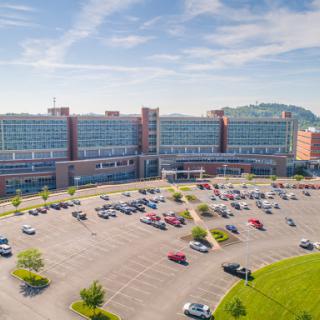
  • pro The facility is conveniently located close to the hospital, which is beneficial for any medical needs.
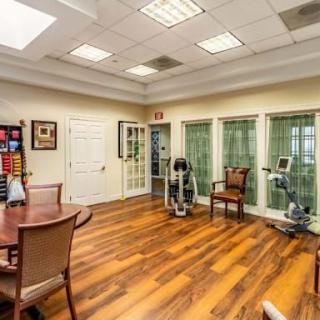
  • pro The rehab center is well-equipped to assist with rehabilitation needs, indicating a focus on effective recovery.
  • pro The facility maintains a clean environment, creating a pleasant atmosphere for residents.
  • pro Some of the CNA's and nurses demonstrate good skills and dedication, providing positive support to residents.

Cons

  • pro The facility does not provide adequate water to residents unless requested, creating a potential health risk for those who need to stay hydrated.
  • pro Staff members are not supplying snacks or supplements for residents, particularly concerning for diabetic patients who may require food to manage their blood sugar levels.
  • pro The company's focus appears to be on profit rather than the care of the residents, leading to inadequate staffing and insufficient attention to their needs.
  • pro The quality and quantity of meals provided are inadequate, with many meals deemed unfit for dogs.
  • pro Residents frequently experience long wait times for assistance after using call lights, sometimes waiting hours without a response.
  • pro Medical staff, including a physician and nurse practitioner, demonstrate negligence in attending to residents' medical needs in a timely manner.
  • pro Some staff members lack the appropriate training or attitude necessary for providing effective care to residents.
  • pro There were reports of improper COVID-19 protocols being followed within the facility.
  • pro There is a general perception that the administration has been dishonest with families regarding care issues.
  • pro Common facilities such as bathrooms are shared among multiple residents, which can detract from privacy and comfort.

Review

The experiences of family members regarding care facilities can vary dramatically, highlighting significant disparities in quality of services and patient care. In the case of one facility, serious concerns have been raised by a family member regarding the inadequate provision of basic necessities for residents. For instance, it was noted that water is not readily available to patients unless specifically requested. This lack of accessibility to hydration is particularly alarming for individuals who require a higher intake of fluids, like their relative, who drinks a considerable amount due to health needs. As such, the need for regular water access seems fundamental yet has become an additional burden on families who must advocate for their loved ones’ basic needs.

Similarly troubling issues arose surrounding meal provisions and dietary management, especially for residents with specific health conditions such as diabetes. Family members reported that snacks and supplements are not provided consistently and attributed this deficiency to the facility’s budget constraints imposed by its new management company. The implication here is stark: patients may be left unattended when they experience hunger or need immediate dietary intervention to manage blood sugar levels effectively. Such circumstances can have serious consequences for diabetic residents who depend on timely nutrition to maintain their health.

In addition to concerns about nutrition and hydration, family members pointed out severe deficiencies in staffing levels within the facility. Reports indicated that during meals, portions served were often insufficient—even described by one reviewer as unfit even for pets—leading to dissatisfaction among the residents. Furthermore, there were references made to cold or lukewarm meals being served particularly during evening hours and weekends when help was scarce. This situation paints a grim picture of meal services at the facility where nutritional adequacy takes a backseat to operational efficiency.

Strikingly alarming accounts emerged regarding emergency responsiveness from staff members; one resident recounted waiting 45 minutes for assistance after being placed on a bedpan—a seemingly basic necessity in any caregiving environment. Additionally, long delays were reported concerning responses to call lights, with some individuals suggesting that it could take hours before receiving help. Such negligence raises questions about the overall commitment of staff in ensuring timely care and support for residents within such facilities.

While many criticisms centered on inadequate care and staffing challenges, some positive reflections were shared about specific aides and nurses who demonstrated genuine compassion towards residents despite systemic issues present in the organization’s structure. However, it became evident that professionalism fluctuated greatly; some nursing staff appeared ill-equipped or unsuitable in their roles based on familial observations—a stark reminder that quality control remains crucial in healthcare environments reliant on human interaction.

Further compounding these issues was feedback pointing toward administrative dishonesty concerning safety protocols during COVID-19 outbreaks within the facility itself—a worrying sentiment considering how critical transparency is during health crises affecting vulnerable populations like those residing in rehabilitation centers. Issues with poor sanitation practices were also highlighted through reports about drinking water coming from bathroom sinks—a disturbing revelation underscoring potential risks associated with hygiene standards put forth by management.

As contrasting opinions also emerged from other family members regarding different facilities (for example, Clarksburg Rehab), it was noted that while certain places offered friendly interactions and an overall clean atmosphere conducive to recuperation spaces could still benefit from improved infrastructure—like sharing bathrooms between multiple residents—which presents its own set of challenges regarding privacy and convenience during recovery periods.

Ultimately, these reviews collectively reveal not just personal grievances but also larger systemic failures within eldercare facilities—ones that demand urgent attention if we are ever to truly focus on providing compassionate care tailored appropriately toward every individual’s unique medical requirements without compromising dignity or well-being in pursuit of profit margins alone.

Features

Housing

  • 98 resident community capacity 98 resident community capacity

Types of Care

  • Skilled Nursing Facility Skilled Nursing FacilitySkilled Nursing Facilities are crucial for seniors as they provide round-the-clock medical care, rehabilitation services, and assistance with daily activities. These facilities ensure that seniors receive the specialized care they need to maintain their health and well-being as they age.

Amenities

  • Air-conditioning Air-conditioningAir conditioning is important for seniors as they are more vulnerable to heat-related illnesses and may have underlying health conditions that make it difficult for them to regulate their body temperature. It helps to keep them comfortable, safe, and healthy in hot weather.
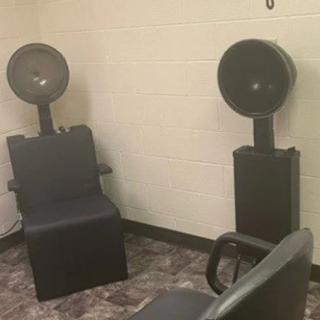
  • Beauty salon Beauty salonBeauty salons are important for seniors because they provide a space for them to feel pampered, socialize, and maintain their personal grooming and hygiene. Regular visits to a beauty salon can help boost seniors' self-esteem and overall well-being.
  • Cable or satellite TV Cable or satellite TVCable or satellite TV is important for seniors because it provides entertainment, news, and companionship, helping to combat loneliness and boredom. It also offers a wide range of programming options tailored to different interests and preferences.
  • Computer center Computer centerA computer center is essential for seniors as it provides access to technology, communication tools, and resources that can enhance their daily lives. It allows them to stay connected with loved ones, engage in online activities, and learn new skills, ultimately promoting socialization and mental stimulation.
  • Dining room Dining roomDining rooms are important for seniors as they provide a space for socialization, connection, and nutritious meals. They offer opportunities for residents to bond over shared meals, foster a sense of community, and promote healthy eating habits. Dining rooms also ensure that seniors have access to well-balanced meals tailored to their dietary needs and preferences.
  • Fitness room Fitness roomHaving a fitness room in a senior living community is essential for seniors to stay active, maintain their physical health, and improve their overall well-being. Regular exercise can help prevent falls, reduce the risk of chronic diseases, and promote mental sharpness. It also provides social opportunities for residents to connect with others and enjoy a sense of community.
  • Fully furnished Fully furnishedFully furnished senior living communities are important for seniors because they provide convenience, comfort, and a hassle-free moving experience. Seniors can easily settle into their new living space without the stress of having to buy and move furniture. This allows them to focus on enjoying their new home and community.
  • Gaming room Gaming roomGaming rooms are important for seniors as they provide a fun and engaging environment for socializing, cognitive stimulation, and physical activity. Games can improve memory, problem-solving skills, and overall mental well-being while fostering friendships and reducing feelings of isolation.
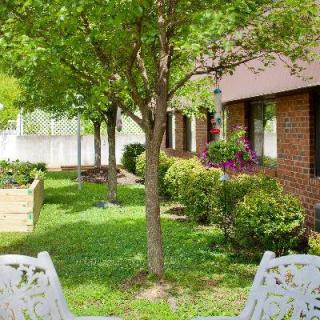
  • Garden GardenGardens are important for seniors as they provide a peaceful and therapeutic environment for relaxation, physical activity, and socialization. Being in nature has been shown to reduce stress, improve mood, and promote overall well-being. Gardens also offer opportunities for seniors to engage in gardening activities, which can improve mobility, flexibility, and cognitive function. Additionally, gardens create a sense of community and connection with others who share a passion for plants and outdoor spaces.
  • Housekeeping services Housekeeping servicesHousekeeping services are important for seniors because they help maintain a clean and safe living environment, promote independence, and reduce the risk of accidents or illnesses. Additionally, having assistance with household chores can alleviate physical strain and allow seniors to focus on other aspects of their well-being.
  • Kitchenette KitchenetteKitchenettes are important for seniors living in senior living communities because they provide the convenience and independence of being able to prepare simple meals and snacks in the comfort of their own living space. This can help promote a sense of autonomy and well-being for seniors, allowing them to maintain some level of control over their dietary choices and daily routines.
  • Move-in coordination Move-in coordinationMove-in coordination is important for seniors because it helps ease the transition into their new living environment. It ensures that all logistics, such as packing, organizing movers, and setting up utilities are taken care of, allowing seniors to focus on settling in and adjusting to their new home. Having a smooth move-in process can alleviate stress and anxiety, making the transition smoother and more enjoyable for seniors.
  • Outdoor space Outdoor spaceOutdoor spaces are important for seniors as they provide opportunities for physical activity, social interaction, exposure to natural light and fresh air, and a sense of connection to nature. Having access to outdoor spaces can improve overall well-being and quality of life for older adults living in senior communities.
  • Private bathrooms Private bathroomsPrivate bathrooms are important for seniors in senior living communities because they provide independence, dignity, and comfort. Having a private bathroom allows seniors to maintain their personal hygiene routines without the need for assistance, promoting a sense of autonomy and privacy. Additionally, private bathrooms help prevent the spread of infections and provide a safe and clean environment for seniors to navigate safely.
  • Restaurant-style dining Restaurant-style diningRestaurant-style dining is important for seniors because it allows them to enjoy delicious, nutritious meals in a social and upscale setting. This enhances their dining experience, promotes healthy eating habits, and fosters socialization with fellow residents, ultimately contributing to their overall well-being and quality of life.
  • Small library Small librarySmall libraries are important for seniors as they provide access to a variety of reading materials, including books, newspapers, and magazines. This can help stimulate their minds, keep them engaged, and provide a sense of community through book clubs and other social activities. Additionally, reading has been shown to improve cognitive function and overall mental well-being in older adults.
  • Telephone TelephoneTelephones are important for seniors as they provide a lifeline for communication with loved ones, emergency services, and healthcare providers. They offer a sense of security and independence, enabling seniors to stay connected and access assistance when needed.
  • Wellness center Wellness centerWellness centers are important for seniors because they offer a variety of programs and services that promote physical, mental, and emotional well-being. These centers provide opportunities for exercise, socialization, education, and relaxation, helping seniors maintain their overall health and quality of life.
  • Wi-Fi/high-speed internet available Wi-Fi/high-speed internet availableWi-Fi/high-speed internet is important for seniors to stay connected with loved ones, access online resources, and participate in virtual activities to combat feelings of loneliness and isolation. It also allows them to easily manage healthcare needs, access entertainment, and engage in lifelong learning opportunities.

Transportation

  • Community operated transportation Community operated transportationCommunity operated transportation is crucial for seniors as it provides them with the means to access essential services, social activities, and medical appointments. It allows seniors to maintain their independence and quality of life by ensuring they can participate in activities outside of their homes. Additionally, community-operated transportation services offer a safe and reliable way for seniors to travel without having to rely on family or friends for assistance.
  • Transportation arrangement Transportation arrangementTransportation arrangements are crucial for seniors as they may face challenges with driving, mobility, or access to public transportation. Having reliable transportation services ensures that seniors can easily attend appointments, social activities, and maintain their independence and quality of life.
  • Transportation arrangement (non-medical) Transportation arrangement (non-medical)Transportation arrangements are essential for seniors as they provide access to essential services, activities, and social interactions outside the home. This service helps maintain independence, mobility, and overall well-being for seniors who may have limited transportation options.
  • Transportation to doctors appointments Transportation to doctors appointmentsTransportation to doctors appointments is crucial for seniors as it ensures they have access to necessary medical care and support, promoting their health and well-being. It allows them to receive timely treatment, monitor existing conditions, and address any new health concerns efficiently. Additionally, transportation services can help seniors maintain their independence and quality of life by enabling them to stay connected with their healthcare providers.

Care Services

  • 12-16 hour nursing 12-16 hour nursing12-16 hour nursing care is crucial for seniors in order to ensure around-the-clock monitoring, timely medication administration, and prompt response to any health concerns or emergencies. This level of care helps to promote the overall well-being and safety of seniors living in senior living communities.
  • 24-hour call system 24-hour call system24-hour call systems are important for seniors because they provide peace of mind and immediate assistance in case of emergencies. This technology ensures that help is always available, promoting safety and security for elderly individuals living alone or in assisted living facilities.
  • 24-hour supervision 24-hour supervision24-hour supervision is important for seniors to ensure their safety, well-being, and access to immediate assistance in case of emergencies or health issues. This constant support provides peace of mind for both seniors and their loved ones, allowing them to age in place with dignity and security.
  • Activities of daily living assistance Activities of daily living assistanceActivities of daily living assistance are important for seniors because they provide essential support with tasks such as eating, bathing, dressing, and mobility. This assistance helps seniors maintain their independence, dignity, and overall quality of life as they age.
  • Assistance with bathing Assistance with bathingAssistance with bathing is crucial for seniors as it helps maintain personal hygiene, prevents infections, and ensures their overall well-being and comfort. It also provides a sense of dignity and independence for seniors who may struggle with this task on their own.
  • Assistance with dressing Assistance with dressingAssistance with dressing is important for seniors because it helps maintain their independence, promotes personal hygiene, prevents accidents and injuries, and improves overall quality of life. This service ensures that seniors can continue to dress comfortably and confidently, despite any physical limitations they may have.
  • Assistance with transfers Assistance with transfersAssistance with transfers is crucial for seniors as it helps prevent falls and injuries, maintains their independence, and ensures they can safely navigate their living environment. It also provides peace of mind for both seniors and their loved ones.
  • Diabetes diet Diabetes dietA diabetes diet is crucial for seniors as it helps manage blood sugar levels, reduce risks of complications, and improve overall health and well-being. By following a balanced and nutritious diet tailored to their specific needs, seniors can better control their diabetes and enhance their quality of life.
  • Meal preparation and service Meal preparation and serviceMeal preparation and service are crucial for seniors as they may have limited mobility or energy to cook nutritious meals. Having access to healthy and convenient food options can ensure they are getting the proper nutrition needed to maintain their overall health and well-being.
  • Medication management Medication managementMedication management is crucial for seniors to ensure they are taking the right medications at the correct dosages and times. This helps prevent adverse drug interactions, reduces the risk of medication errors, and promotes overall health and well-being. Proactive management also allows for adjustments as needed based on changing health conditions or new prescriptions.
  • Mental wellness program Mental wellness programMental wellness programs are essential for seniors as they promote cognitive stimulation, emotional support, and social engagement. These programs help prevent isolation, depression, and cognitive decline, ultimately enhancing the overall quality of life for older adults.
  • Special dietary restrictions Special dietary restrictionsSpecial dietary restrictions are important for seniors because age-related changes in metabolism and health conditions can make it difficult for their bodies to process certain foods. By following a diet tailored to their specific needs, seniors can maintain their overall health and well-being, manage chronic conditions, and reduce the risk of complications such as malnutrition or food interactions with medications.

Dining

  • Diabetes diet Diabetes dietA diabetes diet is crucial for seniors as it helps manage blood sugar levels, reduce risks of complications, and improve overall health and well-being. By following a balanced and nutritious diet tailored to their specific needs, seniors can better control their diabetes and enhance their quality of life.
  • Special dietary restrictions Special dietary restrictionsSpecial dietary restrictions are important for seniors because age-related changes in metabolism and health conditions can make it difficult for their bodies to process certain foods. By following a diet tailored to their specific needs, seniors can maintain their overall health and well-being, manage chronic conditions, and reduce the risk of complications such as malnutrition or food interactions with medications.

Activities

  • Community-sponsored activities Community-sponsored activitiesCommunity-sponsored activities are important for seniors as they provide opportunities for social interaction, mental stimulation, and physical activity. These activities can help improve overall well-being, combat loneliness and isolation, and promote a sense of belonging and purpose among older adults.
  • Concierge services Concierge servicesConcierge services are essential for seniors as they provide assistance with daily tasks and errands, enhance their quality of life by offering convenience and personalized care, and promote a sense of safety and security.
  • Fitness programs Fitness programsFitness programs are crucial for seniors as they help improve strength, flexibility, balance, and overall well-being. Staying active can reduce the risk of chronic diseases, improve mental health, and enhance quality of life in older adults.
  • Planned day trips Planned day tripsPlanned day trips are important for seniors because they offer opportunities for socialization, mental stimulation, and physical activity. They provide a change of scenery and help seniors stay engaged and connected to their community, promoting overall well-being and quality of life.
  • Resident-run activities Resident-run activitiesResident-run activities are important for seniors as they encourage social interaction, creativity, and a sense of autonomy. These activities empower seniors to stay engaged and active in their community while fostering meaningful connections with their peers.
  • Scheduled daily activities Scheduled daily activitiesScheduled daily activities are important for seniors because they provide structure, socialization, mental stimulation, and physical activity. Engaging in regular activities can improve overall well-being and quality of life for seniors living in a community setting.

Description

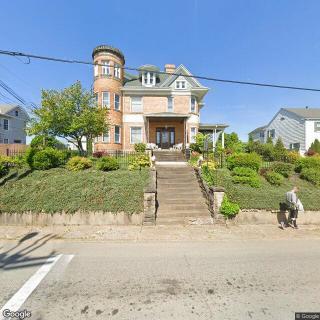
The Clarksburg Nursing and Rehabilitation Center, located in Clarksburg, WV, is a vibrant assisted living community that offers a wide range of amenities and care services to meet the needs of its residents. The facility provides a comfortable and homelike environment where seniors can enjoy their golden years with peace of mind.

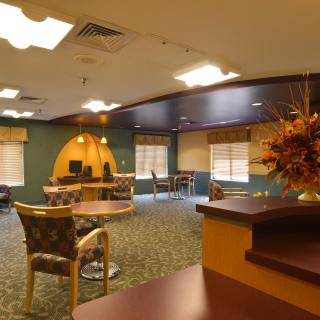
Amenities at this community include a beauty salon for residents to get pampered, cable or satellite TV in each room for entertainment, and community-operated transportation for convenient outings. There is also a computer center available for residents to stay connected with loved ones, as well as a fitness room and wellness center to promote a healthy lifestyle. The fully furnished accommodations offer private bathrooms and kitchenettes, ensuring comfort and convenience for each resident.

Dining at the Clarksburg Nursing and Rehabilitation Center is another highlight, as they provide restaurant-style dining with special dietary restrictions taken into consideration. Residents can enjoy delicious meals prepared by professional chefs.

Engaging activities are an integral part of life in this community. With concierge services available, residents have the opportunity to participate in fitness programs, planned day trips, resident-run activities, and scheduled daily activities. This ensures that there is always something exciting happening to keep residents active and socially engaged.

The convenient location adds further appeal to this assisted living community. There are several cafes, parks, pharmacies, physicians' offices, restaurants, places of worship nearby allowing easy access to various amenities outside the facility. Additionally, transportation arrangements can be made for non-medical purposes or medical appointments if needed.

Alongside its numerous amenities and activities, the care services provided are top-notch. With 24-hour call systems and supervision available, residents can feel secure knowing help is always within reach. Trained staff assist with activities of daily living such as bathing, dressing, and transfers when needed. Medication management ensures that all medications are taken correctly while following any special dietary restrictions or diabetes diets as required. Mental wellness programs are also implemented to promote emotional well-being among residents.

Overall, the Clarksburg Nursing and Rehabilitation Center offers a comprehensive and caring assisted living community for seniors in Clarksburg, WV. With its abundance of amenities, diverse activities, convenient location, and quality care services, it provides a comfortable and enriching environment for residents to age gracefully while maintaining their independence.

Nearby Places of Interest

This part of Clarksburg, West Virginia, offers a convenient location with multiple hospitals nearby including United Hospital Center and Richwood Area Community Hospital. There are also several places of worship for those seeking spiritual fulfillment, such as Harvest Time Ministries and Calvery United Methodist Church. Residents can enjoy a variety of dining options ranging from fast food chains like Burger King and Wendy's to local favorites like Gourmet Cafe and Mr. Taco. Additionally, there are pharmacies like Walgreens and Kroger Pharmacy for easy access to medication needs. For entertainment, there is a Cinemark Theatres nearby as well as parks like Lowndes Park and Clarksburg City Park for leisurely walks and outdoor activities. Overall, this area provides essential amenities and services that cater to the needs of seniors looking for a comfortable and convenient living environment in Clarksburg.

Hospitals

  • United Hospitalctr (0.4 miles)
  • Veteran Administration Medical Center (1.1 miles)
  • Richwood Area Community Hospital (2.3 miles)
  • Jeffery E. Gates, OD & Associates (5.1 miles)
  • Mcmillion, Dale Dr - United Hospital Center Emergency Medicine (8.7 miles)

Places of Worship

  • Harvest Time Ministries (0.5 miles)
  • Oak Mound Evangelical Church (1 miles)
  • Clarksburg Church of God (1.2 miles)
  • Calvery United Methodist Church (2.1 miles)
  • Church of God (2.1 miles)
  • Westside Church Of Christ (2.2 miles)
  • Light Of Life World Outreach (2.4 miles)

Restaurants

  • Burger King (0.5 miles)
  • Happy Garden Chinese Restaurant (0.6 miles)
  • Wendy's (2 miles)
  • Gourmet Cafe (2.4 miles)
  • Christine's Hot Spot Lounge (2.4 miles)
  • Mr. Taco (2.6 miles)
  • McDonald's (2.9 miles)

Physicians

  • Community Care Of Clarksburg (0.5 miles)
  • Crc Health Group (0.5 miles)
  • Health Access (2.2 miles)
  • Newman Keith M Dr Pdtrst (2.5 miles)
  • Physicians First Care (2.8 miles)
  • Medpointe Family Medicine (5.2 miles)
  • Mountain State Dermatology (5.2 miles)

Pharmacies

  • Walgreens (0.5 miles)
  • Kroger Pharmacy (2 miles)
  • Byard-Mercer Pharmacy (2.3 miles)
  • CVS Pharmacy (3.2 miles)
  • Town & Country Drug Store (3.7 miles)
  • Community Pharmacy of Bridgeport (6.1 miles)
  • The Prescription Shop (6.1 miles)

Transportation

  • Budget Rent A Car (2 miles)
  • North Central West Virginia Airport (CKB) (8.3 miles)

Parks

  • Lowndes Park (2 miles)
  • Clarksburg City Park (3.4 miles)

Cafes

  • My Mother's Daughter (2.4 miles)
  • Tim Hortons (5.2 miles)
  • Starbucks (5.4 miles)
  • Panera Bread (5.6 miles)
  • Almost Heaven Desserts (7.1 miles)
  • Winnie's (7.2 miles)
  • Stone Tower Brews (8.6 miles)

Theaters

  • Cinemark Theatres (6.8 miles)

Frequently Asked Questions

Where is Clarksburg Nursing And Rehabilitation Center?

Nearby Communities

Skilled Nursing Facility in Nearby Cities

Related Resources

  • what is hospice care at homeUnderstanding Hospice Care at Home: Comprehensive Services, Key Benefits, and Eligibility

    Hospice care at home provides specialized end-of-life support that focuses on comfort and dignity for individuals with life-limiting illnesses, offering a range of services including medical management, emotional and spiritual support, and logistical assistance tailored to the family's needs. It involves collaboration to create individualized care plans and extends to bereavement support after a loved one's passing.

  • how much does 24/7 in home care cost per monthUnderstanding the Full Cost of 24/7 In-Home Care: A Detailed Overview

    The guide outlines the rising costs of 24/7 in-home care, ranging from $10,000 to over $20,000 monthly, driven by factors such as location and caregiver qualifications. It discusses the limited coverage by Medicare and private insurance, potential Medicaid support, and the emotional and living condition considerations influencing families' decisions on care arrangements.

  • home health nurseExploring the World of Home Health Nurses: Qualifications, Roles, and Hiring Tips

    Home health nursing is an expanding field where licensed professionals provide specialized medical care in patients' homes, addressing the needs of an aging population through personalized services like assessments and medication management. Effective collaboration with healthcare teams, cultural sensitivity, and quality assurance measures are essential for fostering trust and ensuring positive patient outcomes.