Connolly Manor Assisted Living

Save
Connolly Manor Assisted Living

Connolly Manor Assisted Living

726 E Park Ave, Fairmont, WV 26554

For more information about senior living options: (844) 490-3973

4 from 49 reviews
5 stars
32
4 stars
3
3 stars
4
2 stars
0
1 stars
10

Assisted Living

Overall Review of Connolly Manor Assisted Living

Pros

  • pro The staff at this facility are awesome.
  • pro The therapists are very caring about residents, and the nurses are helpful in all needs; the complete staff is there for residents' needs 24/7.
  • pro The loved one has been treated with respect and loving care; direct-care providers have always ensured their needs and desires are met daily.
  • pro The nurses reach out to family immediately when there are concerns about health and welfare of those in their care.
  • pro The entire staff works tirelessly to ensure the best care possible.
  • pro The staff are extremely friendly and helpful.
  • pro The parents have been there for about 30 months, and their health has improved since arrival.

Cons

  • pro One reviewer warned others not to send a loved one there, stating they would decline in health.
  • pro Several reviews described the facility as severely understaffed, with no doctor on site.
  • pro Administrators were accused of lying, failing to communicate, and lacking professionalism.
  • pro Families reported that nurse calls were not answered promptly and information was not shared.
  • pro Residents were said to suffer bedsores, lose weight, be left in the same clothes for days, and have missing belongings.
  • pro There were reports of a persistent urine smell in the hallways and overall poor cleanliness.
  • pro One reviewer claimed a relative died there after a decline in health, attributing it to inadequate care.

Review

Pierpont Center is a place that elicits a divided impression. Across the many voices that spoke up, there is a steady thread of warmth and gratitude for the people who work there - the staff who are described as courteous, friendly, helpful, and informative, and a sense that some residents and families felt genuinely welcomed and cared for. Several reviewers praise the atmosphere and the personal attention they received, with repeated notes that the staff, from administrators to nurses, therapists, and aides, make an effort to be friendly and responsive. A number of families express relief and appreciation for staff who communicate about health and daily needs, and some residents themselves and their relatives speak of long-term care moments where they felt well-supported and listened to.

Yet alongside those positive experiences, there are very strong and specific criticisms that recur throughout the feedback. A number of reviewers recount alarming failures in care and communication that left loved ones vulnerable. One family recounted a grandmother's stay on IV antibiotics for six weeks, describing a progression from walking with a cane to ending up in a wheelchair, and alleging a severe, unresolved yeast infection, missing clothing, and the development of bedsores. The same review urged others plainly: "DO NOT let your family members stay here," reflecting a conviction that the facility did not meet basic standards of care and hygiene. In another case, a man's relatives described a rapid decline after what should have been a short rehabilitation stay for an uncle - pneumonia, a prior stroke, difficulty feeding, and a gradual loss of ability to recognize family. They alleged delays in necessary testing and communication about results, and they claimed their relative's belongings went missing after transfer out of the facility.

The thread of concern extends to operational and administrative shortcomings. Several reviewers criticized the administration for poor communication, lack of transparency, and unresponsiveness. There are explicit claims that staff did not share information, that calls were not returned, and that requests for medical or dietary oversight were not promptly addressed. In some accounts, family members described feeling ignored or dismissed when trying to advocate for better care or for hospital transfers when urgent needs arose. One review highlights a pattern where voices are raised by families to prompt appropriate service, with the implication that calm, standard channels failed to deliver adequate care.

Other stories center on daily life and routine care. A few reviewers underscore hospital-level expectations about meals and hygiene, noting inconsistencies: at times, hot meals are discussed as if they should be routine, while other accounts describe lapses in basic daily care - insufficient assistance with bathing, delays in medication administration, clothes going missing or being found in a degraded state, and concerns about infection control that included a pungent odor in hallways. There are mentions of daily activities or social engagement that miss the mark for some residents, and criticisms about hospice care and the frequency of staff interactions with families. One reviewer who visited from Arizona described a different environment, but the overarching tone in several accounts is that basic needs - hydration, nutrition, timely meds, and attentive supervision - sometimes went unmet.

Among the more pointed expressions of dissatisfaction, there are also concerns about staffing levels and professional oversight. Reviewers say there are not enough workers for the patient load, that staff are overworked, and that the absence of a physician on site or reliable medical oversight contributed to care gaps. One message bluntly warns against pursuing CNA training at the facility, suggesting a broader perception that the environment may not model professional standards or provide adequate support for staff development. There are also stronger personal statements - parents grieving, spouses reflecting on a loved one's decline - where the emotional weight of the experiences is clear. A family member who recently left the facility wrote of communication being the "KEY" and described services as lacking, with the implication that a more coordinated, respectful approach could have made a difference in outcomes.

Amid the mixed verdicts, a few reviews do stand out for their consistently positive framing. Some families celebrate the care team's empathy, the way nurses and aides have approached daily needs, and the sense that caregivers do their best to address concerns as they arise. In these accounts, family members report being kept informed by nurses about changes in health status and receiving timely updates on care plans. A recurrent appreciation centers on the people - the therapists, nurses, and administrative staff - whose dedication and approach have left a lasting impression of warmth and attentiveness, even in the face of challenging circumstances. A common sentiment expresses gratitude for caregivers who make an effort to know the patient's preferences and try to honor them, suggesting that when communication and staffing align with family expectations, the experience can feel markedly better.

Taken together, the collection of experiences at Pierpont Center presents a multifaceted picture. Some families emphasize the genuine care and kindness they encountered, praising staff who listened, updated them promptly, and provided compassionate support for loved ones. Other families, however, recount serious concerns about the quality and consistency of care, reporting missed medications, delays in responding to nurse calls, infection-related issues, decline in health, and troubling gaps in communication and patient monitoring. The differences across these stories point to a facility that can feel like a haven of friendly, personal attention in some moments, while at other times struggling with systemic issues such as staffing, oversight, and effective communication.

For families evaluating whether this is the right place for a loved one, the reviews urge careful due diligence. Before admission, it may be wise to inquire about daily physician coverage, medication administration routines, infection control practices, and the process for family updates and care planning. It may also help to discuss expectations around meals, daily activities, and the handling of personal belongings. While there are commendations for the dedication and kindness of many staff members, the strongest messages emphasize the need for ongoing improvements in administration, communication, and comprehensive medical oversight to ensure that the care delivered consistently meets the highest standards families expect for their loved ones.

Features

Types of Care

  • Assisted Living Assisted LivingAssisted living facilities provide crucial support and care for seniors who may need help with daily tasks such as medication management, bathing, and meal preparation. These communities offer a safe and comfortable environment where seniors can maintain their independence while receiving the assistance they need to thrive in their golden years.

Amenities

  • Activities on-site Activities on-siteActivities on-site are important for seniors because they provide opportunities for socialization, mental stimulation, physical activity, and overall well-being. Engaging in activities can help seniors stay active, maintain their independence, and improve their quality of life.
  • Devotional services off-site Devotional services off-siteDevotional services off-site are important for seniors as they provide spiritual nourishment, social engagement, and a sense of community outside of the senior living facility. This can enhance overall well-being and help combat feelings of isolation and loneliness often experienced by older adults.
  • Indoor common areas Indoor common areasIndoor common areas are crucial for seniors as they provide a space for socialization, recreation, and community engagement, promoting overall well-being and reducing feelings of isolation and loneliness.

Care Services

  • Ambulatory care Ambulatory care"Ambulatory care services provide essential medical support and treatment to seniors without requiring hospitalization, allowing them to maintain their independence and quality of life while managing chronic conditions or receiving routine medical care."
  • Diabetic care Diabetic careDiabetic care is crucial for seniors as they are more susceptible to developing diabetes due to aging and other health conditions. Proper management of diabetes can help prevent complications such as heart disease, vision loss, and nerve damage, improving the overall quality of life for seniors in senior living communities.

Dining

  • Meals provided Meals provided"Meals provided" are crucial for seniors in assisted living communities as it ensures they have access to nutritious, balanced meals without the stress of meal planning and preparation. This can help promote overall health and well-being for seniors who may have limited mobility or cognitive abilities.

Activities

  • Activities on-site Activities on-siteActivities on-site are important for seniors because they provide opportunities for socialization, mental stimulation, physical activity, and overall well-being. Engaging in activities can help seniors stay active, maintain their independence, and improve their quality of life.
  • Devotional activities offsite Devotional activities offsiteDevotional activities offsite are important for seniors because they provide social engagement, spiritual growth, and a sense of community outside of their living environment. This can improve overall well-being, mental health, and combat feelings of isolation or loneliness.

Description

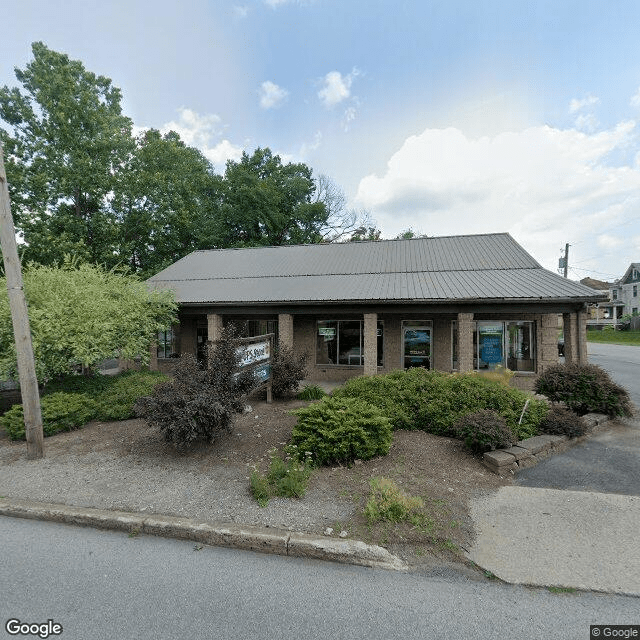
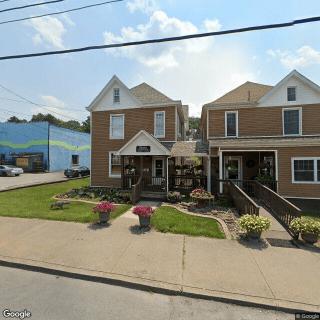
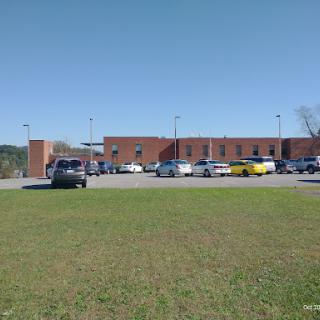
Connolly Manor Assisted Living in Fairmont, WV is a warm and inviting community that offers a range of amenities and care services to meet the individual needs of our residents. Our welcoming atmosphere provides a comfortable and homely environment for seniors to thrive.

At Connolly Manor, we understand the importance of spiritual well-being, which is why we offer devotional services off-site. Residents have the opportunity to engage in faith-based activities that align with their beliefs, fostering a sense of spiritual connection and fulfillment.

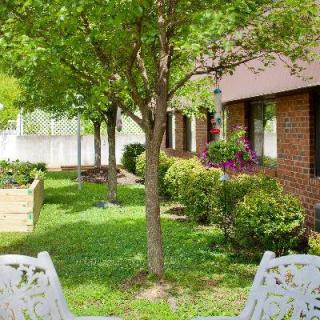
Our indoor common areas are designed to encourage social interaction and provide spaces for residents to relax, read, or enjoy leisure activities with their fellow members of the community. These areas are great for engaging conversations, playing games, or simply enjoying each other's company.

For those requiring diabetic care, our trained staff members are experienced in providing specialized assistance and monitoring blood sugar levels. We prioritize the health and well-being of our residents by offering personalized care plans that cater to their unique needs.

We believe in enriching the lives of our residents through various activities. Our devotional activities offsite offer opportunities for seniors to engage in meaningful religious experiences outside our community. This allows them to connect with their faith communities while maintaining an active lifestyle.

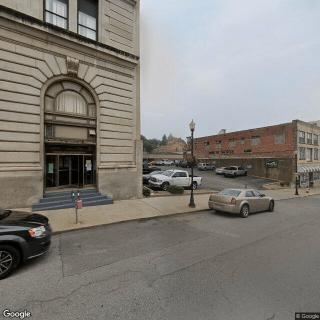
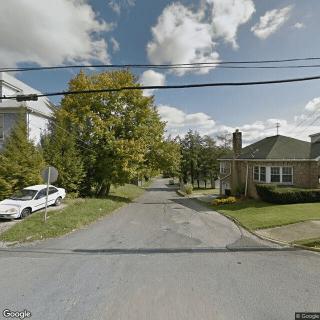
With numerous amenities nearby including cafes, parks, pharmacies, physicians' offices, restaurants, places of worship, and hospitals, residents have access to essential resources that enhance their convenience and quality of life. Whether it's grabbing a bite to eat at one of the many restaurants or enjoying nature in one of the local parks, there are plenty of options for recreation and relaxation.

At Connolly Manor Assisted Living in Fairmont, WV, we prioritize providing high-quality care while promoting independence and a sense of belonging within our community. We strive to create an environment where seniors can live comfortably while receiving the support they need for a fulfilling life.

Nearby Places of Interest

This part of Fairmont, West Virginia offers a convenient location with various amenities nearby. Within a short distance, there are multiple dining options such as Woody's Restaurant, Wendy's, and McDonald's. Additionally, there are pharmacies like Rider Pharmacy Cards & Gifts and The Medicine Shoppe Pharmacy for any medical needs. Nearby hospitals include the John Manchin Senior Health Care Center and the Fairmont General Hospital for easy access to healthcare services. For leisure activities, residents can visit Morris Park or Valley Falls State Park. With accessible physicians like WomanCare and Marion Medical Associates, seniors can ensure their medical needs are taken care of in this area. Overall, this part of Fairmont provides a comfortable living environment with essential services within reach.

Restaurants

  • Woody's Restaurant (0.2 miles)
  • Wendy's (0.3 miles)
  • McDonald's (0.3 miles)
  • KFC (0.4 miles)
  • Dairy Creme Corner (0.4 miles)
  • All Things Herbal Local Market (1 miles)
  • Papa John's Pizza (1.3 miles)

Hospitals

  • John Manchin Senior Health Care Center (0.5 miles)
  • West Virginia Department of Health and Human Resources (0.6 miles)
  • Fairmont Clinic (2.1 miles)
  • Fairmont General Hospital (2.2 miles)
  • Fairmont General Hospital (2.8 miles)
  • Grafton City Hospital (10.9 miles)
  • Mcmillion, Dale Dr - United Hospital Center Emergency Medicine (12.2 miles)

Pharmacies

  • Rider Pharmacy Cards & Gifts (0.7 miles)
  • The Medicine Shoppe Pharmacy (0.7 miles)
  • CVS Pharmacy (1.3 miles)
  • CVS Pharmacy (2.9 miles)
  • Pleasant Valley Pharmacy (3.1 miles)
  • White Hall Pharmacy (4.5 miles)
  • American Pharmacy (5 miles)

Cafes

  • Joe n Throw (1 miles)
  • Starbucks (12 miles)
  • Stone Tower Brews (12.1 miles)

Places of Worship

  • Everlasting Covenant Church (1 miles)
  • Southern Baptist Convention (2.7 miles)
  • Church of Christ (3.6 miles)
  • Whitehall Church of Christ (5.8 miles)
  • The Discipleship Center (7 miles)
  • Blueville Church-The Nazarene (10 miles)
  • Shinnston Nazarene Church (10 miles)

Parks

  • Morris Park (1.7 miles)
  • Valley Falls State Park (6.7 miles)
  • Valley Falls State Park (6.8 miles)
  • Fetterman Park & Pool (9.8 miles)
  • Mylan Park (11.9 miles)
  • Dorsey's Knob Park (11.9 miles)
  • Tygart Lake State Park (12.5 miles)

Physicians

  • WomanCare (2.9 miles)
  • Med Plus (3.1 miles)
  • Marion Medical Associates (3.2 miles)
  • Appalachian Spring Dermatology (3.4 miles)
  • Shalee Shumiloff, PA-C (4.6 miles)
  • Dr Robert Flint, DDS (5.1 miles)
  • Kristi Lafferty MSN CRNP-Dermatology Outreach (5.3 miles)

Frequently Asked Questions

Where is Connolly Manor Assisted Living?

Nearby Communities

Assisted Living in Nearby Cities

Related Resources

  • when to move from assisted living to memory careWhen to Transition from Assisted Living to Memory Care: Key Indicators, Steps, and Finding the Right Community

    Transitioning from assisted living to memory care is driven by an individual's cognitive decline and specific needs, requiring careful evaluation of indicators like increased confusion and wandering. The process involves consulting medical professionals, researching suitable communities, considering financial and legal aspects, and ensuring effective communication for personalized care plans.

  • assisted living vs memory careAssisted Living and Memory Care: Understanding Their Core Differences

    Assisted living provides moderate support for seniors seeking independence, while memory care offers specialized support for individuals with dementia or cognitive impairments through structured routines and trained staff. Key differences include care approaches, environment security measures, staff training levels, activity types, and cost considerations.

  • assisted living activitiesBeyond the Bingo Hall: 50+ Enriching Activities for Seniors in Assisted Living

    Assisted living communities offer diverse activities beyond traditional games to enhance seniors' physical health, cognitive well-being, emotional enrichment, and social connections, including fitness classes, creative expression, and intergenerational interactions. These enriching programs foster community bonds and support residents' independence and happiness.