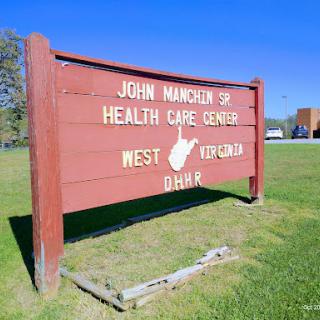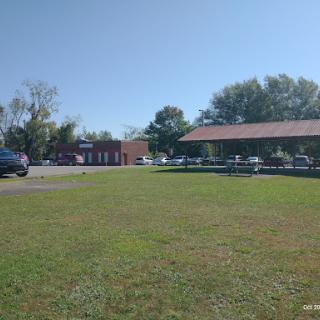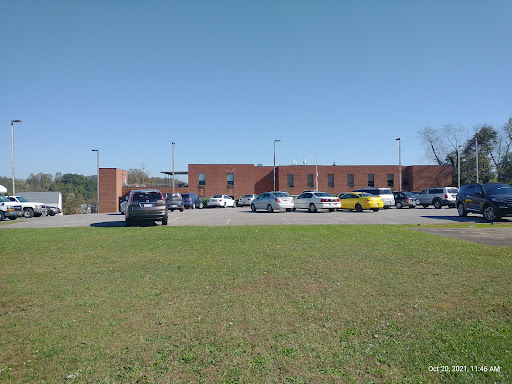
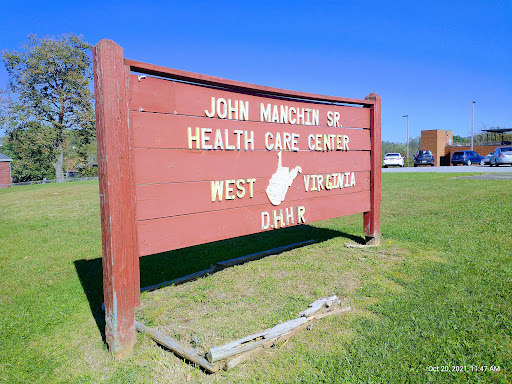
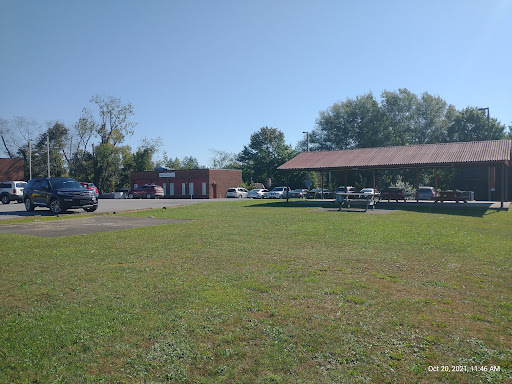
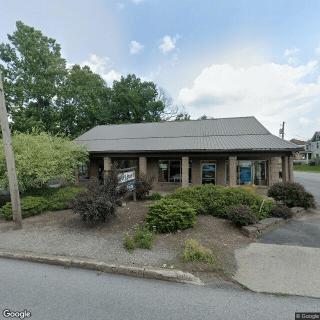
401 Guffey Street, Fairmont, WV 26554
For more information about senior living options: (866) 208-4318
Overall Review of John Manchin Sr Health Care Center
Pros
 The facility is wonderful and one of the cleanest around.
- The staff are absolutely amazing and treat residents like family in a close-knit environment.
- The activities department is great, always entertaining and interacting with residents.
- The John Manchin Center provides exceptional care, with staff who treat residents like family and show overflowing love and compassion.
- The center embodies a home-like approach to care, reflecting genuine dedication to its patients.
- The staff are warm and friendly and make patients feel welcome.
- For those without insurance, pricing is income-based and typically minimal, making care affordable.
Cons
 The receptionist was extremely rude.
- The receptionist cut the caller off in mid-sentence.
- Shame on him.
Review
John Manchin Sr Health Care Center in Fairmont is best suited for families seeking a warm, home-like environment where caregiving feels personal, resident-centered, and long-term stability is the norm. The community earns strong praise for its cleanliness, the staff’s willingness to treat residents as family, and a robust activities program that keeps residents engaged and socially connected. Several families describe the facility as a place where daily life is organized around meaningful interaction, not just medical tasks, and where end-of-life care is delivered with evident compassion. For families prioritizing a close-knit atmosphere, predictable routines, and a visible culture of kindness, this center offers a compelling fit. The overall rating sits around 4.1, with the vast majority of reviewers singling out top-tier personal warmth and attentiveness, which matters most when choosing a home for a loved one.
That said, there are reasons to consider alternatives. Prospective residents who demand flawless administrative responsiveness or a consistently polished front-desk experience may want to look elsewhere, given a singe experience of rudeness from a receptionist reported by one reviewer. While this is not the dominant pattern in the praise, it does signal that user experiences at the administrative edge can be uneven. Families with heightened expectations for front-office professionalism or with specific needs around memory-care programming should verify the facility’s capacity to deliver those services with the same smoothness seen in direct caregiving. In short, if administrative touch points are a high priority, perform an in-person visit focused on the reception and intake processes before deciding.
The core strengths of John Manchin Sr Health Care Center lie in the quality of care delivery and the daily lived experience of residents. Staff are consistently described as amazing, loving, and dedicated across roles, from nursing to administration, creating a genuine sense that residents are valued members of a community rather than just patients. The environment is repeatedly depicted as clean and organized, reinforcing comfort and safety. The activities department is praised for being entertaining and interactive, which matters for cognitive and social engagement and can slow the pace of decline for many residents. A notable thematic element is a bulletin-board motto that underscores a fundamental philosophy: “Our patients don’t live where we work; we work in their home.” That sentiment translates into visible, empathetic care that families can feel week after week.
Affordability and access concerns also surface in the reviews, and here the center makes a practical case for itself. One reviewer notes that if there is no insurance, the facility bases charges on income and typically charges a minimal amount, which can be a lifeline for families navigating limited resources. This kind of income-adjusted pricing can offset broader sticker shock associated with long-term care and may allow families to maintain care continuity without forcing abrupt lifestyle changes. It is not a public subsidy, but the pricing approach aligns with real-world needs for predictable budgeting. When coupled with high staff warmth and a sense of family, the affordability angle helps offset potential gaps in services that some families might expect from more clinical or luxury-oriented facilities.
Where the pros and cons intersect, the balance tilts toward a practical, decision-oriented conclusion. The dominant positives, exceptional staff warmth, genuine resident-family culture, cleanliness, and a strong, engaging activities program, offset some of the less consistent experiences at the administrative edge. The care experience itself, especially during challenging health periods, appears to be a clear strength, with families expressing deep gratitude for the staff’s compassion and for the safe, homelike atmosphere. The potential drawbacks are not about clinical capability or safety; rather, they center on occasional friction in customer-service interactions and uncertainties about the presence of certain specialized programs (notably memory-care specifics) that should be verified before placement. For families prioritizing heart-led care in a budget-conscious package, the tradeoffs are manageable.
Ultimately, a decision to choose John Manchin Sr Health Care Center hinges on fit rather than flawless symmetry. For families who value a home-like feel, consistent staff warmth, active living, and transparent, income-aware pricing, this center represents a solid, practical choice. It is especially compelling for long-term residents who benefit from daily social engagement and strong caregiver relationships, including those approaching end-of-life phases where comfort and human connection matter most. However, for those who cannot compromise on administrative polish, or who require assured access to specialized memory-care protocols, alternatives should be explored. A decisive next step is to schedule a thorough tour and conversation with admissions, focusing on three anchors: front-desk interactions, care planning for any memory-specific needs, and a clear, personalized understanding of monthly costs under the center’s income-based model. In doing so, families will determine whether the lived experience mirrors the favorable narratives and whether the tradeoffs align with their loved one’s values and health trajectory.
 41 resident community capacity
 Skilled Nursing Facility
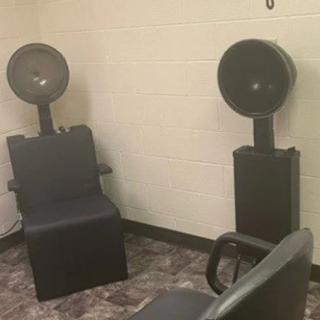
 Beauty salon
 Cable or satellite TV
 Dining room
 Fully furnished
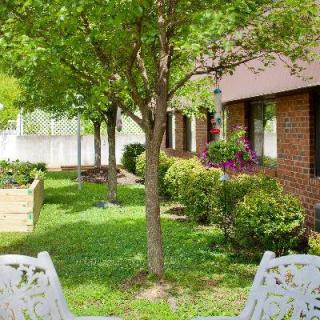
 Garden
 Housekeeping services
 Kitchenette
 Move-in coordination
 Outdoor space
 Restaurant-style dining
 Small library
 Telephone
 Wi-Fi/high-speed internet available
 24-hour call system
 Activities of daily living assistance
 Assistance with bathing
 Assistance with dressing
 Assistance with transfers
 Diabetes diet
 Medication management
 Mental wellness program
 Special dietary restrictions

 8 Essential Assistive Devices for Older Adults
 Navigating the Financial Road to Nursing Home Care: In-Depth Guidance and Resources
 Supportive Employee Benefits That Help Caregivers Attain Better Work-Life Harmony