

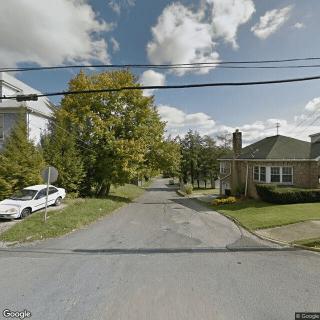
219 Locust Ave, Fairmont, WV 26554
To contact a resident: (304) 363-1399
For more information about senior living options: (866) 208-4318
Overall Review of Fitzwater's Chandler House II
Pros
 The facility is described as homey and distinct from other homes.
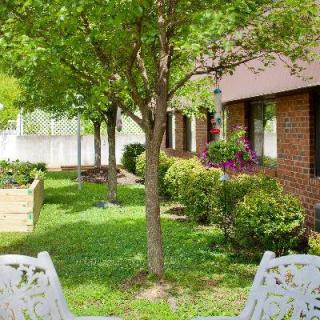
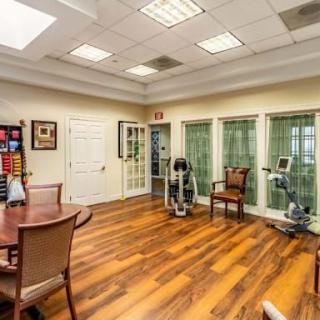
- It features beautiful facilities, large rooms, and comfortable surroundings.
- It feels like a home rather than an institutional environment, with friendly and attentive staff.
- It is recommended for loved ones, including the reviewer’s own parents.
- Married couples can stay together, and there are resident cats, adding charm.
- Don is praised for exceptional care and compassion, and the facility is endorsed for wonderful care of loved ones.
Review
Fitzwater's Chandler House II in Fairmont is best suited for seniors who want a warm, home-like environment and for couples who insist on staying together. The community projects a sense of domestic comfort rather than the formality of many assisted-living campuses. Large, well-appointed rooms, easy circulation, and décor that feels residential translate into daily life centered on familiar routines, accessible socialization, and staff that appears engaged and attentive. For families seeking a setting where residents aren’t funneled into a clinical box, this facility checks crucial boxes: companionship, dignity, and a genuine sense of belonging.
Who may want to consider alternatives? For seniors who require higher levels of medical management, frequent skilled nursing, or intensive rehab services on a daily basis, this environment may fall short. The homey ambience can feel less structured to those who prefer a highly scheduled program with robust clinical oversight. Allergy-prone visitors or residents who dislike animals should note that resident cats are part of the culture, which can be a pro or a con depending on personal preferences. Families prioritizing expansive activity calendars, on-site physical therapy, or a larger campus with more specialists might find stronger options elsewhere.
On balance, the strongest positives center on atmosphere and social warmth. The large rooms and beautiful facilities support comfortable daily living without the stiffness associated with institutional settings. Staff are described as friendly and attentive, building trust through consistent, personable care. The policy that married couples can stay together removes a common source of stress, and the presence of resident cats adds a homey touch that many families value for companionship. Taken as a whole, the sense that “this is a lovely place” resonates, making it easy to see why families would choose Chandler House II over more impersonal environments.
Yet the narrative is not without friction. The rating mix includes a couple of one-star opinions, signaling that experiences can diverge and that the facility is not universally the right fit. The reviews don’t reveal systemic failures, but they remind that not every resident will prioritize or tolerate the same balance of hominess and clinical readiness. For families with expectations of aggressive medical programming, frequent physician rounds, or extensive therapy services on-site, the homey setting may feel under-resourced. The size and model, small-scale, person-centered, can limit the breadth of services compared to larger campuses, a critical consideration when planning future care needs.
In practice, the positives offset the drawbacks for those who prize community, personalization, and the comfort of a true home. The intimate environment fosters meaningful connections, easing transitions for new residents and reducing stress for spouses who want to stay together. Staff attentiveness translates into reliable day-to-day support for activities of daily living, while the couple-friendly policy and resident cats enhance mood and social engagement. The principal trade-off, less formal medical infrastructure, lines up with stable health needs where 24/7 clinical intervention isn’t the primary requirement.
Families evaluating Fitzwater's Chandler House II should enter with a clear picture of personal priorities: companionship and a home-like routine versus depth of clinical services. Schedule a visit to observe staff interactions, ask about staffing ratios, and review the exact scope of care offered (ADL assistance, medication management, wellness checks, rehab options). Verify how often medical staff are on-site, and what happens when health changes arise. Confirm the couple-compatibility, pet policy, and any cost questions upfront. When those factors align with a preference for a warm, domestic setting and flexible, person-centered care, this community delivers; when the priority is robust medical intensity or a large, program-dense campus, alternatives should be pursued.
 Assisted Living
 Activities on-site
 Devotional services off-site
 Indoor common areas
 Ambulatory care
 Diabetic care
 Meals provided



 Funding and Affording Assisted Living: A Thorough Overview
 Assisted Living Expenses and Long-Term Care Insurance: A Comprehensive Exploration
 Securing Financial Support for Assisted Living: A Comprehensive Overview