
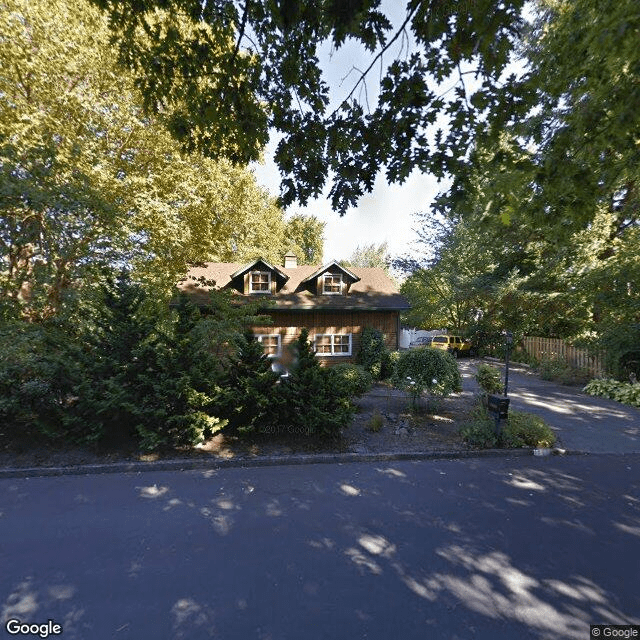
1003 Manzanita Way, Vancouver, WA 98661
To contact a resident: (360) 750-4469
For more information about senior living options: (866) 208-4318
Overall Review of Loving Care AFH
Pros
 The environment is very welcoming.
- The owner provided a detailed tour of the facility and shared a list of services available.
- They feel very safe at the place.
- Her husband's stay has been wonderful.
- The staff are incredibly attentive and caring, and they ensure he receives the care he needs.
Review
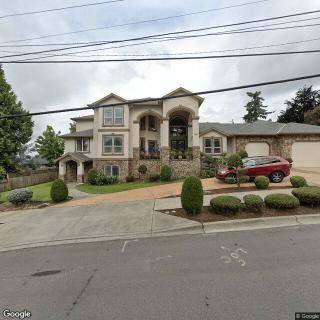
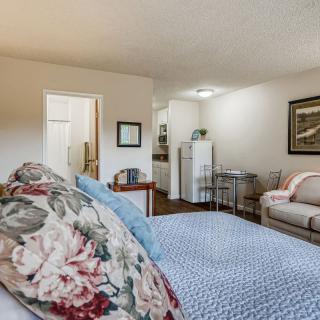
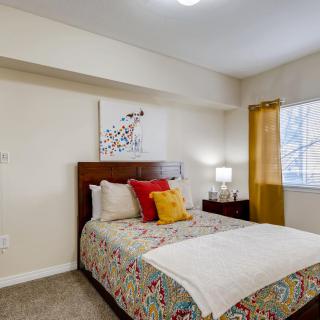
Loving Care AFH in Vancouver, WA is best suited for seniors who want a small, home-like assisted living environment where care is personal, consistent, and tightly overseen by the owner. Families seeking reassurance through direct, hands-on management will appreciate how a detailed tour of the facility is paired with a clear outline of services. This community shines for residents who prize safety, a welcoming atmosphere, and practical, budget-conscious care planning. The setting feels intimate and approachable, which minimizes the impersonality often found in larger buildings. For someone who wants to see exactly who is looking after mom or dad and how daily needs will be met, Loving Care AFH delivers.
Across multiple experiences, the strongest advantages land on the staff’s attentiveness and the sense of being genuinely cared for. Reviewers repeatedly note the incredibly attentive, caring caregivers who stay focused on the resident’s specific needs, from daily living tasks to emotional well-being. The owner’s involvement during tours signals a level of accountability that translates into reliable, day-to-day support. Equally important, the facility demonstrates flexibility on finances, staff can work with a family’s budget and payment situation, so that care plans stay consistent without sudden financial stress. That combination, compassionate care plus practical cost management, drives steady trust from families who rely on this home.
Yet the model has limits that matter when needs evolve. As a smaller, family-run AFH, it naturally cannot replicate the wide-scale medical oversight or specialized programming found in larger assisted living or memory care communities. Residents with high-acuity medical requirements, complex nursing needs, or dementia care that calls for structured, staff-intensive routines may outgrow this environment. There may be fewer on-site clinicians, rehab options, or memory-care corridors, and transitions to more medicalized settings could become necessary if care demands rise. For seniors who anticipate needing regular rehab services or robust on-site medical support, alternatives with dedicated clinical teams deserve serious consideration.
Nevertheless, the core pros offset many potential drawbacks for the right resident. The intimate setting fosters easy communication with caregivers and family, while the staff’s attentiveness helps prevent neglect or gaps in basic care. The home-like atmosphere supports dignity and comfort in ordinary days, which can be more meaningful for staying at ease than a larger, impersonal facility. Budget sensitivity is a practical strength here: the ability to tailor payments and adjust services as needs change reduces the risk of being locked into rigid, unaffordable contracts. In practice, those factors often translate into steadier routines and greater peace of mind for families who value continuity of care over grand amenities.
For families deciding, a clear checklist should guide the visit: confirm staffing patterns and on-call coverage, verify what is included in the monthly rate, and ask how care plans are created, updated, and documented. Inquire about meals, housekeeping, transportation, and the availability of activities that suit the resident’s interests. Request direct references from current residents or families and observe how staff respond to a tour visitor’s questions. The consensus points to a consistently warm, transparent operation; use that as a baseline, but expand the inquiry to ensure the facility’s capabilities align with potential future needs.
In sum, Loving Care AFH is an excellent match for seniors who value a warm, personal, budget-conscious living arrangement in a small community. It excels where relationship-building and reliability trump size and polish. Those who require intensive medical oversight, dementia-specific programming, or expansive rehab options should explore larger communities or specialized homes as alternatives. A deliberate site visit, candid conversations about care plans, and a short-term trial if possible will reveal whether this home meets the resident’s current and near-term needs. When alignment exists, families gain a trusted partner that makes daily care feel like a supported, shared commitment rather than a financial contract.
 Board and Care Home
 Portland International (3 miles away)


 Understanding the Nuances of Palliative Care and Hospice: A Comprehensive Exploration
 Fecal Incontinence in Older Adults: A Comprehensive Guide
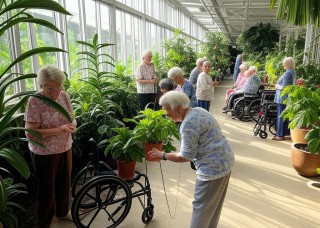 Nurturing Well-Being Through Gardening: A Detailed Guide for Senior Enthusiasts