
986 South West Rock Creek Drive, Stevenson, WA 98648
For more information about senior living options: (866) 208-4318
Rock Cove Assisted Living Costs & Pricing
Rock Cove Assisted Living offers competitive pricing compared to the broader market in Skamania County and the state of Washington. For a studio unit, residents at Rock Cove can expect to pay $2,710 per month, significantly lower than the county average of $3,273 and the state average of $4,126. Similarly, for one-bedroom accommodations, Rock Cove's monthly rate of $3,180 is also more affordable than both the county's average of $3,770 and Washington's average of $4,632. This favorable pricing positions Rock Cove as an attractive option for individuals seeking quality assisted living services without the financial strain often associated with higher-cost facilities in the region.
| Floor plans | Rock Cove Assisted Living | Skamania County | Washington |
|---|---|---|---|
| Studio | $2,710 | $3,273 | $4,128 |
| 1 Bedroom | $3,180 | $3,770 | $4,634 |
Overall Review of Rock Cove Assisted Living
Pros
 Rock Cove is a great place for loved ones to live.
- The staff are welcoming, caring, and genuine.
- There isn't a better place.
- Rock Cove was exceptionally good.
- The rooms and apartments were excellent.
- The quality of care and the caregivers were excellent.
- The food at Rock Cove was amazing.
Cons
 The facility is not equipped to really care for residents with dementia.
- Residents with dementia will need to be moved at some point.
- Some staff are not up to standard, which lowers the review to three stars.
- The facility cannot do what's necessary for someone with severe dementia and needs a memory care unit.
- A resident had to be moved because dementia progressed to a stage requiring memory care for safety and security.
Review
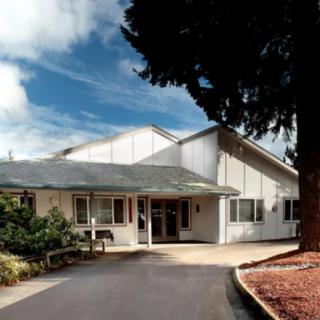
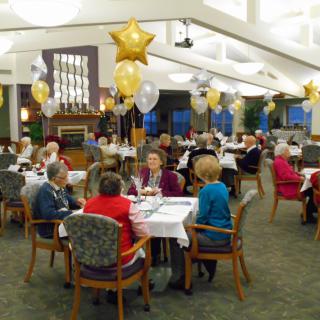
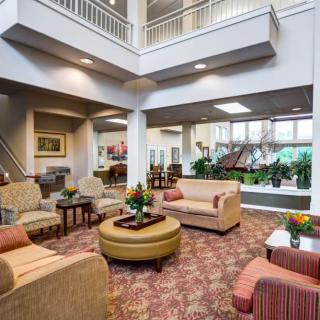
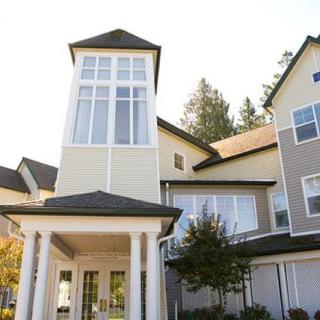
Rock Cove Assisted Living in Stevenson, Washington, is best suited for seniors who want a refined assisted-living experience with genuinely engaged staff, well-appointed living spaces, and reliable dining, provided memory care needs are not the primary consideration. Families seeking a vibrant, home-like environment with consistent kindness from caregivers will find the staff’s warmth and attentiveness a standout feature. The combination of roomy apartments and a restaurant-grade dining program creates a strong sense of value for residents who are still largely independent but welcome daily assistance and social engagement. For those who prize stability, personalized attention, and attractive common spaces, Rock Cove delivers where it counts most.
Those with evolving memory-care needs should think carefully before committing. The facility holds a dementia license, yet multiple voices in the reviews indicate it is not equipped to provide secure, long-term care for residents with advanced dementia. The practical implication is a likely transition to a dedicated memory-care environment as the disease progresses, resulting in relocations that families often want to avoid. This reality makes Rock Cove a less suitable match for individuals expecting to stay in place through severe cognitive decline. Alternatives with dedicated memory-care units may offer greater safety and specialized programming for late-stage dementia.
On the upside, the strongest draw is the quality and consistency of the care team. Reviewers repeatedly highlight welcoming, caring, and genuine staff who go the extra mile in day-to-day interactions. The rooms and apartments receive high praise as well, described as top-tier and well designed for comfort and practicality. Caregivers are frequently cited as capable and attentive, contributing to a perception of reliable daily support. Food emerges as another standout, with a menu that can accommodate dietary restrictions, such as diabetes management, without sacrificing flavor. This combination creates a solid day-to-day living experience for residents who don’t require memory-guarded supervision.
Nevertheless, a reviewer or two notes variability among staff performance, signaling that not every team member meets the same high standard. That caveat matters because consistency is crucial in assisted living, where daily routines and safety hinge on reliable, well-trained personnel. The practical impact is modest for most residents, given the overall warmth and competence described, but it remains a lived reality that some shifts may feel less seamless. The possible need to move a loved one away from the community for memory care remains a meaningful con for families who want to avoid disruptions.
The pro-con balance, for most families, tilts toward the favorable side when dementia is not a central concern. The promise of roomy, well-kept living spaces paired with exceptional dining and consistently courteous care provides a high quality of life that can offset occasional staff variance. For families not yet facing memory-care demands, Rock Cove represents a compelling option: a polished environment where residents can sustain a comfortable routine, socialize actively, and receive dependable assistance. The key decision point remains: how soon memory care may be needed and whether a secure memory-care transition is anticipated.
In practical terms, this community shines for movers seeking a high-standard assisted-living experience with outstanding personal interaction and an inviting daily atmosphere. Prospective residents should enter with clear expectations about dementia progression and memory-care availability, and plan around a potential transition path if cognitive needs escalate. Tours should probe for specifics on how memory care is handled if required, request recent staff training and turnover information, and taste-test the dining program while reviewing dietary accommodations. When memory-care needs are not imminent, Rock Cove stands out as a well-regarded, comfortable, and engaging home that families can confidently consider as part of a thoughtful care plan.
 36 resident community capacity
 1-bedroom apartments
 Assisted Living
 Memory Care
 Respite Care
 Activities on-site
 Beautician on-site
 Cable or satellite TV
 Devotional services off-site
 Dining room
 Fully furnished
 Garden
 Hiking trails
 Housekeeping services
 Indoor common areas
 Kitchenette
 Laundry
 Move-in coordination
 Outdoor space
 Restaurant-style dining
 Small library
 Spa
Spa Telephone
 VA Benefits Consultation
 Wi-Fi/high-speed internet available
 Transportation & parking
 24-hour call system
 Ambulatory care
 Assistance with bathing
 Assistance with dressing
 Assistance with transfers
 Diabetes diet
 Diabetic care
 Hospice care
 Medication management
 Mental wellness program
 Special dietary restrictions
 Educational speakers / life long learning
 Games
Games Live musical performances
 English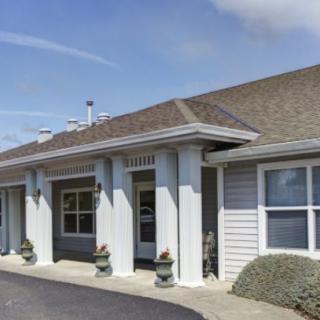



 Exploring the Power of Reminiscence Therapy for Individuals With Dementia
 An In-Depth Look at Reminiscence Therapy in Dementia Care
 Dementia-Related Hallucinations: Causes, Experiences, and Practical Approaches