
1550 Brookside Drive, Hood River, OR 97031
For more information about senior living options: (866) 208-4318
Overall Review of Providence Brookside Manor
Pros
 The staff is caring and really great at their jobs of caring for elderly folks.
- Brookside is considered a very nice facility by the reviewers.
- Providence Brookside Manor did a very good job caring for residents.
Cons
 The mom was evicted due to staffing issues, making a safe transfer impossible.
- “Assisted” seemed to mean the staff were only trained to help, implying inadequate support.
- Many residents need help moving and showering, creating a very stressful environment for Alzheimer patients to change routines.
- The lunch is abominable and virtually devoid of nutritional value.
- Paying $6,000 per month is criticized as excessive for the quality of care and food.
- The reviewer felt the facility did not care for or respect its seniors.
Review
Providence Brookside Manor in Hood River is best suited for families that prize a warm, hands-on care culture and a home-like environment for a loved one who needs regular assistance and some memory-care support, even if that support comes with variability in service quality and a premium price. The facility earns points for a tangible sense of care from staff and a setting that feels less institutional than some rivals. Yet the mix of experiences across family reports cautions that warmth alone does not guarantee smooth daily life, and the realities of staffing gaps can undermine safety and routine when a loved one relies on consistent support.
For those weighing alternatives, Brookside should be cross-checked against every option that promises dependable transfers and ongoing safety for residents with mobility or cognitive challenges. If safety in transfers is non-negotiable, if the loved one requires frequent, predictable assistance with bed mobility and showering, or if dementia care demands rock-solid staffing ratios and clear escalation paths, broader market options may deliver more peace of mind. Similarly, families that cannot tolerate meals and dining expectations that consistently miss the mark should consider communities with demonstrably higher culinary quality and menu responsiveness.
The strongest positive signals in Brookside’s profile are tangible: caregivers who are described as caring and genuinely capable, and a facility atmosphere that feels welcoming. Where some families saw excellence in bedside attentiveness and day-to-day compassion, the staff’s ability to form real connections appears to be the core strength. Those phrases about staff really caring for elderly residents create a counterweight to the more problematic notes and help explain why Brookside remains a viable choice for certain loved ones. Yet the good care is not a universal guarantee, and it sits alongside more troubling risks that cannot be dismissed.
The most disruptive concerns center on safety and consistency. A painful thread runs through the feedback: a resident was evicted because transfers could not be performed safely, underscoring how staffing gaps translate into real, concrete risk for people who require hands-on help with transfers and routine care. That kind of incident alters the calculus entirely, because it signals not merely a hiccup but a fundamental workflow problem. Coupled with reports that dining quality ranges from adequate to poor, and with price at about six thousand dollars a month, the equation becomes hard to justify for families seeking predictable, stress-free daily living for someone with significant needs.
Meal quality matters as more than just taste, it speaks to overall satisfaction and quality-of-life. One reviewer described the lunch as abominable, while another noted the dining room was adequate but not particularly appealing. In a setting where residents eat multiple times daily, food becomes a meaningful element of joy and routine; when it falls short, it compounds existing concerns over staffing and safety. The cost is nontrivial, and without consistently high dining standards, the value proposition weakens for families who are weighing reputable care against budget realities.
For families already leaning toward Brookside, a disciplined due diligence plan can tilt the odds toward a better outcome. Insist on detailed, current staffing metrics for the memory-care unit, ask to observe transfers during a shift change, and request candid conversations with frontline caregivers. Seek a current menu and tasting options, and probe how dietary needs are managed for residents with cognitive impairment. If possible, tour at different times of day to gauge how routines are maintained and whether family-style dining or structured supervision is evident. Clarify eviction policies and response protocols for any escalation in care needs, and compare these policies against nearby alternatives with stronger safety records and more consistent food quality.
Bottom line: Providence Brookside Manor offers a caring staff and a homelike setting that can support a loved one who needs regular assistance, but the trade-off is notable. Staffing fragility and safety concerns, coupled with mixed dining quality and a high price point, mean this community will be a fit only for families willing to accept a degree of risk in exchange for warmth and personal attention. Those requiring unwavering transfer safety, highly consistent routines, and robust culinary standards should look elsewhere. A careful, fact-based evaluation, focusing on current staffing levels, transfer capabilities, and menu responsiveness, will determine whether Brookside is the right short- or mid-term home, or if alternatives promise greater steadiness for the same investment.
 24 resident community capacity
 Assisted Living
 Beauty salon
 Cable or satellite TV
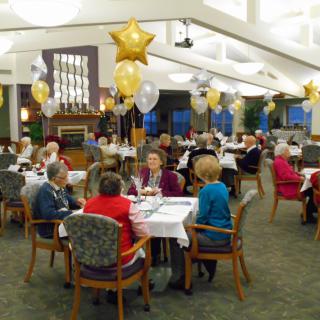
 Dining room
 Fully furnished
 Garden
 Housekeeping services
 Kitchenette
 Move-in coordination
 Outdoor space
 Telephone
 Wi-Fi/high-speed internet available
 24-hour call system
 Activities of daily living assistance
 Assistance with bathing
 Assistance with dressing
 Assistance with transfers
 Diabetes diet
 Meal preparation and service
 Medication management
 Mental wellness program
 Special dietary restrictions
 Transportation arrangement (medical)
 Transportation to doctors appointments






 Choosing the Right Senior Care: A Detailed Exploration of Assisted Living and Nursing Homes
 Understanding the True Cost of Assisted Living in 2025: A Comprehensive Guide
 Understanding Medicaid Coverage for Assisted Living: A Comprehensive Guide