
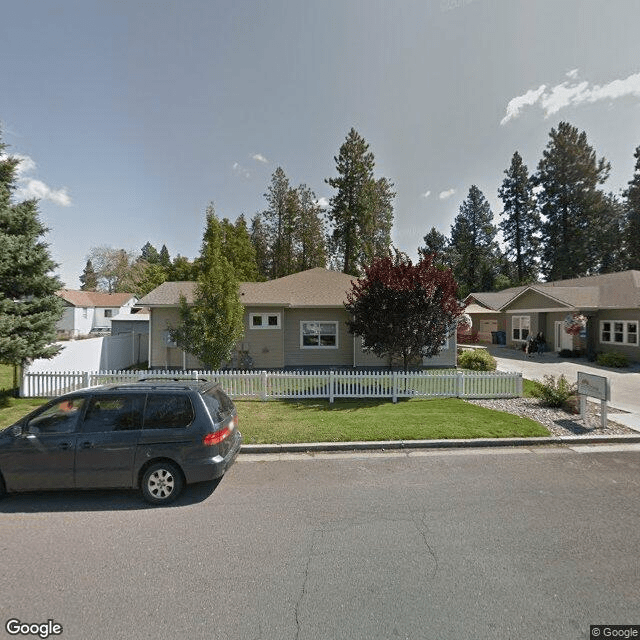
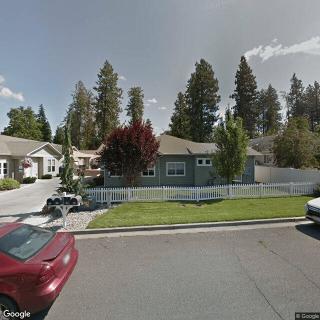
915 S Raymond Rd, Spokane Valley, WA 99206
To contact a resident: (509) 413-1540
For more information about senior living options: (866) 208-4318
Sunshine Adult Family Home III Costs & Pricing
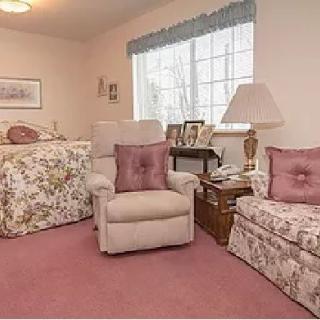
Sunshine Adult Family Home III offers competitive pricing for its residents, with both private and semi-private room options available at a cost of $4,000 per month. This rate is particularly appealing when compared to the average costs in Spokane County, where private rooms are priced at approximately $4,111 and semi-private rooms at $3,863. Additionally, Sunshine's rates are significantly lower than the statewide averages in Washington, which sit at $4,772 for private accommodations and $4,267 for semi-private ones. This makes Sunshine Adult Family Home III a financially attractive option for those seeking quality care within the local community.
| Floor plans | Sunshine Adult Family Home III | Spokane County | Washington |
|---|---|---|---|
| Private | $4,000 | $4,111 | $4,774 |
| Semi-Private | $4,000 | $3,863 | $4,272 |
Senior living communities with a similar price nearby
-
from +$245 / mo

The Gallery at Spokane
$4,245 to $5,850 / month4.8 miles away -
from +$300 / mo
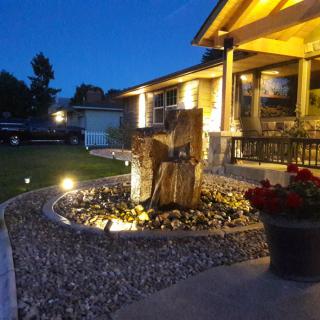
Valley Pines Retirement Home
$4,300 / month2.0 miles away -
from -$500 / mo
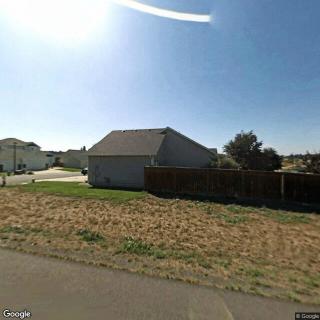
Mary Ann's Home Care
$3,500 to $4,000 / month9.9 miles away -
About the same
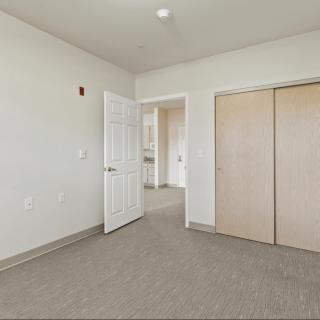
Legends Park Assisted Living Community
$4,025 to $5,950 / month21.9 miles away -
from -$400 / mo
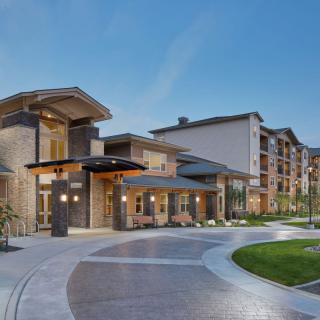
Courtyard At Coeur d'Alene
$3,600 / month24.2 miles away
Overall Review of Sunshine Adult Family Home III
Pros
 The Sunshine caregivers were loved and appreciated by the family for their care and compassion.
- They treated Grandma D with family-like warmth and respect.
- They ensured Grandma D was comfortable and collaborated with Hospice to provide a peaceful end-of-life transition.
- Misty, Pam, Courtney, Sarah, and McKenzie were thanked for their kindness and dedication.
- Grandma D was blessed to have such caring people in her life.
Review
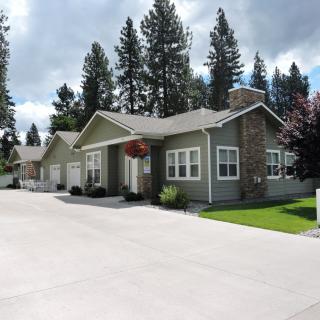
Sunshine Adult Family Home III in Spokane Valley, WA is best suited for families seeking an intimate, home-like setting where caregiving is highly personalized. This community tends to reward residents whose needs can be met through close staff attention, consistent daily routines, and a sense of family atmosphere rather than a clinical pace. For families prioritizing warmth, real relationships with caregivers, and comfort in the day-to-day, Sunshine AFH III offers a compelling, hands-on environment where staff familiarity becomes a core benefit. Those who want to see a quieter, less institutional vibe and a setting that prioritizes personal connection over grand programming will find value here.
At the same time, the mix of reviews signals that alternatives deserve consideration. The facility carries a notable spread, three five-star endorsements juxtaposed with three one-star experiences, indicating meaningful variability in resident outcomes. For seniors who depend on steady access to medical oversight, frequent clinician availability, or a highly structured regimen, the variability may translate into gaps in care or mismatched expectations. Families evaluating options should weigh the comfort of a small, family-like setting against the potential need for more consistent clinical support elsewhere.
The strongest positive thread in the feedback centers on caregiving that feels genuinely devoted. When end-of-life care is a priority, the ability of caregivers to treat residents like family and to coordinate with Hospice can transform a difficult process into a peaceful, dignified experience. Names like Misty, Pam, Courtney, Sarah, and McKenzie are associated with a level of empathy and reliability that patients and families alike can lean on during emotionally charged moments. This personal touch, where staff know residents well and consistently align with family wishes, can be the deciding factor for families who want comfort, not corporate efficiency, at the bedside.
Conversely, the most salient cons revolve around the inherent limits of a small, home-style facility. The presence of low-rated reviews hints at variability in consistency, responsiveness, or the capacity to handle complex medical or daily-living needs within a single, smaller operation. For families with residents exhibiting intricate medical requirements, frequent changes in condition, or the need for rapid escalation of care, these potential gaps are meaningful cautions. Prospective residents should probe hard about staffing ratios, on-site nursing availability, access to physicians, and how care plans adapt to evolving health conditions.
The core value proposition, intimacy and personalized care, offsets some of the medical resource trade-offs, but only for those who prioritize relational care and a steady, predictable daily rhythm. Sunshine AFH III can deliver remarkable continuity of care, where staff know routines, preferences, and family goals, reducing confusion and stress for both resident and loved ones. The intimate setting fosters trust, making day-to-day tasks feel seamless and reducing the sense of being lost in a larger system. Yet this offset comes with a tacit acceptance: medical oversight may be less constant than in larger facilities with more on-site clinicians, so expectations must be calibrated accordingly.
For families evaluating Sunshine Adult Family Home III, a practical, action-oriented path is essential. Scheduling multiple visits, ideally at different times and days, can reveal consistency in staff interactions with residents. Request recent care plans and emergency procedures, and press for specifics about staffing patterns and on-call medical support. Speak with current and former families to gauge how frequently care needs changed and how well the team adapted. If warmth, continuity, and end-of-life dignity trump the need for constant clinical oversight, Sunshine AFH III can be a strong fit; if the priority is highly predictable medical management and 24/7 on-site nursing, it is prudent to broaden the search to alternatives in Spokane Valley.
 Board and Care Home
 Activities on-site
 Air-conditioning
 Bath tubs
 Cable or satellite TV
 Devotional services on-site
 Handicap accessible
 Indoor common areas
 Outdoor common areas
 Private
 Private bathrooms
 Respite or short term stays offered
 Wheelchair accessible showers
 Wi-Fi/high-speed internet available
 Spokane International (12 miles away)
 Ambulatory care
 Diabetic care
 Medication management
 Gluten-free
 Educational speakers / life long learning
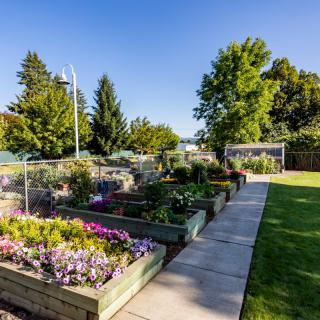
 Gardening club
 Karaoke
 Live dance or theater performances
 Live musical performances
 Live well programs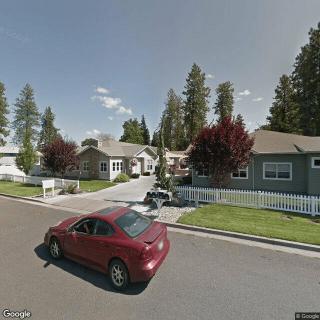

 Managing Nursing Home Expenses After Medicare Coverage Ends
 Is a Geriatric Care Manager the Right Choice for Your Family?
 Compassionate Conversations: How to Comfort Someone Who Is Grieving