
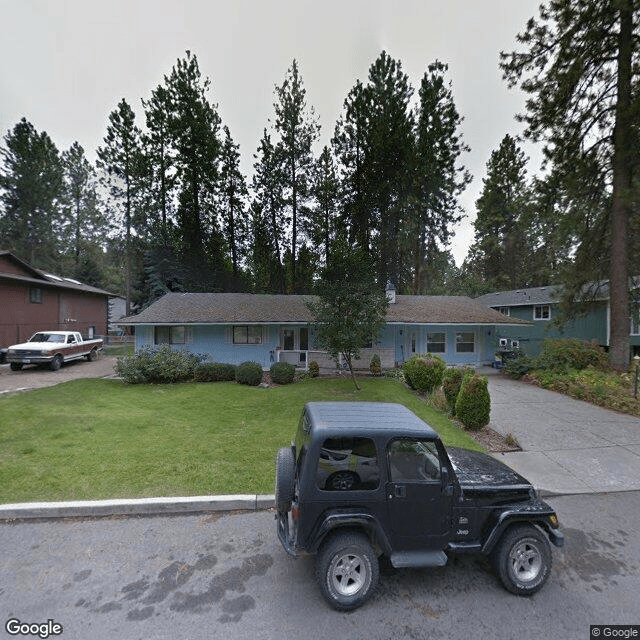
9808 E 9th Ave, Spokane Valley, WA 99206
To contact a resident: (509) 928-7542
For more information about senior living options: (866) 208-4318
Sherwood Forest AFH Costs & Pricing
Sherwood Forest AFH offers competitive rates for various room types compared to both Spokane County and the broader state of Washington. For instance, a studio at Sherwood Forest is priced at $2,205, significantly lower than the county average of $3,609 and the state average of $4,126. Similarly, their one-bedroom apartments are available for $2,930, whereas residents in Spokane County pay around $3,852 and those in Washington state face costs of $4,632. Private and semi-private rooms are also attractively priced at $3,000 each - well below regional averages of $4,111 and $4,267 respectively. Additionally, the two-bedroom option stands at $3,595 which is notably higher than Spokane's average but still remains competitive against the state's pricing. Overall, Sherwood Forest AFH presents an appealing blend of affordability without compromising on quality care within a comfortable living environment.
| Floor plans | Sherwood Forest AFH | Spokane County | Washington |
|---|---|---|---|
| Studio | $2,205 | $3,609 | $4,128 |
| 1 Bedroom | $2,930 | $3,852 | $4,634 |
| Private | $3,000 | $4,111 | $4,774 |
| Semi-Private | $3,000 | $3,863 | $4,272 |
| 2 Bedrooms | $3,595 | $3,350 | $4,301 |
Memory care communities with a similar price nearby
-
from +$295 / mo
Angel of Grace
$2,500 to $5,500 / month1.7 miles away -
from -$210 / mo
The Academy - A Merrill Gardens Community
$1,995 to $2,595 / month5.7 miles away -
from +$295 / mo
Allen's Adult Family Home
$2,500 / month3.0 miles away -
About the same
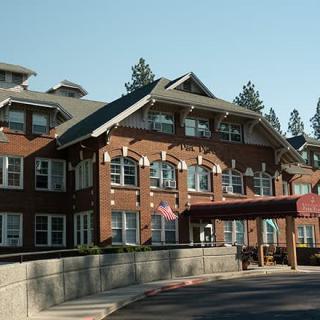
Brookdale Park Place
$2,215 to $6,740 / month1.4 miles away -
from -$105 / mo
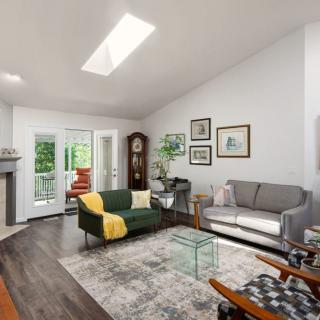
Touchmark On South Hill
$2,100 to $3,400 / month5.3 miles away
Overall Review of Sherwood Forest AFH
Pros
 Sunshine's caregivers took great care of her and treated the family like family.
- They kept her comfortable and worked with Hospice and the family to ensure a peaceful end-of-life transition.
- Misty, Pam, Courtney, Sarah, and McKenzie were a blessing to their grandma's life.
- The SF facility has staff on site during shifts and is attentive, with a bell system ensuring residents can get help.
- The home offers good food for residents.
Cons
 The outside ramp entrance looked run-down and like a bumpy ride for dad.
Review
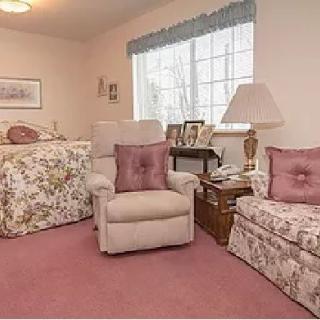
Sherwood Forest AFH in Spokane Valley is best suited for families seeking an intimate, home-like setting where a small, consistent caregiving team can deliver highly personalized support, particularly through end-of-life transitions. With only six rooms (one currently empty) and all residents reportedly female, the home fosters strong caregiver–resident relationships and enables staff to coordinate closely with Hospice. Families facing complex care in the final months will appreciate the way the staff integrate medical support to ease comfort, preserve dignity, and maintain emotional continuity for both the resident and the family.
Potential buyers should know this option may not fit if 24/7 on-site supervision, universal accessibility, or a mixed-gender environment are priorities. The facility operates on daytime shifts from 7 a.m. to 9 p.m. with a bell system for alerts; overnight coverage is not described, and the ramp entrance is reportedly worn and could be difficult for mobility-challenged guests. For those needing a larger, more structured program with formal programming, broader medical oversight, or updated infrastructure, other assisted living or AFH options in the area will likely be more suitable.
On balance, the strongest positives are clear. Families repeatedly credit the caregivers for warmth and attentiveness, often describing the staff as turning care into a family affair. The ability to coordinate with Hospice and support a peaceful end-of-life transition demonstrates a depth of compassion and practical know-how that can meaningfully ease a painful transition. The small scale also translates into highly personalized routines and easier, more consistent communication, which can be priceless for residents who value familiarity and steady daily rhythms. Yet these advantages come with caveats: the intimate, all-wirls setting and the six-room limit naturally constrain available social opportunities, and staff coverage after the stated day hours remains unclear.
Accessibility and infrastructure present the most tangible drawbacks. The open ramp entrance, described as worn and bumpy, poses real challenges for residents with mobility limitations and for visiting family members navigating the property. A facility that relies on a small team and a single-gender occupancy must also lean heavily on family involvement or external services to fill gaps that larger campuses typically cover, such as 24/7 supervision, broad activity programming, and more robust safety systems. The mixed-perception nature of the reviews suggests a facility that can deliver extraordinary warmth at times, but where consistency and physical upkeep may vary.
Practical next steps for families are straightforward. Schedule a candid tour focused on staffing patterns, especially overnight feasibility, and test the bell system in real-life scenarios. Confirm the current menu offerings and flexibility, and verify the approach to safety, medications, and daily activities given the all-women occupancy. Inspect the exterior ramp and entry path for accessibility and ask whether upgrades are planned. Seek direct references from other families and request detailed care plans that show hospice coordination and health-status communication. Finally, obtain a clear picture of space availability and pricing, then compare with nearby options that offer broader amenity sets and more continuous coverage.
Ultimately, Sherwood Forest AFH stands out for families who prize intimate, compassionate care and a hospice-friendly approach within a small, home-like setting. Its marquee strength is a caregiving team that can feel like extended family, with demonstrated dedication to a peaceful, dignified end-of-life experience. The principal cautions are a fixed, limited capacity, an all-women environment, uncertain overnight coverage, and visible infrastructure shortcomings that affect accessibility. If these factors align with the family’s priorities, personalized attention, clear communication, and strong end-of-life support, this community can be an excellent match. If reliability, 24/7 supervision, or broader medical oversight are non-negotiables, alternatives with larger footprints will be a wiser, more practical fit.
 Board and Care Home
 Memory Care
 Activities off-site
 Bath tubs
 Devotional services off-site
 Indoor common areas
 Outdoor common areas
 Private
 Respite or short term stays offered
 Spokane International (12 miles away)
 Ambulatory care
 Diabetic care
 High acuity care
 Incontinence care
 Medication management
 Meals provided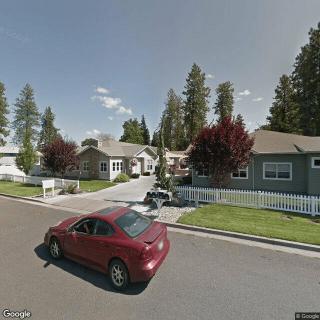
 Illuminating Insights About Alzheimer's Disease: Ten Crucial Realities
 A Thorough Discussion of Medications Potentially Linked to Dementia Risk
 Why Do Dementia Patients Sleep So Much? Understanding Oversleeping, Stages, and Care Approaches