

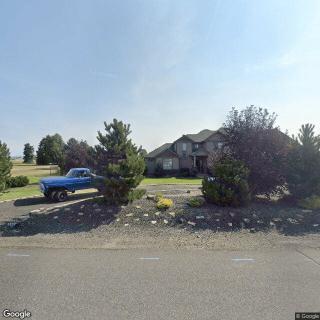
524 W Gary Ln, Spokane, WA 99218
To contact a resident: (509) 979-2773
For more information about senior living options: (866) 208-4318
Peterson Place Costs & Pricing
At Peterson Place, the monthly cost for a private room is set at $4,000, making it a competitive option compared to the average rates in Spokane County and Washington state. In Spokane County, the average cost for similar accommodations is approximately $4,111, while across Washington state, the figure rises to about $4,772. This pricing strategy positions Peterson Place as an attractive alternative for those seeking quality care without exceeding local market rates. By offering a more affordable solution while maintaining high standards of service, Peterson Place effectively caters to both budget-conscious individuals and families looking for exceptional residential options.
| Floor plans | Peterson Place | Spokane County | Washington |
|---|---|---|---|
| Private | $4,000 | $4,111 | $4,774 |
Senior living communities with a similar price nearby
-
from +$245 / mo

The Gallery at Spokane
$4,245 to $5,850 / month9.9 miles away -
from +$300 / mo

Valley Pines Retirement Home
$4,300 / month9.8 miles away -
from -$500 / mo
Mary Ann's Home Care
$3,500 to $4,000 / month1.7 miles away -
from +$325 / mo

South Hill Village
$4,325 to $5,900 / month10.6 miles away -
from -$261 / mo

Avamere at South Hill
$3,739 to $6,138 / month10.7 miles away
Overall Review of Peterson Place
Pros
 The owners are genuinely kind and loving people.
- They go above and beyond to make sure everything and everyone is happy and healthy.
Review
Peterson Place in Spokane is best suited for seniors who want a warm, home-like environment where the owners are deeply involved and residents are treated with personal care and respect. This community works well for families that value genuine warmth, straightforward communication, and a culture of compassion that translates into daily life. The environment is a good fit for residents who thrive on predictable routines, small-town familiarity, and the sense that someone is looking out for their wellbeing every hour of the day. In short, Peterson Place serves best those who prize intimate, caregiver-driven attention over big-crew efficiency.
Those weighing alternatives should consider larger assisted living communities with more formal nursing oversight, specialized memory care tracks, or broader activity menus. If 24/7 on-site nursing, highly structured clinical programs, or comprehensive dementia care services are non-negotiable, a bigger campus with entrenched medical partnerships may be a better match. Families seeking aggressive rehabilitation options, extensive transportation networks, or a wide array of on-site amenities might find a larger setting more aligned with expectations. For residents with complex medical needs or advanced cognitive conditions requiring frequent clinical coordination, alternates with deeper clinical support should be on the table.
The standout pro described by families is clear: the owners are genuinely kind and loving people who go above and beyond to keep everyone happy and healthy. That levels of care shows up in everyday life as attentive listening, rapid responsiveness, and a proactive approach to small problems before they become big ones. When a resident has a concern or a family member needs reassurance, the leadership pair appears to stand in for family members themselves, placing trust at the center of the relationship. This kind of culture reduces anxiety, fosters reliability, and cultivates a shared sense of community among residents, staff, and visiting family.
Yet, the most sensible takeaway acknowledges the trade-offs inherent in a smaller, owner-operated setting. The intimate scale can mean fewer on-site specialists, less formal nursing coverage, and a leaner calendar of high-demand services than larger communities offer. Staffing rhythms may shift with a smaller team, and certain medical or therapy services could require external coordination or off-site referrals. These realities are not hidden; they reflect the nature of a home-like operation. The question for families is whether the personal touch and responsiveness of the owners sufficiently offset any gaps in clinical infrastructure and breadth of services.
The verdict hinges on expectations and risk tolerance. For families prioritizing warmth, consistent caregiver relationships, and the reassurance that someone is always looking out for their loved one’s happiness and health, Peterson Place delivers with persuasive clarity. The ownership is the differentiator, delivering a tactile sense of safety and belonging that larger campuses often struggle to replicate. For those who insist on robust medical oversight, advanced memory care programming, or a broad spectrum of on-site therapies, the decision point is more nuanced: the contrast will be sharp, and alternatives may better align with clinical needs and lifestyle desires.
Bottom line: Peterson Place is a strong, practical choice for families seeking a nurturing, owner-led environment where residents are treated like members of a close-knit family. It excels in creating trust through visible kindness and hands-on care, turning daily routines into meaningful connections. Prospective movers should enter with clear expectations about the level of medical support and program breadth they require. If those needs align with a small, attentive, and deeply invested setting, Peterson Place stands out as a top option in Spokane. If not, explore other communities that emphasize broader clinical services and expansive activity offerings to match specific care demands.
 Board and Care Home
 Activities off-site
 Air-conditioning
 Cable or satellite TV
 Devotional services off-site
 Handicap accessible
 Indoor common areas
 Outdoor common areas
 Private
 Respite or short term stays offered
 Wheelchair accessible showers
 Wi-Fi/high-speed internet available
 Spokane International (10 miles away)
 Ambulatory care
 Diabetic care
 Incontinence care
 Medication management
 Low / no sodium
 BBQs or picnics
 Birthday parties
 Visiting chaplain or priest



 A Detailed Exploration of Living Wills and Advance Directives
 Comprehensive Guide to Medicare Coverage for Hospice Care
 Caring for Those Who Care: Recognizing, Understanding, and Overcoming Caregiver Burnout