For more information about senior living options: (866) 208-4318
3.8 from 93 reviews
5 stars
46
4 stars
15
3 stars
9
2 stars
11
1 stars
12
North Point Village Costs & Pricing
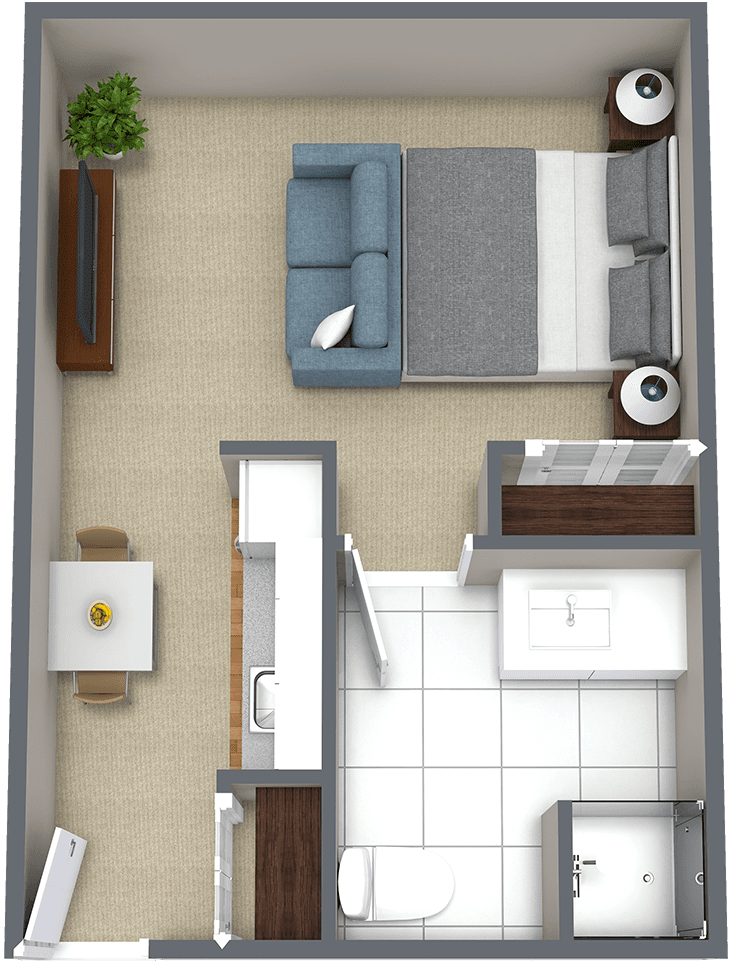
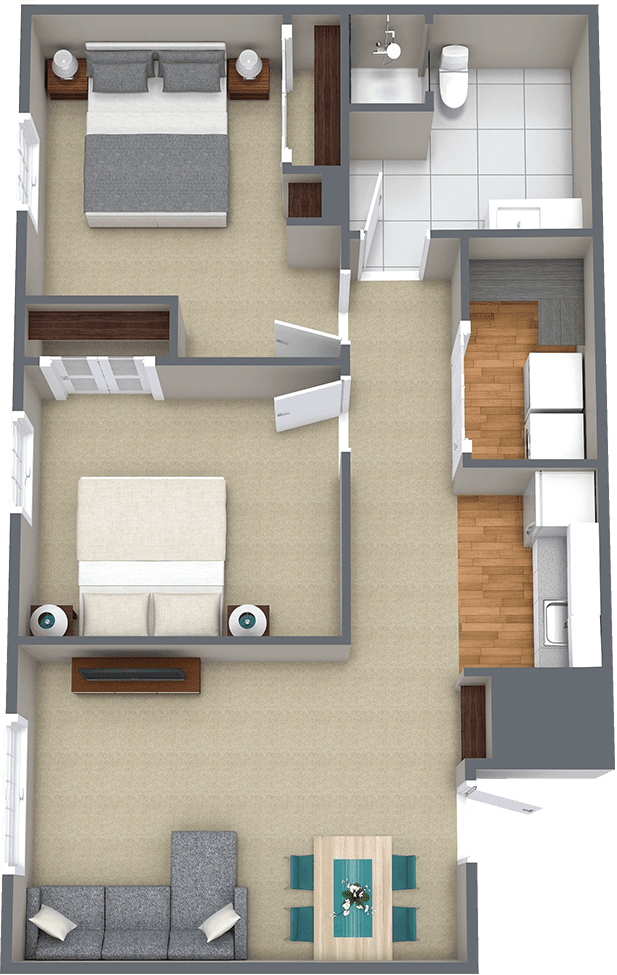
North Point Village presents a competitive pricing structure for its residential offerings, particularly when compared to Spokane County and the broader Washington state averages. For instance, a studio unit at North Point Village is priced at $3,695, which is slightly above Spokane County's rate of $3,609 but still more affordable than the state average of $4,126. Similarly, the one-bedroom apartments are available for $4,400 - higher than both the county's $3,852 and the state's higher benchmark of $4,632. However, it's in the two-bedroom options where North Point Village truly stands out; its rate of $5,300 significantly exceeds Spokane County's more budget-friendly price of $3,350 yet remains below Washington's average of $4,301. This nuanced pricing strategy may reflect North Point Village's unique amenities and services that cater to residents seeking a premium living experience amidst varying local market conditions.
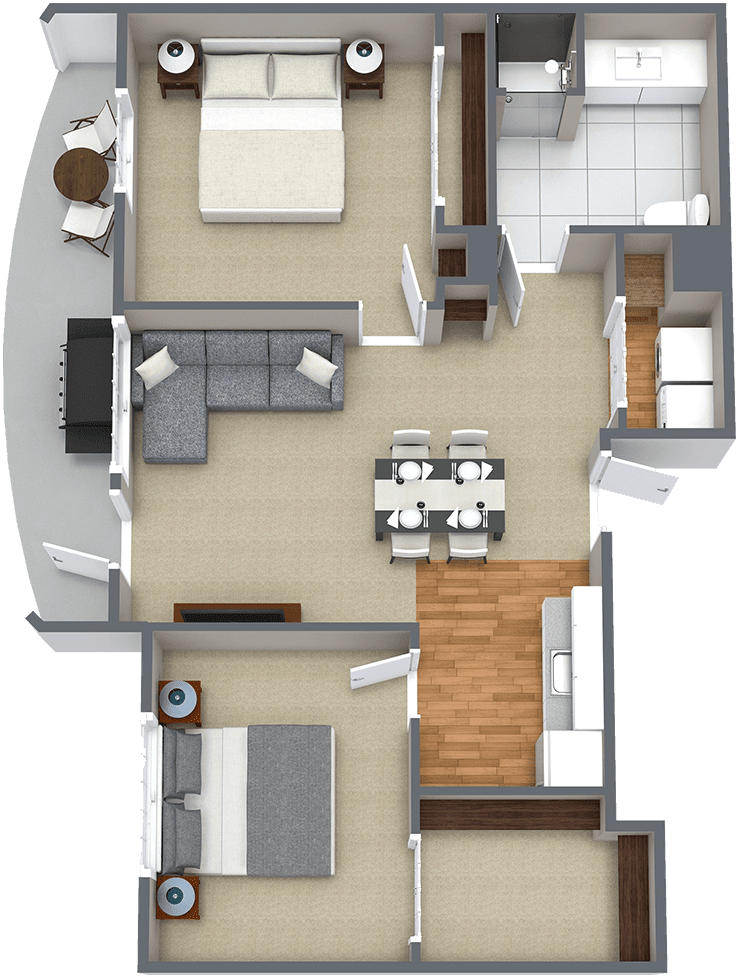
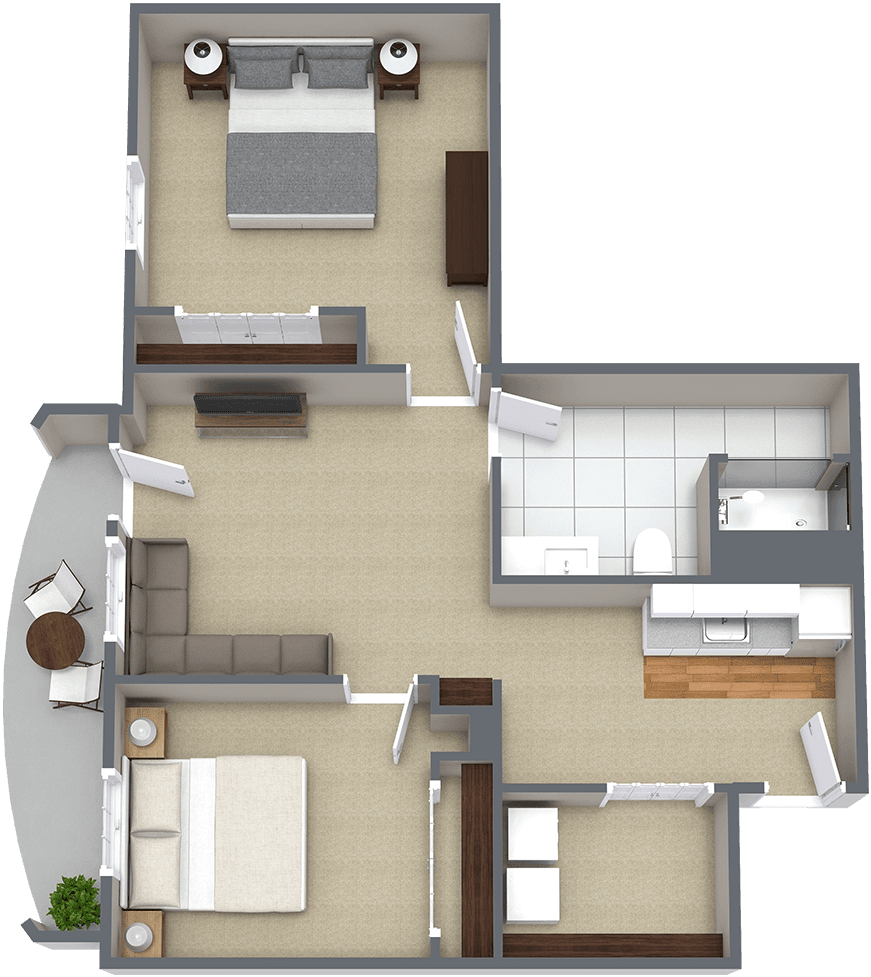
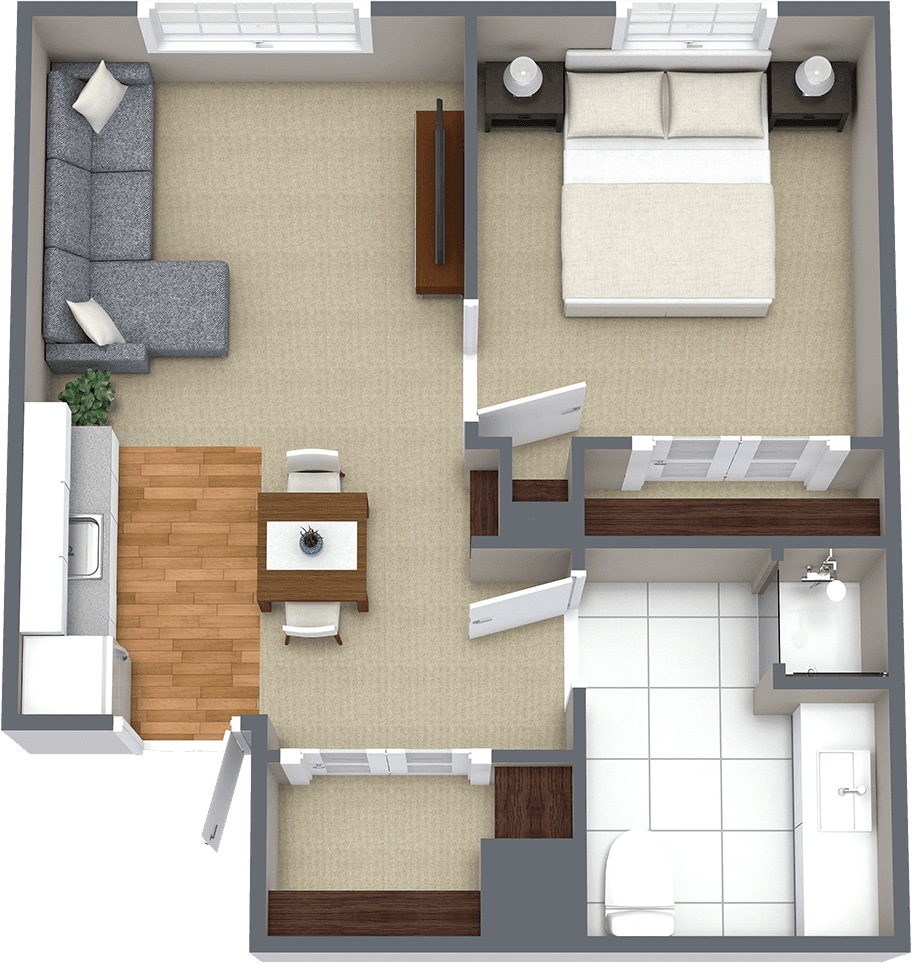
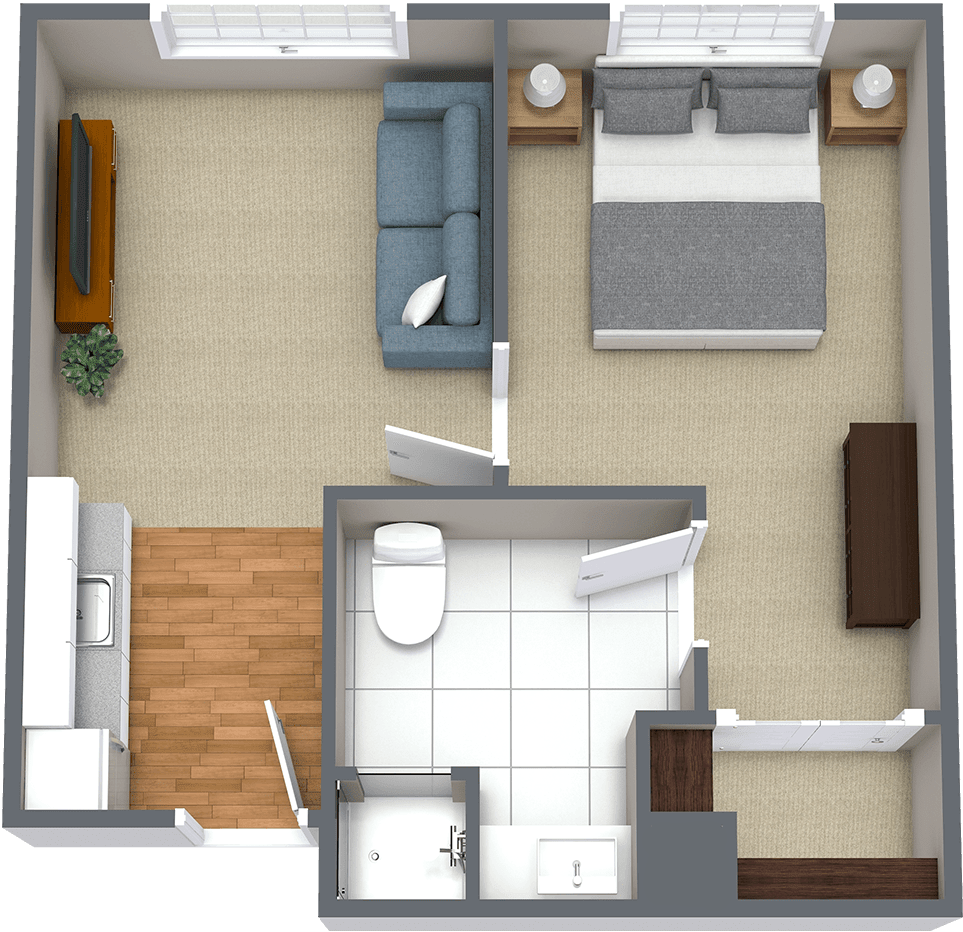
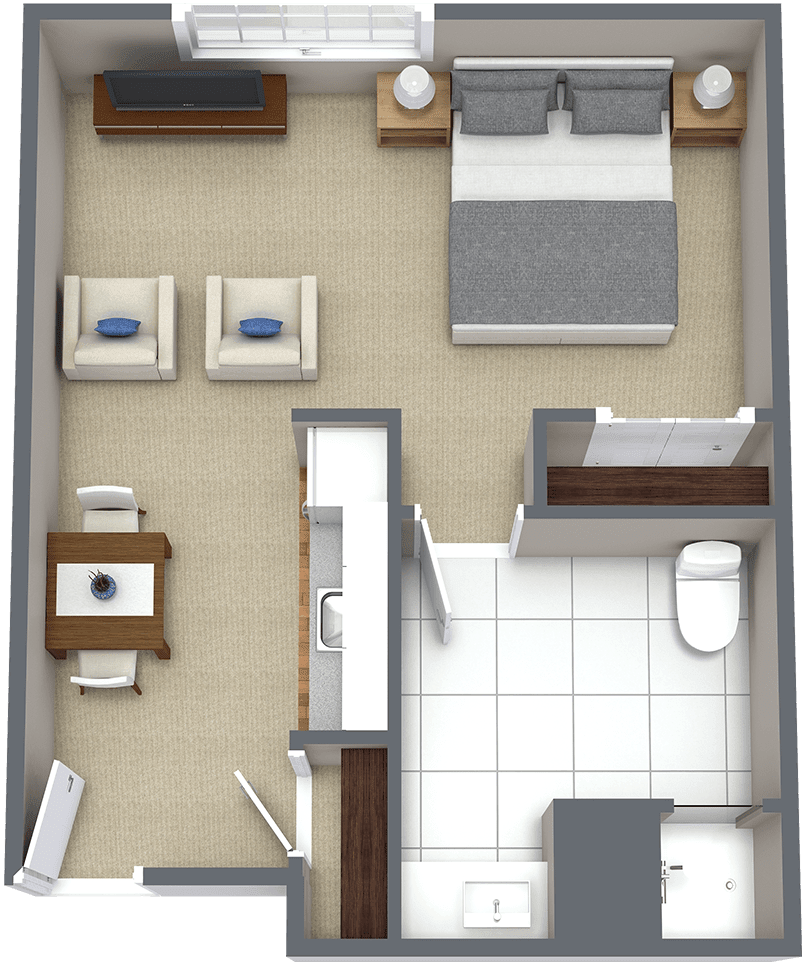
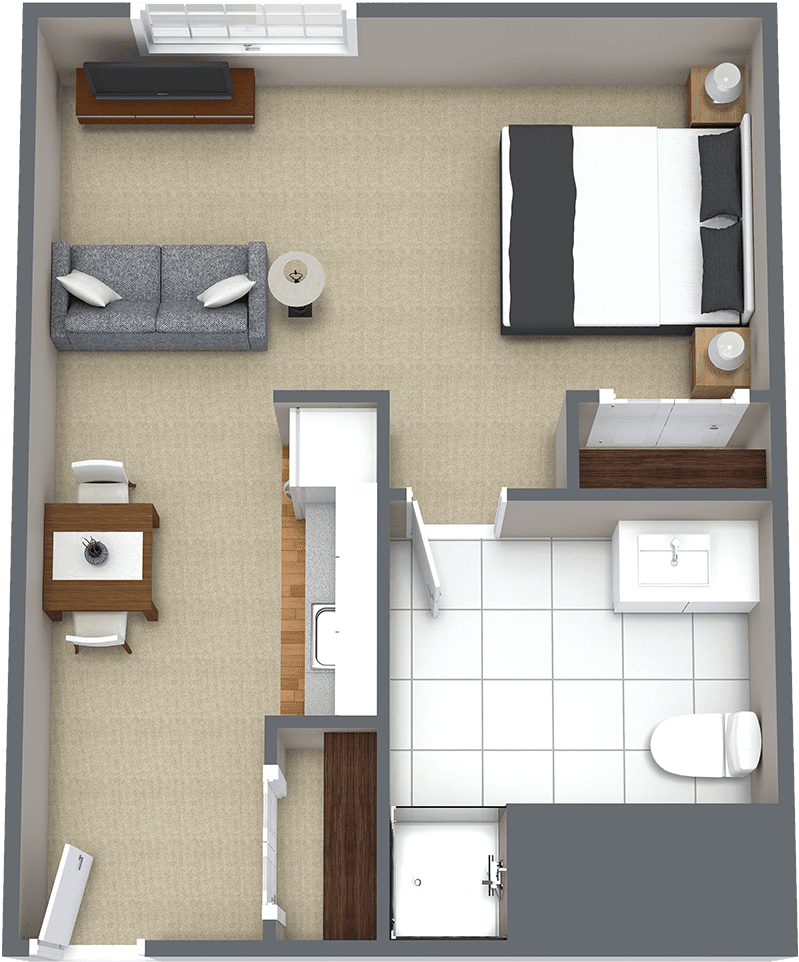
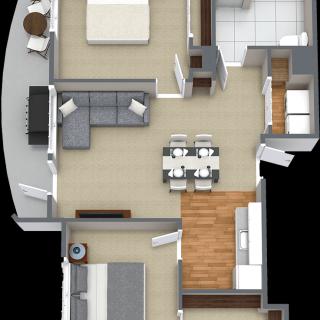
Floor plans
North Point Village
Spokane County
Washington
Studio
$3,695
$3,609
$4,128
1 Bedroom
$4,400
$3,852
$4,634
2 Bedrooms
$5,300
$3,350
$4,301
Memory care communities with a similar price nearby
Many residents and families describe genuinely caring staff and responsive support.
A consistent theme across the reviews is that many caregivers treat residents with kindness, patience, and respect, and families notice improvements in wellbeing. Several people specifically mention good communication, caregivers taking extra time, and help that makes difficult transitions easier. At the same time, other reviews raise concerns about missed care or inconsistent assistance when staffing is stressed, so experiences vary.
caveat18 reviews mention this
Medication help and staffing are pressured
Residents and families report medication and call-button delays during staffing shortfalls.
Some reviews describe medication management problems and delayed assistance after using call buttons, including times help taking longer than expected. Multiple comments connect care gaps to staffing turnover, including periods when nurses were taken away or coverage felt inadequate. A few also mention communication breakdowns when families raised concerns.
caveat16 reviews mention this
Dining quality is inconsistent
Dining is a frequent topic, with reviews spanning both good meals and serious declines.
Several residents and families say meals are good, and some mention dining room enjoyment and dishes like lasagna. Others describe food getting worse over time—small portions, poor taste, and difficulty getting consistent service during meal times. Overall, dining quality appears to fluctuate, with improvements noted in some reviews but strong complaints in others.
common12 reviews mention this
Activities depend heavily on staffing
Activity offerings are present, but some residents receive limited support to join in.
Reviews mention scheduled daily activities, outings, and entertainment, and some people report their loved one stays engaged. Other families say activities were insufficient or that staffing affected participation—no one encouraging residents to attend or assisting them to excursions. Several comments tie the experience back to coverage and help with transitions to and from activities.
differentiator10 reviews mention this
Memory care cottages get attention
Memory care is described as smaller, cottage-based, and built for more individualized attention.
Several reviews highlight the memory care unit as smaller and organized into cottages, which families say supports closer one-on-one attention. People also describe a secure environment and a caregiver approach that keeps residents engaged. However, at least one review focuses on higher-acuity needs and notes negative experiences, so suitability depends on individual care demands.
caveat10 reviews mention this
Pricing feels high for the value
Some families feel the monthly cost is not justified by the care and dining they received.
Reviews include direct concerns that the pricing did not match the value—especially when medication help, staffing stability, or food quality declined. Others suggest that certain services were not delivered as promised or that billing and invoices required extra attention. Even where families report satisfaction, there are mentions that affordability limits how long they can stay.
How we summarize
Counts show how many written reviews mention each theme; a review can touch several themes, and only frequently mentioned themes are displayed.
Features
Housing
126 resident community capacity
1-bedroom apartments
2-bedroom apartments
Studio apartments
Types of Care
Assisted Living
Memory Care
Pets
Cats allowed
Dogs allowed
Amenities
Activities off-site
Activities on-site
Air-conditioning
Beautician on-site
Beauty salon
Cable or satellite TV
Computer center
Devotional services off-site
Devotional services on-site
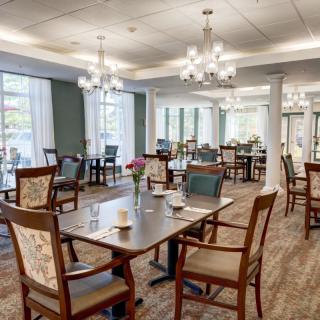
Dining room
Fitness room
Fully furnished
Gaming room
Garden
Garden view
Ground floor units
Handicap accessible
Housekeeping services
Indoor common areas
Kitchenette
Move-in coordination
Outdoor common areas
Outdoor space
Private bathrooms
Private patio, deck, or balcony
Respite or short term stays offered
Restaurant-style dining
Small library
Telephone
Wellness center
Wheelchair accessible showers
Wi-Fi/high-speed internet available
Transportation
Spokane International (11 miles away)
Community operated transportation
Transportation arrangement
Transportation arrangement (non-medical)
Transportation to doctors appointments
Care Services
12-16 hour nursing
24-hour call system
24-hour supervision
Activities of daily living assistance
Assistance with bathing
Assistance with dressing
Assistance with transfers
Coordination with health care providers
Dementia waiver
Diabetes diet
Diabetic care
High acuity care
Hospice waiver
Incontinence care
Meal preparation and service
Medication management
Mental wellness program
Mild cognitive impairment
Special dietary restrictions
Specialized memory care programming
Transportation arrangement (medical)
Transportation to doctors appointments
Dining
Anytime dining
Diabetes diet
Gluten-free
Guest meals
International cuisine
Low / no sodium
Meals provided
No Sugar
Organic
Professional chef
Restaurant style dining
Special dietary restrictions
Special dining programs
Vegan
Vegetarian
Activities
Art classes
Catholic services
Community-sponsored activities
Concierge services
Day trips and outings
Devotional activities offsite
Devotional activities on-site
Educational speakers / life long learning
Fitness programs
Happy hour
Karaoke
Live dance or theater performances
Live musical performances
Planned day trips
Resident-run activities
Scheduled daily activities
Stretching classes
Wine tasting
Nearby Places of Interest
Located in Spokane, Washington, this area offers a variety of healthcare options including specialized clinics such as orthopaedic and pulmonary care, as well as pharmacies for convenient access to medications. There are several dining options nearby, ranging from fast food to sit-down restaurants. Places of worship and hospitals are also within a short distance, providing essential services for seniors. For leisure activities, there are cafes for socializing, parks for outdoor enjoyment, and a movie theater for entertainment. Overall, this neighborhood in Spokane presents a well-rounded and convenient living environment for seniors.
Physicians
Orthopaedic Specialty Clinic (0.1 miles)
Providence Pulmonary and Sleep Disorder Clinic - Spokane (0.1 miles)
Mt. Spokane Pediatrics (0.2 miles)
Spine Team Spokane (0.2 miles)
Northwest Dermatology (0.2 miles)
Providence Urgent Care - Hawthorne (0.5 miles)
Lee Rhonna Arnp (0.9 miles)
Pharmacies
Payless Drug Stores (0.2 miles)
CVS Pharmacy (0.3 miles)
Shopko Pharmacy (0.4 miles)
Rosauers Supermarkets (0.7 miles)
Rite Aid (0.8 miles)
Sav-On Pharmacy (1.8 miles)
Walgreens (1.8 miles)
Restaurants
Sonic Drive-In (0.6 miles)
Frank's Diner (0.9 miles)
Firehouse Subs (1.4 miles)
Pooles Public House On (1.8 miles)
Fizzie Mulligans (2 miles)
Twigs Bistro (2 miles)
McDonald's (2.5 miles)
Places of Worship
Whitworth Chapel (0.9 miles)
Prince of Peace Lutheran (4.2 miles)
Hospitals
Providence Holy Family Hospital Anti Coag Unit (2.7 miles)
North Point Village presents a competitive pricing structure for its residential offerings, particularly when compared to Spokane County and the broader Washington state averages. For instance, a studio unit at North Point Village is priced at $3,695, which is slightly above Spokane County's rate of $3,609 but still more affordable than the state average of $4,126. Similarly, the one-bedroom apartments are available for $4,400 - higher than both the county's $3,852 and the state's higher benchmark of $4,632. However, it's in the two-bedroom options where North Point Village truly stands out; its rate of $5,300 significantly exceeds Spokane County's more budget-friendly price of $3,350 yet remains below Washington's average of $4,301. This nuanced pricing strategy may reflect North Point Village's unique amenities and services that cater to residents seeking a premium living experience amidst varying local market conditions.
The features at North Point Village are designed to address the unique needs of residents with dementia or Alzheimer's, ensuring their safety and enhancing their quality of life. The 24-hour supervision provides a secure environment where individuals can feel safe, while assistance with activities of daily living--such as bathing, dressing, and transfers--promotes independence and dignity. Coordination with healthcare providers ensures that medical needs are met efficiently, complemented by medication management to maintain proper health regimens. The availability of specialized memory care programming addresses the cognitive challenges faced by residents at various stages, including those with mild cognitive impairment. Meal preparation and service cater to dietary needs, while incontinence care supports personal hygiene and comfort. Additionally, a mental wellness program fosters emotional well-being through engagement and social interaction. Transportation arrangements for medical appointments further illustrate the comprehensive support system designed to enhance overall health and wellness among residents.
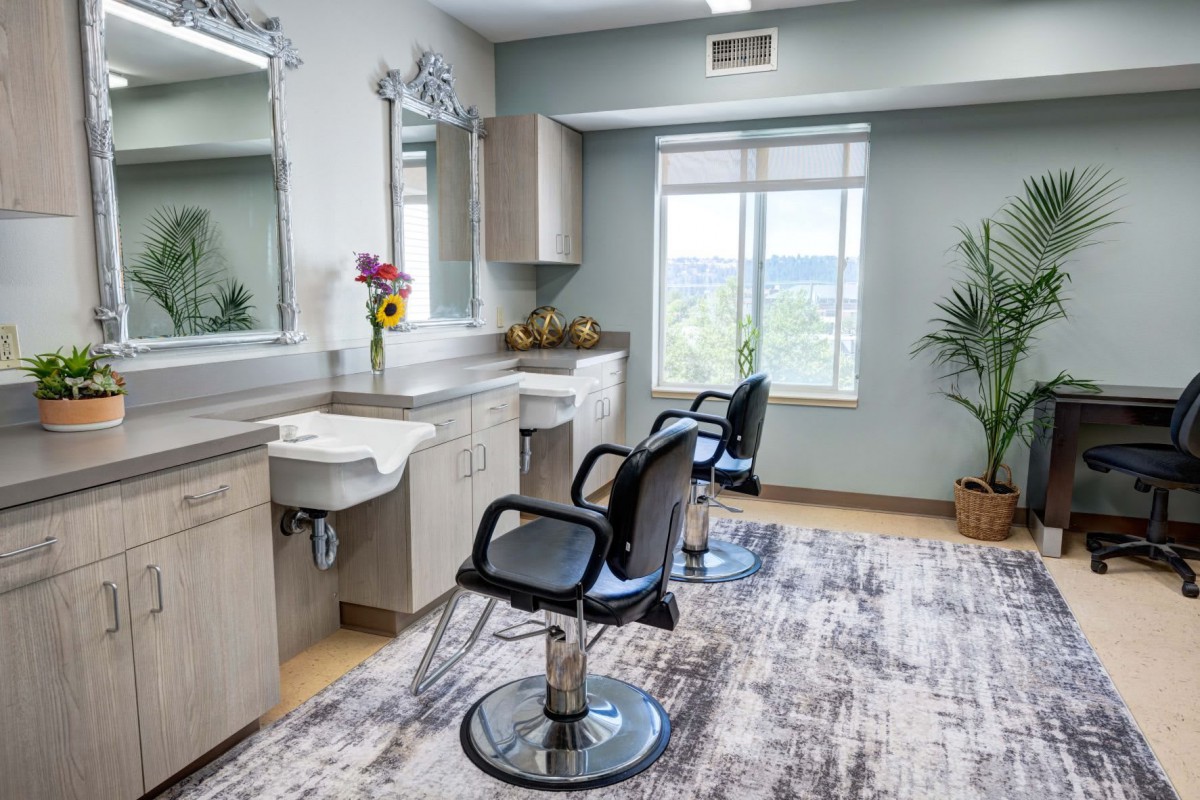
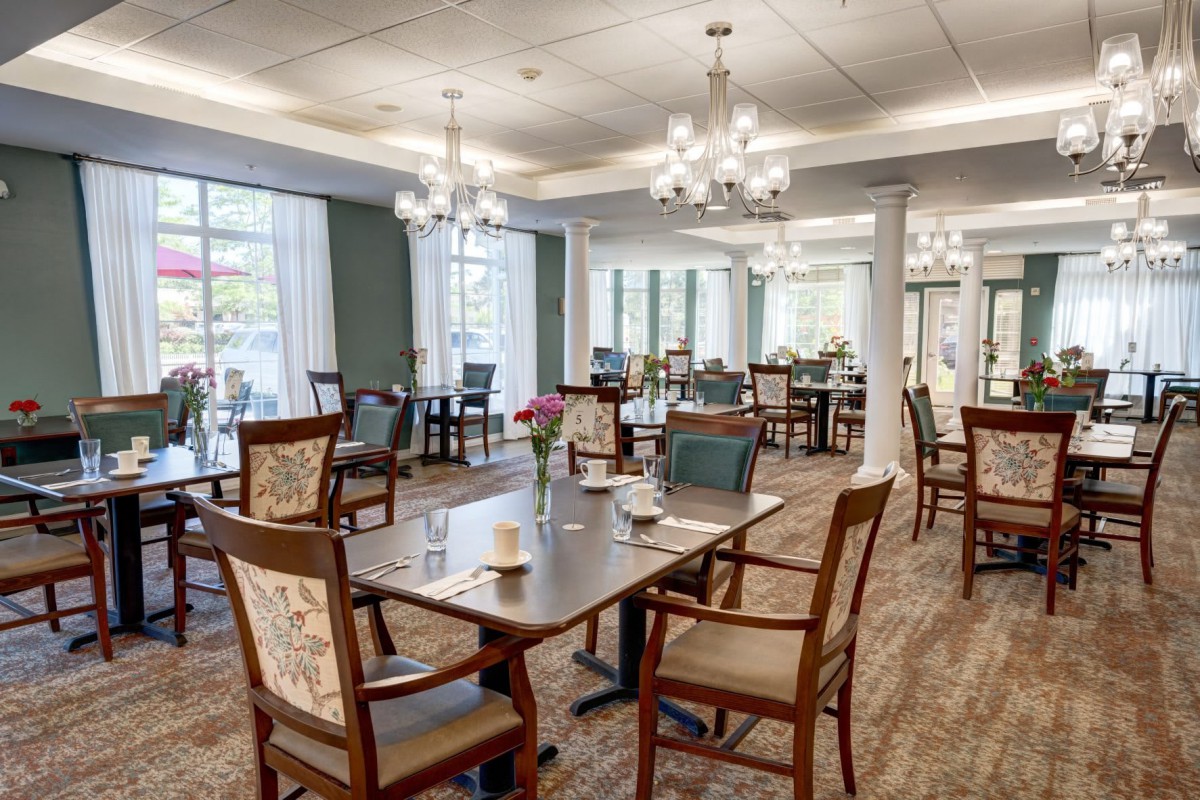
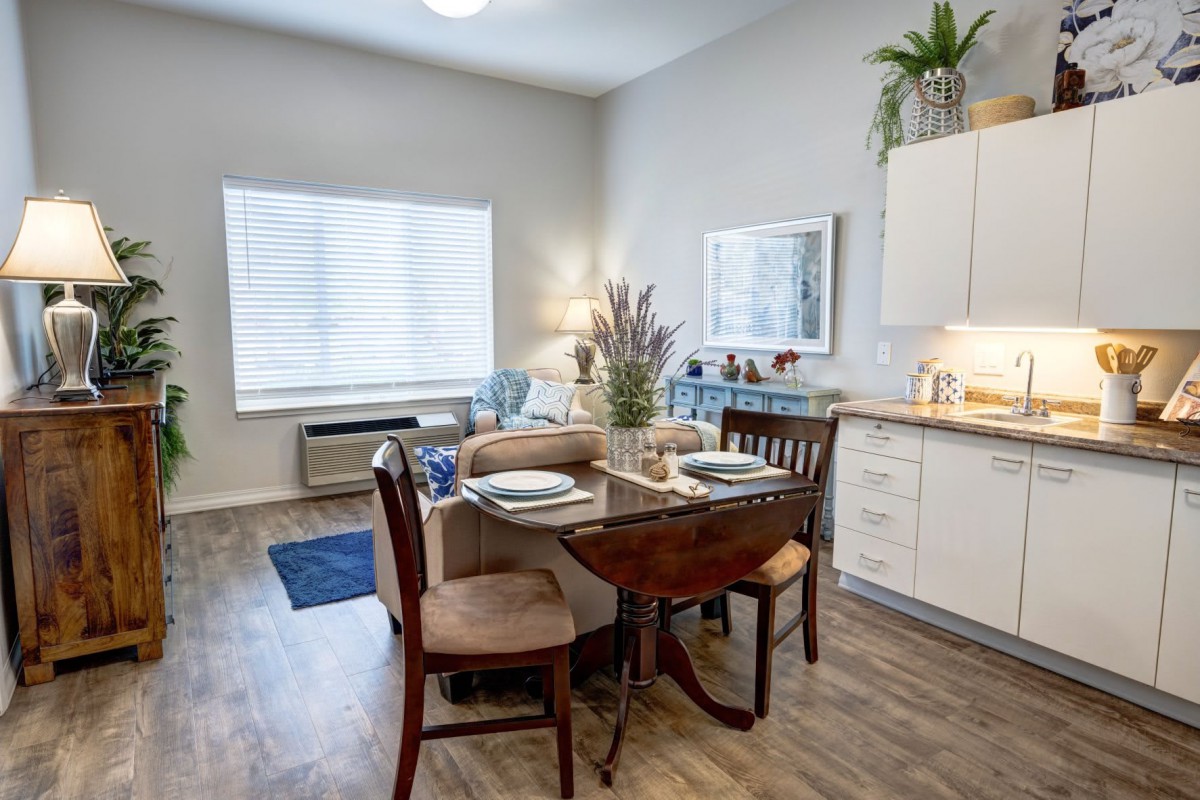
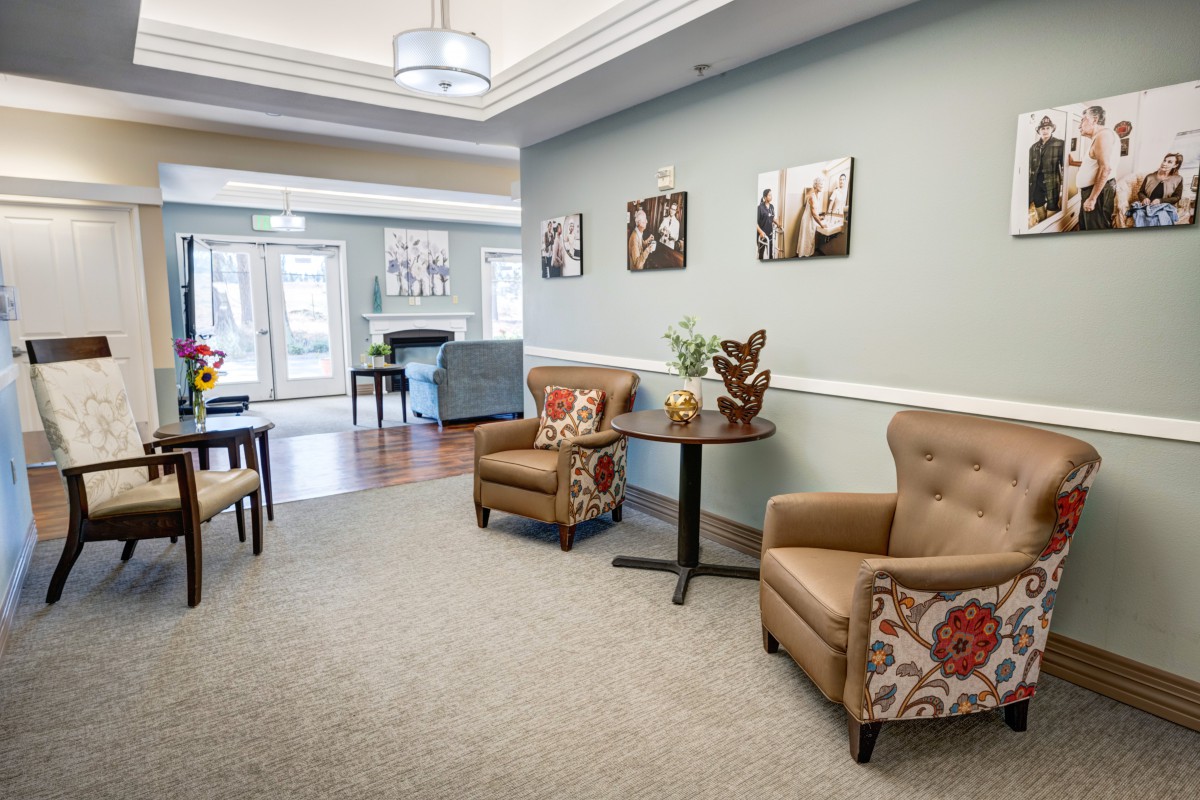
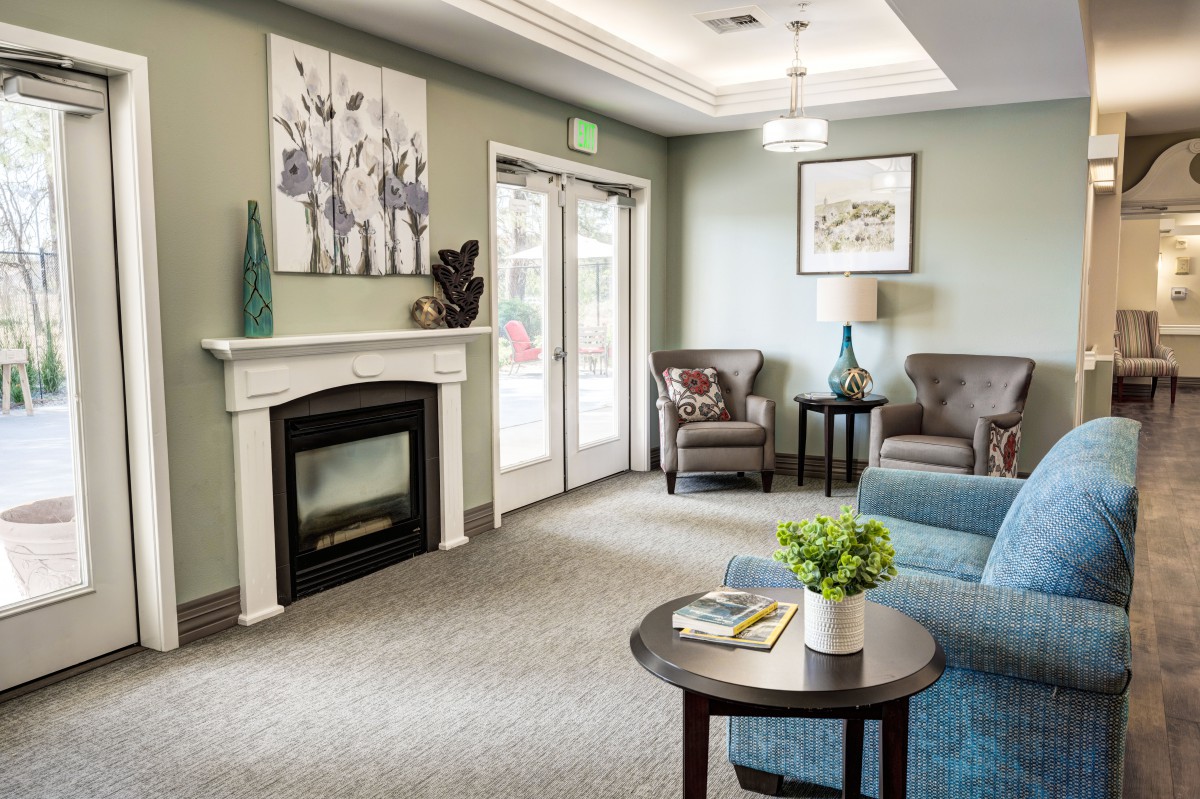
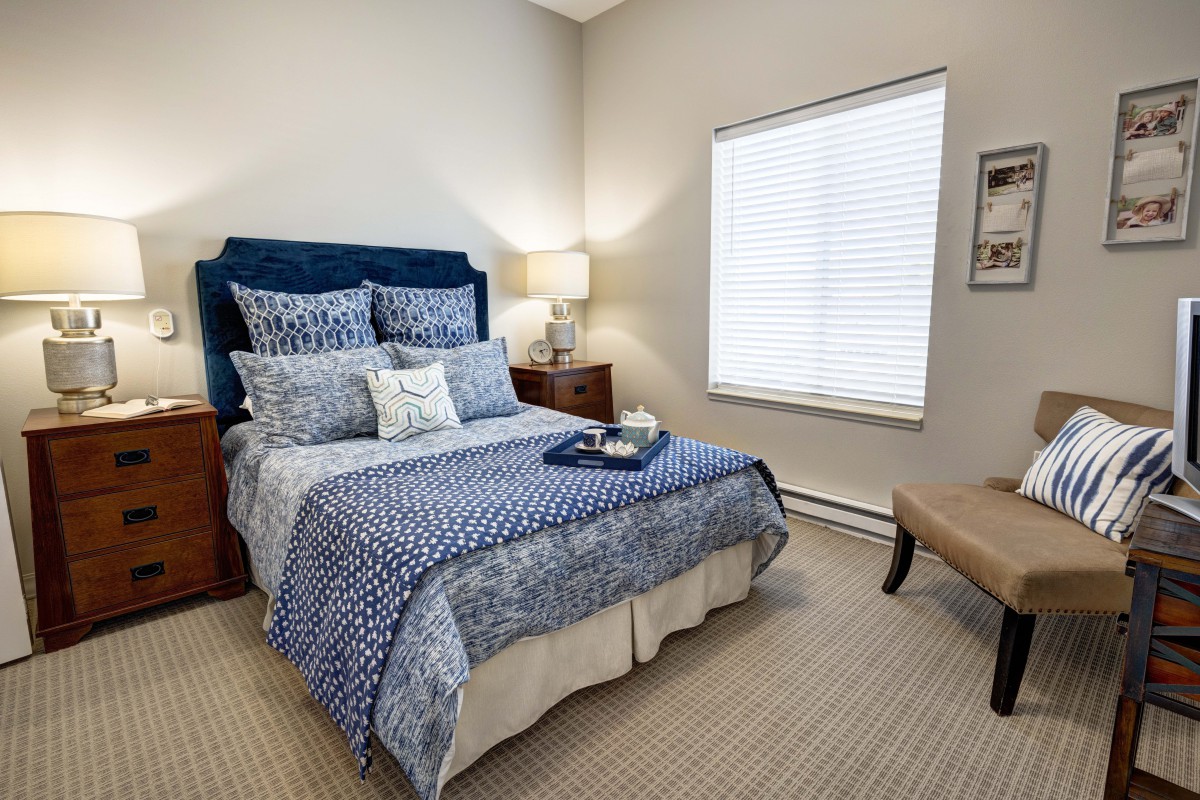
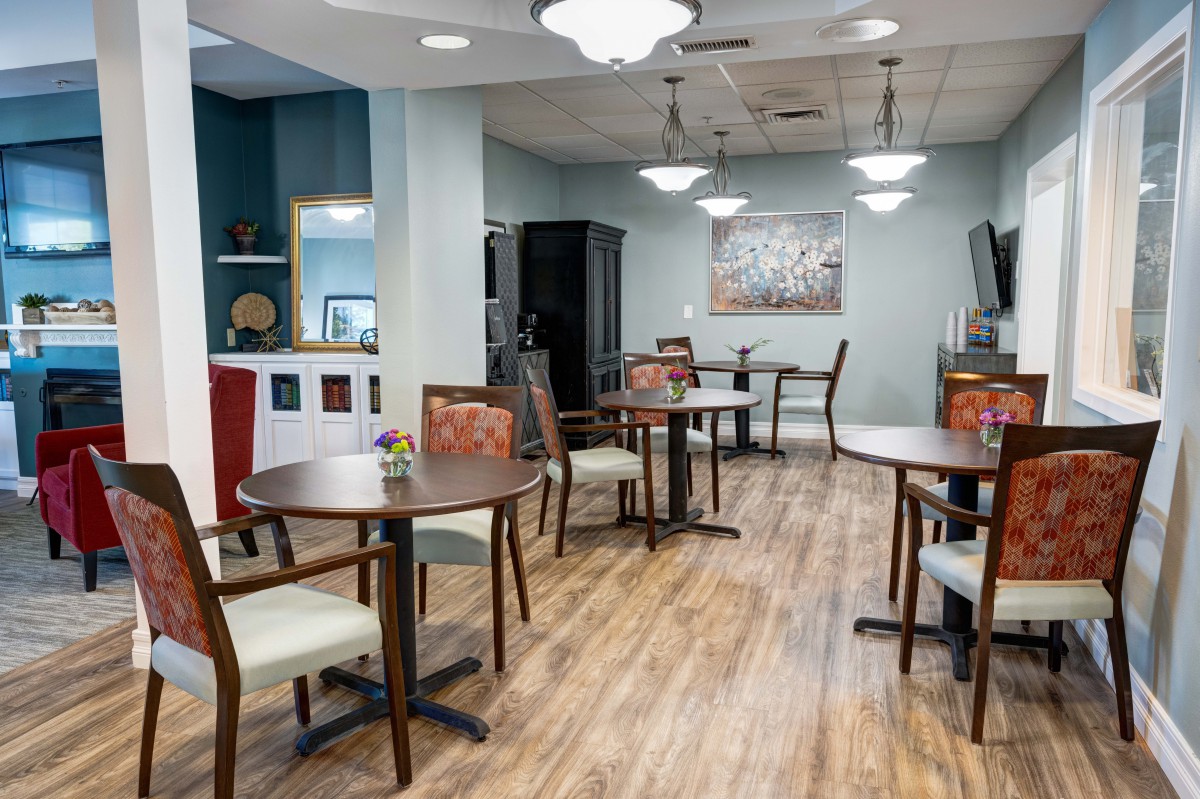
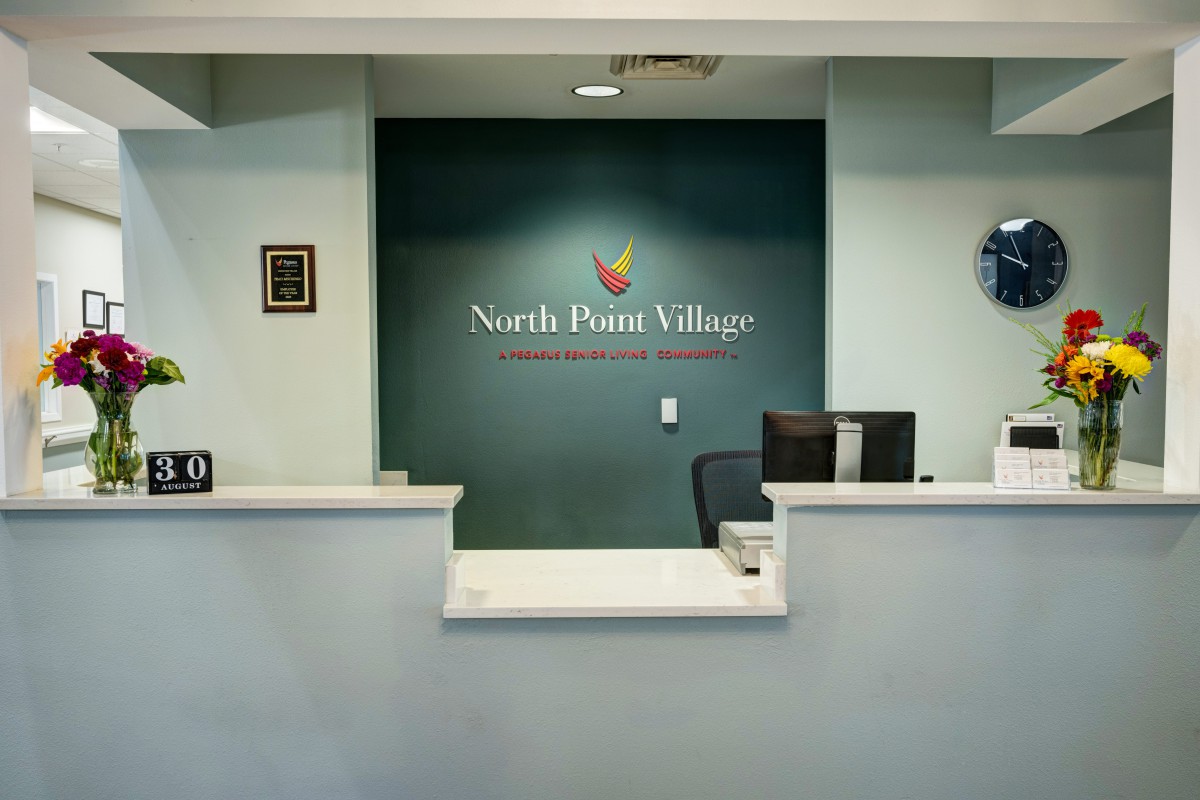
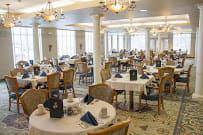
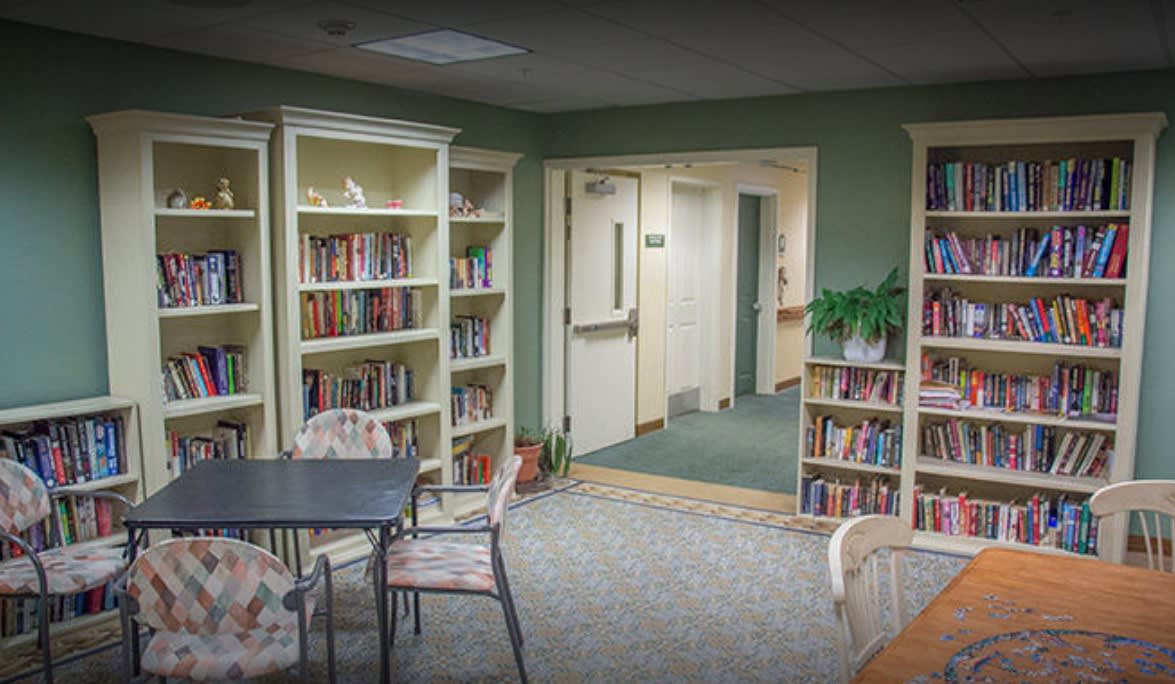
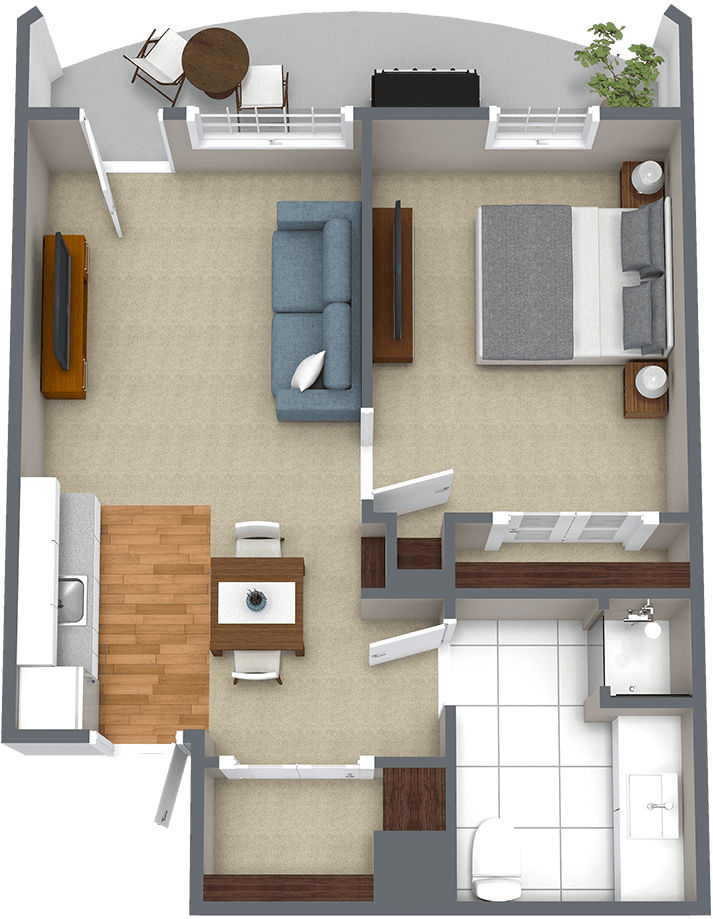
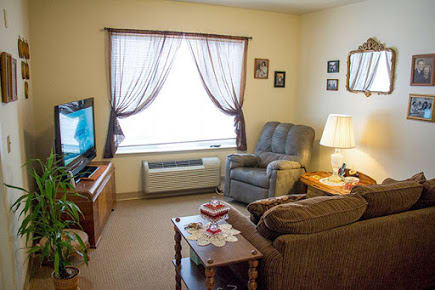
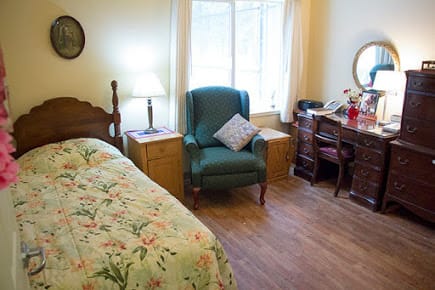
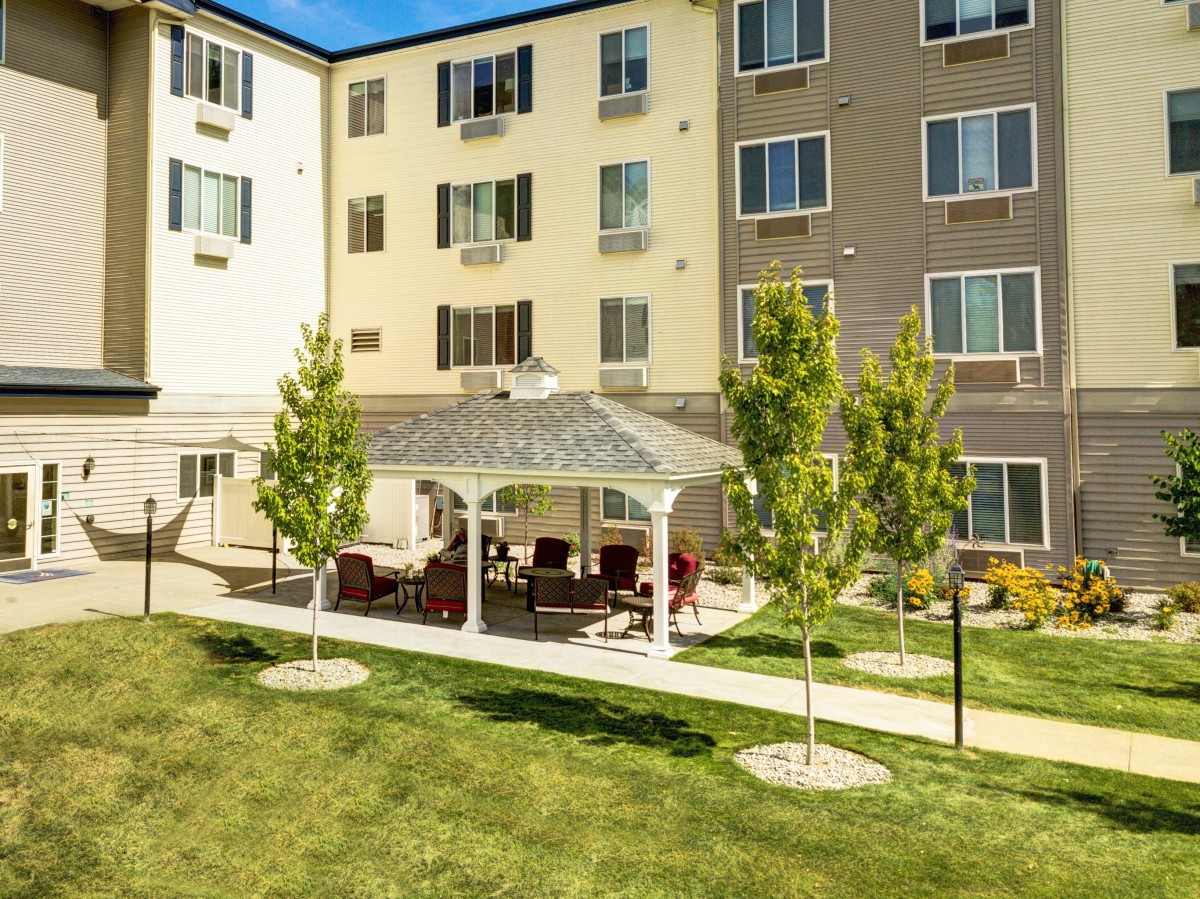
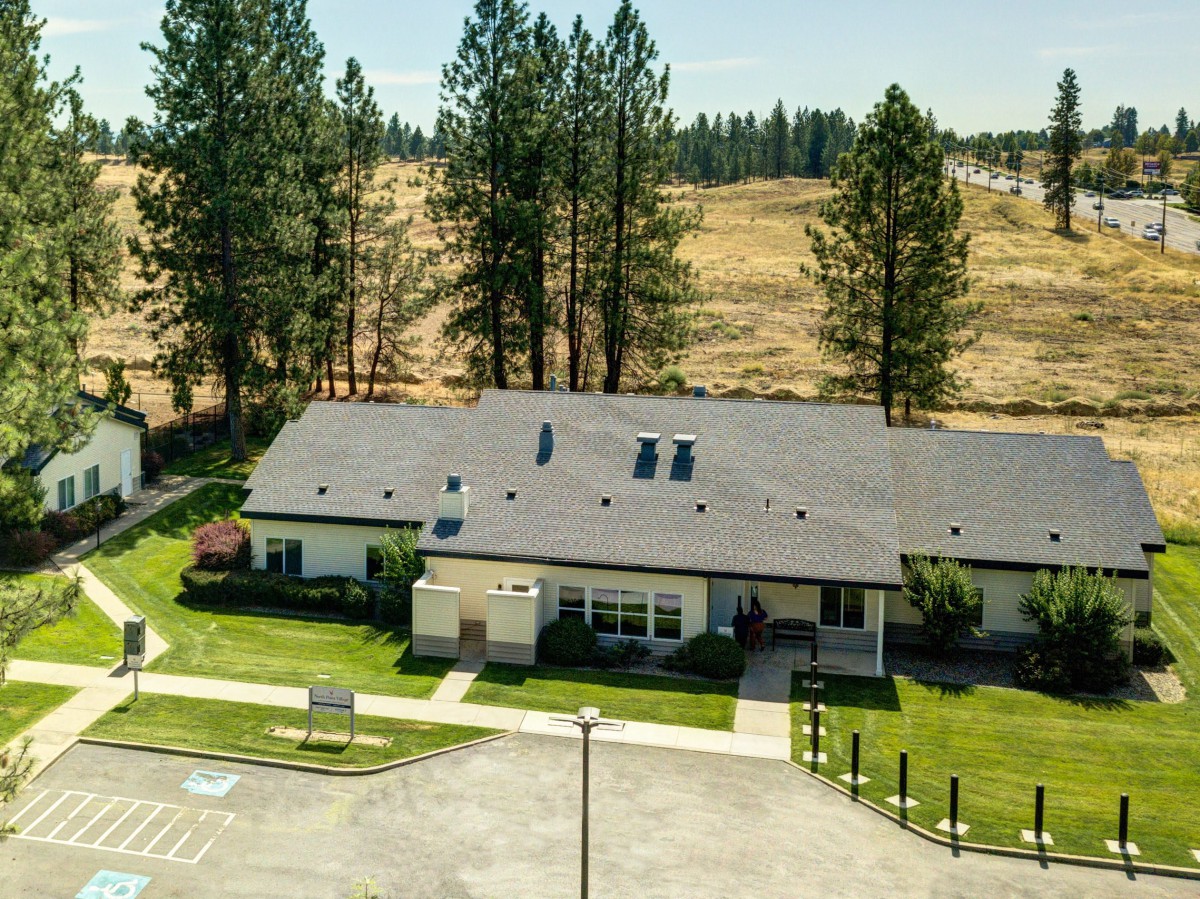
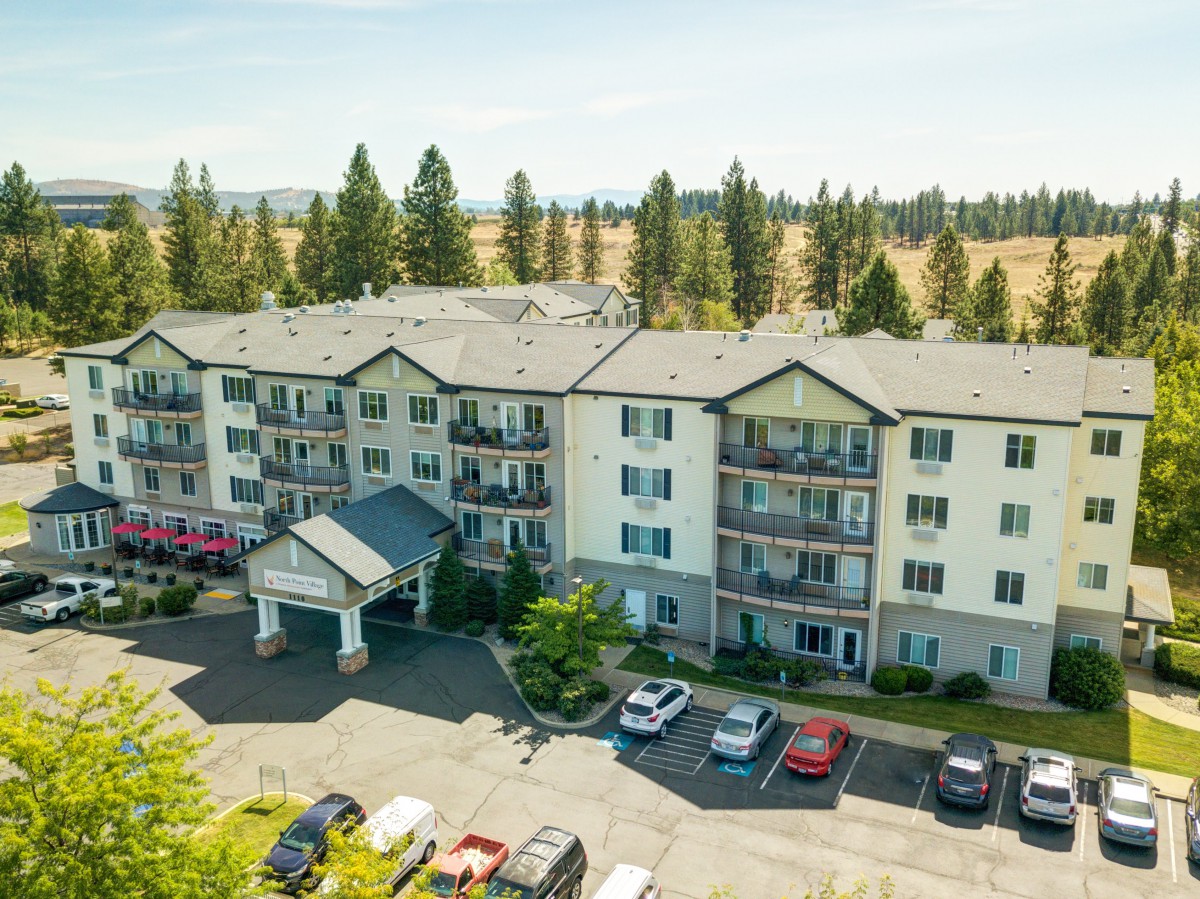
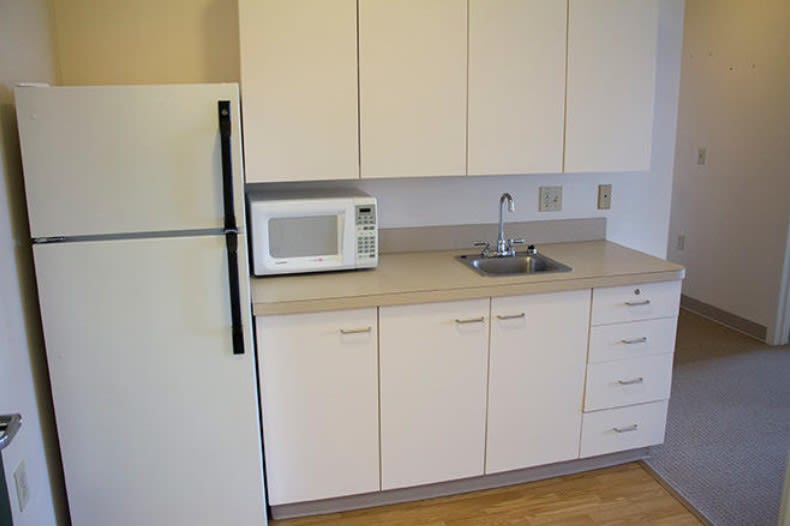
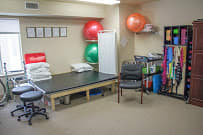
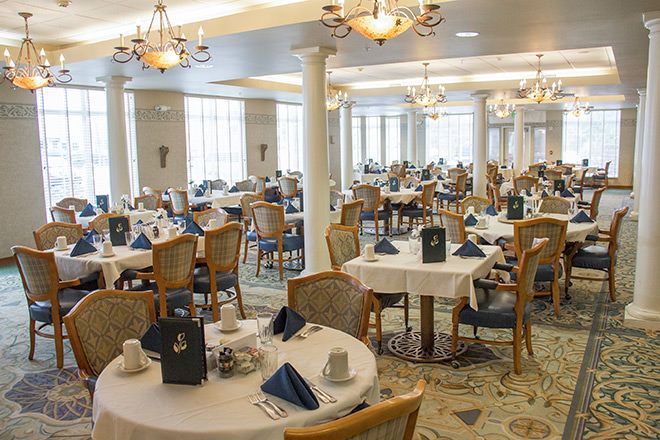
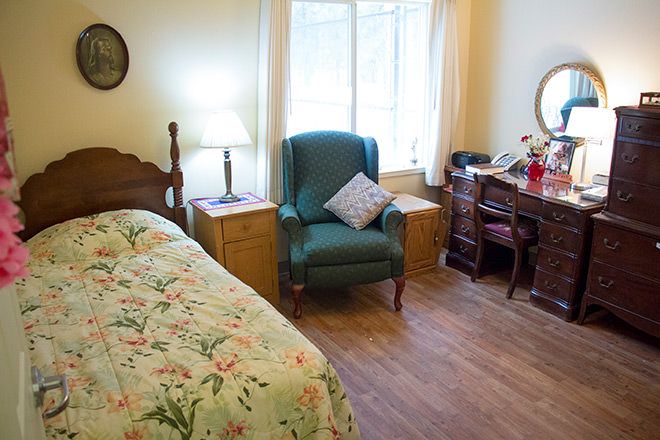
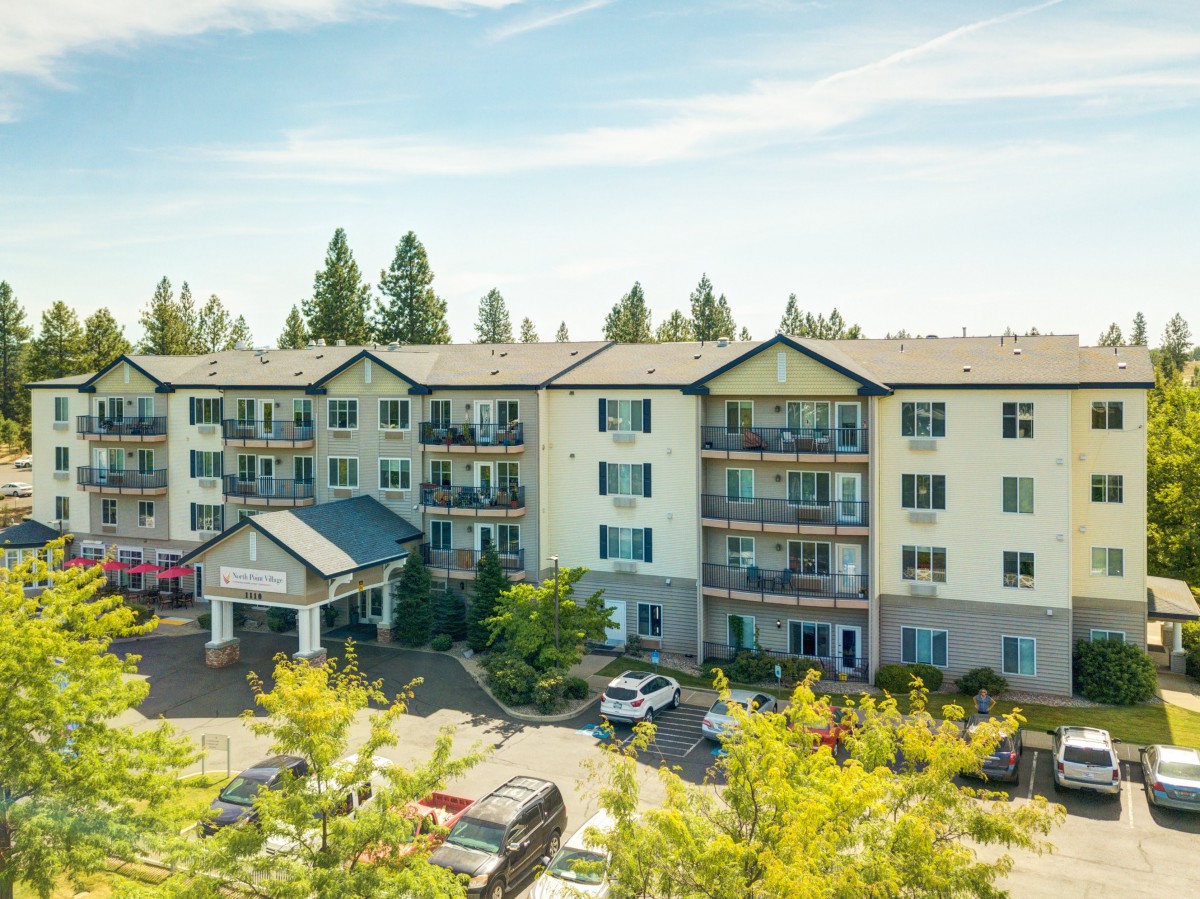
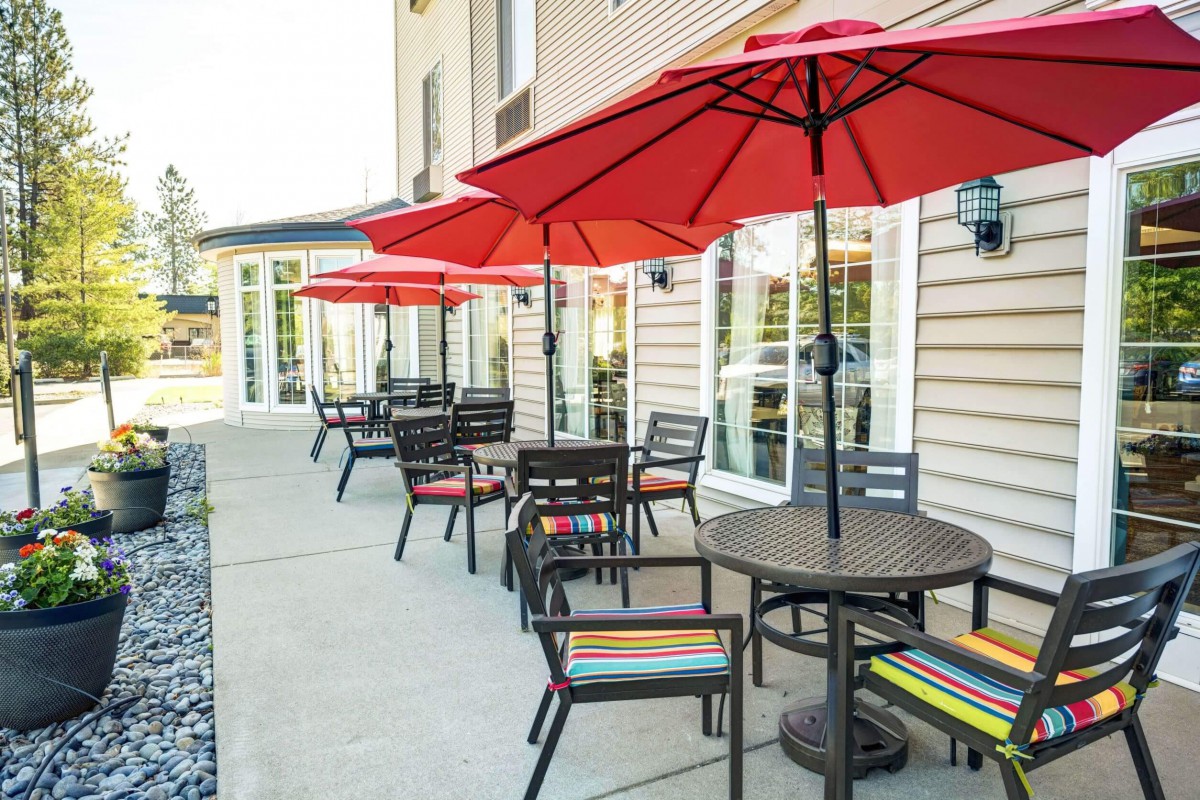
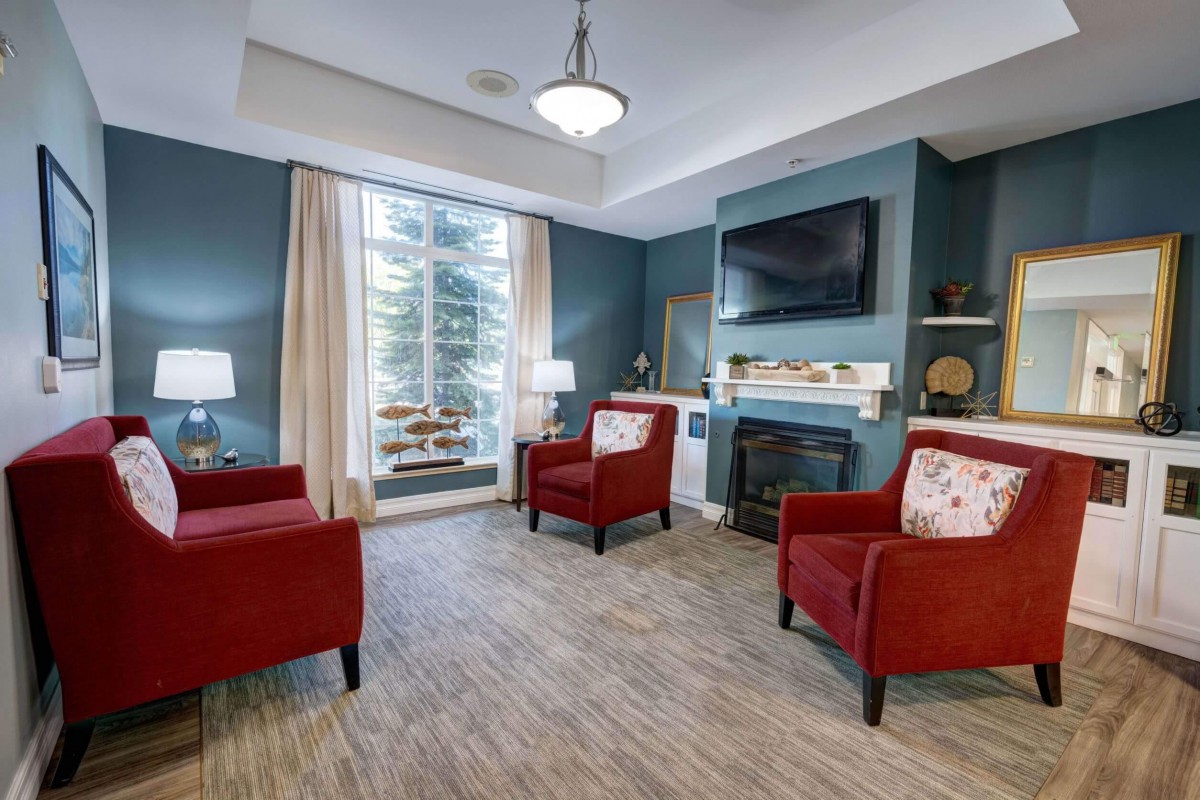
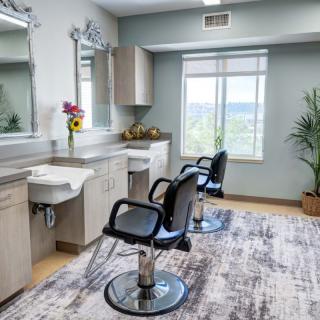
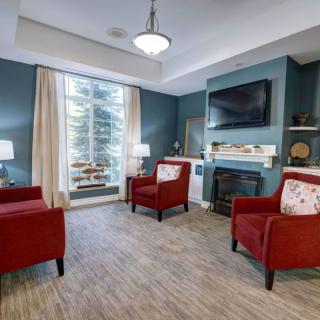
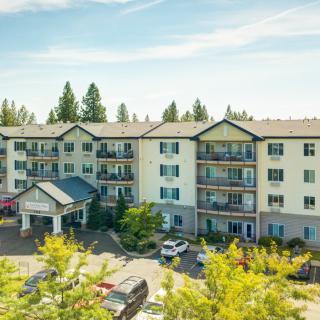
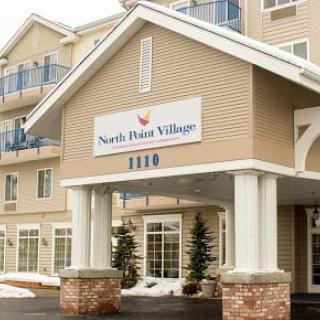
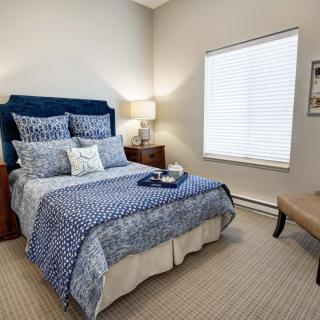
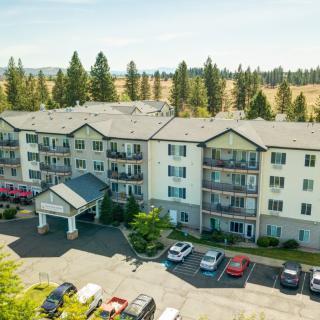
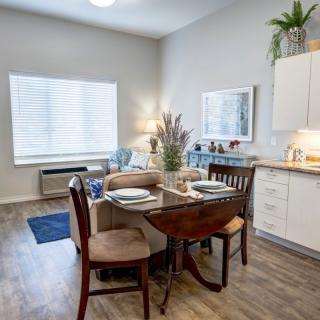
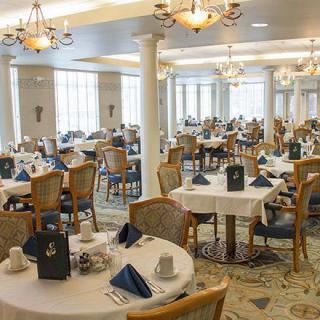
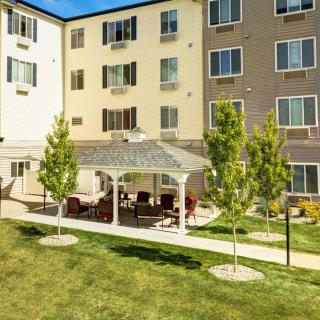
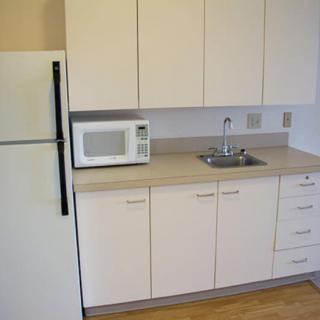
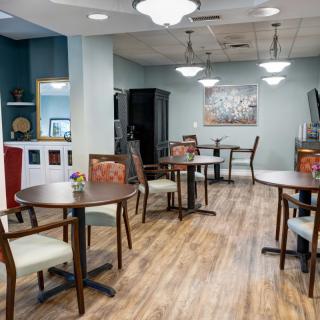
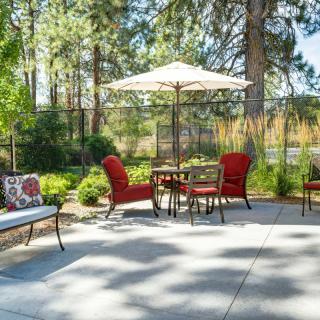
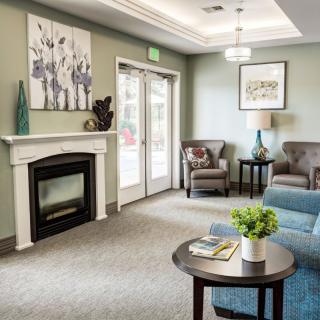
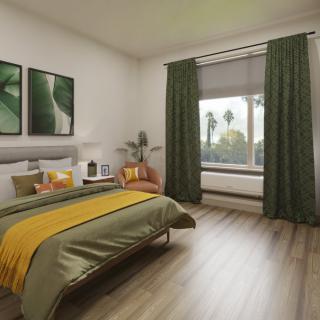
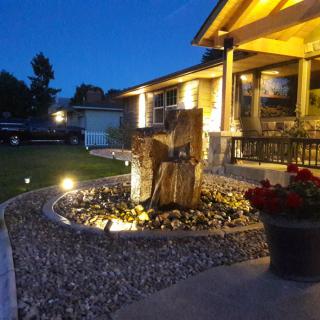
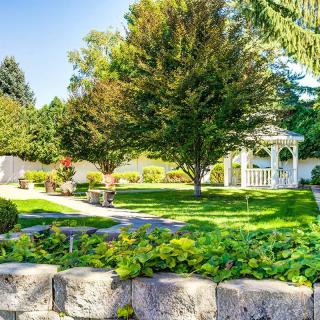
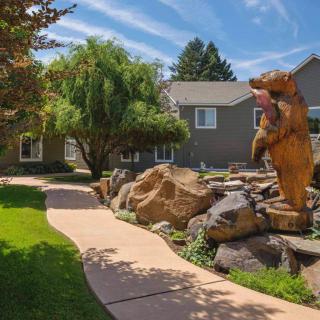
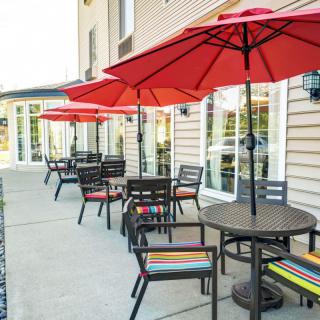
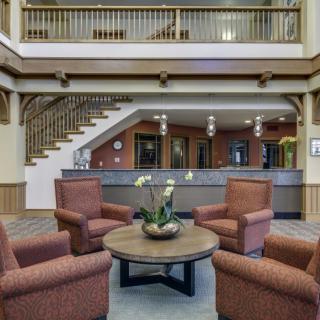
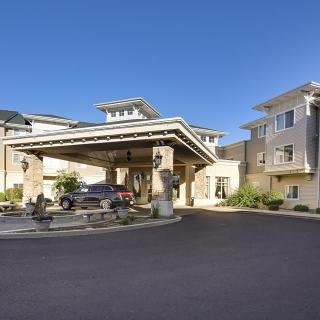
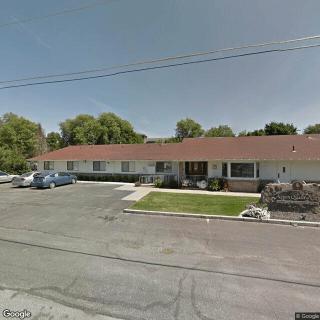
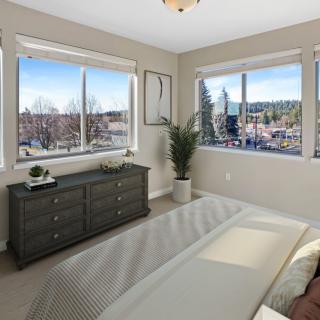
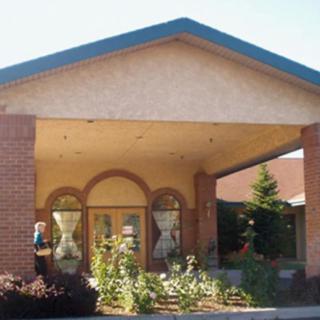
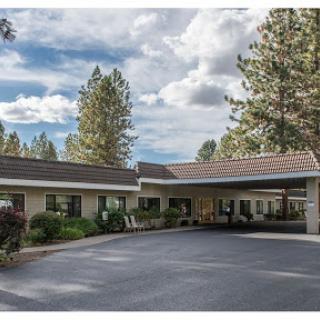
North Point Village on seniors.fyi includes 39 photos including images showing interior, floor plan, bedroom, dining, kitchen, decor, living room, windows, and more.
Nearby Communities
Regency At Northpointe
Spokane, WA
3.5 from 40 reviews
Strong rehab staff and quality amenities.
Avalon Care Center – Northpointe
Spokane, WA
3.4 from 107 reviews
Compassionate staff in a clean, well-organized environment.
Fairwinds - Spokane
Spokane, WA
4.5 from 104 reviews
Upscale amenities, friendly staff, and engaging activities in a clean, spacious setting.
Fairwinds Spokane
Spokane, WA
4.4 from 93 reviews
$3,100 to $4,840 / month
Beautiful, well-maintained community with friendly staff and engaging activities.
Aspen Quality Care
Spokane, WA
3.9 from 38 reviews
$5,700 to $6,900 / month
Warm, family-like atmosphere with caring staff and prompt communication; pleasant amenities and outdoor spaces.
Rockwood at Whitworth
Spokane, WA
5 from 3 reviews
Broad care options with 24/7 staff and memory-care programming.
Royal Park Health And Rehabilitation
Spokane, WA
3.5 from 70 reviews
Attentive staff and a clean, inviting dining area.
Pleasant Comfort AFH
Spokane, WA
4.9 from 14 reviews
$5,500 / month
Homemade meals with attentive staff in a clean, welcoming setting.
Manor Care Health Services - Spokane
Spokane, WA
3.5 from 97 reviews
Comprehensive on-site care and amenities (24h supervision, nursing, dining, wellness, transportation).
Dementia, particularly Lewy body dementia, often involves hallucinations that can significantly distress both patients and caregivers due to disruptions in sensory processing and neurotransmitter imbalances. Effective management includes compassionate communication, environmental adjustments, and a multidisciplinary approach to care while addressing the emotional needs of caregivers.
Alzheimer’s disease is a progressive neurological disorder that significantly impacts memory and cognitive functions, accounting for 60-80% of dementia cases, with early diagnosis being crucial yet challenging. It involves brain changes like beta-amyloid plaques and tau tangles, influenced by genetic and lifestyle factors, and while there is no cure, symptom management and support for caregivers are essential.
Dementia, influenced by aging and certain medications, may be exacerbated by drug classes such as anticholinergics, benzodiazepines, and antipsychotics, which are associated with cognitive impairment. Regular medication reviews by healthcare professionals are crucial for older adults to manage risks and optimize cognitive health.
Exercise Equipment, Rehabilitation, Physical Therapy, and Therapy Room
Salon and Mirrors
Bookshelves, Indoor Plants, and Reading Area
Wall Art
Nature
Parking
Cabinets and Refrigerator
Library
Office and Reception
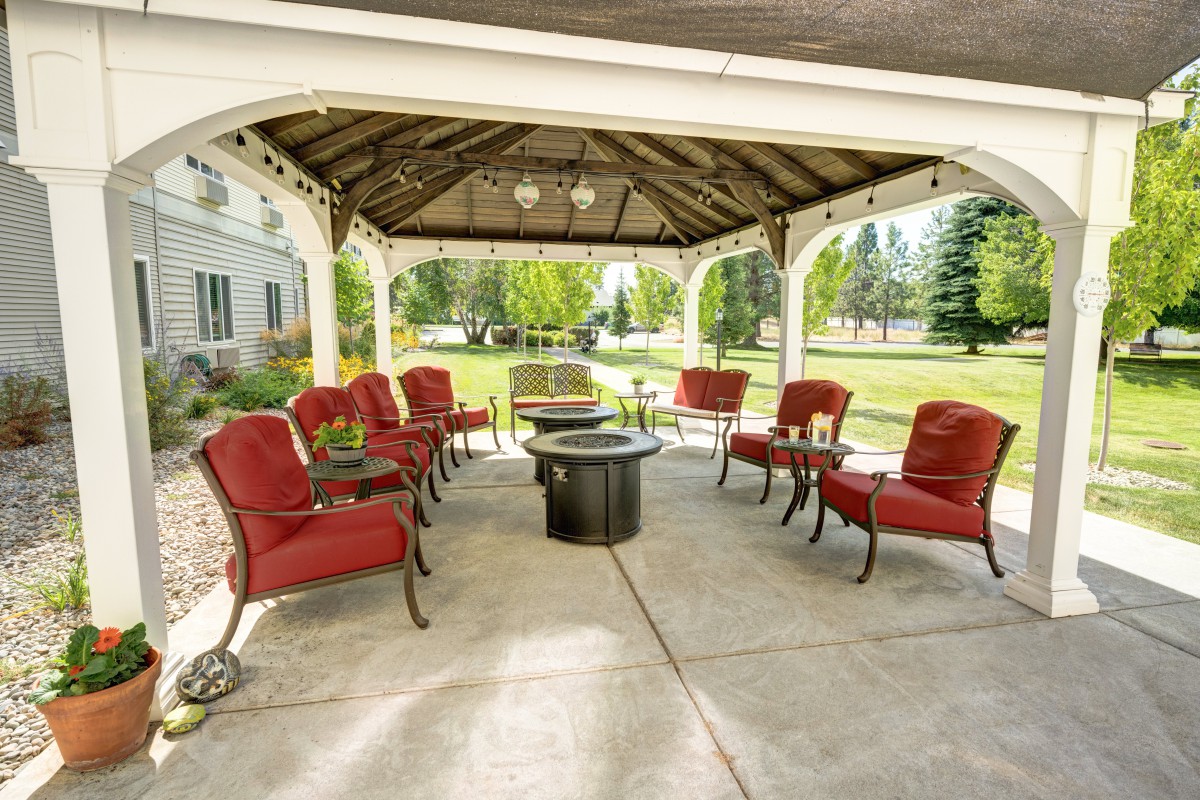
Gazebo
Living Area
Home Design
Modern Furniture
Coffee Station
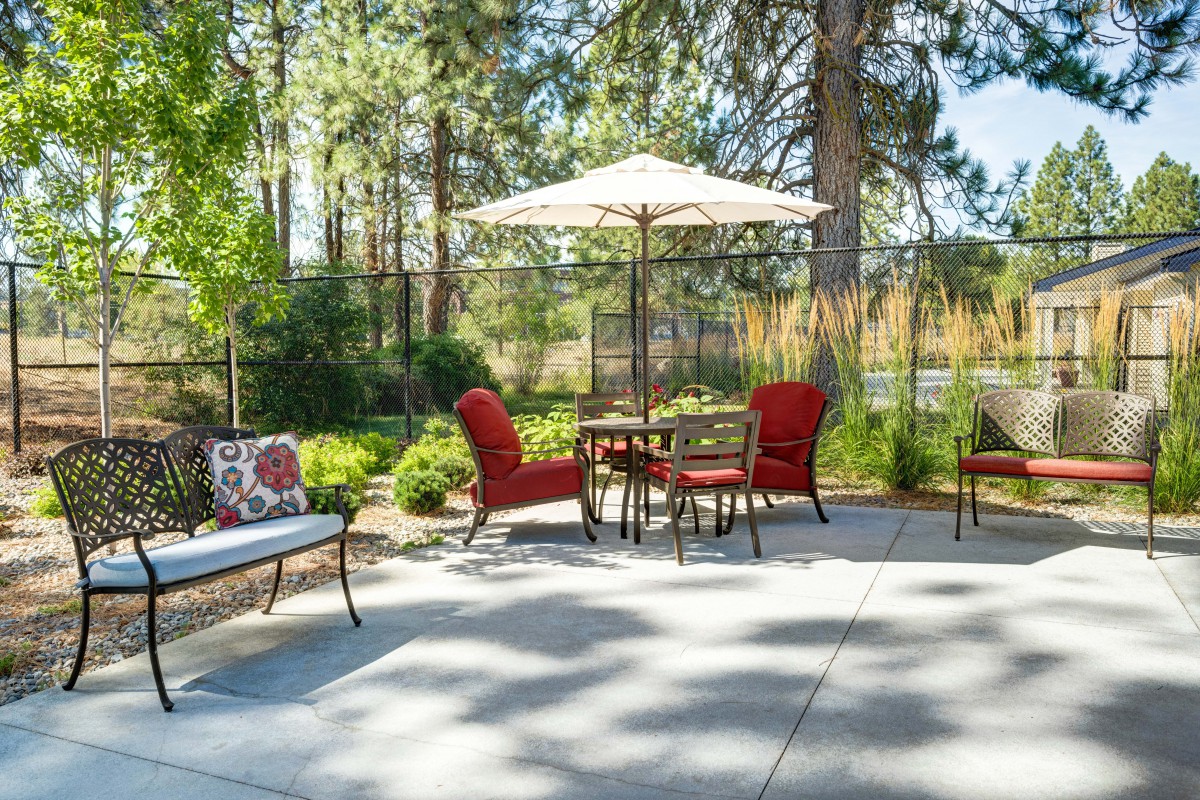
Patio Furniture and Fire Pit
Additional Photos
Get PricingAsk A QuestionSchedule A TourContact Senior Advisor
By clicking submit, you agree to our Partner's Terms of Use. You
also consent to receive calls and texts, which may be autodialed, from our Partner. Your consent is not a condition to
using our Partner's service. Please visit our Partner's Privacy Policy for information about their privacy practices.

 126 resident community capacity
 1-bedroom apartments
 Assisted Living
 Memory Care
 Cats allowed
 Dogs allowed
 Activities off-site
 Air-conditioning
 Beautician on-site
 Cable or satellite TV
 Computer center
 Devotional services off-site
 Dining room
 Fitness room
 Fully furnished
 Gaming room
 Garden
 Ground floor units
 Handicap accessible
 Housekeeping services
 Indoor common areas
 Kitchenette
 Move-in coordination
 Outdoor common areas
 Private bathrooms
 Private patio, deck, or balcony
 Respite or short term stays offered
 Restaurant-style dining
 Small library
 Telephone
 Wellness center
 Wheelchair accessible showers
 Wi-Fi/high-speed internet available
 Spokane International (11 miles away)
 Community operated transportation
 12-16 hour nursing
 24-hour call system
 Assistance with bathing
 Assistance with dressing
 Assistance with transfers
 Diabetes diet
 Diabetic care
 High acuity care
 Hospice waiver
 Incontinence care
 Medication management
 Mental wellness program
 Special dietary restrictions
 Transportation arrangement (medical)
 Art classes
 Catholic services
 Concierge services
 Day trips and outings
 Educational speakers / life long learning
 Happy hour
 Karaoke
 Live dance or theater performances
 Live musical performances
 Wine tasting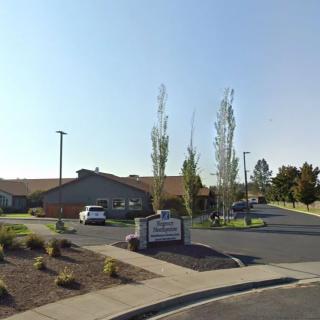
 Strong rehab staff and quality amenities.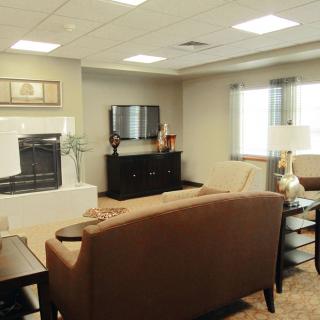
 Dementia-Related Hallucinations: Causes, Experiences, and Practical Approaches
 Illuminating Insights About Alzheimer's Disease: Ten Crucial Realities
 A Thorough Discussion of Medications Potentially Linked to Dementia Risk