3408 E Liberty Avenue, Spokane, WA 99217
To contact a resident: (509) 290-5554
For more information about senior living options: (866) 208-4318
Liberty Cottage Costs & Pricing
Liberty Cottage offers competitive monthly rates for its accommodations, with semi-private rooms priced at $3,500 and private rooms available for $4,000. These costs not only provide a more affordable option compared to Spokane County's averages of $3,863 for semi-private and $4,111 for private accommodations but also reflect significant savings relative to the state benchmarks of $4,267 and $4,772 respectively. This positioning underscores Liberty Cottage's commitment to delivering quality care at accessible pricing, making it an attractive choice for those seeking residential options in the region.
| Floor plans | Liberty Cottage | Spokane County | Washington |
|---|---|---|---|
| Semi-Private | $3,500 | $3,863 | $4,272 |
| Private | $4,000 | $4,111 | $4,774 |
Senior living communities with a similar price nearby
-
from -$500 / mo

Beacon House
$3,000 / month5.3 miles away -
from -$429 / mo

Windriver Place
$3,071 to $5,564 / month6.8 miles away -
About the same
Mary Ann's Home Care
$3,500 to $4,000 / month5.9 miles away -
from -$505 / mo

Revel Spokane
$2,995 to $4,400 / month4.6 miles away -
from +$239 / mo
Avamere at South Hill
$3,739 to $6,138 / month6.0 miles away
Overall Review of Liberty Cottage
Pros
 The staff are sweet and genuinely focus on residents' well-being.
- They offer many great services that other agencies might not provide.
- The residents feel at home and treat each other like family.
- The reviewer is completely satisfied and amazed by this AFH.
Cons
 It is not a good place for those seeking both physical care and intellectual stimulation.
- The house is full of developmentally disabled adults who sit and watch cartoons all day.
- There are no activities offered, and there is no one there for an elderly person to interact with.
- If someone is seeking high-quality care for an elderly adult who is fully cognizant, they should look elsewhere.
Review
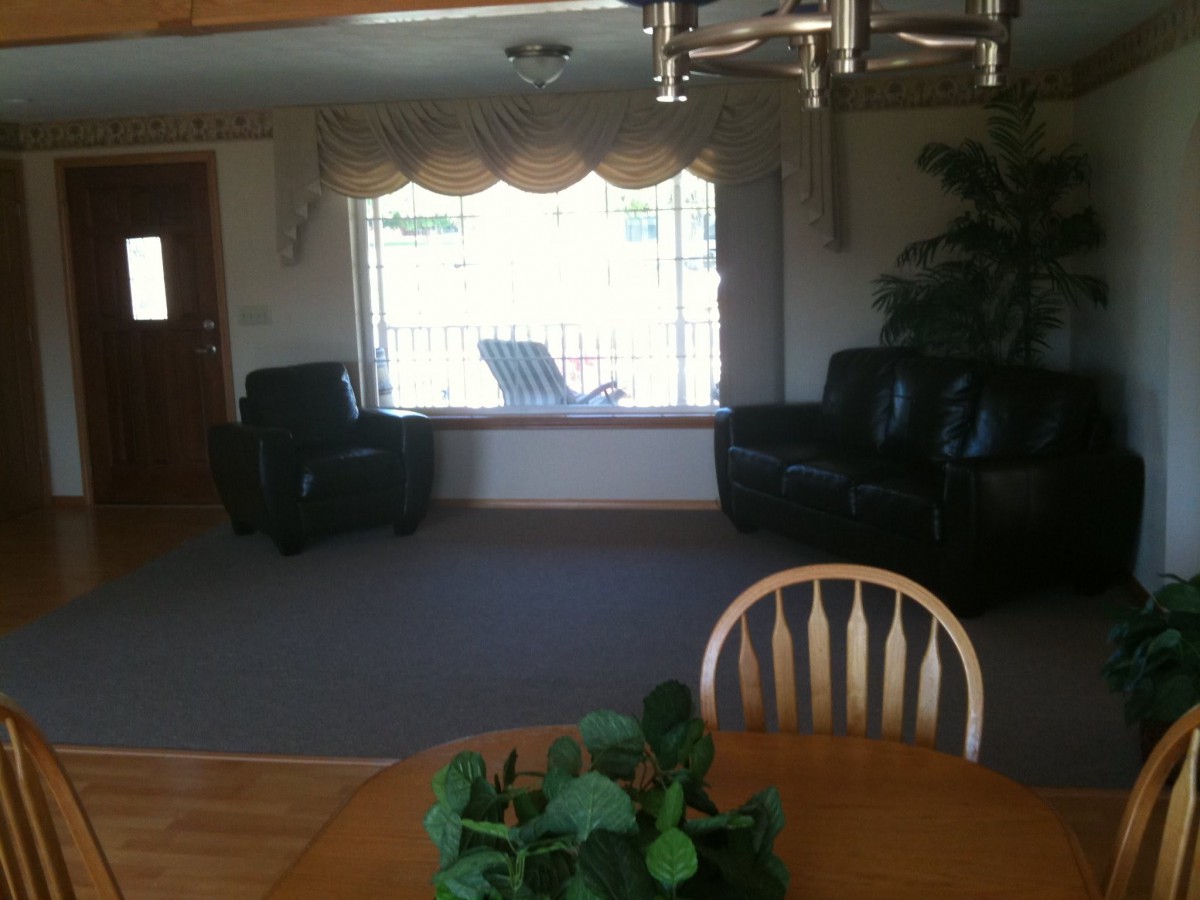
Liberty Cottage in Spokane, WA is best suited for families seeking a warm, home-like setting where caregivers genuinely attend to daily comfort and well-being. It works for an elderly resident who primarily needs help with physical care, companionship, and a sense of belonging, rather than a tightly structured program of intellectual or social activities. In short, this is a good fit for someone who values a family-style atmosphere and individualized attention over formalized enrichment.
Those evaluating alternatives should note who may want to look elsewhere. If the senior requires robust intellectual stimulation, a bustling activity calendar, or frequent social engagement with peers, Liberty Cottage may fall short. The home appears to mix residents with developmentally disabled adults, which can create a dynamic that feels mismatched for fully cognizant seniors seeking ongoing cognitive challenges and a wide range of stimulating interactions. For families prioritizing advanced programming, specialized memory care, or a more conventional assisted-living calendar, other options are likely to better meet expectations.
On the upside, the staff are described as exceptionally kind and attentive. They are said to genuinely focus on residents’ well-being, cultivating a sense of home where residents are treated like family. The environment tends to be more intimate and less clinical than larger facilities, with a staffing approach that can translate into meaningful, daily comfort and safety. For families seeking genuine warmth and a place where caregivers form strong, personal connections with residents, these strengths can be decisive.
The dominant downside, however, is clear and persistent in the feedback: a lack of intellectual and social engagement. Reviewers report no meaningful activities or opportunities for interaction beyond basic care, and describe the home as largely watching cartoons with little to no programmed enrichment. For an elderly adult who still desires mental stimulation, conversation, or varied pursuits, this can translate into boredom and isolation. The presence of developmentally disabled residents in the home, while not inherently negative, contributes to a dynamic that many seniors will find unsuitable if their needs include regular, purposeful engagement.
These pros and cons do not cancel each other out; they simply tilt the balance in opposite directions depending on what matters most to the family. The warmth and personalized attention offer tangible value and can significantly improve daily life for someone who prioritizes comfort, consistency, and a feeling of being cared for. Yet the absence of structured activities and the resident mix described by multiple reviewers can undermine long-term satisfaction, risk a decline in social connectedness, and leave cognitively engaged seniors wanting more. In practical terms, Liberty Cottage works best as a compassionate, low-key home for physically dependent seniors who don’t demand a rich program of activities and can thrive on daily companionship.
For families seriously considering Liberty Cottage, approach with a targeted visit and a clear checklist. Ask for a typical day’s schedule, the exact mix of residents, and how activities are planned and implemented. Inquire about staffing ratios on weekends and evenings, what “services beyond basic care” actually include, and how individual interests are accommodated. If continuity of care and a homey environment trump formal programming, Liberty Cottage can be a compelling choice. If, instead, cognitive engagement, structured programming, and a diverse resident mix are non-negotiables, pursue alternatives with stronger enrichment offerings and more expansive activity calendars.
 Board and Care Home
 Activities off-site
 Bath tubs
 Beautician on-site
 Devotional services off-site
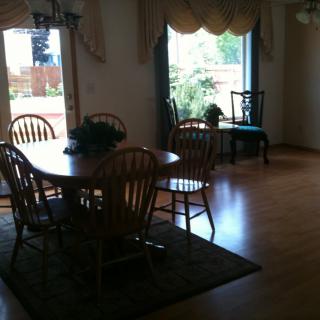
 Indoor common areas
 Outdoor common areas
 Private
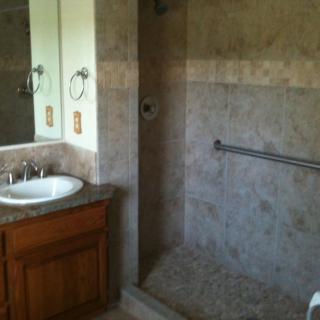
 Private bathrooms
 Respite or short term stays offered
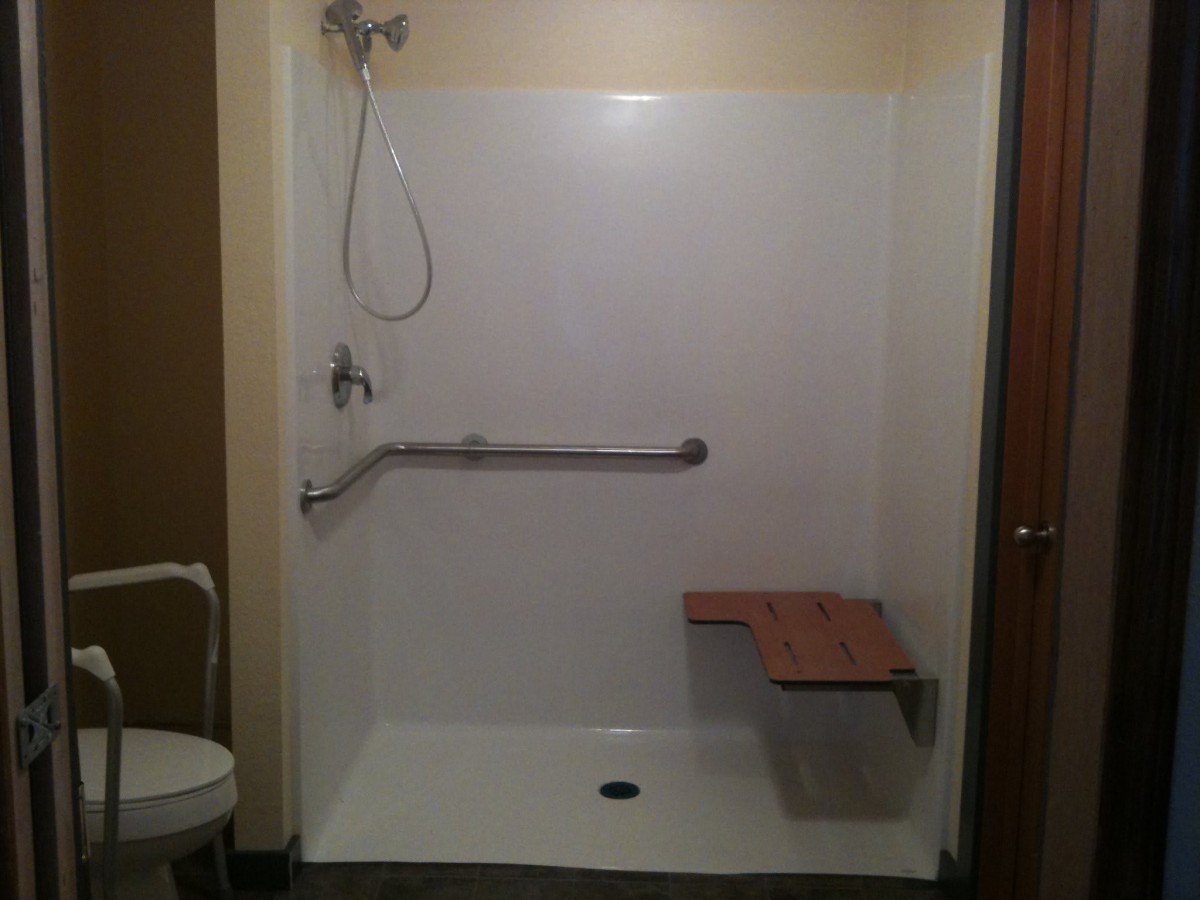
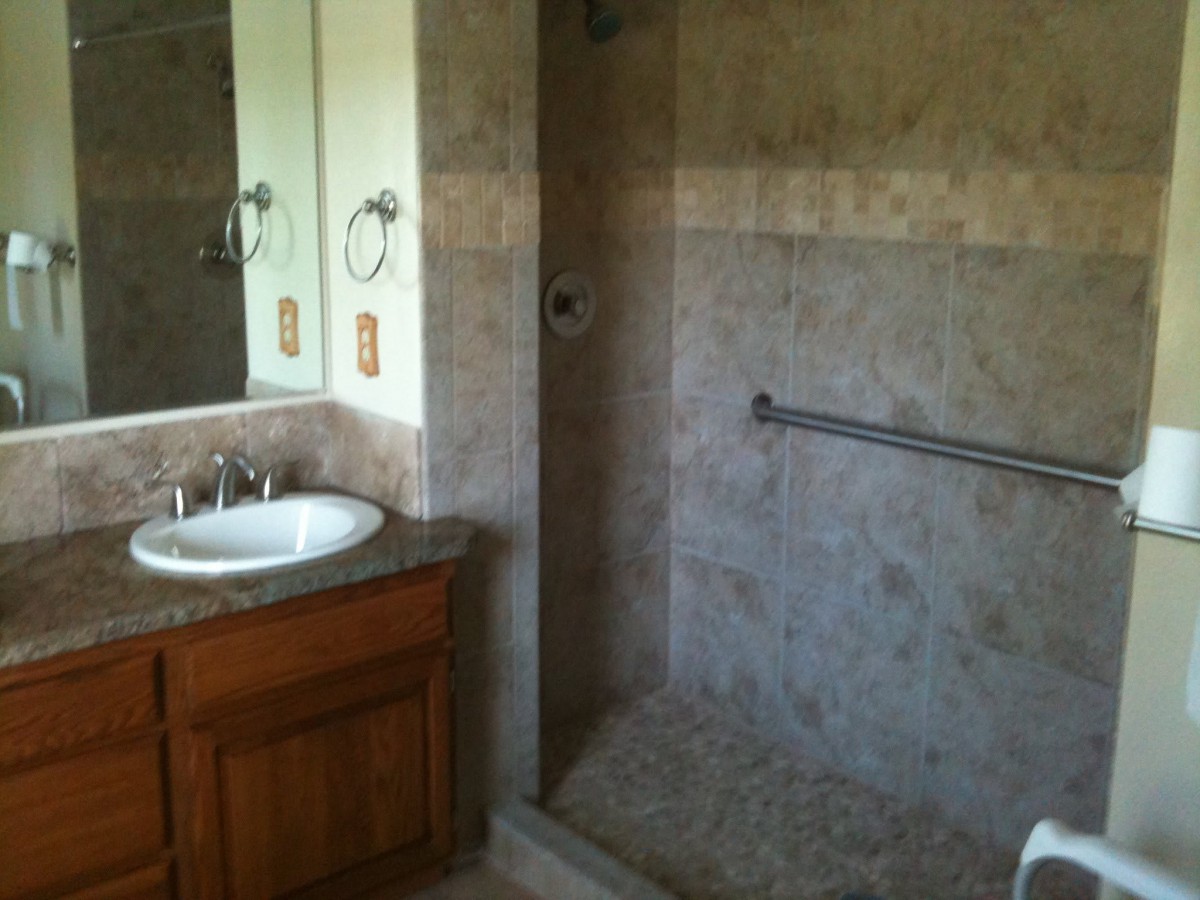
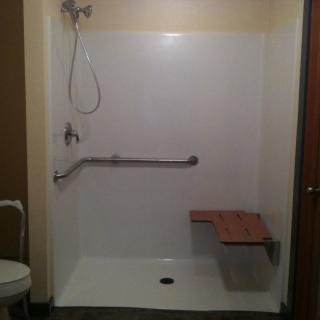
 Wheelchair accessible showers
 Spokane International (9 miles away)
 Diabetic care
 High acuity care
 Incontinence care
 Medication management
 Kosher
 Adventist services
 Buddhist services
 Islamic services





 Encouraging Participation in Adult Day Care: A Guide to Supporting a Hesitant Parent
 Comprehensive Exploration of Living Wills and Other Advance Directives
 A Detailed Exploration of Living Wills and Advance Directives