
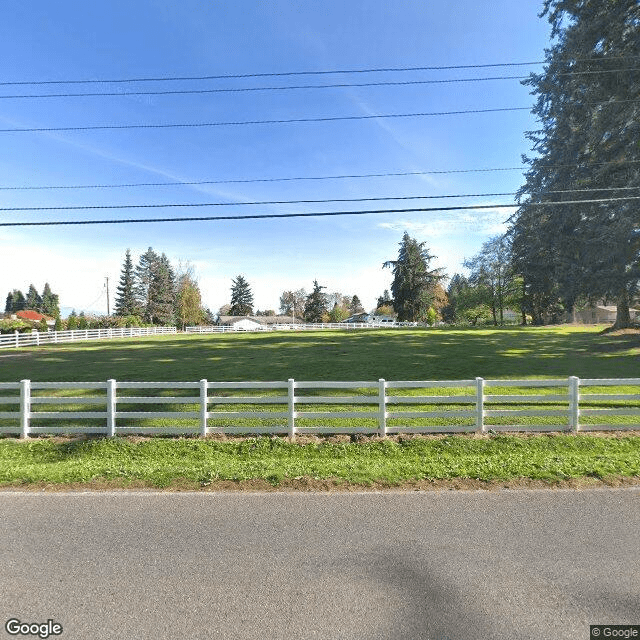
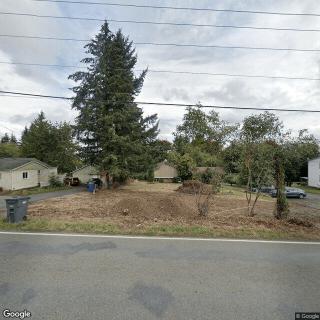
15711 73rd. Ave SE 425-246-7988 Taek Lee, Snohomish, WA 98296
To contact a resident: (360) 668-1578
For more information about senior living options: (866) 208-4318
Clearview AFH Costs & Pricing
Clearview AFH offers competitive pricing for its private room accommodations at $3,500 per month, which is notably more affordable compared to the average costs in Snohomish County and throughout Washington State. In contrast, the average monthly rate in Snohomish County stands at $4,834, while the state-wide average is slightly lower at $4,772. This positions Clearview AFH as an attractive option for individuals seeking quality care without compromising on affordability. The difference in pricing reflects a commitment to providing exceptional services while remaining accessible to families looking for supportive living arrangements.
| Floor plans | Clearview AFH | Snohomish County | Washington |
|---|---|---|---|
| Private | $3,500 | $4,834 | $4,774 |
Senior living communities with a similar price nearby
-
About the same
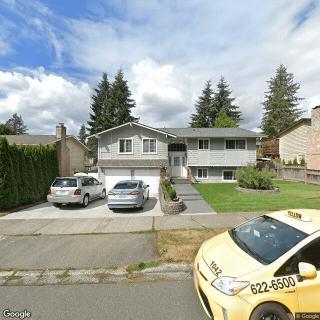
Dignity Life
$3,500 / month3.4 miles away -
from -$125 / mo
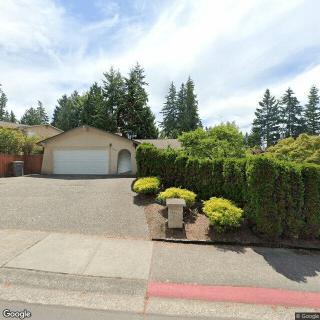
Evergreen Manor Senior Care Inc
$3,375 to $7,500 / month11.1 miles away -
from +$500 / mo
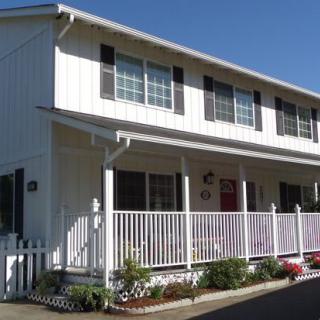
Meadow Crest Senior Home
$4,000 to $6,000 / month24.1 miles away -
from -$500 / mo
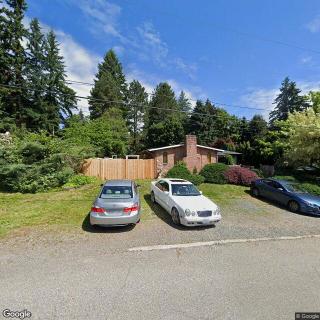
Caring Adult Family Home #1
$3,000 / month6.9 miles away -
About the same
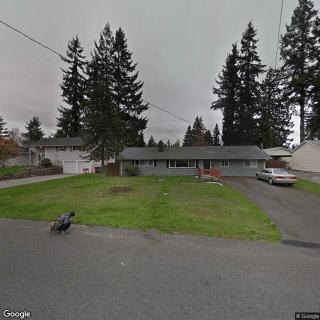
Terrace View AFH
$3,500 to $4,000 / month8.6 miles away
Overall Review of Clearview AFH
Pros
 Cedar Heights is described as a great home for loved ones, run by a RN owner who specializes in dementia care.
- The staff are amazing and make families feel like part of the family.
- The care is above and beyond, with personalized, home-like attention.
- Emmanuel, the owner, stays up to date with residents’ needs and provides regular updates and photos.
- The home is clean, safe, and well cared-for, with happy-looking residents.
- The staff-to-resident ratio is favorable, with no more than six residents and at least two staff present 24/7.
- Families would highly recommend Cedar Heights AFH for comfortable, caring, and experienced care.
- The facility supports recovery after surgeries and rehab with attentive staff and timely medical attention.
Review
This community is best suited for families seeking an intimate, home-like environment where a loved one can receive highly personalized care, especially if dementia needs and post-acute rehab are priorities. The model centers on a small, six-resident house run by a licensed RN owner, with around-the-clock staffing and a deliberate emphasis on safety, near-constant oversight, and frequent family communication. This is not a campus with vast programming; it is a tightly knit residential setting designed to feel like a private home while delivering professional care inside a controlled, attentive daily routine. For families who value consistency, direct caregiver contact, and the assurance that care plan details are managed by an experienced clinician-operator, this is a compelling fit.
Those who may want to consider alternatives include families whose loved one requires hospital-grade medical oversight or highly specialized on-site therapies beyond what a six-resident home can sustain. Larger communities with expansive activity calendars, multiple levels of care, or on-site physicians and full-time therapy suites may better serve someone needing frequent, highly diversified clinical interventions or a broader social program. Additionally, if independence and a wider array of amenities, on-site gyms, buses for excursions, or formal memory care curriculums, are non-negotiable, a bigger facility could better align with those expectations.
The strongest advantages here lie in the care depth and relational continuity. A dementia-focused approach is reinforced by owner-operator leadership and a consistently small caregiver team, which translates into careful attention to daily routines, nutrition, safety, and individualized responsiveness. Families repeatedly note rapid, clear communication, with updates and even photos of holidays and birthdays that help them feel connected. The home-like atmosphere, clean, comfortable, and staffed 24/7, yields a sense of security and belonging for residents, who often appear well-dressed, well-fed, and engaged in a social micro-community with one another. The ability to coordinate rehabilitation and post-surgical recovery through visiting caregivers adds practical value when a loved one transitions from hospital to home care.
Where the model shows trade-offs, they naturally stem from scale. The intimate setting means amenities and on-site program breadth are intentionally modest; this is not a facility designed to mimic a larger campus. For families seeking a wide spectrum of in-house therapies, wellness programs, or expansive social outings, expectations should be tempered. However, the proven strength, exceptional staff-to-resident attention, close supervision, and a family-style culture, often offsets these limits by fostering safer, more personalized care, rapid problem resolution, and consistent caregiver relationships that stay with the resident over time.
In evaluating outcomes, the narrative is consistently practical and reassuring. Residents benefit from a safe, predictable schedule, with staff present around the clock to monitor changes, administer medications, and coordinate with visiting healthcare providers. The owner’s proactive involvement, keeping up with care requirements, updating the house and yard, and maintaining strong lines of communication, provides measurable peace of mind for families. Post-acute successes, such as timely rehabilitation after a hip or stroke event and attentive nursing support, reinforce that this setting can bridge hospital and home more smoothly than larger facilities. The social environment remains meaningful without becoming overwhelming, which matters for mental well-being as well as physical health.
The bottom-line recommendation is clear: this type of six-resident, owner-operated AFH is a strong choice for families prioritizing intimate, highly customizable care, dementia expertise, and reliable post-acute support in a home-like setting. If those priorities match what a loved one needs, and if comfort with a smaller footprint, limited campus amenities, and a dependency on visiting therapists or external providers is acceptable, then moving forward with a tour and a candid discussion about staffing levels, care plans, and transition timelines is warranted. If, instead, the decision hinges on broad programming, expansive on-site medical services, or a larger, more varied social ecosystem, then it pays to compare with bigger facilities. In either case, insist on meeting the care team, reviewing the measurable care outcomes, and obtaining direct references to confirm that the operational rhythm aligns with the loved one’s goals.
 Board and Care Home
 Private
 Diabetic care

 Top Canine Companions for Older Adults
 Comprehensive Guide to Blood Pressure Charts for Older Adults: Understanding Normal and High Readings by Age
 Financing Long-Term Nursing Home Care Through Social Security: A Thorough Exploration