
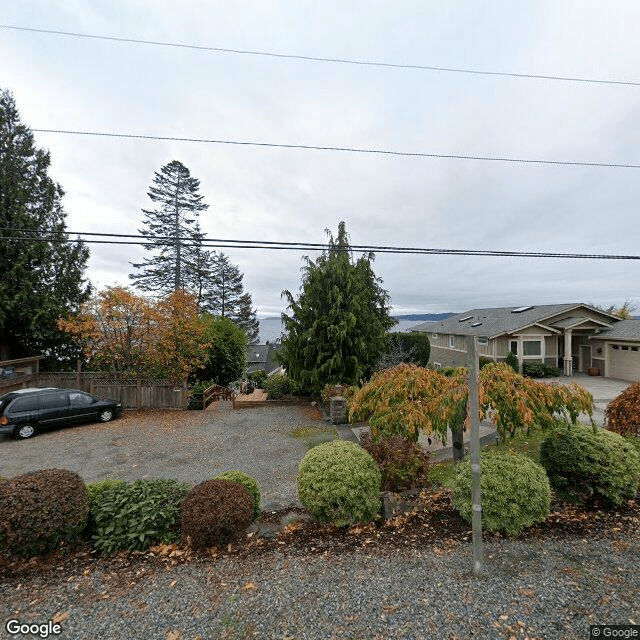
27011 8th Ave S, Des Moines, WA 98198
To contact a resident: (253) 529-2339
For more information about senior living options: (866) 208-4318
Golden Age AFH Costs & Pricing
Golden Age AFH offers competitive pricing for its resident accommodations compared to the wider market in King County and the state of Washington. For semi-private rooms, costs at Golden Age range from $3,000 to $4,000, significantly lower than the county's average of $4,430 and the state's average of $4,267. Additionally, private rooms are priced at a flat rate of $4,000 - again more affordable than both King County's average of $5,034 and Washington's average of $4,772. This positioning not only highlights Golden Age AFH's commitment to providing value but also underscores its strategic advantage in offering quality care while maintaining affordability within a competitive landscape.
| Floor plans | Golden Age AFH | King County | Washington |
|---|---|---|---|
| Semi-Private | $3,000 to $4,000 | $4,430 | $4,272 |
| Private | $4,000 | $5,034 | $4,774 |
Senior living communities with a similar price nearby
-
from +$375 / mo
Evergreen Manor Senior Care Inc
$3,375 to $7,500 / month24.3 miles away -
About the same
Hummingbird Homecare
$3,000 / month7.8 miles away -
About the same
Home Care in Kent Inc.
$3,000 to $3,500 / month5.7 miles away -
from +$500 / mo

Twin Lakes Haven Adult Family Home
$3,500 to $8,000 / month3.5 miles away -
from -$500 / mo
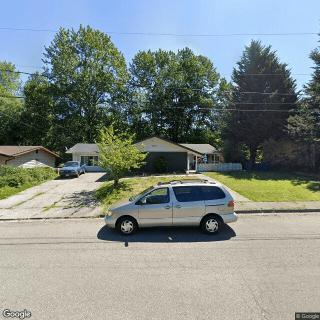
Freedom Care
$2,500 to $3,000 / month8.0 miles away
Overall Review of Golden Age AFH
Pros
 The place is clean.
- The staff is very friendly.
- They are doing a great job.
Cons
 The place could use cleaning.
- The place could use some cleaning.
Review
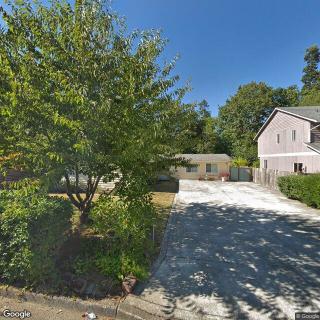
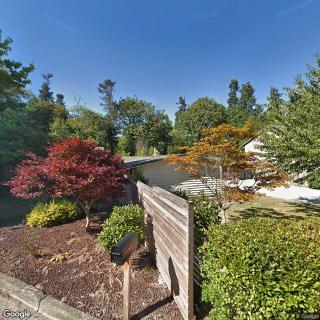
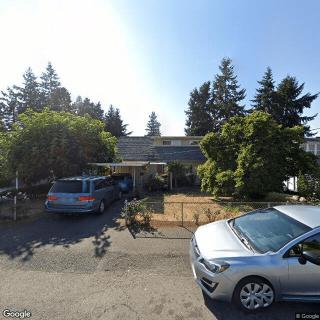
Golden Age AFH in Des Moines, WA, is best suited for seniors who want a compact, home-like setting where staff know residents by name and respond with warmth. This community reads as a place that prizes a human-scale approach, where day-to-day interactions feel personal and caregivers can respond quickly. It works well for those who don’t require aggressive programming or heavy clinical oversight but still value dependable, friendly contact with the people who care for them. In short, Golden Age AFH serves residents who prioritize familiarity, steady routines, and a sense of belonging that comes from a small, people-first environment.
Families should consider alternatives if cleanliness reliability or broader medical support is non-negotiable. The small, family-style operation naturally carries fewer resources than larger assisted living campuses, memory care wings, or skilled nursing facilities. If a resident needs constant on-site nursing, a wide array of therapeutic activities, or highly standardized housekeeping protocols, other options may deliver greater reassurance. Likewise, for families who want guaranteed, uniform cleanliness across every corner of the building at all times, a larger facility with formalized management layers may be a more predictable fit.
On the upside, the strongest asset is the staff’s warmth and accessibility. Observers consistently note a friendly, engaged team that makes residents feel seen and heard, which can translate into smoother daily routines and faster comfort during transitions. The intimate setting supports meaningful relationships; caregivers often know preferences and needs well, reducing friction and anxiety for residents who thrive on predictability and personal attention. Even when the space isn’t pristine at every moment, the quick, attentive tone of the team tends to counterbalance minor slips with genuine care.
That said, the occasional cleanliness hiccup is a real concern for some families. Even well-intentioned staff can miss spots, and such lapses can undermine confidence for residents who prize spotless surroundings. The smaller staffing footprint typical of an adult family home also means fewer hands on deck for around-the-clock needs and for a full schedule of activities. For families weighing safety, consistency, and the breadth of daily options, these limitations matter. The decision thus hinges on whether the comfort of a familiar, warm environment outweighs the potential gaps in housekeeping consistency or program breadth.
Nevertheless, the practical tradeoffs can be favorable for the right resident. The core advantages, genuine warmth, predictable routines, and a setting that feels like home, often offset the drawbacks when care plans align with what the home naturally provides. For individuals who flourish with direct caregiver access, clear daily structure, and a low-stress atmosphere, Golden Age AFH can offer a level of trust and companionship that larger communities struggle to replicate. Those considering this option should use a tour to verify how cleanliness is managed day-to-day, and to confirm that staffing patterns align with the resident’s care needs and family expectations.
Practical next steps should center on a targeted visit and a concrete set of questions. Arrange an on-site tour with a focus on cleanliness routines, daily activity options, and caregiver responsiveness, especially during morning and evening windows. Inquire about housekeeping schedules, how often rooms and common areas are cleaned, and who handles sanitization throughout the day. Meet the care team that would form the resident’s daily roster and request a sample care plan to understand the level of assistance available. Finally, compare this option against larger facilities to determine whether the intimate, warm environment justifies any trade-offs in service breadth and emergency readiness.
 Board and Care Home
 Activities on-site
 Bath tubs
 Outdoor common areas
 Private
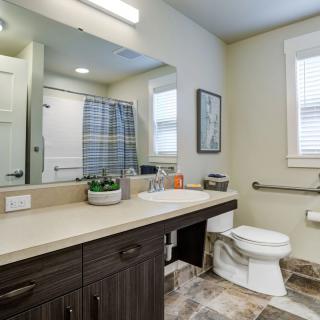
 Private bathrooms
 Respite or short term stays offered
 Wheelchair accessible showers
 Seattle-Tacoma International (6 miles away)
 Ambulatory care
 Diabetic care
 High acuity care
 Incontinence care
 Medication management
 Meals provided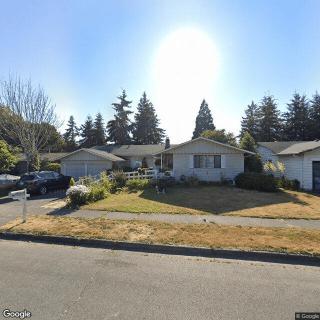

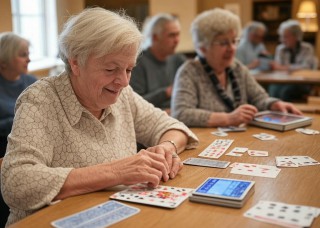 Effective Strategies for Keeping Seniors' Minds Active: A Deep Dive into Brain Games and Apps
 In-Depth Look at the VA Aid and Attendance Program
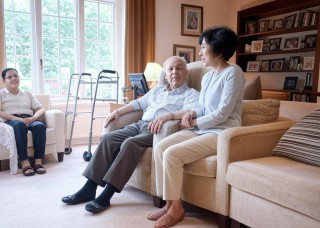 Nurturing Our Loved Ones: A Daughter's Journey in Caring for Her Mother