
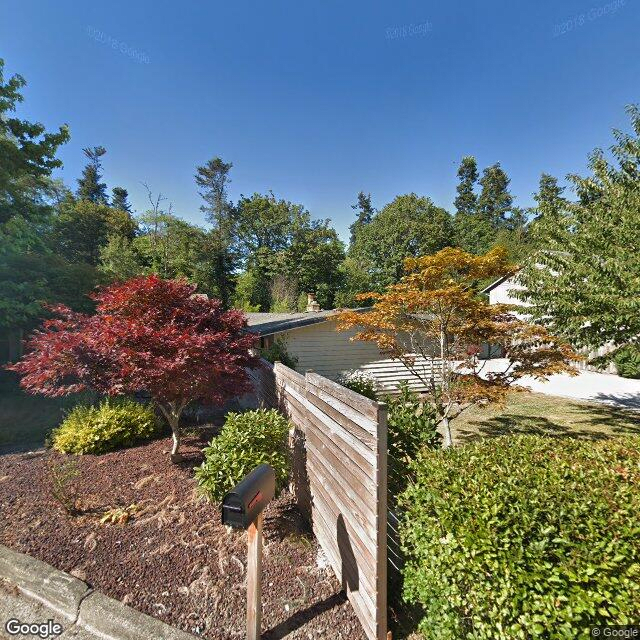
1210 S 256th Pl, Des Moines, WA 98198
To contact a resident: (253) 839-0703
For more information about senior living options: (866) 208-4318
Everlasting Home Care II Costs & Pricing
Everlasting Home Care II offers competitive pricing for private room accommodations at $3,800 per month, which is notably lower than the average costs in both King County and the broader state of Washington. In King County, the average monthly rate for similar private rooms is approximately $5,034, while the statewide average stands at about $4,772. This significant difference in cost positions Everlasting Home Care II as an attractive option for those seeking quality care without compromising on affordability. By providing a more economical solution in a region where care expenses can be steep, they demonstrate their commitment to accessible healthcare options for individuals and families alike.
| Floor plans | Everlasting Home Care II | King County | Washington |
|---|---|---|---|
| Private | $3,800 | $5,034 | $4,774 |
Senior living communities with a similar price nearby
-
from -$425 / mo
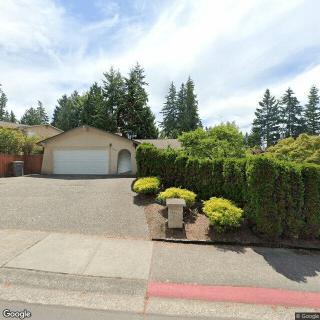
Evergreen Manor Senior Care Inc
$3,375 to $7,500 / month23.4 miles away -
from +$200 / mo
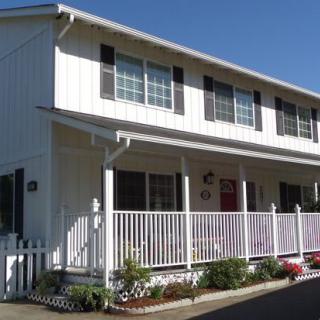
Meadow Crest Senior Home
$4,000 to $6,000 / month11.3 miles away -
from +$200 / mo

Riverton Home Care
$4,000 to $5,000 / month7.3 miles away -
from +$200 / mo
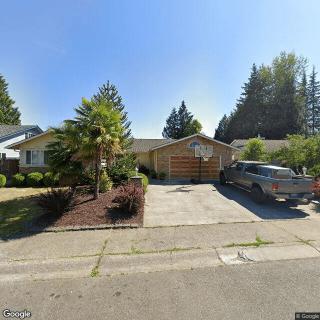
Gentle Care Home
$4,000 to $5,500 / month10.4 miles away -
from -$300 / mo

Twin Lakes Haven Adult Family Home
$3,500 to $8,000 / month4.3 miles away
Overall Review of Everlasting Home Care II
Pros
 AAA Loving Care is a wonderful place for a loved one.
- The facility is clean and the staff are friendly.
- Banchi and her staff provide extraordinary and loving care for residents.
- The care team is compassionate and loving, earning the trust of families (they even call residents "Mama").
- They respond immediately to concerns, easing anxiety about caregiving.
- Banchi and her team provide excellent service and meet care needs, with high satisfaction.
- AAA Adult Family Care LLC is highly recommended for quality care.
Review
Everlasting Home Care II in Des Moines, WA is best suited for families seeking a warm, small-scale, home-like elder care environment where caregivers deliver deeply personal, attentive support rather than a large campus experience. The model shines when independence is modest but ongoing assistance is needed, and when trust and ease of communication with caregivers are paramount. It is ideal for residents who thrive on intimate, consistent interactions with a tight-knit team, and for families that value visible affection and a transparent caregiving plan over formal routines. Those who prioritize a dignified, cozy atmosphere over grand lobby spaces will find this community's approach compelling.
Residents benefit from a clean environment and a staff that radiates warmth. The testimonials describe extraordinary, loving care that goes beyond basic tasks, with caregivers forming genuine bonds. Family members express trust and peace of mind, citing rapid responses to concerns and alignment with care objectives. The caregiver team appears consistently attentive, with open lines of communication that reassure relatives and reduce anxiety about their loved one’s welfare. In short, cleanliness, compassionate engagement, and reliable responsiveness create a supportive daily life where residents feel valued and families feel heard.
For families whose priorities include robust on-site medical oversight, a larger staff of licensed nurses, or structured, facility-wide programming, alternatives may be wiser. Those with residents who require 24/7 skilled nursing, complex medications, or specialized memory care may find a home-like setting insufficient for medical complexity. Similarly, families seeking formal activities schedules, extensive social programming, or discreet clinical supervision may prefer a traditional assisted living campus or a memory care community. In short, when medical needs outweigh the comfort and intimacy of a small home care model, broader facilities become a more practical match.
Yet the strong points, personalized attention, rapid responsiveness, and a trusted caregiver relationship, offset many typical drawbacks of small, home-based care. The intimate setting ensures care plans are tailored to the exact needs of each resident, with caregivers who understand preferences, routines, and medical nuances in minutes rather than days. Quick, direct communication with families minimizes uncertainty and enables timely adjustments. Cleanliness and a homelike atmosphere reduce stress for seniors, while affectionate interactions cultivate emotional well-being that can mitigate the limitations of fewer on-site clinical resources. The trade-off is balanced in favor of consistent, day-to-day security and comfort.
Nevertheless, the model does impose boundaries. The absence of round-the-clock nursing and the lack of a large clinical team may require families to coordinate care with external providers and manage medical logistics proactively. Activities may be more intimate and spontaneous rather than structured, which suits some seniors but not others who crave a busy social calendar. The dependency on a small staff also means turnover risk can affect continuity. However, the proven depth of caregiver engagement, combined with strong family communication channels, often compensates for these gaps by delivering reliable, familiar care without the impersonality of a larger campus.
For decision-makers in Des Moines evaluating elder care options, this community offers a compelling option when the priority is warmth, trust, and a high level of personal attention in a home-like setting. It is especially well-suited for seniors who value consistent caregivers, immediate problem-solving, and a feeling of being cherished. Those with significant medical complexity or a preference for formal programming should explore larger assisted living or memory care options as a complement or alternative. Prospective families should schedule a visit, ask about daily routines, nursing availability, and costs, and verify that the level of care aligns with current and anticipated needs.
 Board and Care Home
 Cats allowed
 Dogs allowed
 Private
 Seattle-Tacoma International (5 miles away)
 Diabetic care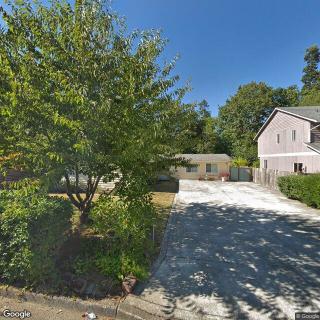

 Understanding the Nuances of Palliative Care and Hospice: A Comprehensive Exploration
 Fecal Incontinence in Older Adults: A Comprehensive Guide
 Recognizing the Journey: Understanding and Navigating Anticipatory Grief