
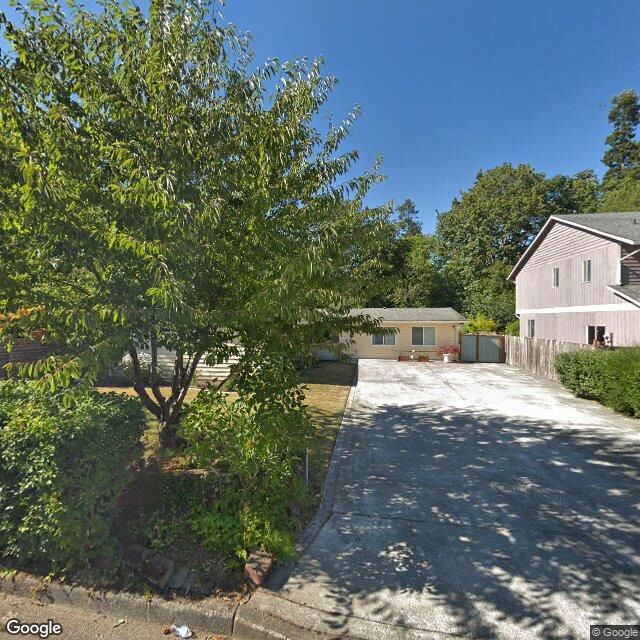
1210 South 256th Place, Des Moines, WA 98198
To contact a resident: (253) 839-0703
For more information about senior living options: (866) 208-4318
DMC Everlasting Home Care II Costs & Pricing
DMC Everlasting Home Care II offers a highly competitive monthly rate for private room accommodations at $4,000. This pricing positions the facility favorably compared to the average costs in King County, which are approximately $5,034, and across the state of Washington, where the average stands at about $4,772. By providing quality care at a more accessible price point than both county and state averages, DMC Everlasting Home Care II emphasizes its commitment to affordability without compromising on the essential services and comforts that residents require.
| Floor plans | DMC Everlasting Home Care II | King County | Washington |
|---|---|---|---|
| Private | $4,000 | $5,034 | $4,774 |
Senior living communities with a similar price nearby
-
from -$625 / mo

Evergreen Manor Senior Care Inc
$3,375 to $7,500 / month23.4 miles away -
About the same

Meadow Crest Senior Home
$4,000 to $6,000 / month11.3 miles away -
About the same

Riverton Home Care
$4,000 to $5,000 / month7.3 miles away -
About the same
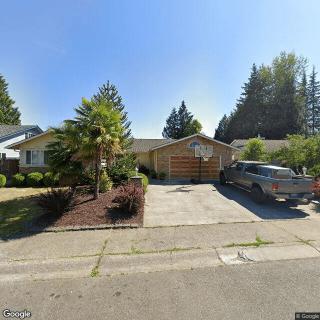
Gentle Care Home
$4,000 to $5,500 / month10.4 miles away -
from -$500 / mo

Twin Lakes Haven Adult Family Home
$3,500 to $8,000 / month4.3 miles away
Overall Review of DMC Everlasting Home Care II
Pros
 The first interview is a show where everything looks good.
- They offer a lot.
Cons
 The owner/director treats the facility as a mere business, lacking empathy and dedication to the elderly.
- In the father’s final moments, the owner/director was extremely rude, lied, and showed no empathy toward the family.
- The first interview feels like a show; they promise many things that the owners do not fulfill.
- They did not give medications on time, did not change the sheets, and withheld night medications because caregivers had to sleep.
- The elderly are treated as a business; there is a lack of vocation and sensitivity toward residents.
- They create obstacles to hospice services, pushing families to go where they know people and where no one supervises.
Review
DMC Everlasting Home Care II in Des Moines is best suited for families that must supervise every aspect of care up close and are prepared to tolerate uneven service in exchange for a lower price point. The reviews suggest an environment where empathy and vocation for elder care are not reliably evident, and where the business side of running a facility often takes precedence over consistent, compassionate daily support. If a loved one requires dependable medication management, timely personal care, and a consistently respectful atmosphere, this community is not the right fit. For families able to spend considerable time visiting at irregular hours, asking hard questions, and holding staff to account, there may be a semblance of control, but that is the exception, not the rule.
Altogether, this setting calls for alternatives for nearly every family prioritizing reliable, person-centered care. Facilities with transparent track records, stronger staffing ratios, and proactive administrative leadership should be the default comparison. Look for communities that document medication passes with clear schedules, that show staff training and retention, and that emphasize residents’ dignity in every interaction. In practice, that means choosing places where caregivers are consistently present, where the intake process aligns with actual day-to-day operations, and where empathy forms the core of service rather than a marketing line.
The key pros, if any, do not meaningfully offset the dominant cons described by multiple reviewers. The glossy first interview and promises that owners allegedly failed to keep become a troubling counterpoint to ongoing care delivery. The most damning indicators are not cosmetic but concrete: medications not delivered on time, sheets left unchanged, and night medications withheld under the pretext of caregiver rest. The impression given is that residents are viewed more as a revenue stream than as individuals with evolving needs. In this light, any perceived amenities or convenience evaporate when daily care proves unreliable, and the emotional toll on families during serious moments is high.
Red flags accumulate quickly for families weighing a move. The repeated claims that the owner/director treats the facility as a business, coupled with episodes of overt rudeness and alleged dishonesty during critical times, point to a troubling culture. The presence of hospice services, described as difficult to navigate or supervised in ways that outsiders would deem inappropriate, amplifies the risk. These patterns raise legitimate concerns about oversight, accountability, and the emotional safety of residents. Surprising visits and outside audits may uncover issues, but they also signal a fundamental instability in daily operations that can be hard to correct on short notice.
For families intent on making a careful decision, a practical framework is essential. Begin with a formal, documented review of medication administration records, nursing supervision, and staffing patterns across shifts. Speak with the supervising clinician or administrator about how evenings and nights are covered and what contingency plans exist for urgent needs. Check state licensing records and any open complaints for the home, and request concrete examples of care plans and progress notes. If possible, arrange partial-day stays or trial visits to observe how staff interact with residents and how concerns are addressed in real-time. Insist on transparent communication channels that continue beyond the tour and the initial admission.
Bottom line: this community is not a favorable default choice for most families seeking dependable, compassionate assisted living. The weight of negative experiences, ranging from delayed medications to dismissive conduct by leadership, outweighs any potential savings. Alternatives with stronger staffing, steadier leadership, and clear, person-centered care protocols should be prioritized. For those evaluating options in Des Moines, explore facilities with higher ratings, verified caregiver continuity, and explicit commitments to timely medical administration and respectful resident treatment. In-home care options or other nearby communities with proven histories of reliable care are prudent benchmarks to use before committing.
 Board and Care Home
 Cats allowed
 Dogs allowed
 Activities on-site
 Devotional services on-site
 Indoor common areas
 Outdoor common areas
 Private
 Respite or short term stays offered
 Wheelchair accessible showers
 Seattle-Tacoma International (5 miles away)
 Diabetic care
 High acuity care
 Incontinence care
 Medication management
 Meals provided






 Navigating the Financial Road to Nursing Home Care: In-Depth Guidance and Resources
 Supportive Employee Benefits That Help Caregivers Attain Better Work-Life Harmony
 Top Cars for Senior Drivers and Essential Safety Innovations