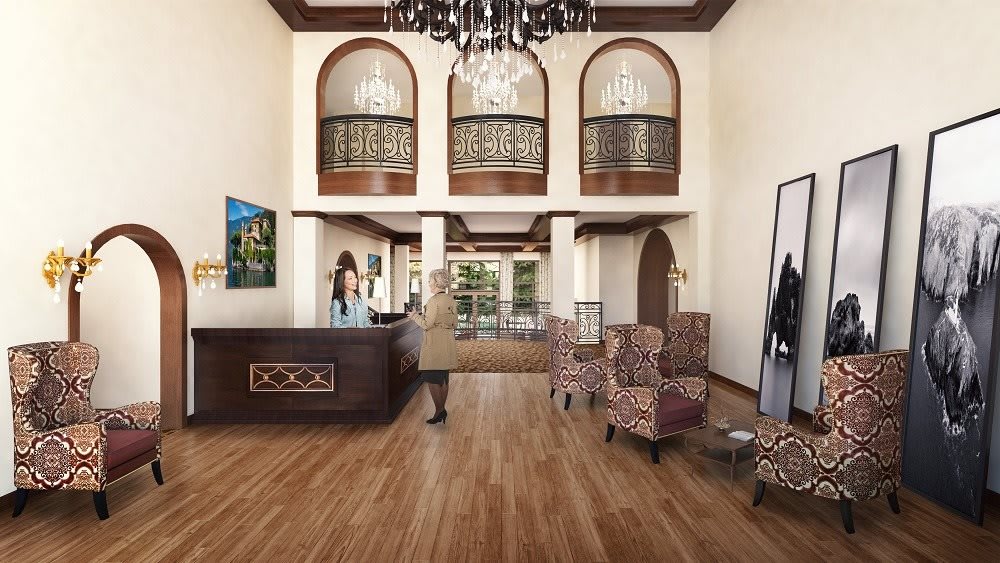
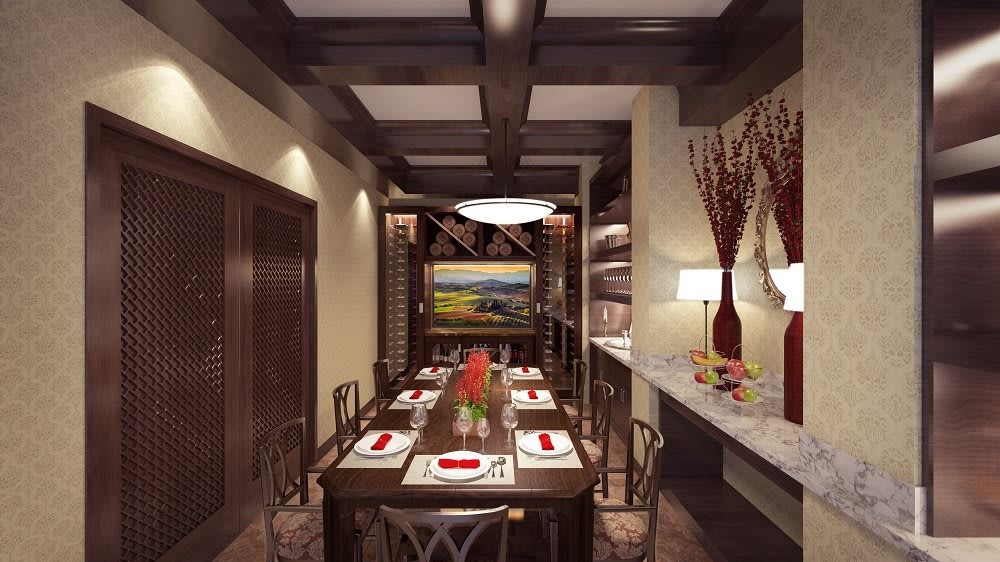

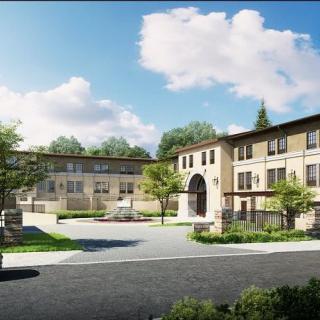
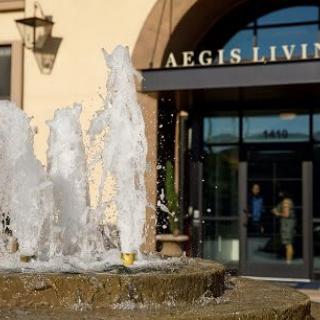
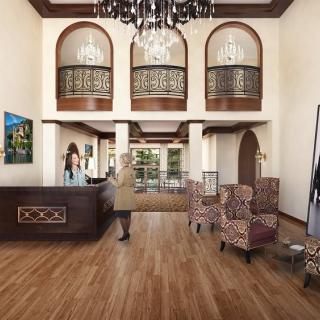



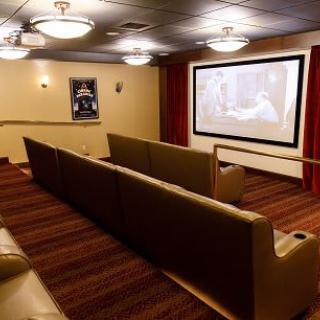

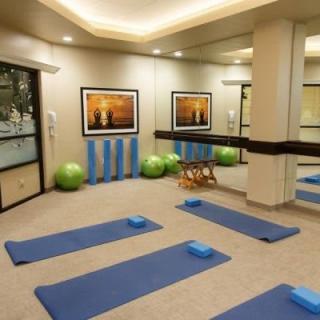

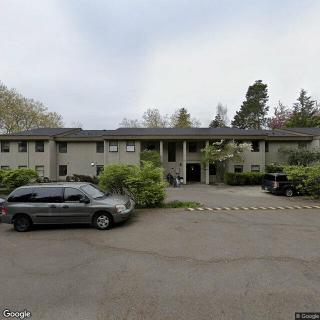
8511 15th Ave NE, Seattle, WA 98115
To contact a resident: (425) 882-1810
For more information about senior living options: (866) 208-4318
Aegis at Ravenna Costs & Pricing
Aegis at Ravenna offers competitive pricing for its living accommodations when viewed alongside average costs in King County and the broader state of Washington. For a studio apartment, residents can expect to pay $4,500 per month, which is slightly above the county average of $4,464 but notably higher than the state average of $4,126. The pricing escalates with larger units; a one-bedroom unit at Aegis is priced at $9,000 - significantly exceeding both county and state averages of $5,127 and $4,632 respectively. Similarly, the two-bedroom option at Aegis comes in at $10,800 per month, starkly higher than the county's typical rate of $5,111 and the state's average of $4,301. These figures suggest that while Aegis at Ravenna may command premium rates compared to local market standards, potential residents are likely seeking additional value in the enhanced services and amenities offered by this facility.
| Floor plans | Aegis at Ravenna | King County | Washington |
|---|---|---|---|
| Studio | $4,500 | $4,464 | $4,128 |
| 1 Bedroom | $9,000 | $5,127 | $4,634 |
| 2 Bedrooms | $10,800 | $5,111 | $4,301 |
Memory care communities with a similar price nearby
-
from -$500 / mo

Riverton Home Care
$4,000 to $5,000 / month14.9 miles away -
from -$500 / mo
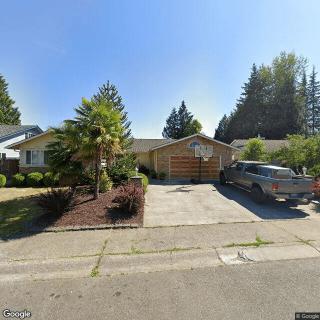
Gentle Care Home
$4,000 to $5,500 / month18.7 miles away -
About the same
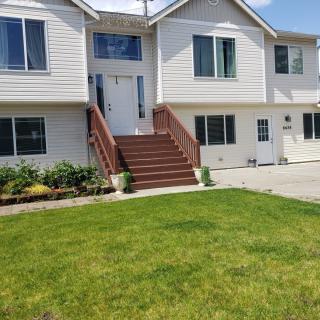
We Care Adult Family Home
$4,500 to $8,000 / month18.0 miles away -
from +$500 / mo

Peace and Pleasant Care Adult Family Home II
$5,000 to $6,000 / month20.7 miles away -
from +$500 / mo
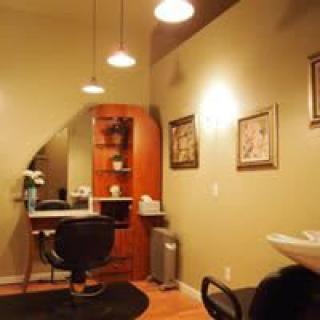
Abundant Life Lynnwood
$5,000 to $6,000 / month12.4 miles away
Overall Review of Aegis at Ravenna
Pros
 The staff are caring and doing a heroic job protecting residents and caregivers from Covid-19.
- The activities and social connections onsite provide meaningful benefits to residents.
- Communications from staff, including updates and monthly wellness reports, are appreciated.
- The environment is highly conducive to good visits, with outdoor patios and comfortable indoor spaces.
- The kitchen serves outstanding meals.
- Life Enrichment and other services contribute to residents’ quality of life.
- The leadership team, including Fritzie Temporanda, Omar, and Reza, is knowledgeable, compassionate, and a stabilizing presence.
- The weekly scenic bus drives are a favorite activity that brings joy to residents.
Cons
 One reviewer describes micromanagement and favoritism, calling it the worst place for a caregiver due to lack of consistency.
- They allege management is selfish and greedy, charging residents high fees while not giving raises to staff.
- They claim Aegis Ravenna does not pay employees well and exhibits biased management.
- They state they would never recommend the facility because employees are not treated well and are underpaid.
- They describe the management as corrupt and refer to a flyer calling it a trashy place with a corrupted CEO or management.
- They note protests outside the facility, implying external concerns about how it is run.
Review
Best suited for memory-focused care where daily life is anchored by dependable routines, Aegis at Ravenna serves as a clear choice for residents with dementia who need steady supervision, purposeful activities, and safety-minded staffing. Families repeatedly report that residents with advanced memory loss respond to the structure and the social environment, with staff who know their histories and preferences. In Life’s Neighborhood, the memory-care core, care teams, nurses, and enrichment specialists design a rhythm of activities, scenic drives, small-group sessions, and accessible outings, that preserve dignity and spark engagement. The setting also provides strong family communication, with regular wellness updates and multi-channel contact, which helps caregivers feel connected and informed about progress and changes in condition.
Who may want to consider alternatives? Those who prioritize transparent, equitable staffing practices may want to compare other providers. A few voices have raised concerns about management style and perceived favoritism, including claims about how raises are allocated and how staffing decisions are made. Families seeking a smaller, less corporate environment or a facility with a consistently less stressful leadership dynamic might prefer a different option. For couples or residents not needing full memory-care support, the potential for waiting lists to access memory-care space can also be a factor; a non-memory-care-focused community with immediate availability could be preferable in some cases.
On the positive side, the core strengths are real and consistent. The Life’s Neighborhood team is described as compassionate, patient, and attentive, with experienced nurses who handle complex needs and transitions with confidence. Care directors and the health-services leadership, recognized figures in praise, provide a sense of continuity and accountability. Quality meals, lively enrichment programs, and access to supplemental services like beauty and wellness, physical therapy, podiatry, and massage add tangible quality of life. The environment blends indoor comfort with outdoor spaces and park-adjacent scenery, supporting both stimulation and quiet moments. Across multiple visits and reports, families note safer, more predictable daily life than home care could offer.
Yet, not every note is unqualified praise. A segment of reviews points to management friction: claims of micromanagement, uneven raises, and perceived bias in decision-making. Protests observed outside the building and the suggestion that leadership does not fully value staff when it comes to compensation color the picture with caution. These concerns touch staffing stability and morale, which can ripple through daily care. While many families credit the front-line team for warmth and competence, the shadow of management criticism means potential residents should verify leadership responsiveness and obtain candid, up-to-date information about policies on pay, scheduling, and turnover.
Overall, the advantages for memory-care residents tend to outweigh the concerns when the goal is specialized dementia care in a well-staffed, activity-rich environment. The depth of clinical oversight, experienced health-services leadership, and dedicated care directors, helps ensure that evolving needs are met as dementia progresses. Rich programming, meaningful outings, and strong kitchen and enrichment services consistently raise quality of life, offsetting some risk around staffing stability. The notable leadership figures cited by families provide a backbone for trust and accountability, even as a minority voice questions certain practices. For families who can visit, ask direct questions about pay structures, turnover rates, and how staff feedback is incorporated into daily operations.
Bottom line: Aegis Ravenna is a compelling choice for memory-care residents who require steady supervision, robust programming, and a trustworthy care ecosystem. It is less ideal for families prioritizing a hands-off atmosphere, aggressive transparency on compensation, or a completely conflict-free leadership dynamic. For those firmly focused on dementia-appropriate programming, strong clinical oversight, and a long-term environment that supports ongoing social connection, this community delivers on those promises. Prospective residents should schedule a candid tour, speak with multiple care staff and leaders, and press for current staffing patterns and policies. When alignment is strong, Aegis Ravenna becomes a practical, resilient option that minimizes risk while maximizing engagement for the right resident.
 Assisted Living
 Memory Care
 Activities off-site
 Air-conditioning
 Beautician on-site
 Devotional services off-site
 Ground floor units
 Handicap accessible
 Indoor common areas
 Kitchenette
 Outdoor common areas
 Respite or short term stays offered
 Wheelchair accessible showers
 Wi-Fi/high-speed internet available
 Seattle-Tacoma International (17 miles away)
 Diabetic care
 High acuity care
 Incontinence care
 Medication management
 Anytime dining
 Art classes
 Bible study group
 Cooking classes
 Day trips and outings
 Educational speakers / life long learning
 Karaoke
 Live well programs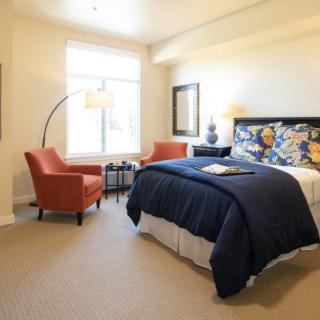
 Five Subtle Dementia Indicators to Observe: An In-Depth Guide to Understanding “Does My Mom Have Dementia?”
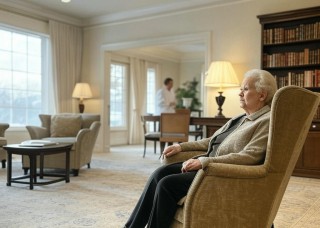 Dementia, Paranoia, and Caregiver Guidance: Understanding the Connection
 Engaging Memory Care Activities That Enhance Quality of Life