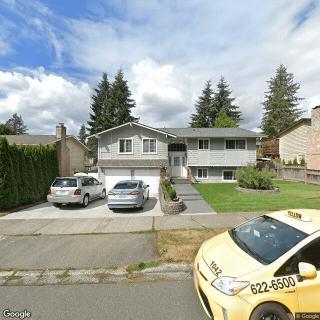
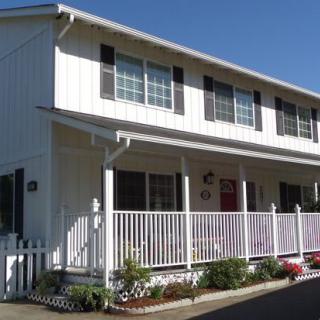
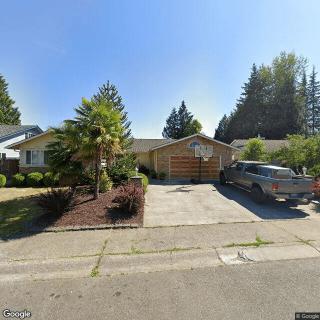
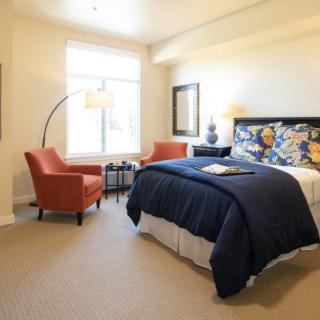
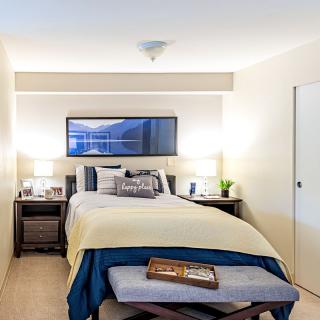
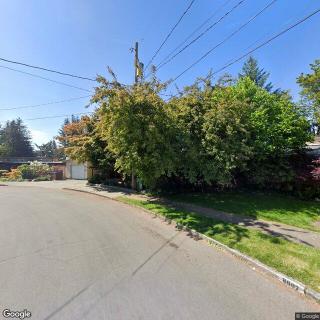
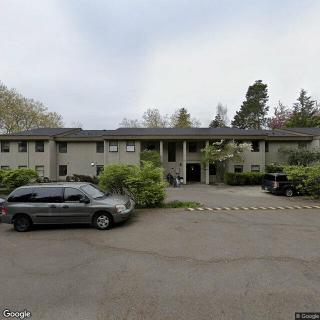
Maple Leaf Home I in Seattle, WA

Save
Maple Leaf Home I

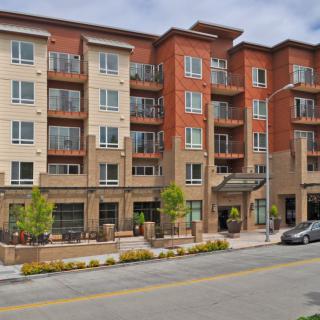
Maple Leaf Home I in Seattle, WA

8817 15th Ave NE, Seattle, WA 98115

For more information about senior living options: (844) 490-3973

4 from 2 reviews
Board and Care Home

Maple Leaf Home I Costs & Pricing

Maple Leaf Home I offers competitive pricing for its accommodations, with both private and semi-private rooms costing $4,000 per month. This rate is notably lower than the average costs in King County, where private rooms are priced at approximately $5,034 and semi-private rooms at around $4,430. In comparison to the broader state averages, which stand at $4,772 for private and $4,267 for semi-private options, Maple Leaf Home I presents a compelling choice for individuals seeking quality care without the higher expenses often associated with similar facilities. The pricing structure not only reflects a commitment to affordability but also positions Maple Leaf Home I as an attractive option within the regional marketplace.

Floor plansMaple Leaf Home IKing CountyWashington
Private$4,000$5,034$4,774
Semi-Private$4,000$4,430$4,272

Overall Review of Maple Leaf Home I

Pros

  • pro It portrays a peaceful, clean environment with caring staff, home-cooked meals, and attention to individual needs.
  • pro It highlights a peaceful, clean environment with compassionate staff, home-cooked meals, and a focus on individual needs.

Review

Maple Leaf Home I in Seattle is best suited for older adults who want a quiet, homelike atmosphere where the environment is clean, staff know residents by name, and meals feel like home. This community excels for those who value personal attention over formal programming and who prefer a smaller, intimate setting to a bustling campus. The emphasis on daily comfort, predictable routines, and a respectful, caring approach makes it a strong fit for residents who are building on independence with light supportive needs rather than requiring intensive medical oversight.

Those needing robust medical management, extensive social programming, or a larger community with constant activity might want alternatives. Family members seeking a high-energy environment, diverse outings, or specialized memory care may find Maple Leaf Home I's quiet pace and focused staff support insufficient for long-term fulfillment. If transportation options, varied dining experiences, or comprehensive on-site therapy services are priorities, explore other options. With only two positive reviews, the data set is small; families should verify consistency in care quality during tours and speak directly with staff about how they handle evolving care needs.

Pros in this setting are straightforward but meaningful: a peaceful, clean environment reduces stress and supports consistent routines; caring staff build trust and reduce anxiety by knowing residents personally; home-cooked meals improve nutrition and satisfaction and can accommodate preferences and dietary restrictions; attention to individual needs signals flexibility in daily care plans. These strengths help offset typical concerns about smaller operations, such as slower response times or less programming. The 4-star rating, while solid, hints that there may be small gaps not visible in brief visits - perhaps occasional gaps in activity variety or scheduling. Taken together, the positives strongly align with residents who prioritize steadiness, warmth, and predictable care over scale.

From a practical standpoint, the strongest leverage comes from the combination of cleanliness, staff rapport, and personalized meals. A calm environment supports sleep quality and mood, which matters for day-to-day functioning. The staff's willingness to tailor care points to residents who have specific routines, preferences, or dietary needs, reducing friction and resistance to help. The home-cooked meals offer both comfort and reliability, a weekly rhythm many seniors value. However, these advantages presume the care level stays within light-to-moderate support rather than escalating into more intensive medical needs. Families should look for clear policies on escalation, medication management, and how care plans adapt as health status changes.

Key questions during a visit should focus on consistency and predictability: what is the staff-to-resident ratio by shift; how long do caregivers stay with a resident, and how are changes communicated? What defines 'attention to individual needs' in practice - meal customization, daily activity choices, personalized reminders? How are meals prepared - can menus accommodate dietary restrictions and cultural preferences? What is the process for escalating care if health declines, and is there on-site medical or therapy services or partnerships with nearby providers? Ask to observe a meal service, a housekeeping routine, and how residents spend afternoons. Inquire about pricing structure, inclusion of meals, housekeeping, and any add-on services to avoid sticker shock.

In sum, Maple Leaf Home I stands out for residents who prize quiet comfort, clean surroundings, and a warmly attentive staff that treats individuality as a core value. For families prioritizing social calendars, intensive medical oversight, or varied programming, alternatives with broader offerings should be pursued. The community's strength lies in turning everyday routines into reliable, personalized care experiences that support independence within a small, respectful setting. If this aligns with the resident's personality and needs, Maple Leaf Home I can be a strong, steady choice. If not, a deliberate comparison with similarly rated but more expansive options will ensure a well-matched placement that safeguards peace of mind for both resident and family.

Features

Types of Care

  • Board and Care Home Board and Care HomeBoard and care homes provide a smaller, more intimate setting for seniors who require assistance with daily tasks but do not need the level of care offered by a nursing home. They offer personalized care, meals, and social activities in a homelike environment, ensuring that seniors receive individualized attention and support in their golden years.

Pets

  • Cats allowed Cats allowed"Pet friendly" senior living communities are important for seniors because pets provide companionship, reduce feelings of loneliness and depression, promote physical activity and mental stimulation, and offer a sense of purpose and responsibility. Pets can improve overall well-being and quality of life for seniors in many ways.
  • Dogs allowed Dogs allowed"Pet friendly" senior living communities are important for seniors because pets provide companionship, reduce feelings of loneliness and depression, promote physical activity and mental stimulation, and offer a sense of purpose and responsibility. Pets can improve overall well-being and quality of life for seniors in many ways.

Amenities

  • Activities off-site Activities off-siteEngaging in off-site activities is crucial for seniors to maintain social connections, stay active, and stimulate their minds. It promotes overall well-being and helps combat feelings of isolation and loneliness.
  • Activities on-site Activities on-siteActivities on-site are important for seniors because they provide opportunities for socialization, mental stimulation, physical activity, and overall well-being. Engaging in activities can help seniors stay active, maintain their independence, and improve their quality of life.
  • Devotional services off-site Devotional services off-siteDevotional services off-site are important for seniors as they provide spiritual nourishment, social engagement, and a sense of community outside of the senior living facility. This can enhance overall well-being and help combat feelings of isolation and loneliness often experienced by older adults.
  • Devotional services on-site Devotional services on-siteDevotional services on-site provide seniors with spiritual support and a sense of community, as well as an opportunity for reflection and guidance during their senior living experience. This can promote emotional well-being and connection to others, leading to a more fulfilling and enriching lifestyle in their later years.
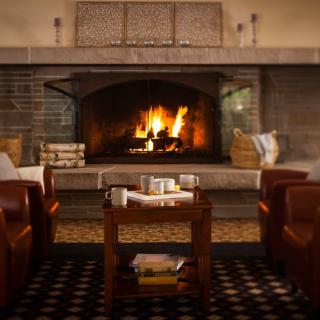
  • Indoor common areas Indoor common areasIndoor common areas are crucial for seniors as they provide a space for socialization, recreation, and community engagement, promoting overall well-being and reducing feelings of isolation and loneliness.
  • Outdoor common areas Outdoor common areasOutdoor common areas are important for seniors as they provide a space for socialization, physical activity, and relaxation. Being outside in nature can improve mood and overall well-being, while also encouraging movement and engagement with others. These spaces can help combat feelings of isolation and promote a sense of community among residents.
  • Private PrivatePrivacy is important for seniors as it allows them to maintain their independence, dignity, and sense of control over their own lives. It also gives them the space and freedom to relax, reflect, and engage in activities that bring them joy and fulfillment. Creating private spaces within senior living facilities is crucial for promoting overall well-being and quality of life.
  • Respite or short term stays offered Respite or short term stays offeredRespite or short term stays provide seniors with a temporary solution when their regular caregiver is unavailable, offering them the opportunity to receive additional care and support during times of need, while also giving caregivers a chance to rest and recharge.
  • Wheelchair accessible showers Wheelchair accessible showersWheelchair accessible showers are crucial for seniors as they provide a safe and independent bathing option for those with mobility challenges. These showers help prevent falls and allow seniors to maintain their dignity and autonomy while ensuring they can bathe comfortably.

Transportation

  • Seattle-Tacoma International (17 miles away) Seattle-Tacoma International (17 miles away)

Care Services

  • Diabetic care Diabetic careDiabetic care is crucial for seniors as they are more susceptible to developing diabetes due to aging and other health conditions. Proper management of diabetes can help prevent complications such as heart disease, vision loss, and nerve damage, improving the overall quality of life for seniors in senior living communities.
  • High acuity care High acuity careHigh acuity care is important for seniors because it provides specialized medical attention and support for individuals with complex medical needs. This level of care ensures that seniors receive the appropriate treatment and assistance to maintain their health and quality of life as they age.
  • Incontinence care Incontinence careIncontinence care is essential for seniors to maintain their dignity, hygiene, and overall quality of life. By addressing incontinence issues promptly and effectively, seniors can enjoy a sense of independence and comfort in their daily activities.
  • Medication management Medication managementMedication management is crucial for seniors to ensure they are taking the right medications at the correct dosages and times. This helps prevent adverse drug interactions, reduces the risk of medication errors, and promotes overall health and well-being. Proactive management also allows for adjustments as needed based on changing health conditions or new prescriptions.

Dining

  • Kosher KosherKosher options are important for seniors because they adhere to dietary laws that are significant to many Jewish individuals, providing them with peace of mind and an opportunity to maintain their cultural traditions and beliefs while living in a senior living community.
  • Meals provided Meals provided"Meals provided" are crucial for seniors in assisted living communities as it ensures they have access to nutritious, balanced meals without the stress of meal planning and preparation. This can help promote overall health and well-being for seniors who may have limited mobility or cognitive abilities.
  • Vegetarian VegetarianA vegetarian diet is important for seniors because it can help lower the risk of chronic diseases, maintain a healthy weight, and provide essential nutrients needed for aging bodies. Additionally, plant-based diets are often easier on digestive systems and can contribute to overall well-being in older adults.

Activities

  • Activities off-site Activities off-siteEngaging in off-site activities is crucial for seniors to maintain social connections, stay active, and stimulate their minds. It promotes overall well-being and helps combat feelings of isolation and loneliness.
  • Activities on-site Activities on-siteActivities on-site are important for seniors because they provide opportunities for socialization, mental stimulation, physical activity, and overall well-being. Engaging in activities can help seniors stay active, maintain their independence, and improve their quality of life.
  • Devotional activities offsite Devotional activities offsiteDevotional activities offsite are important for seniors because they provide social engagement, spiritual growth, and a sense of community outside of their living environment. This can improve overall well-being, mental health, and combat feelings of isolation or loneliness.
  • Devotional activities on-site Devotional activities on-siteDevotional activities on-site provide seniors with a sense of community, spiritual fulfillment, and emotional support, promoting overall well-being and a positive sense of purpose in their lives.

Description

Maple Leaf Home I is an assisted living community located in the vibrant city of Seattle, WA. Our community offers a variety of amenities and care services to ensure our residents' comfort and well-being.

Our spacious indoor and outdoor common areas provide plenty of space for socializing and enjoying leisure activities. Residents can participate in organized activities on-site or engage in devotional services off-site or on-site. We strive to create a warm and welcoming environment where residents can feel at home.

For those who require high acuity care or assistance with managing their medication, our dedicated staff is available to provide personalized care. We also offer incontinence care for those who need it.

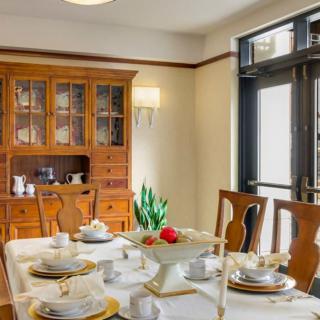
Meals are provided for all residents, with options available for vegetarian diets. Our dining area offers a pleasant atmosphere for residents to enjoy their meals and socialize with fellow residents.

In addition to the amenities within our community, Maple Leaf Home I is conveniently located near various amenities in the surrounding area. There are 12 cafes nearby, providing opportunities for residents to explore new culinary experiences. There are also numerous parks nearby, allowing residents to enjoy nature and outdoor activities. With 27 pharmacies, 5 physicians, and 3 hospitals nearby, residents can easily access necessary medical services.

At Maple Leaf Home I, we prioritize the well-being of our residents by providing a comfortable living environment with ample amenities and care services.

Nearby Places of Interest

This part of Seattle, Washington offers a diverse range of amenities that cater to various interests and needs. With several parks in close proximity, seniors can enjoy nature walks and outdoor activities. The abundance of pharmacies ensures convenient access to necessary medications and healthcare supplies. Transportation options such as transit centers and stations make it easy to get around the city without the need for a car. Additionally, there are numerous cafes and restaurants nearby, providing opportunities for socializing and enjoying delicious meals. For medical care, there are reputable hospitals and physicians within a short distance, offering peace of mind in case of any health concerns. Overall, this area provides a well-rounded community with ample resources for senior living.

Parks

  • Maple Leaf Park (0.2 miles)
  • Greenwood Park (1.8 miles)
  • Woodland Park Off Leash Area (2.2 miles)
  • Warren G. Magnuson Park (2.4 miles)
  • Woodland Park (2.7 miles)
  • Magnuson Park Off-Leash Dog Park (2.8 miles)
  • Carkeek Park (2.9 miles)

Pharmacies

  • Northgate Pharmacy (0.8 miles)
  • Rite Aid (1 miles)
  • Walgreens (1.1 miles)
  • QFC Pharmacy (1.2 miles)
  • Bartell Drugs (1.2 miles)
  • Safeway Pharmacy (1.3 miles)
  • Bartell Drugs (2 miles)

Transportation

  • Northgate Transit Center (1 miles)
  • Northgate Station Seattle (1 miles)
  • Roosevelt Station Seattle (1.2 miles)
  • U District Station (2.3 miles)
  • University of Washington LINK Station (3 miles)
  • Capitol Hill LINK Station (5.1 miles)

Cafes

  • Starbucks (1.4 miles)
  • Starbucks (1.5 miles)
  • Jake's Coffee (2 miles)
  • Diva Espresso (2.2 miles)
  • Lighthouse Roasters (3 miles)
  • Stone Way Cafe (3.3 miles)
  • Milstead & Co. (3.4 miles)

Hospitals

  • Northwest Hospital (1.9 miles)
  • Seattle Children's Hospital (2.5 miles)
  • Uw Medical Center Cafeteria (3 miles)

Restaurants

  • Dick's Drive-In (1.9 miles)
  • Bongos (1.9 miles)
  • Autumn (2.2 miles)
  • RidgeWood Bottle & Tap (2.2 miles)
  • Magnuson Cafe & Brewery (2.2 miles)
  • Dick's Drive-In (2.3 miles)
  • Chick-Fil-A (2.6 miles)

Physicians

  • Warby Parker (2.1 miles)
  • Ballard Pediatric Clinic PS (3 miles)
  • Seattle Gastroenterology Associates (3.5 miles)
  • Queen Anne Eye Clinic (4.3 miles)
  • Fred Hutchinson Cancer Research Center (4.5 miles)

Frequently Asked Questions

How much does it cost to live at Maple Leaf Home I in Seattle, WA?
Where is Maple Leaf Home I?
Does Maple Leaf Home I allow residents to have pets?

Nearby Communities

  • Aegis at Ravenna

    Aegis at Ravenna

    Seattle, WA

    4.6 from 19 reviews
    $4,500 to $10,800 / month

    pro Strong memory-care reputation with caring staff, robust social programs, and transparent family communication.

  • Aegis Living Ravenna

    Aegis Living Ravenna

    Seattle, WA


    pro Specialized memory care with 24-hour supervision and extensive on-site amenities.

  • Emerald City Senior Living

    Emerald City Senior Living

    Seattle, WA

    4.2 from 64 reviews
    $2,550 to $4,700 / month

    pro Attentive dining staff, clean and welcoming environment, strong memory-care program, and good value.

  • Spada Homes Inc

    Spada Homes Inc

    Seattle, WA

     
    $4,000 / month

    pro Affordable private rooms at $4,000/mo, cheaper than local King County and state averages.

  • Cascade Hall

    Cascade Hall

    Seattle, WA

    4.3 from 9 reviews
     

    pro Caring, well-run staff with prompt access to essentials and dietary accommodations.

  • Aljoya Thornton Place,  a CCRC

    Aljoya Thornton Place, a CCRC

    Seattle, WA

    4.7 from 35 reviews
    $3,130 to $4,730 / month

    pro Friendly, attentive staff and a comprehensive wellness program in an upscale, hotel-like setting.

  • Cogir Of Northgate Memory Care

    Cogir Of Northgate Memory Care

    Seattle, WA

    4.5 from 40 reviews
     

    pro Compassionate, attentive staff in a clean, homey environment with engaging activities and on-site services.

  • The Hearthstone

    The Hearthstone

    Seattle, WA

    4.3 from 38 reviews
    $2,402 to $4,917 / month

    pro Caring staff, clean facilities, and a vibrant lakefront community with ample activities.

  • Merrill Gardens at The University

    Merrill Gardens at The University

    Seattle, WA

    4.7 from 94 reviews
    $3,350 to $5,800 / month

    pro Caring staff, engaging activities, and well-maintained facilities.

Related Resources

  • palliative care vs hospiceUnderstanding the Nuances of Palliative Care and Hospice: A Comprehensive Exploration

    Palliative care focuses on alleviating distress at any stage of a serious illness and can accompany curative treatments, while hospice care is for those nearing the end of life with a prognosis of six months or less, emphasizing comfort over curative measures. Both prioritize holistic care for patients and families but differ in timing, goals, and scope.

  • is home health care tax deductibleIs In-Home Healthcare Tax Deductible? Your Comprehensive Guide
    The guide details the tax deductibility of in-home healthcare expenses according to IRS guidelines, differentiating between medically necessary services and non-medical assistance, while emphasizing the need for proper documentation and itemization requirements. It also highlights state-level variations, the importance of record-keeping, and encourages seeking professional tax help to understand evolving regulations.

  • gardening for seniorsNurturing Well-Being Through Gardening: A Detailed Guide for Senior Enthusiasts

    Gardening provides seniors with physical exercise, mental and emotional support, and social interaction opportunities, while accommodating their needs through raised beds and ergonomic tools. It promotes health benefits like improved dexterity and cardiovascular health, encourages sustainable practices, and allows for manageable upkeep with low-maintenance plants.