Aljoya Thornton Place, a Continuing Care Retirement Community (CCRC), offers competitive monthly pricing that is notably more affordable than both King County and the broader state of Washington. For residents opting for a studio, the cost is $3,130, significantly lower than the county average of $4,464 and the state average of $4,126. Those seeking a one-bedroom unit will find Aljoya's price of $3,805 to be a better value when compared to King County's $5,127 and Washington's $4,632. Even for two-bedroom accommodations, at $4,730 per month, Aljoya remains economically advantageous against the county rate of $5,111 and the state average of $4,301. This makes Aljoya Thornton Place an appealing choice for individuals seeking high-quality living arrangements without breaking the bank.
Floor plans
Aljoya Thornton Place, a CCRC
King County
Washington
Studio
$3,130
$4,464
$4,128
1 Bedroom
$3,805
$5,127
$4,634
2 Bedrooms
$4,730
$5,111
$4,301
Assisted Living communities with a similar price nearby
Residents and families describe staff as consistently caring, friendly, and responsive.
Many reviews highlight how welcoming the staff is, with frequent mention of being greeted warmly and treated with patience. Several residents and families also describe the staff as service-oriented and communicative, including help with moving, setup, and ongoing support. A dementia-focused review specifically praises daily monitoring and staff follow-through, and another long review describes employees as an extension of the family.
common7 reviews mention this
Food and dining earn praise
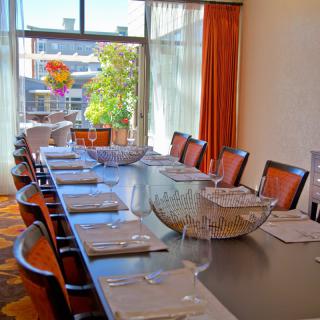
Dining stands out in reviews for the quality of the food and the restaurant-style experience.
Multiple reviewers say the food is excellent and repeatedly bring up how much they enjoy meals and dining service. One review describes the dining room as an upscale, restaurant-like setting with a large menu, while others mention favorites like dessert or bistro items. Residents also connect dining to day-to-day enjoyment, pairing it with strong service and housekeeping in the same positive comments.
common9 reviews mention this
Activities keep residents engaged
Reviews frequently mention activities and programming that help residents stay engaged.
Residents and family members describe plenty to do, including on-site creative activities and regular programming. Several reviews also mention lectures, outings, and performance-style events as part of what makes everyday life feel engaging. One long review also frames the community’s activities as important support for a resident who needed more care and structured engagement over time.
differentiator5 reviews mention this
Wellness and medical support
Families describe on-site wellness support as a key part of daily care.
Reviews repeatedly connect the community’s wellness and health support to peace of mind for families. In particular, dementia care is discussed directly, including monitoring of daily vitals and attention to emotional and psychological needs. Other reviews also mention doctors on-site and a wellness clinic, alongside the overall sense that health services help residents maintain an improved quality of life.
common3 reviews mention this
Northgate-area access is convenient
Reviews note convenient access to nearby shopping and services around Northgate.
Some reviewers describe the area as walkable for retail and restaurants, making it easy to get out and run errands. One review mentions weekly shopping at Northgate and connects that routine to the decision to tour. Another describes nearby shopping and a movie theater as part of the overall appeal, alongside community features like library space.
caveat3 reviews mention this
Apartment details may vary
A few reviews suggest apartment comfort details and preferences can be hit-or-miss.
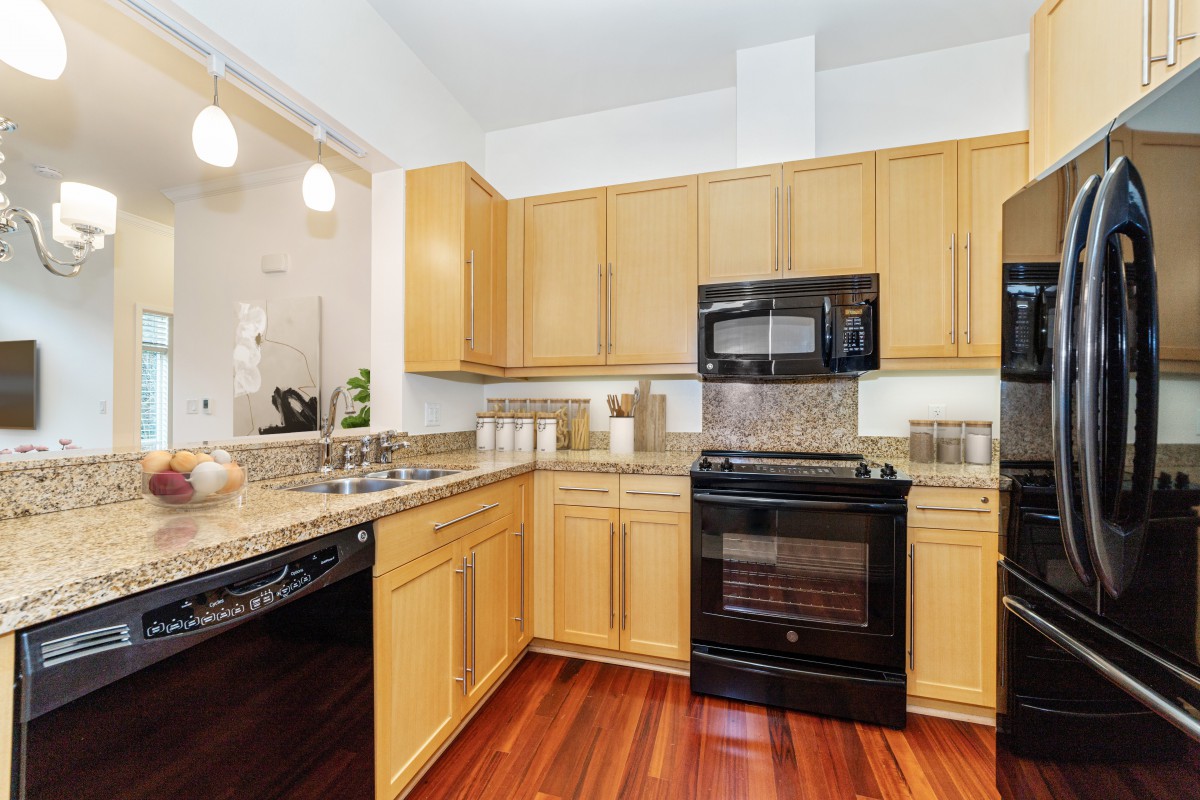
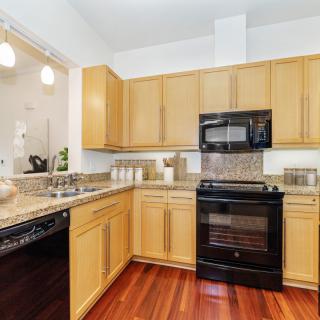
Some reviewers point out that not every unit meets expectations, with comments about view quality and interior details. One review notes concerns about darker kitchen appliances, while another mentions that some parents felt out of place due to how the community presents itself. Together, these comments suggest it’s worth paying close attention to the specific apartment features during the visit.
How we summarize
Counts show how many written reviews mention each theme; a review can touch several themes, and only frequently mentioned themes are displayed.
Features
Types of Care
Assisted Living
Independent Living
Pets
Cats allowed
Dogs allowed
Amenities
Activities off-site
Activities on-site
Bath tubs
Beautician on-site
Devotional services off-site
Devotional services on-site
Fireplaces
Full kitchen
Ground floor units
Handicap accessible
Indoor common areas
Outdoor common areas
Swimming pool / hot tub
Wheelchair accessible showers
Transportation
Seattle-Tacoma International (17 miles away)
Care Services
Diabetic care
High acuity care
Incontinence care
Medication management
Dining
Anytime dining
Guest meals
Low / no sodium
Meals provided
No Sugar
Professional chef
Restaurant style dining
Room service
Vegetarian
Activities
Art classes
Day trips and outings
Devotional activities offsite
Devotional activities on-site
Educational speakers / life long learning
Happy hour
Live dance or theater performances
Live musical performances
Live well programs
Visiting Rabbi
Wine tasting
Nearby Places of Interest
This part of Seattle, Washington offers a convenient and diverse range of amenities for senior living. With multiple pharmacies in close proximity, access to medical services is easily accessible. The area also boasts several transportation options, including transit centers and stations, making it easy to get around the city. In terms of dining options, there are various cafes and restaurants nearby offering a variety of cuisines. Additionally, the presence of parks provides opportunities for outdoor recreation and relaxation. With hospitals and physicians' offices nearby, residents can rest assured that medical care is readily available. Overall, this neighborhood offers a well-rounded environment that could be ideal for senior living.
Aljoya Thornton Place, a Continuing Care Retirement Community (CCRC), offers competitive monthly pricing that is notably more affordable than both King County and the broader state of Washington. For residents opting for a studio, the cost is $3,130, significantly lower than the county average of $4,464 and the state average of $4,126. Those seeking a one-bedroom unit will find Aljoya's price of $3,805 to be a better value when compared to King County's $5,127 and Washington's $4,632. Even for two-bedroom accommodations, at $4,730 per month, Aljoya remains economically advantageous against the county rate of $5,111 and the state average of $4,301. This makes Aljoya Thornton Place an appealing choice for individuals seeking high-quality living arrangements without breaking the bank.
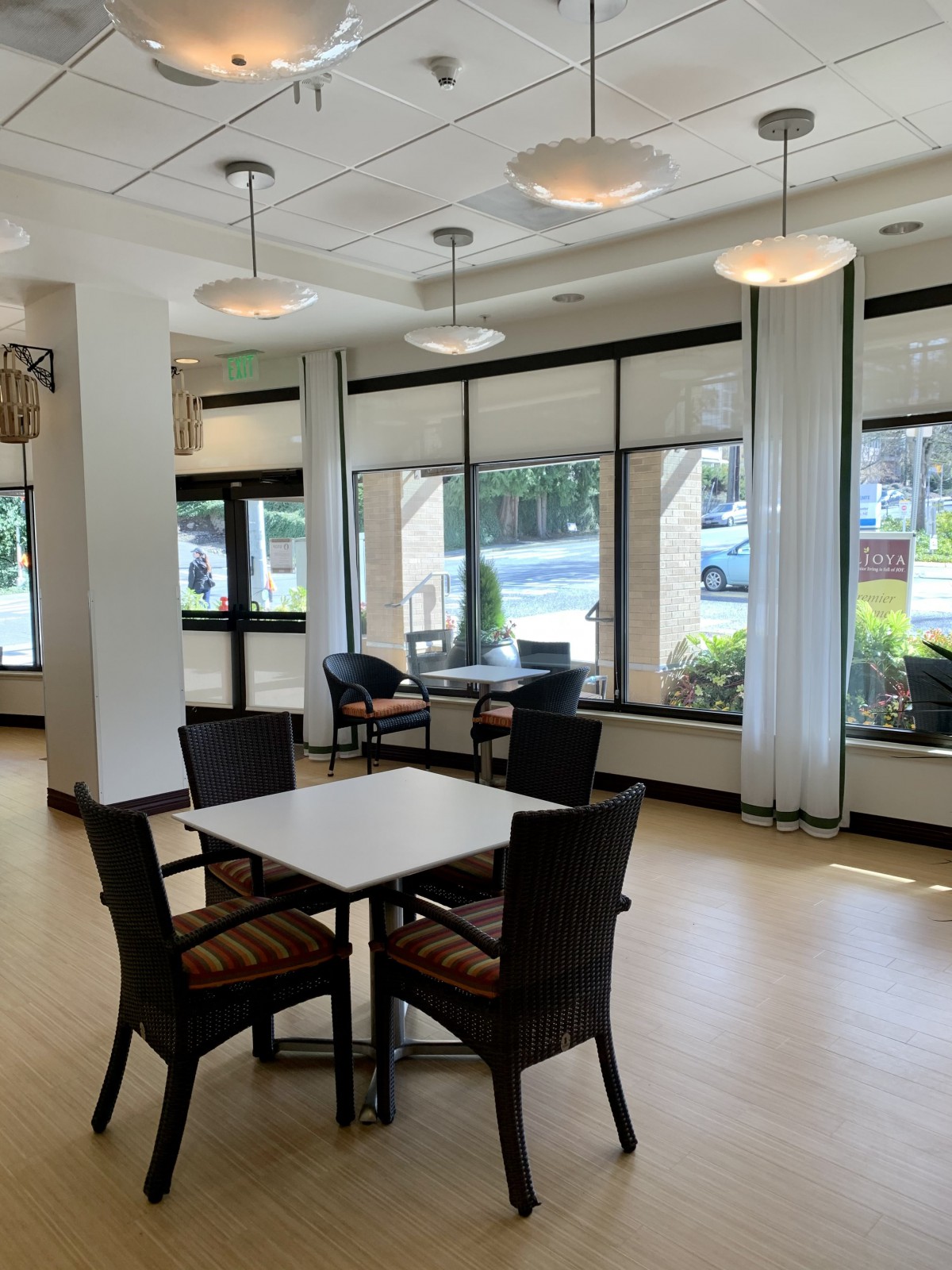
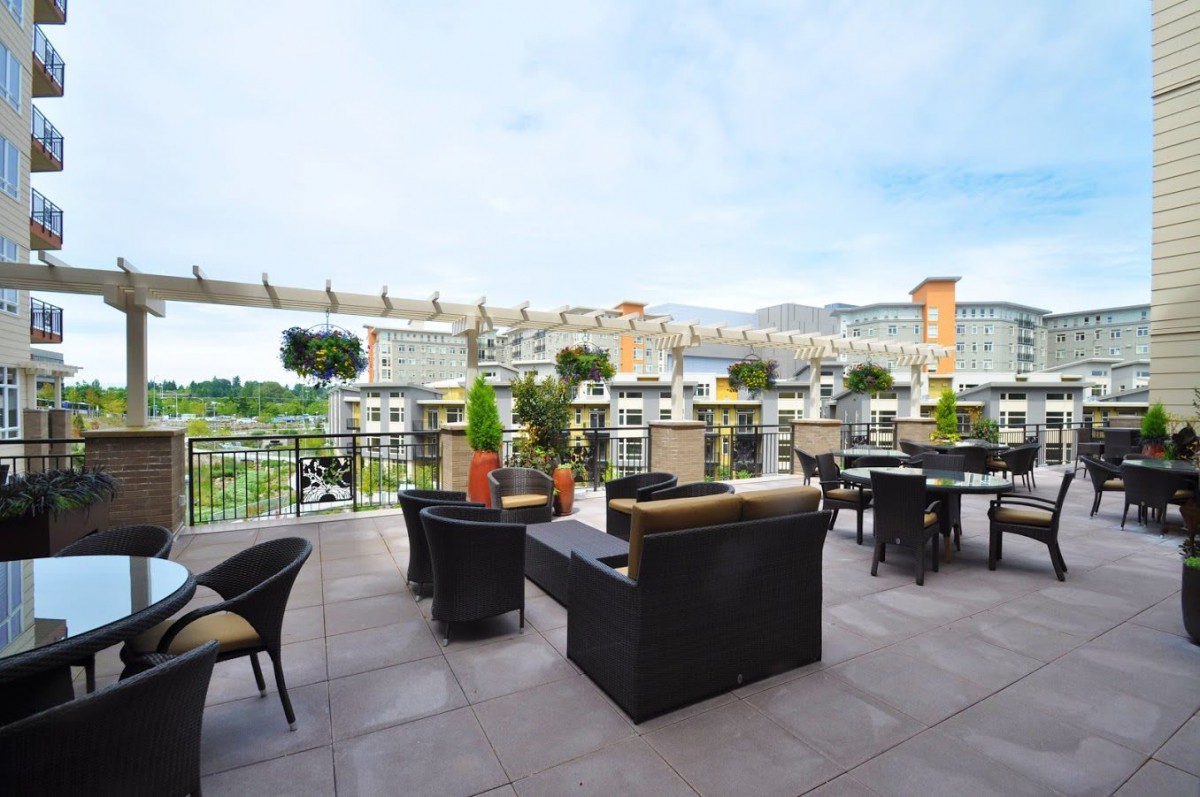
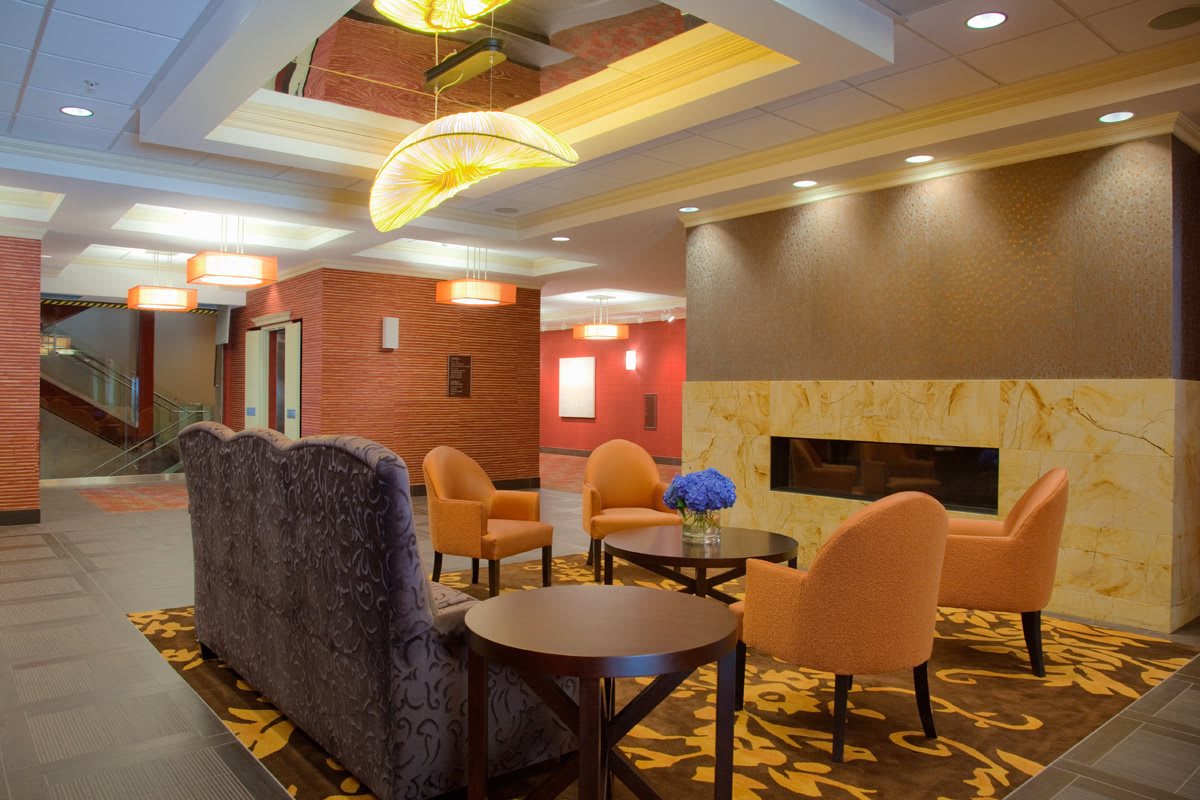
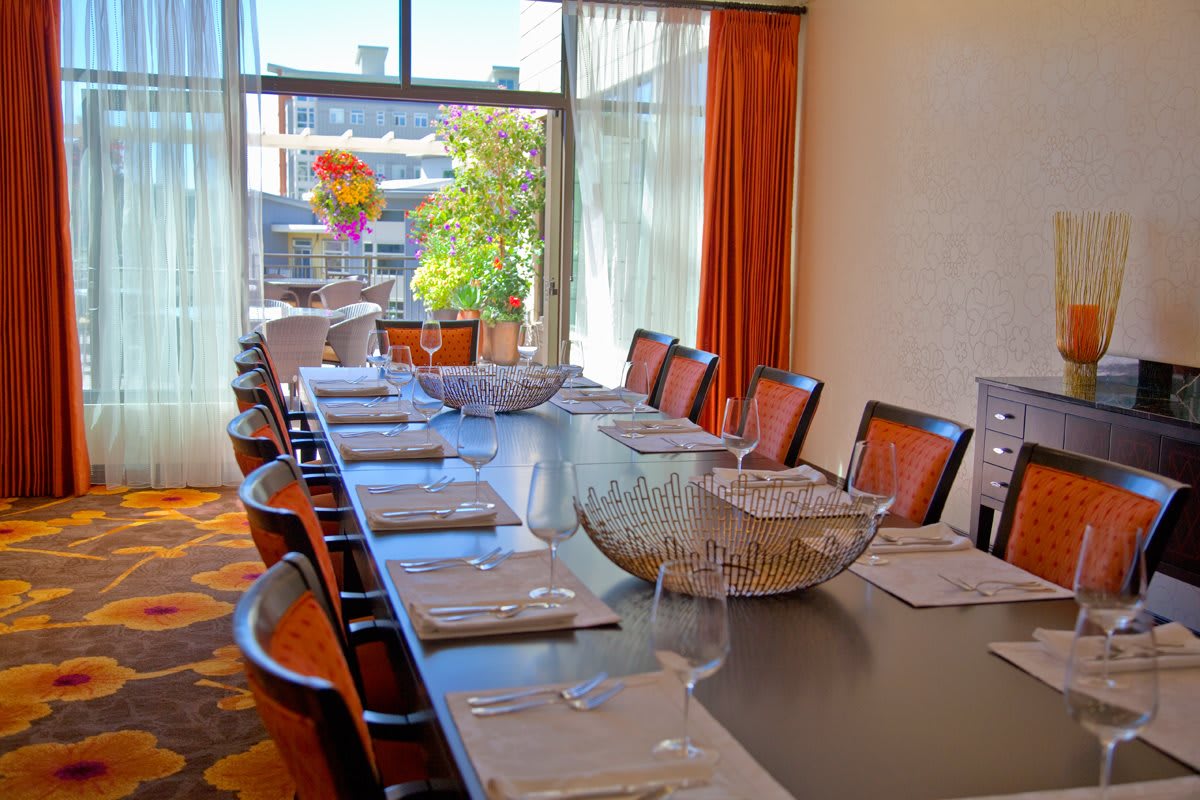
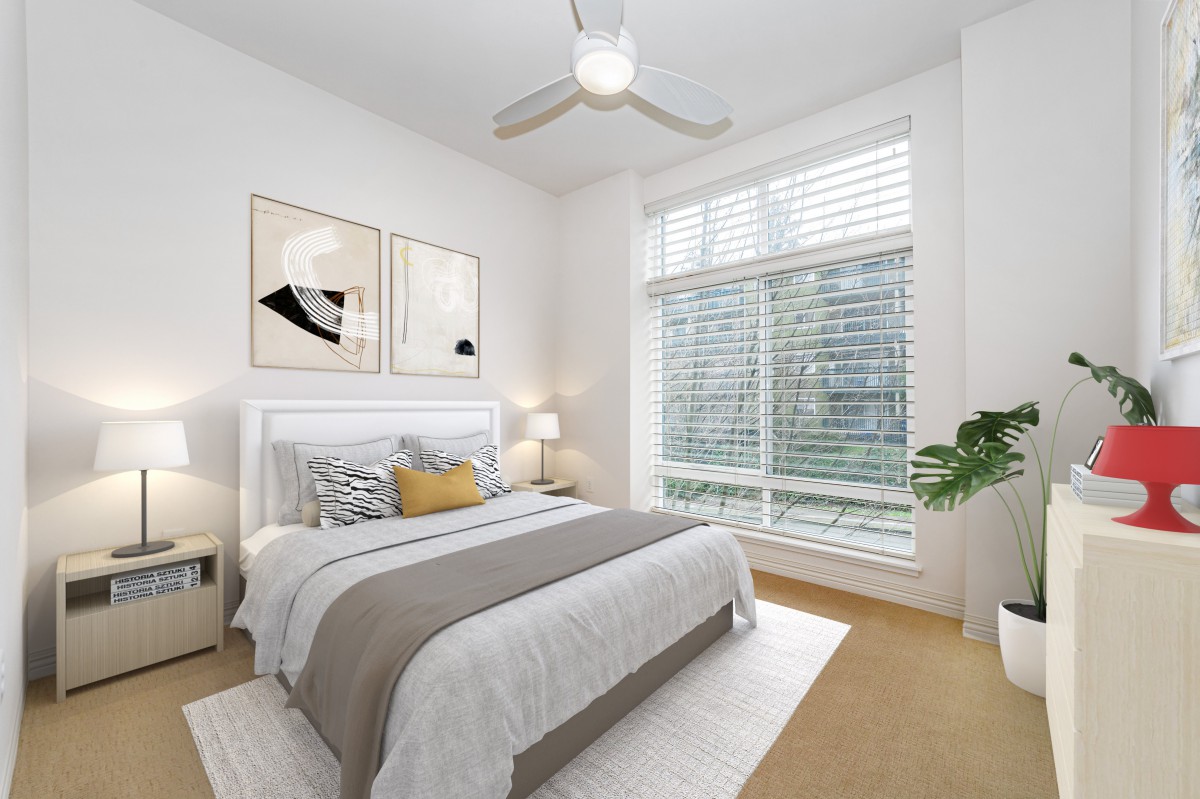
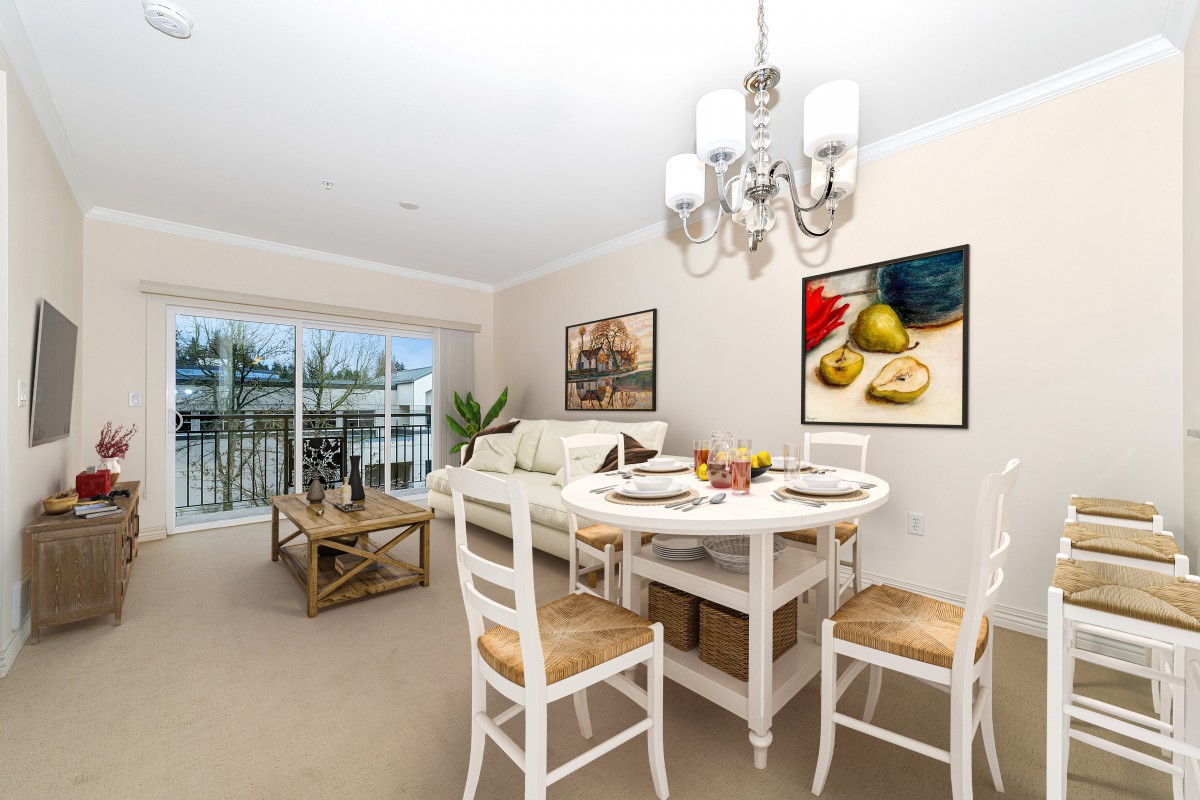
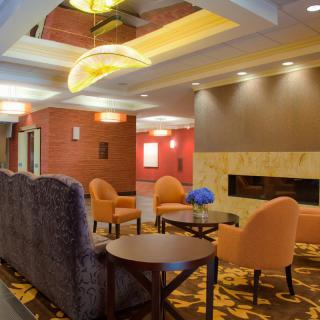
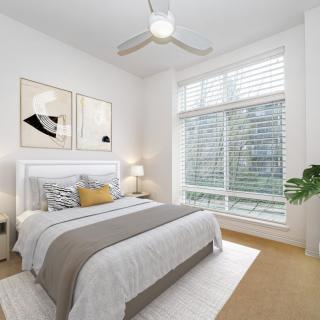
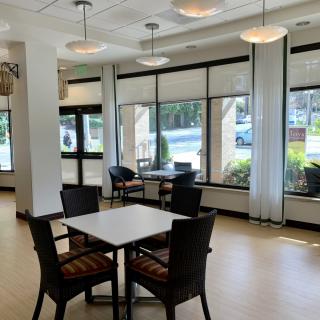
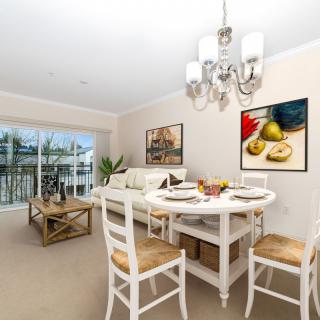
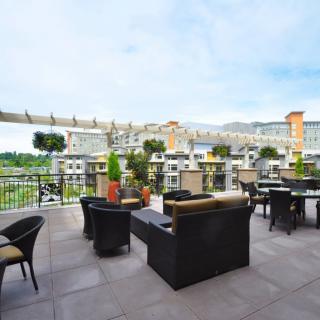
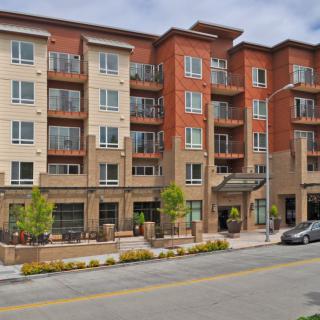
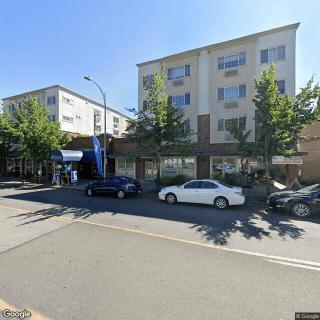
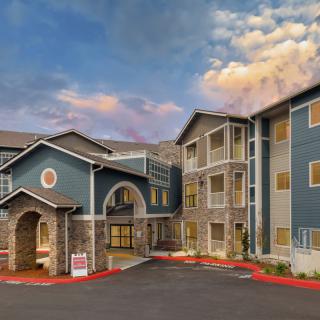
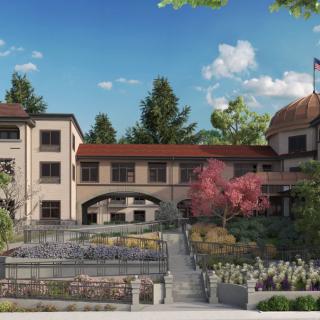
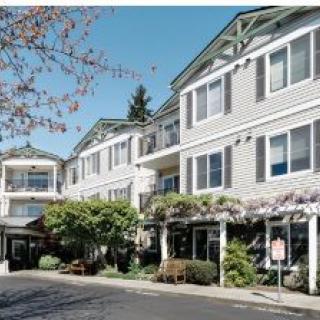
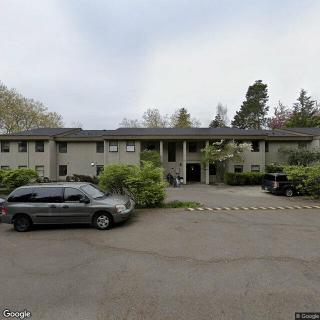
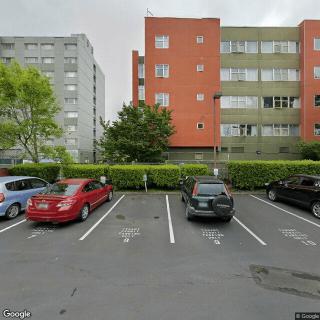
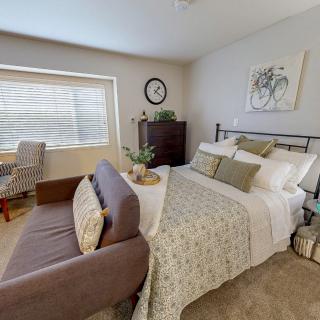
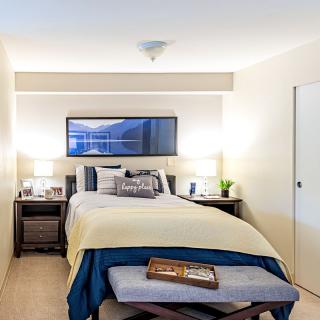
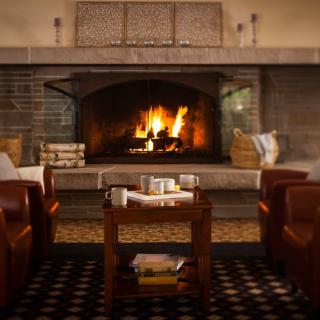
Aljoya Thornton Place, a CCRC on seniors.fyi includes 10 photos including images showing interior, decor, dining, windows, bedroom, artwork, natural light, urban, and more.
Nearby Communities
Aljoya Thornton Place
Seattle, WA
4.8 from 46 reviews
Caring staff and a warm, resort-like community with extensive amenities.
Fedelta Home Care
Seattle, WA
4.7 from 55 reviews
Excellent access to amenities and healthcare nearby.
Maxim Healthcare
Seattle, WA
3.4 from 16 reviews
Convenient access to nearby amenities (cafes, restaurants, parks, pharmacies, healthcare).
Cascade Hall
Seattle, WA
4 from 11 reviews
Caring, well-run staff with prompt access to essentials and dietary accommodations.
Synergy Home Care - Northwest Seattle
Seattle, WA
4.5 from 11 reviews
Some caregivers are very good, kind, and helpful.
Northaven II Retirement Apartment
Seattle, WA
4.6 from 9 reviews
Comprehensive care with on-site activities and extensive nearby amenities.
Cogir Of Northgate Memory Care
Seattle, WA
4.5 from 51 reviews
Compassionate, attentive staff in a clean, homey environment with engaging activities and on-site services.
Emerald City Senior Living
Seattle, WA
4.4 from 80 reviews
$2,550 to $4,700 / month
Attentive dining staff, clean and welcoming environment, strong memory-care program, and good value.
The Hearthstone
Seattle, WA
4.1 from 41 reviews
$2,402 to $4,917 / month
Caring staff, clean facilities, and a vibrant lakefront community with ample activities.
The article discusses assisted living expenses, the importance of long-term care insurance in covering these costs, and various financing options, highlighting the need for careful policy review and early planning to address potential needs. It also clarifies common misconceptions about Medicare and private health insurance limitations regarding long-term care coverage.
Assisted living facilities offer crucial support for older adults needing help with daily activities but come with varying and significant costs, which can be financed through personal savings, government assistance programs, long-term care insurance, and home equity options. Professional guidance from experts can aid families in navigating these financial complexities to establish a sustainable budgeting approach for assisted living services.
Assisted living costs often exceed Social Security benefits, necessitating a combination of funding sources like state aid and Medicaid. Understanding the interaction between Social Security programs and available financial support is essential for affording such care.
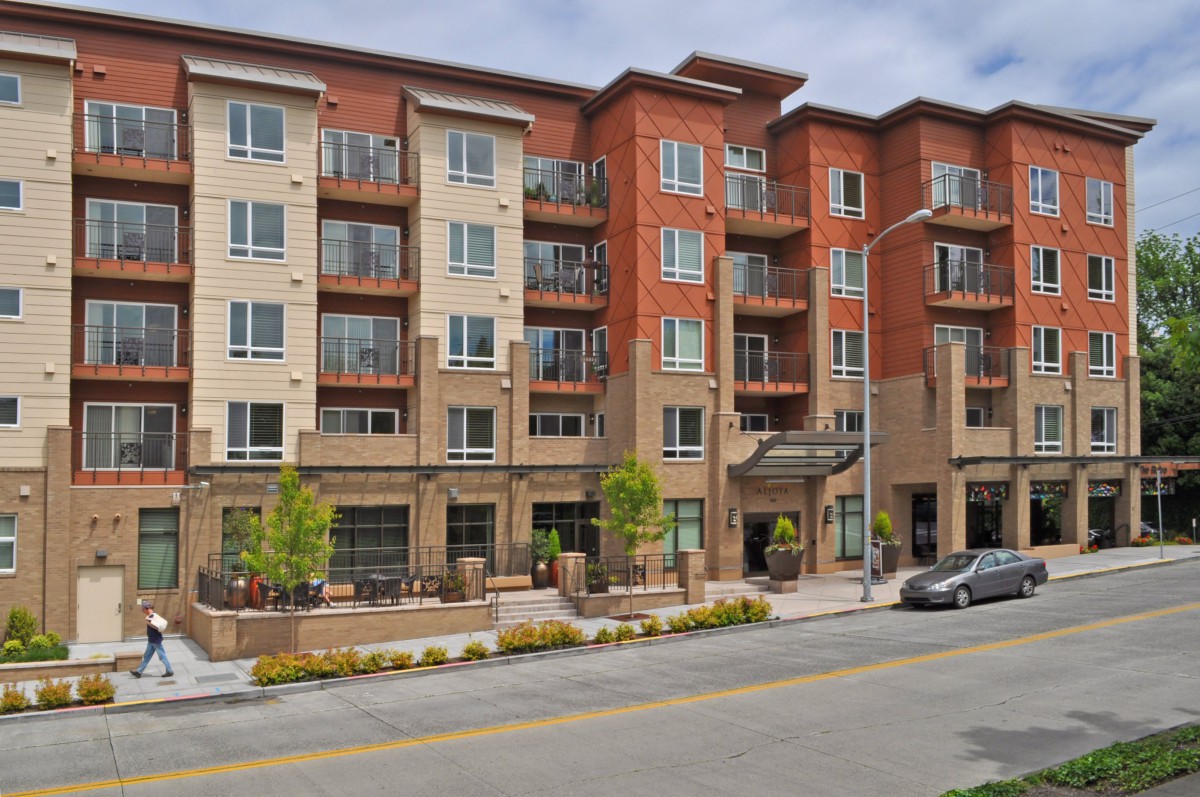
Modern Architecture, Urban, and Apartment Building
Get PricingAsk A QuestionSchedule A TourContact Senior Advisor
By clicking submit, you agree to our Partner's Terms of Use. You
also consent to receive calls and texts, which may be autodialed, from our Partner. Your consent is not a condition to
using our Partner's service. Please visit our Partner's Privacy Policy for information about their privacy practices.



 Assisted Living
 Independent Living
 Cats allowed
 Dogs allowed
 Activities off-site
 Bath tubs
 Beautician on-site
 Devotional services off-site
 Fireplaces
 Full kitchen
 Ground floor units
 Handicap accessible
 Indoor common areas
 Outdoor common areas
 Swimming pool / hot tub
 Wheelchair accessible showers
 Seattle-Tacoma International (17 miles away)
 Diabetic care
 High acuity care
 Incontinence care
 Medication management
 Anytime dining
 Art classes
 Day trips and outings
 Educational speakers / life long learning
 Happy hour
 Live dance or theater performances
 Live musical performances
 Live well programs
 Visiting Rabbi
 Wine tasting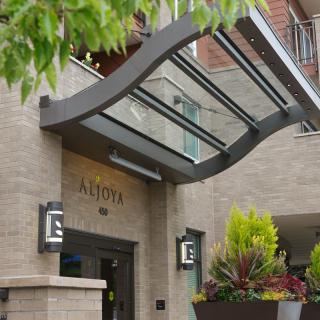
 Caring staff and a warm, resort-like community with extensive amenities.

 Assisted Living Expenses and Long-Term Care Insurance: A Comprehensive Exploration
 Securing Financial Support for Assisted Living: A Comprehensive Overview
 Social Security Benefits and Assisted Living: Navigating Options Across the U.S.