
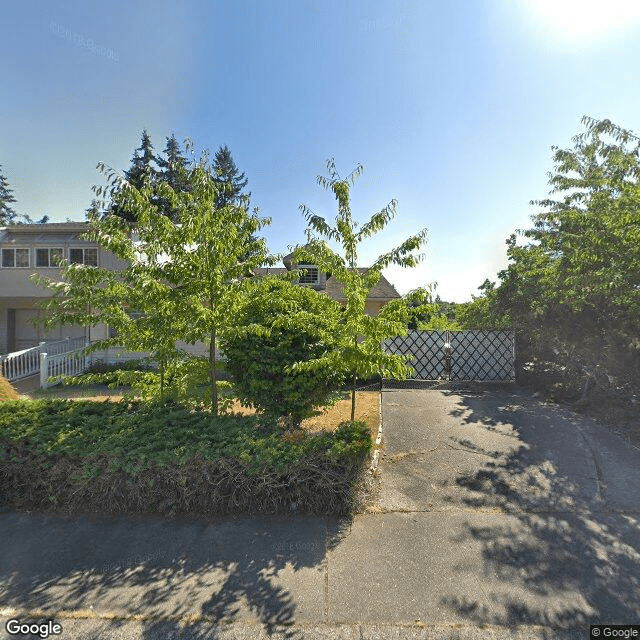
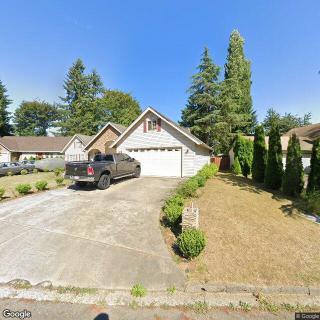
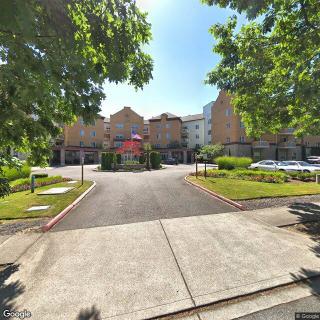
13805 SE 161st Pl., Renton, WA 98058
To contact a resident: (206) 353-3882
For more information about senior living options: (866) 208-4318
Fairwood Care Home Costs & Pricing
Fairwood Care Home offers a private room at a monthly cost of $7,000, which is notably higher than the average rates in both King County and the broader state of Washington. In comparison, the typical cost for a private room in King County stands at approximately $5,034, while across Washington state, it averages around $4,772. This discrepancy may reflect Fairwood's commitment to providing enhanced services or amenities that justify the premium pricing. Potential residents and their families should consider these factors when evaluating care options in the region.
| Floor plans | Fairwood Care Home | King County | Washington |
|---|---|---|---|
| Private | $7,000 | $5,034 | $4,774 |
Senior living communities with a similar price nearby
-
from -$500 / mo

The Promised Land
$6,500 / month22.6 miles away -
from +$1000 / mo
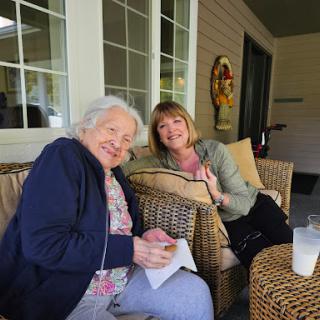
Grace Senior Care of Issaquah
$8,000 / month9.0 miles away -
from +$1000 / mo
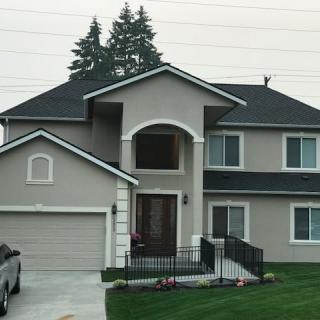
Golden Cottage AFH, Inc
$8,000 / month18.5 miles away -
from -$600 / mo
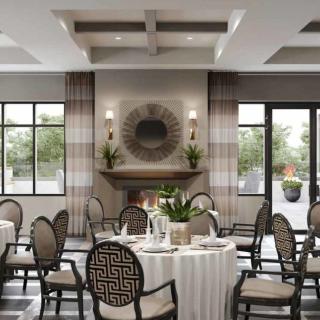
The Park at Belle Harbour
$6,400 to $15,500 / month12.0 miles away -
from -$1000 / mo

Elderly Home Care
$6,000 to $8,000 / month19.6 miles away
Overall Review of Fairwood Care Home
Pros
 The staff at Fairwood Care Home are compassionate, skilled, and deeply attentive to residents’ needs.
- They provide personalized care with careful management of medical needs and clear communication with families about care plans.
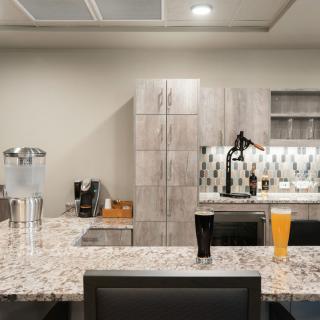
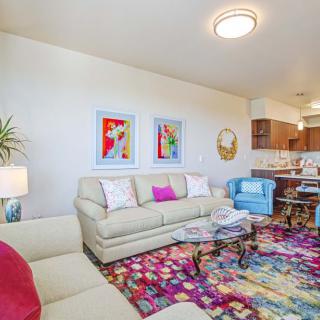
- The home is a warm, nurturing environment where residents are truly valued, with cleanliness and comfort throughout.
- Families feel welcomed and supported, often noting one-on-one attention, home-cooked meals, and special celebrations.
- The staff routinely go above and beyond, building relationships that feel like family and ensuring residents maintain dignity and joy.
- The facility is clean, spacious, safe, and well-maintained, offering private rooms and a comfortable environment.
- They work well with hospice and other services to ensure compassionate end-of-life care.
Cons
 None found — the reviews are uniformly positive.
Review
Fairwood Care Home in Renton is best suited for families seeking a small, home-like environment where an aging loved one can receive highly personalized, attentive care without the impersonality of a large facility. The community shines for seniors who benefit from consistent one-on-one attention, daily accountability for medical needs, and meals that feel like home cooking. Private rooms, a warm, lived-in atmosphere, and spaces designed for easy visiting translate into a setting where residents are treated with dignity and familiarity rather than as a number. Families that prize regular communication about health status and care plans will find the staff’s approach particularly reassuring, with caregivers who are not only competent but genuinely invested in the resident’s comfort and daily happiness. For someone who values continuity, human connection, and a genuine sense of belonging, this home-like model provides compelling alignment.
Those weighing options should consider alternatives if the priority is heavy institutional support, high-intensity medical care, or specialized memory-care infrastructure. Large assisted-living campuses or skilled-nursing environments often offer broader on-site services, more formalized programming, and round-the-clock nursing coverage that can be important for residents with complex medical regimens or behaviors that require constant monitoring. If a resident requires aggressive wound care, frequent skilled interventions, or a secured unit for advanced dementia, a more traditional facility with broader clinical resources may be a better fit. In short, the deepest strengths of Fairwood Care Home lie in its intimate, personalized model; at the same time, the same intimacy can be limiting for those who need scale, rapid access to specialty therapies, or 24/7 professional nursing on site.
The strongest pros consistently emerge as core drivers of satisfaction. Families repeatedly report a staff that is not only skilled and professional but deeply compassionate, with caregivers who treat residents with respect, patience, and gentleness. Care plans are described as thoughtful and well-communicated, with families kept informed about health status and daily management. The home is portrayed as clean, comfortable, and safe, with spaces that support both quiet time and social connection. Food is a frequent highlight, home-cooked meals that residents genuinely enjoy, contributing to a sense of normalcy and well-being. The environment also supports meaningful family engagement: visitors feel welcomed, special occasions are celebrated, and residents often seem to thrive with the personal attention and warmth that defines daily life there. Importantly, the community’s capacity to coordinate with hospice and incorporate family input into care underscores a holistic approach that adapts to changing needs.
Where the model may reveal its limits, a candid assessment recognizes that the very warmth and intimacy can constrain certain resources. The intimate footprint of a smaller home means fewer on-site amenities and perhaps less immediate access to a full slate of therapies or medical specialists compared with larger facilities. While staff performance consistently meets high standards, turnover or scheduling realities in a smaller operation can occasionally influence the immediacy of certain services. Yet these potential drawbacks are largely offset by the depth of personal attention, the quality of daily interactions, and the ability to tailor activities and routines to individual preferences. For families whose loved one benefits from a predictable routine and the sense of belonging that comes from a close-knit team, these are tolerable trade-offs that still deliver superior day-to-day quality of life.
To make a well-informed decision, prospective residents’ families should prioritize a few practical checks alongside instinctive impressions. Inquire about staffing ratios at different shifts to understand how personal attention is balanced with safety; ask how care plans are developed, updated, and communicated, and who is responsible for coordinating with external providers or hospice services when needed. Observe meal service and kitchen routines to confirm that nourishment and dietary needs are consistently met, and assess the home’s accessibility, safety features, and ease of visiting, the reviews repeatedly stress the importance of a welcoming, family-friendly atmosphere. Finally, request opportunities to meet the caregiving team in action, review recent CARE plans, and tour private rooms and common areas to gauge whether the lived experience matches the high standards described in family testimonials.
Overall, Fairwood Care Home presents a compelling option for families prioritizing warmth, dignity, and highly individualized care in a home setting. It is especially well-suited for seniors who value private accommodations, attentive daily supervision, and meaningful engagement with a compassionate team. While it may not be the ideal choice for residents demanding intensive on-site medical interventions or highly specialized dementia units, its strengths, compassionate caregiving, transparent communication, clean and comfortable surroundings, and vibrant opportunities for social connection, generally outweigh the tradeoffs. For families seeking a caregiving environment that feels more like a respectful extension of home than a clinical campus, Fairwood Care Home stands out as a trustworthy, consistently excellent option in Renton.
 Board and Care Home
 Cats allowed
 Dogs allowed
 Activities off-site
 Bath tubs
 Devotional services on-site
 Indoor common areas
 Outdoor common areas
 Private
 Private bathrooms
 Respite or short term stays offered
 Wheelchair accessible showers
 Seattle-Tacoma International (7 miles away)
 Diabetic care
 High acuity care
 Incontinence care
 Medication management
 Meals provided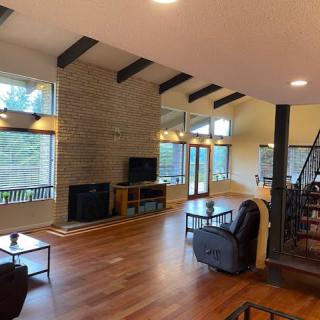



 Understanding Hospice Care at Home: Comprehensive Services, Key Benefits, and Eligibility
 Understanding the Full Cost of 24/7 In-Home Care: A Detailed Overview
 Exploring the World of Home Health Nurses: Qualifications, Roles, and Hiring Tips