
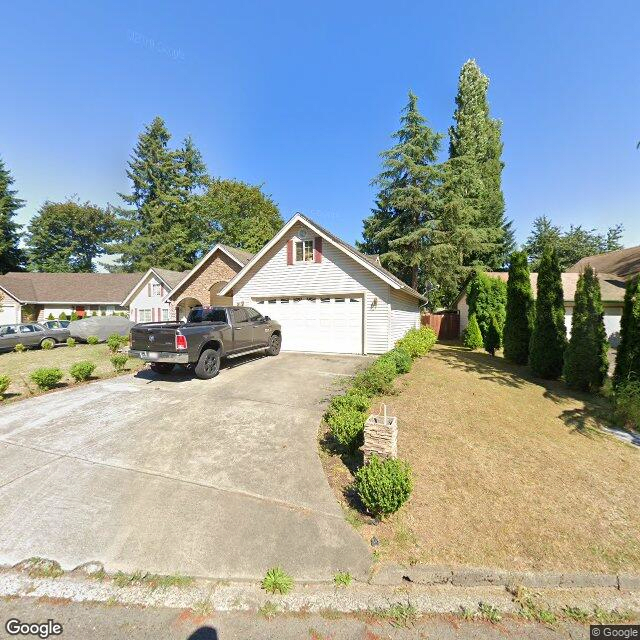
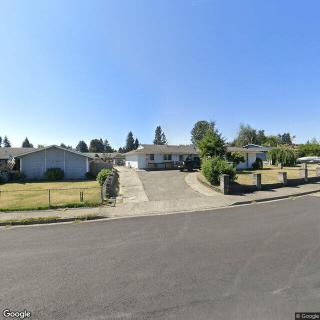
16366 129th Ave SE, Renton, WA 98058
To contact a resident: (206) 353-3882
For more information about senior living options: (866) 208-4318
Fairwood Care Home Costs & Pricing
Fairwood Care Home offers competitive pricing for its residents, with costs significantly lower than both King County and the broader state of Washington. For a semi-private room, Fairwood charges $3,000 per month, providing a substantial savings compared to the county average of $4,430 and the state average of $4,267. Similarly, their private rooms are priced at $3,400, which is notably less than the county's average of $5,034 and the state's average of $4,772. This makes Fairwood Care Home an appealing option for those seeking quality care without straining their financial resources.
| Floor plans | Fairwood Care Home | King County | Washington |
|---|---|---|---|
| Semi-Private | $3,000 | $4,430 | $4,272 |
| Private | $3,400 | $5,034 | $4,774 |
Senior living communities with a similar price nearby
-
from +$375 / mo

Evergreen Manor Senior Care Inc
$3,375 to $7,500 / month16.4 miles away -
About the same

Hummingbird Homecare
$3,000 / month14.0 miles away -
from -$200 / mo
Gold Standard Care
$2,800 / month24.8 miles away -
About the same

Caring Adult Family Home #1
$3,000 / month21.2 miles away -
About the same
Home Care in Kent Inc.
$3,000 to $3,500 / month5.2 miles away
Overall Review of Fairwood Care Home
Pros
 The staff were described as really nice.
- They were liked for their kindness.
Cons
 The owners were never there.
- The staff were not qualified to help.
- The husband had third-degree bed sores.
- The husband fell several times.
- The owners were seen only when it was time to get paid.
- They lacked compassion.
- They did not take care of their loved one the way they should have.
- They had people who worked for them who were a little off.
- They lived there with their kids, so there wasn't really any quiet place for the residents.
Review
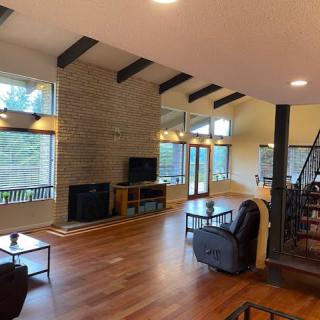
Fairwood Care Home in Renton, WA is best suited for families seeking a small, home-like environment and prepared to take a hands-on role in oversight. The setting can feel warm and intimate, but its care framework relies on inconsistent staff qualifications and minimal direct supervisory presence from owners. For seniors with medical needs, especially those requiring reliable wound care, skilled nursing, or systematic fall prevention, this is not the right fit. In practice, the absence of steady clinical oversight creates a mismatch between the pleasant surface and the hard realities of adequate care. Families that prioritize independence and soft surroundings over professional care certainty will find a fit, but it requires a willingness to monitor everything closely.
Those weighing alternatives should focus on residents who require robust clinical support, rigorous safety protocols, and steady, expert supervision. If a loved one depends on timely wound care, consistent assistance with transfers, or urgent response to medical concerns, other communities with licensed nursing staff and reliable management presence will serve better. Quiet, peaceful living is a valid goal, but when it relies on compromises around safety and accountability, it becomes a liability rather than a comfort. Prospective buyers should consider other options that guarantee regular, on-site oversight by qualified personnel and clearer accountability from management.
The positives cited in the limited favorable impressions center on staff demeanor. Some reviewers describe staff as genuinely nice and approachable, a small but real comfort in daily interactions. The intimate, two- or three-person caregiving dynamic can feel personal and homelike. However, these small moments do not compensate for systematic gaps. The kindness ring-fenced by easygoing interactions cannot substitute for trained clinical judgment, standardized wound care, and consistent supervision. In short, warmth without competence leaves critical risks unaddressed and undercuts the overall quality of life for residents with meaningful care needs.
The major red flags dominate the picture. Repeated reports describe ownership that is not consistently on site, with owners appearing only when financial considerations come into play. Staff are described as not adequately qualified to handle essential caregiving tasks, with serious consequences including a resident developing third-degree bed sores and multiple falls. The fear of neglect looms as owners are perceived to be present more for payment than for active caregiving leadership. Compounding this, the environment is described as lacking quiet respite for residents, because owners live with their children on site, diminishing the sense of a tranquil, distraction-free living space. These factors together form a risky care backdrop that undermines trust.
To move from caution to confidence, families should demand a transparent, evidence-based care plan if any interest remains. Ask for the exact staffing mix at all shifts, including qualifications and ongoing training, and request the on-call availability of a licensed nurse. Seek detailed wound-care protocols, pressure-ulcer prevention strategies, and documented incident reports for falls or injuries. Observe the facility during peak activity times to assess responsiveness, call-light use, and how aides coordinate with any supervisory staff. Speak with current residents and families about perceived attention to safety, quiet spaces, and overall well-being. Only with clear, verifiable answers can the decision transition from tentative consideration to a responsible commitment.
Bottom line: the risks highlighted by the reviews far outweigh the potential benefits for most families, particularly those with loved ones who require steady clinical care and proactive safety management. If choosing Fairwood, approach as a temporary or transitional arrangement while incompatibilities with your loved one’s medical needs are investigated and addressed. Otherwise, prioritize facilities with visible, consistent management oversight, qualified clinical staff, proven wound and fall protocols, and a proven track record of compassionate, reliable care. The right match will hinge on demonstrated competence and dependable accountability, not only a pleasant greeting or a homelike atmosphere.
 Board and Care Home
 Cats allowed
 Dogs allowed
 Activities off-site
 Bath tubs
 Devotional services on-site
 Indoor common areas
 Outdoor common areas
 Private
 Private bathrooms
 Respite or short term stays offered
 Wheelchair accessible showers
 Seattle-Tacoma International (7 miles away)
 Diabetic care
 High acuity care
 Incontinence care
 Medication management
 Meals provided



 Essential Knowledge on Pneumonia in Older Adults
 Exploring Palliative Care in the Home: A Comprehensive Overview
 Comprehensive Insights into Palliative Home Care: What It Is and What to Expect