

13205 SE 160th Place, Renton, WA 98058
To contact a resident: (206) 354-3377
For more information about senior living options: (866) 208-4318
Sweet Care Home Costs & Pricing
At Sweet Care Home, the monthly costs for private and one-bedroom accommodations reflect a premium standard of care and personalized services tailored to residents' needs. The price for a private room is set at $5,500, which exceeds both the county average of $5,034 in King County and the state average of $4,772 in Washington. Similarly, the one-bedroom option is priced at $6,500, higher than the King County average of $5,127 and significantly above the state benchmark of $4,632. While Sweet Care Home's rates are above those of both King County and Washington state averages, they encompass a holistic approach to resident wellbeing that prioritizes comfort and individualized attention.
| Floor plans | Sweet Care Home | King County | Washington |
|---|---|---|---|
| Private | $5,500 | $5,034 | $4,774 |
| 1 Bedroom | $6,500 | $5,127 | $4,634 |
Memory care communities with a similar price nearby
-
from +$1000 / mo

The Promised Land
$6,500 / month22.5 miles away -
from +$500 / mo

Elderly Home Care
$6,000 to $8,000 / month19.4 miles away -
from +$250 / mo

Fieldstone Rolling Bay and Fieldstone Memory Care
$5,750 to $8,895 / month21.1 miles away -
About the same

Twin Lake Adult Family Home
$5,500 to $6,500 / month14.5 miles away -
from +$500 / mo

Blue Horizon Adult Family Home
$6,000 to $7,000 / month7.4 miles away
Overall Review of Sweet Care Home
Pros
 Sweet Care Home is described as providing an outstanding experience.
- The staff demonstrate extraordinary compassion, professionalism, and dedication to residents’ well-being.
- Personalized care significantly enhances the resident’s daily life.
- Open communication and collaboration foster trust and transparency.
- The team goes above and beyond, treating residents with the utmost respect and kindness.
- Cornel and Delia turn transitions into positive and enriching experiences.
- The family expresses sincere gratitude for the care provided.
Review
Sweet Care Home in Renton is best suited for families seeking a small, home-like setting where a loved one receives extraordinarily attentive, personalized care. The community shines when the priority is consistent warmth, respect, and professional commitment that translates into tangible daily benefits. Residents experience clear, open communication and a collaborative approach with families, making everyday routines feel thoughtfully tailored rather than commodified. The transition from home to care is managed with patience, turning what can be a stressful moment into a structured, reassuring process. In short, this is a setting where dignity, autonomy, and meaningful interaction with a devoted caregiving team are not afterthoughts but fundamentals.
Those weighing options should consider alternatives if the priority is a broad medical footprint or a bustling campus with extensive on-site medical services. Sweet Care Home’s strengths lie in intimate, highly personalized attention; for seniors who require aggressive medical oversight, aggressive rehabilitation, or a wide array of on-site amenities, a larger community with more formal clinical infrastructure may be a better fit. Families who place a premium on diverse programming, nurse-led rounds, or multi-discipline therapy teams might find greater alignment elsewhere. Price considerations matter too; the compact model can imply fewer in-house specialists, so prospective residents should verify that the available services meet current and anticipated needs.
The principal advantages center on human connection and a philosophy of care that places the resident at the heart of every decision. Compassionate care, meticulous personalization, and open lines of communication create a daily routine that feels both reliable and dignified. The staff’s willingness to collaborate with families reduces friction and elevates trust, which is especially valuable during transitions. Cornel and Delia are highlighted as standout caregivers who consistently go beyond the call of duty, earning genuine respect and fostering a sense of safety. This combination results in a living environment where daily life is purposeful, and residents are treated with consistent kindness.
From the available narrative, no substantive drawbacks emerge, and the strong positives effectively offset typical trade-offs associated with smaller homes. The intimate scale enables rapid responsiveness, nuanced care planning, and sustained, personal relationships with residents and families. Any hypothetical downsides, such as limited in-house medical specialization or a narrower calendar of activities, are not reflected in the impression conveyed by the review. Instead, the emphasis is on trust, collaboration, and a track record of converting a feared transition into a positive, enriching experience for both resident and family.
Practical steps for families considering this option include arranging a personal visit to observe staff-resident interactions, and meeting Cornel and Delia to assess compatibility with the loved one’s needs and personality. It is essential to discuss how care plans are developed and updated, how family input is incorporated, and how quickly changes in condition are escalated and communicated. Inquire about current staffing levels, availability of on-site medical oversight, and the range of therapies or activities offered locally. Finally, compare pricing with other Renton options, clarifying what is included in monthly fees versus add-ons, to ensure budgeting aligns with the desired level of personalized care.
For families prioritizing warmth, dignity, and an authentic partnership with caregivers, Sweet Care Home represents a standout choice in Renton. The blend of compassionate, individualized care with transparent, family-centered communication creates a secure, enriching environment for a loved one who thrives on consistency and personal attention. Those seeking extensive clinical oversight, a larger activity calendar, or a broader hospital-grade ecosystem should explore alternatives that offer more robust medical infrastructures. In any case, a focused tour and candid conversations with the care team will reveal whether this intimate setting aligns with the resident’s needs and the family’s expectations, supporting an informed, confident decision.
 Board and Care Home
 Memory Care
 Activities off-site
 Devotional services off-site
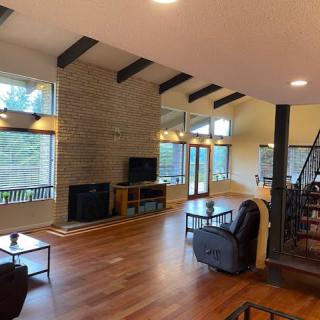
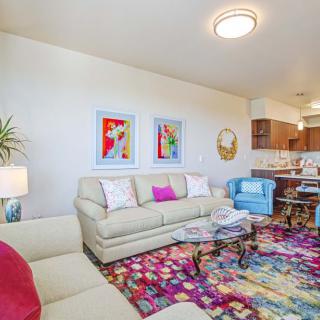
 Indoor common areas
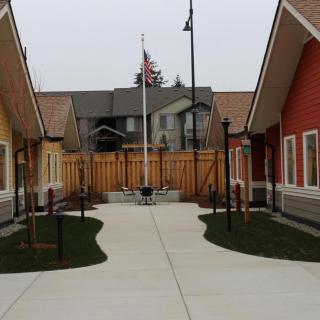
 Outdoor common areas
 Private
 Private bathrooms
 Respite or short term stays offered
 Wheelchair accessible showers
 Seattle-Tacoma International (7 miles away)
 Ambulatory care
 Diabetic care
 High acuity care
 Incontinence care
 Medication management
 Meals provided
 Christian services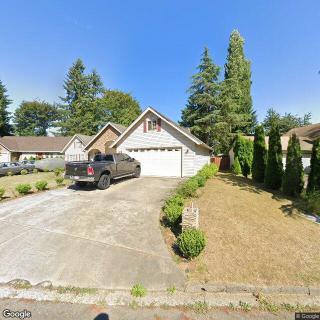



 Comprehensive Insights on the Late Stages of Dementia: What to Expect and How to Provide Care
 Medications Associated with Dementia Risk: A Comprehensive Overview
 Guiding Your Journey: Understanding Power of Attorney for Elderly Parents