
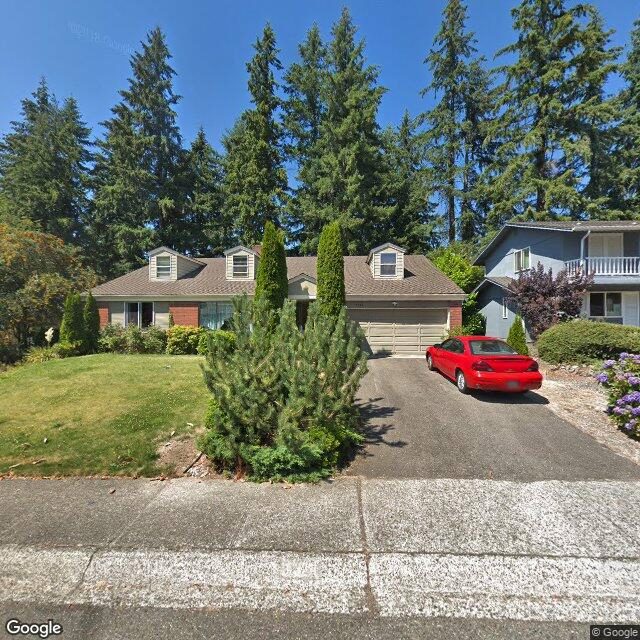
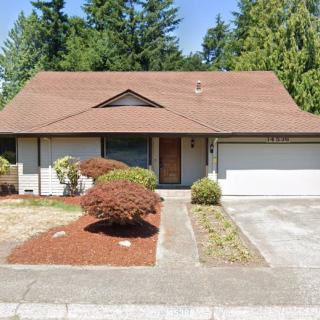
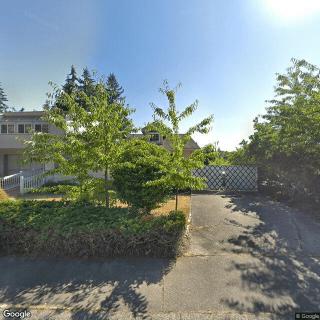
14328 SE 170th Street, Renton, WA 98058
To contact a resident: (206) 412-4724
For more information about senior living options: (866) 208-4318
Serenity Harbor AFH II Costs & Pricing
Serenity Harbor AFH II offers competitive pricing for its private rooms at $3,000 per month, significantly lower than the average costs in King County and the broader state of Washington. In King County, the monthly rate for similar accommodations averages around $5,034, while statewide costs reach approximately $4,772. This positioning not only underscores Serenity Harbor AFH II's commitment to providing quality care at an affordable rate but also makes it an attractive option for families seeking excellent assisted living services without compromising on financial stability.
| Floor plans | Serenity Harbor AFH II | King County | Washington |
|---|---|---|---|
| Private | $3,000 | $5,034 | $4,774 |
Senior living communities with a similar price nearby
-
from +$375 / mo
Evergreen Manor Senior Care Inc
$3,375 to $7,500 / month16.9 miles away -
About the same
Hummingbird Homecare
$3,000 / month13.8 miles away -
About the same
Caring Adult Family Home #1
$3,000 / month21.7 miles away -
About the same
Home Care in Kent Inc.
$3,000 to $3,500 / month5.2 miles away -
from +$500 / mo

Twin Lakes Haven Adult Family Home
$3,500 to $8,000 / month13.7 miles away
Overall Review of Serenity Harbor AFH II
Pros
 The caregivers treated him like family, showing kindness, patience, and respect every day.
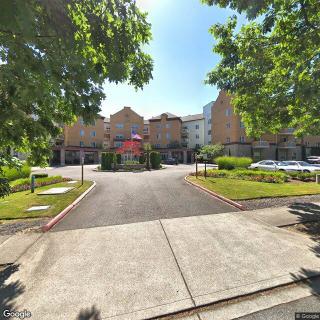
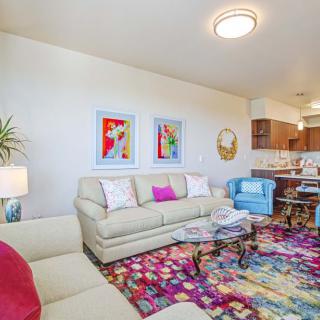
- Grandpa had a beautiful room that felt like home, with cozy living areas and a lovely garden.
- He always looked forward to the delicious, home-cooked meals.
- The staff kept the family updated on his well-being and welcomed visits.
- The family felt tremendous peace of mind knowing he was well cared for.
- They provide warm, compassionate, and qualified care in a safe, home-like environment.
- They offer high-quality care and a dependable support system for residents and their families.
- The home is praised as the best adult family home in the Seattle area.
Cons
 They wouldn’t recommend calling.
- The employees are very rude.
- That likely reflects their service.
Review
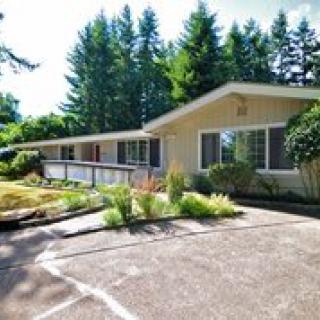
Serenity Harbor AFH II in Renton is best suited for families seeking a true home-like senior living experience where caregiving is intimate, consistently attentive, and deeply personal. This community shines for residents who want regular, family-style interaction, highly individualized attention, and daily routines that feel like life at home. The setting, a cozy house with inviting living areas and a garden, paired with home-cooked meals and around-the-clock care, offers the emotional security that matters to families when peace of mind is the priority. For elders who prize warmth, predictable presence, and a nurturing atmosphere, Serenity Harbor stands out as a practical, compelling option.
Those evaluating alternatives should acknowledge that this format may not fit every situation. If a resident requires hospital-level medical oversight, extensive on-site therapy, or highly structured, programmatic activities, a larger assisted living with integrated medical partners could be a better fit. Memory care for dementia that demands formal protocols, specialized training, or dedicated memory-care wings may also be better served by facilities designed around those needs. And for families seeking a broad array of amenities, bustling social calendars, or a less intimate setting, a bigger community might deliver a different flavor of independence and stimulation.
The strongest pros are concrete and consistently reported: staff who treat residents like family, genuine warmth, patience, and a home-like environment. Residents enjoy clean, personalized attention, delicious meals, and the sense that caregivers are nearby 24/7. Families receive regular updates on well-being, which reduces anxiety and builds trust. The combination of safe, comfortable spaces and a caregiver culture that prioritizes respect and connection creates a powerful offset to any potential friction in administrative touchpoints. In practical terms, the on-site caregiving quality largely compensates for the rare hiccup in initial outreach.
The primary con cited concerns the intake experience, the impression that calling or initial communication could be unfriendly. That is a meaningful caveat for families in the early, decision-making stage. Yet the overall lived experience, once the resident is in place, tends to be consistently positive. Administrative responsiveness should be clarified early on: request a dedicated contact person for updates and emergencies, and confirm preferred communication channels. If a rocky first impression occurs, it is prudent to press for a reliable liaison rather than letting one rough start color the entire perception of care quality.
Cost perception also emerges in these discussions as a factor. The sentiment that fees resemble a home setting suggests a value proposition: robust, hands-on care in a small, intimate footprint without the premium price tag of larger facilities. Families should obtain a precise, itemized quote and ask what is included, what triggers extra charges, and how pricing can flex with changing care needs. The intimate setting often translates into better staff-to-resident ratios, fewer shared spaces, and more individualized attention, benefits that frequently justify the expense for those prioritizing emotional and logistical ease.
In the end, Serenity Harbor AFH II is a strong fit for families prioritizing a true home environment, empathetic caregiving, and visible, continuous care. It excels at delivering peace of mind through family-like interactions, predictable daily routines, and tangible comforts, home-cooked meals, safe spaces, and intimate living areas that feel like home. Those who require more clinical oversight, specialized memory care, or a larger, more activity-rich community should explore alternatives with clearer medical infrastructures and broader programming. Schedule a visit, insist on a direct point of contact, and test the front-desk reception, the experience should mirror the on-site warmth. If it does, this becomes a highly reliable match.
 Board and Care Home
 Cats allowed
 Dogs allowed
 Activities off-site
 Bath tubs
 Beautician on-site
 Devotional services off-site
 Indoor common areas
 Outdoor common areas
 Private
 Private bathrooms
 Respite or short term stays offered
 Wheelchair accessible showers
 Seattle-Tacoma International (8 miles away)
 High acuity care
 Kosher
 Exploring the World of Home Health Nurses: Qualifications, Roles, and Hiring Tips
 Navigating Medicare Coverage for In-Home Care Services
 In-Home Care Costs in 2025: A Detailed State-by-State Exploration