

608 3rd st Street, Mukilteo, WA 98275
To contact a resident: (425) 355-4177
For more information about senior living options: (866) 208-4318
Serenity Adult Family Home Costs & Pricing
At Serenity Adult Family Home, the cost for a private room is set at $4,000 per month. This rate is notably competitive when compared to the broader market; in Snohomish County, the average monthly cost for similar accommodations stands at approximately $4,834, while across the state of Washington, the average reaches about $4,772. Serenity Adult Family Home not only offers a more affordable option but also ensures residents receive personalized care in a nurturing environment, making it an attractive choice for families seeking quality adult living solutions without sacrificing financial stability.
| Floor plans | Serenity Adult Family Home | Snohomish County | Washington |
|---|---|---|---|
| Private | $4,000 | $4,834 | $4,774 |
Senior living communities with a similar price nearby
-
from -$500 / mo
Dignity Life
$3,500 / month8.8 miles away -
from -$625 / mo
Evergreen Manor Senior Care Inc
$3,375 to $7,500 / month18.5 miles away -
from -$500 / mo
Terrace View AFH
$3,500 to $4,000 / month10.1 miles away -
from -$500 / mo

Nebisolo AFH
$3,500 to $4,000 / month11.7 miles away -
from +$500 / mo
We Care Adult Family Home
$4,500 to $8,000 / month3.5 miles away
Overall Review of Serenity Adult Family Home
Pros
 They provide very caring and excellent care.
- They are like family to patients and their families, offering kindness and grace.
- They communicate regularly and tailor care plans with openness to challenges.
- They are amazing to work with and demonstrate an evident love for what they do.
- They are compassionate, easy to work with, and provide great support across distances.
- They come highly recommended by those they care for.
Review
Serenity Adult Family Home in Mukilteo is best suited for families seeking a small, home-like setting where an elderly loved one receives exceptionally attentive, consistent care from a devoted caregiving team. The strongest pattern in the feedback is long-standing relationships: caregivers who stay with residents and treat them almost like family, delivering steady support over years. Residents who value stability, personal attention, and a warm, respectful atmosphere will find the most benefit here. The Care Team’s dedication shines through in stories of a resident who lived there for more than six years and in families who describe regular, candid communication that reassures and guides decision-making. This is a setting where relationships matter as much as routines.
Those evaluating options should consider alternatives if the priority is high-acuity medical oversight or formal memory-care programming. Serenity excels in warmth, individualized planning, and consistent processor of care, but a larger facility with 24/7 nursing supervision or a structured dementia program may better serve residents with complex medical needs or advanced cognitive impairment. The intimate, house-like model prioritizes personalized attention over hospital-style resources. For families whose loved one’s needs are certain to escalate beyond what a small home can accommodate, a facility with broader clinical capacity may be a prudent comparison.
The most compelling pros converge to offset the primary trade-offs. Caregivers are described as very compassionate and excellent, with easy, proactive communication that keeps families aligned even when miles apart. The team’s willingness to tailor care plans and adjust as care challenges evolve creates a dependable framework for long-term caregiving. Family members who serve as power of attorney can rely on steady updates and collaborative problem-solving, reducing the burden of overseeing care from a distance. The setting’s beauty and the sense of entering a welcoming, well-maintained home further reduce stress for both residents and visiting relatives.
Because the reviews emphasize warmth and continuity, the main potential drawbacks are implicit rather than explicit. A smaller operation may limit the breadth of on-site clinical resources, specialized programming, and rapid deployment of more intensive medical interventions. Yet, the depth of staff engagement, the openness to adjust care plans, and the genuine affection shown by caregivers often compensate for these limitations. For many families, the preference for a trusted, familial environment, where staff know the resident’s history, preferences, and evolving needs, outweighs the need for larger-scale services.
Practical decision steps sharpen the fit. Prospective families should confirm staffing stability and qualifications, inquire about how care plans are reviewed and revised in response to health changes, and probe emergency protocols and access to outside medical support when needed. Ask about memory-care capabilities and whether dementia-related needs can be managed within the home as they evolve. Tour the space with specific questions about safety features, daily routines, and how communication is maintained with family members who live out of town. Finally, seek candid conversations with current or former residents’ families to gauge day-to-day realities beyond the warmth of the initial visit.
In sum, Serenity is a compelling choice for those who prize a true home atmosphere, deep caregiver-resident bonds, and transparent, collaborative communication. It stands out as an outstanding option for long-term, person-centered care where the emphasis is on stability, dignity, and family-aligned planning. It may not be the best fit for residents whose needs demand heavy medical oversight or formalized dementia programming, but for families prioritizing consistent, compassionate attention and a welcoming environment, the fit is strong. For the right match, a thoughtful visit will reveal the degree to which the staff’s evident commitment translates into reliable, comforting care day after day.
 Board and Care Home
 Private
 Respite or short term stays offered
 Ambulatory care
 Diabetic care
 Incontinence care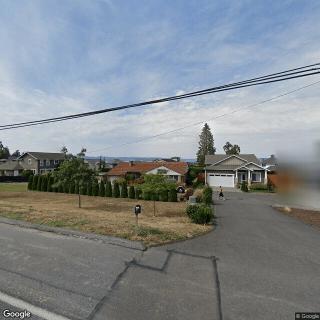




 Comprehensive Insights and Practical Strategies to Help Older Adults Avoid Falls
 6 Crucial Ways an Elder Law Attorney Assists Families
 Navigating the Tax Landscape of Caregiving: Credits, Deductions, and Beyond