
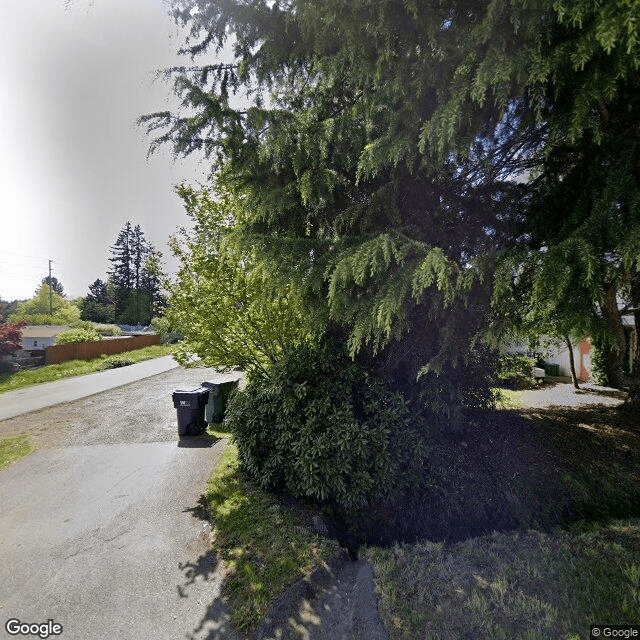
24324 52nd Ave W, Mountlake Terrace, WA 98043
To contact a resident: (206) 919-3677
For more information about senior living options: (866) 208-4318
Nebisolo AFH Costs & Pricing
At Nebisolo AFH, the monthly costs for care are competitively priced compared to both Snohomish County and the broader Washington state averages. For a semi-private room, residents pay $3,500, which is notably lower than the county's average of $4,320 and the state's average of $4,267. Similarly, for those seeking more privacy in a private room setting, Nebisolo AFH charges $4,000 - again more affordable than the county's average of $4,834 and the state average at $4,772. This pricing positions Nebisolo AFH as an attractive option for individuals looking for quality care without exceeding their budget in comparison to other facilities in the region.
| Floor plans | Nebisolo AFH | Snohomish County | Washington |
|---|---|---|---|
| Semi-Private | $3,500 | $4,320 | $4,272 |
| Private | $4,000 | $4,834 | $4,774 |
Senior living communities with a similar price nearby
-
About the same
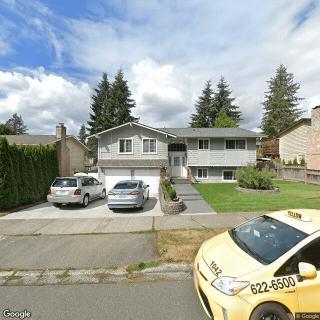
Dignity Life
$3,500 / month6.3 miles away -
from -$125 / mo
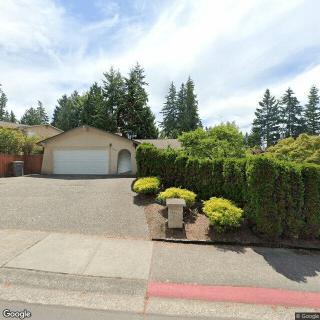
Evergreen Manor Senior Care Inc
$3,375 to $7,500 / month8.5 miles away -
from +$500 / mo
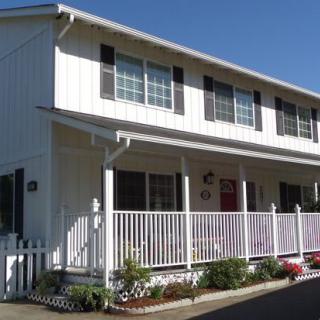
Meadow Crest Senior Home
$4,000 to $6,000 / month19.6 miles away -
from -$500 / mo
Caring Adult Family Home #1
$3,000 / month5.0 miles away -
from +$500 / mo

Riverton Home Care
$4,000 to $5,000 / month20.9 miles away
Overall Review of Nebisolo AFH
Pros
 Ramona is an exceptional caregiver who treats residents like family and provides the best possible care.
- She consistently goes above and beyond, delivering loving, personalized attention to each resident and their family.
- The Mountlake Terrace Adult Family Home is described as one of the best, with experienced, skilled, and caring ownership.
- Residents feel loved, safe, and enjoy a warm, family-like atmosphere.
- The home offers meaningful social activities and opportunities for interaction among people of all ages.
- The meals are prepared with fresh vegetables and healthy ingredients, supporting residents' health and well-being.
- Families readily recommend Ramona's home to others seeking compassionate care.
- The owner is smart, kind, and devoted, and goes beyond the call of duty.
Review
Nebisolo AFH in Mountlake Terrace is best suited for seniors who flourish in a warm, home-like setting where care feels deeply personal, ongoing, and hands-on. This community excels when a resident benefits from immediate, family-style attention, regular meals prepared with fresh vegetables, and a social environment that blends multiple generations and activities. The essence here is a caregiver who treats residents like relatives, delivering meticulous daily care and a sense of safety that lets families breathe easier. For families prioritizing warmth, continuity, and a lived-in atmosphere over clinical polish, Nebisolo AFH stands out as a top-tier match.
That said, families with extensive medical needs or a preference for highly structured, hospital-grade programming may want to consider alternatives. The model described in these reviews emphasizes individualized, affectionate care rather than a large-scale clinical footprint. For residents who require robust, on-site rehabilitation programs, highly specialized memory-care protocols, or 24/7 access to a broad medical staff, a larger assisted-living community or a dedicated memory-care facility may better align with those needs. Nebisolo AFH is not presented as a medical hub; it is a home where health support is attentive and personal, not sprawling or impervious to scrutiny.
The strongest pros converge on the caregiver’s character and the resident experience. Ramona comes across as a proven, decades-spanning presence who genuinely treats residents as family. Families repeatedly highlight her as a gem, an exceptional cook who nourishes both body and spirit, and a provider who ensures each resident receives loving, individualized attention. The home atmosphere fosters comfort and trust; relatives report relief knowing their loved ones are well cared for even when departures or travel complicate supervision. Residents appear to connect with the social fabric of the home, and excursions are framed as joyful culminations of a well-rounded life rather than mere routine.
These benefits offset the most plausible drawbacks by delivering palpable peace of mind and durable quality of life. The reviews reveal a focus on healthful, home-cooked meals, consistently soft skin and good overall condition in residents, and a level of affection that elevates end-of-life moments. The social dimension, games, intergenerational interaction, regular activities, creates meaningful engagement that can reduce isolation and boredom, which in a smaller, family-run setting may surpass what larger facilities reliably offer. In short, the intimate scale is not a limitation here so much as a feature that magnifies responsiveness, trust, and ongoing warmth.
Decision-making guidance centers on match: Nebisolo AFH is ideal when a family seeks a trusted, low-stress home environment that prioritizes personalized care, nourishment, and social well-being. Prospective residents should inquire about the daily routine, the degree of hands-on attention, and how flexibility is managed for medical or wellness needs. Prospects should confirm the ability to accommodate end-of-life care nuances and the comfort level of the resident with a smaller, family-run setting. If the priority is a strong home culture with proactive, affectionate caregiving, Nebisolo AFH is likely to deliver beyond expectations.
Ultimately, Nebisolo AFH stands as a standout option for those who value trust, closeness, and consistent, compassionate care delivered with a chef’s touch and a caregiver’s heart. It is especially compelling for families seeking reassurance through a home-based model where residents are known, remembered, and celebrated. For families prioritizing clinical intensity, expansive therapy services, or a larger caregiver team, alternatives will likely feel more aligned with those goals. In the mountaintop reality of senior care, Nebisolo AFH earns its recommendations through undeniable warmth, credibility, and a proven capacity to extend quality of life in a way that feels almost familial.
 Board and Care Home
 Activities off-site
 Beautician on-site
 Devotional services off-site
 Indoor common areas
 Outdoor common areas
 Private
 Private bathrooms
 Respite or short term stays offered
 Wheelchair accessible showers
 Seattle-Tacoma International (23 miles away)
 Diabetic care
 High acuity care
 Incontinence care
 Medication management
 Meals provided
 Comprehensive Look at Senior Blood Pressure Charts: Normal and Elevated Levels by Age
 Top Canine Companions for Older Adults
 Comprehensive Guide to Blood Pressure Charts for Older Adults: Understanding Normal and High Readings by Age