Montesano Health and Rehabilitation Center in Montesano, WA

Save
Montesano Health and Rehabilitation Center Montesano Health and Rehabilitation Center Montesano Health and Rehabilitation Center Montesano Health and Rehabilitation Center

Montesano Health and Rehabilitation Center in Montesano, WA

Information last verified:

800 North Medcalf, Montesano, WA 98563

For more information about senior living options: (844) 490-3973

3.2 from 21 reviews
5 stars
11
4 stars
0
3 stars
0
2 stars
2
1 stars
8

Overall Review of Montesano Health and Rehabilitation Center

Pros

  • pro The facility is beautiful and the staff are outstanding.
  • pro There is kindness and caring throughout, from meals to nursing, physical therapy, and activities.
  • pro Residents are treated with kindness, compassion, and respect, and are treated as family.
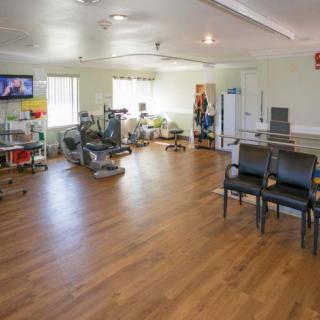
  • pro The physical therapists are among the best.
  • pro The admissions and office staff are compassionate and supportive, making the process quick and painless.
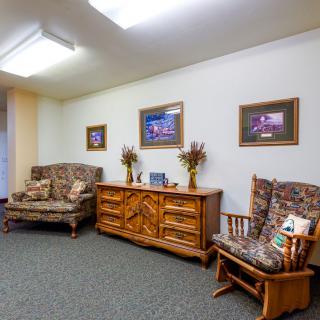
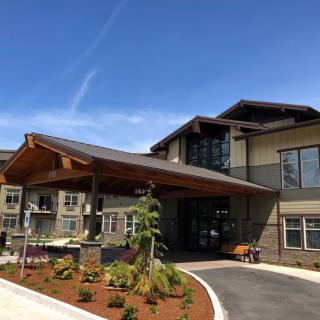
  • pro The facility is exceptionally clean, located in a beautiful setting, with a homey atmosphere and wonderful kitchen staff.

Cons

  • pro They consider the facility the worst place ever.
  • pro The reviewer would give zero stars if possible.
  • pro The staff are disrespectful and unprofessional.
  • pro Discharge paperwork was not completed on time, causing delays.
  • pro They left a leaking wound untreated for days, risking amputation.
  • pro They failed to inform the family promptly about a positive COVID test.
  • pro They sent another resident's medical paperwork with the family, constituting a HIPAA violation.

Review

Montesano Health and Rehabilitation Center in Montesano, WA is best suited for families seeking a warm, home-like skilled-nursing environment with solid rehabilitation support and a culture of genuine kindness at the bedside. The facility often reads as comfortable and aesthetically pleasing, with attentive nursing and therapy staff, good meals, and a sense that residents are treated with care and respect. It can be an especially appealing option for families who want a place that feels less clinical and more like a true residence, where staff members emphasize personal attention, friendly interactions, and daily routines that resemble a caring household.

That said, there are clear reasons to consider alternatives. The strongest warnings come from repeated concerns about administrative reliability, communication gaps, and consistency in care coordination. Families who require consistent, proactive updates, timely discharge planning, and strict privacy protections will want to shop around. For residents whose families demand rigorous oversight, transparent documentation, and dependable follow-through on paperwork and incident reporting, Montesano may fall short relative to other options.

The major pros, compassionate staff, visible warmth from caregivers, well-regarded therapy teams, and a clean, homey environment, do carry real weight in the decision. Several reviews highlight the quality of physical therapy and nursing attention as standout attributes, alongside pleasant dining experiences and a welcoming atmosphere. When the care team is functioning well, families describe a cooperative, patient-centered vibe where residents appear well cared for, meals are satisfying, and the daily rhythm conveys stability and respect.

Yet the main cons emerge as recurring, system-level gaps that can undermine the overall experience. The most consequential issues relate to communication and administrative reliability: delayed or incomplete discharge processes, gaps in timely family updates, HIPAA-related missteps, and reports of staff unprofessional behavior or dissatisfaction among the front-office team. These patterns erode trust and create situations where even excellent clinical care can feel disjointed or opaque to families trying to stay informed and involved.

Several specific risk areas warrant careful scrutiny before committing. Wound-care decisions in one case raised serious concerns about responsiveness and adherence to medical orders, with potential consequences for the resident’s health. There are credible accounts of family members not being promptly notified about a resident’s health status, and of experiences where access to a loved one for important moments (such as end-of-life scenarios) was hindered. The mixed tone from staff, including reports of high turnover or frustration among workers, further complicates the sense of reliability and consistency that families rightly expect when placing a loved one in long-term care.

In practical terms, Montesano can be a good fit for families prioritizing warmth, individualized attention, and robust rehab when administrative accountability is strong. The counterbalance is substantial: without consistent communication, transparent care planning, and reliable privacy practices, the clinical advantages lose much of their value. Families considering this center should demand concrete assurances up front, appoint a dedicated liaison for weekly updates, request clear care-transition plans, and ask for access to a detailed incident and care-log that can be reviewed regularly. Request examples of discharge summaries, daily notes, and a written promise of prompt family contact for significant health changes.

If these assurances cannot be secured or if the trajectory of reviews continues to show fragmentation between care delivery and administrative processes, it is prudent to explore alternatives. Other communities with demonstrated reliability in discharge planning, physician communications, and respectful family engagement may offer greater peace of mind, even if they sacrifice some of Montesano’s homey charm. For families proceeding with Montesano, approach the choice with a structured, evidence-based plan: insist on a clear point of contact, schedule regular family conferences, and treat the admission as a formal agreement with defined timelines and accountability. The balance between heart and process will determine whether Montesano becomes a trusted home or an ongoing source of worry.

Features

Housing

  • 21 resident community capacity 21 resident community capacity

Types of Care

  • Assisted Living Assisted LivingAssisted living facilities provide crucial support and care for seniors who may need help with daily tasks such as medication management, bathing, and meal preparation. These communities offer a safe and comfortable environment where seniors can maintain their independence while receiving the assistance they need to thrive in their golden years.
  • Skilled Nursing Facility Skilled Nursing FacilitySkilled Nursing Facilities are crucial for seniors as they provide round-the-clock medical care, rehabilitation services, and assistance with daily activities. These facilities ensure that seniors receive the specialized care they need to maintain their health and well-being as they age.

Amenities

  • Beauty salon Beauty salonBeauty salons are important for seniors because they provide a space for them to feel pampered, socialize, and maintain their personal grooming and hygiene. Regular visits to a beauty salon can help boost seniors' self-esteem and overall well-being.
  • Cable or satellite TV Cable or satellite TVCable or satellite TV is important for seniors because it provides entertainment, news, and companionship, helping to combat loneliness and boredom. It also offers a wide range of programming options tailored to different interests and preferences.
  • Dining room Dining roomDining rooms are important for seniors as they provide a space for socialization, connection, and nutritious meals. They offer opportunities for residents to bond over shared meals, foster a sense of community, and promote healthy eating habits. Dining rooms also ensure that seniors have access to well-balanced meals tailored to their dietary needs and preferences.
  • Fully furnished Fully furnishedFully furnished senior living communities are important for seniors because they provide convenience, comfort, and a hassle-free moving experience. Seniors can easily settle into their new living space without the stress of having to buy and move furniture. This allows them to focus on enjoying their new home and community.
  • Garden GardenGardens are important for seniors as they provide a peaceful and therapeutic environment for relaxation, physical activity, and socialization. Being in nature has been shown to reduce stress, improve mood, and promote overall well-being. Gardens also offer opportunities for seniors to engage in gardening activities, which can improve mobility, flexibility, and cognitive function. Additionally, gardens create a sense of community and connection with others who share a passion for plants and outdoor spaces.
  • Housekeeping services Housekeeping servicesHousekeeping services are important for seniors because they help maintain a clean and safe living environment, promote independence, and reduce the risk of accidents or illnesses. Additionally, having assistance with household chores can alleviate physical strain and allow seniors to focus on other aspects of their well-being.
  • Kitchenette KitchenetteKitchenettes are important for seniors living in senior living communities because they provide the convenience and independence of being able to prepare simple meals and snacks in the comfort of their own living space. This can help promote a sense of autonomy and well-being for seniors, allowing them to maintain some level of control over their dietary choices and daily routines.
  • Move-in coordination Move-in coordinationMove-in coordination is important for seniors because it helps ease the transition into their new living environment. It ensures that all logistics, such as packing, organizing movers, and setting up utilities are taken care of, allowing seniors to focus on settling in and adjusting to their new home. Having a smooth move-in process can alleviate stress and anxiety, making the transition smoother and more enjoyable for seniors.
  • Outdoor space Outdoor spaceOutdoor spaces are important for seniors as they provide opportunities for physical activity, social interaction, exposure to natural light and fresh air, and a sense of connection to nature. Having access to outdoor spaces can improve overall well-being and quality of life for older adults living in senior communities.
  • Telephone TelephoneTelephones are important for seniors as they provide a lifeline for communication with loved ones, emergency services, and healthcare providers. They offer a sense of security and independence, enabling seniors to stay connected and access assistance when needed.
  • Wi-Fi/high-speed internet available Wi-Fi/high-speed internet availableWi-Fi/high-speed internet is important for seniors to stay connected with loved ones, access online resources, and participate in virtual activities to combat feelings of loneliness and isolation. It also allows them to easily manage healthcare needs, access entertainment, and engage in lifelong learning opportunities.

Care Services

  • 24-hour call system 24-hour call system24-hour call systems are important for seniors because they provide peace of mind and immediate assistance in case of emergencies. This technology ensures that help is always available, promoting safety and security for elderly individuals living alone or in assisted living facilities.
  • 24-hour supervision 24-hour supervision24-hour supervision is important for seniors to ensure their safety, well-being, and access to immediate assistance in case of emergencies or health issues. This constant support provides peace of mind for both seniors and their loved ones, allowing them to age in place with dignity and security.
  • Activities of daily living assistance Activities of daily living assistanceActivities of daily living assistance are important for seniors because they provide essential support with tasks such as eating, bathing, dressing, and mobility. This assistance helps seniors maintain their independence, dignity, and overall quality of life as they age.
  • Assistance with bathing Assistance with bathingAssistance with bathing is crucial for seniors as it helps maintain personal hygiene, prevents infections, and ensures their overall well-being and comfort. It also provides a sense of dignity and independence for seniors who may struggle with this task on their own.
  • Assistance with dressing Assistance with dressingAssistance with dressing is important for seniors because it helps maintain their independence, promotes personal hygiene, prevents accidents and injuries, and improves overall quality of life. This service ensures that seniors can continue to dress comfortably and confidently, despite any physical limitations they may have.
  • Assistance with transfers Assistance with transfersAssistance with transfers is crucial for seniors as it helps prevent falls and injuries, maintains their independence, and ensures they can safely navigate their living environment. It also provides peace of mind for both seniors and their loved ones.
  • Coordination with health care providers Coordination with health care providersCoordination with health care providers is crucial for seniors to ensure proper medical care, medication management, and overall well-being. This collaboration helps prevent overlapping treatments, track progress more effectively, and provide comprehensive support tailored to individual needs.
  • Diabetes diet Diabetes dietA diabetes diet is crucial for seniors as it helps manage blood sugar levels, reduce risks of complications, and improve overall health and well-being. By following a balanced and nutritious diet tailored to their specific needs, seniors can better control their diabetes and enhance their quality of life.
  • Meal preparation and service Meal preparation and serviceMeal preparation and service are crucial for seniors as they may have limited mobility or energy to cook nutritious meals. Having access to healthy and convenient food options can ensure they are getting the proper nutrition needed to maintain their overall health and well-being.
  • Medication management Medication managementMedication management is crucial for seniors to ensure they are taking the right medications at the correct dosages and times. This helps prevent adverse drug interactions, reduces the risk of medication errors, and promotes overall health and well-being. Proactive management also allows for adjustments as needed based on changing health conditions or new prescriptions.
  • Mental wellness program Mental wellness programMental wellness programs are essential for seniors as they promote cognitive stimulation, emotional support, and social engagement. These programs help prevent isolation, depression, and cognitive decline, ultimately enhancing the overall quality of life for older adults.
  • Special dietary restrictions Special dietary restrictionsSpecial dietary restrictions are important for seniors because age-related changes in metabolism and health conditions can make it difficult for their bodies to process certain foods. By following a diet tailored to their specific needs, seniors can maintain their overall health and well-being, manage chronic conditions, and reduce the risk of complications such as malnutrition or food interactions with medications.
  • Transportation arrangement (medical) Transportation arrangement (medical)Transportation arrangements for medical purposes are essential for seniors as they may have difficulty driving themselves to appointments or accessing public transportation. Having reliable and safe transportation options ensures that seniors can receive timely medical care and maintain their health and well-being.
  • Transportation to doctors appointments Transportation to doctors appointmentsTransportation to doctors' appointments is crucial for seniors as it ensures they have access to necessary medical care and support for their health needs. Without reliable transportation, seniors may struggle to attend important appointments, leading to potential delays in treatment and health complications. Providing transportation services helps seniors maintain their overall well-being and quality of life.

Dining

  • Diabetes diet Diabetes dietA diabetes diet is crucial for seniors as it helps manage blood sugar levels, reduce risks of complications, and improve overall health and well-being. By following a balanced and nutritious diet tailored to their specific needs, seniors can better control their diabetes and enhance their quality of life.
  • Special dietary restrictions Special dietary restrictionsSpecial dietary restrictions are important for seniors because age-related changes in metabolism and health conditions can make it difficult for their bodies to process certain foods. By following a diet tailored to their specific needs, seniors can maintain their overall health and well-being, manage chronic conditions, and reduce the risk of complications such as malnutrition or food interactions with medications.

Activities

  • Community-sponsored activities Community-sponsored activitiesCommunity-sponsored activities are important for seniors as they provide opportunities for social interaction, mental stimulation, and physical activity. These activities can help improve overall well-being, combat loneliness and isolation, and promote a sense of belonging and purpose among older adults.
  • Scheduled daily activities Scheduled daily activitiesScheduled daily activities are important for seniors because they provide structure, socialization, mental stimulation, and physical activity. Engaging in regular activities can improve overall well-being and quality of life for seniors living in a community setting.

Description

Montesano Health and Rehabilitation Center is a skilled nursing facility located in Montesano, WA. Our community provides a range of care services to meet the individual needs of our residents.

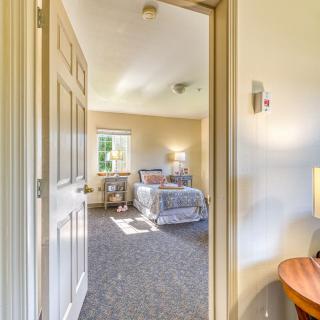
Our fully furnished rooms offer a comfortable and welcoming environment for residents to call home. Amenities such as cable or satellite TV, Wi-Fi/high-speed internet, and telephone services are provided to ensure residents can stay connected with their loved ones.

We prioritize the wellbeing of our residents, providing 24-hour supervision and assistance with activities of daily living such as bathing, dressing, and transfers. Our dedicated staff works closely with healthcare providers to coordinate care and medication management for each resident.

At Montesano Health and Rehabilitation Center, we understand the importance of maintaining physical health. Our diabetes diet program promotes healthy eating habits tailored to individual needs. Meal preparation and service ensure that residents receive nutritious meals throughout the day.

In addition to physical health, we also prioritize mental wellness through our mental wellness program. Scheduled daily activities provide opportunities for social engagement, cognitive stimulation, and overall wellbeing.

For the convenience of our residents, we offer move-in coordination services as well as transportation arrangements for medical appointments. Nearby amenities include cafes, parks, pharmacies, physicians' offices, restaurants, and places of worship.

Montesano Health and Rehabilitation Center is committed to providing personalized care in a supportive environment that promotes comfort, independence, and overall quality of life for our residents.

Nearby Places of Interest

Places of Worship

  • Montesano Assembly of God Church (0.8 miles)
  • Landmark Apostolic Church (1.1 miles)
  • Church Of God (4.8 miles)
  • Central Park United Methodist Church (5.6 miles)
  • Central Park Baptist Church (5.8 miles)
  • Southern Baptist Convention (6.2 miles)
  • Church of Christ (6.9 miles)

Physicians

  • Montesano Internal Medicine Clinic (0.9 miles)
  • Montesano Clinic (0.9 miles)
  • Elma Health Care Clinic (6.6 miles)
  • Elma Family Medicine (8.5 miles)
  • Elma Family Medicine (9.1 miles)
  • Coastal Women's Health (11.1 miles)
  • Carey R Martens (11.1 miles)

Pharmacies

  • Valu Drug (0.9 miles)
  • Elma Pharmacy (8.6 miles)
  • Health Mart Pharmacy (8.6 miles)
  • Walmart Pharmacy (10.5 miles)
  • Rite Aid (10.9 miles)
  • City Center Drug (11 miles)
  • Good Neighbor Pharmacy (11 miles)

Restaurants

  • Bee Hive Restaurant (1 miles)
  • Pub Monte (1 miles)
  • Charlie's Tavern (1 miles)
  • Crows Nest Drive-In (1.1 miles)
  • Fishin Hole Family Restaurant (1.1 miles)
  • Smitty's In & Out (7.9 miles)
  • Subway (8.5 miles)

Parks

  • Lake Sylvia State Park (1 miles)
  • Fleet Park (1 miles)
  • VFW Memorial Park - Post 2455 (1.8 miles)
  • Smith Murrey Park (8.3 miles)
  • Schafer State Park (9.3 miles)
  • Morrison Riverfront Park (10.3 miles)
  • Aberdeen Parks & Recreation (11 miles)

Cafes

  • Savory Faire (1.1 miles)
  • Rainy Day Espresso (5.9 miles)
  • Think Pink Espresso (6.7 miles)
  • Bean Bags (8.5 miles)
  • Coffee Coop (9.2 miles)
  • Starbucks (9.3 miles)
  • Bean Bags II (9.4 miles)

Transportation

  • U-Haul Neighborhood Dealer (6.5 miles)
  • Hertz Rent A Car (10.6 miles)
  • U-Haul Neighborhood Dealer (10.8 miles)

Hospitals

  • Summit Pacific Medical Center (9.2 miles)
  • Grays Harbor Community Hospital - East (11.1 miles)
  • Saint Josephs Hospital (11.1 miles)
  • Community Hospital East Campus (11.1 miles)

Frequently Asked Questions

Where is Montesano Health and Rehabilitation Center?
What photos are available for Montesano Health and Rehabilitation Center in Montesano, Washington?

Nearby Communities

  • SunBridge Care & Rehabilitation for Montesano

    SunBridge Care & Rehabilitation for Montesano

    Montesano, WA

    2.9 from 18 reviews
     

    pro Peaceful setting with personalized care and easy access to nearby amenities.

  • Elma Home Care

    Elma Home Care

    Elma, WA

    5 from 1 review
     

    pro Warm, home-like environment with active resident engagement and home-style dining.

  • Grays Harbor Health & Rehabilitation Center

    Grays Harbor Health & Rehabilitation Center

    Aberdeen, WA

    4.4 from 31 reviews
     

    pro Comprehensive 24/7 nursing with extensive on-site amenities

  • Westhaven Villa

    Westhaven Villa

    Aberdeen, WA

    4.9 from 29 reviews
    $2,400 to $2,900 / month

    pro Attentive staff, spotless environment, and engaging activities with diverse dining options.

  • Pacific Care And Rehabilitation

    Pacific Care And Rehabilitation

    Hoquiam, WA

    4.8 from 60 reviews
     

    pro Caring, dedicated staff with top-notch physical therapy and personalized care.

  • Riverside Place

    Riverside Place

    Hoquiam, WA

    4.8 from 42 reviews
    $3,950 to $4,450 / month

    pro Caring staff, strong sense of community, and a clean, comfortable environment with engaging activities.

  • Fieldstone Cooper Point Olympia

    Fieldstone Cooper Point Olympia

    Olympia, WA

    4.5 from 45 reviews
    $3,795 to $5,445 / month

    pro Friendly, well-trained staff with engaging activities and flexible dining in a clean, well-equipped community.

  • Fieldstone Olympia Memory Care

    Fieldstone Olympia Memory Care

    Olympia, WA

    4.7 from 55 reviews
    $5,995 to $9,125 / month

    pro Kind, patient staff in a clean, attractive setting with engaging activities and strong family involvement.

  • Artesian Place

    Artesian Place

    Olympia, WA

    4.1 from 62 reviews
    $3,600 to $4,100 / month

    pro Clean, welcoming atmosphere with friendly staff, engaging activities, and recent renovations.

Related Resources

  • how to pay for assisted livingFunding and Affording Assisted Living: A Thorough Overview

    Assisted living facilities provide support for older adults needing help with daily activities without extensive medical care, but their costs can be high and vary by location and services offered. Families often seek various funding options and financial strategies to manage these expenses effectively while considering future needs and potential price increases.

  • assisted living insuranceAssisted Living Expenses and Long-Term Care Insurance: A Comprehensive Exploration

    The article discusses assisted living expenses, the importance of long-term care insurance in covering these costs, and various financing options, highlighting the need for careful policy review and early planning to address potential needs. It also clarifies common misconceptions about Medicare and private health insurance limitations regarding long-term care coverage.

  • how to pay for assisted livingSecuring Financial Support for Assisted Living: A Comprehensive Overview


    Assisted living facilities offer crucial support for older adults needing help with daily activities but come with varying and significant costs, which can be financed through personal savings, government assistance programs, long-term care insurance, and home equity options. Professional guidance from experts can aid families in navigating these financial complexities to establish a sustainable budgeting approach for assisted living services.