Elma Home Care in Elma, WA

901 West Young Street, Elma, WA 98541

For more information about senior living options: (844) 490-3973

5 from 1 review
Assisted Living Respite Care

Overall Review of Elma Home Care

Pros

  • pro Elma Home Care puts visitors at ease from the first visit.
  • pro It is exactly what families are looking for in a care residence.
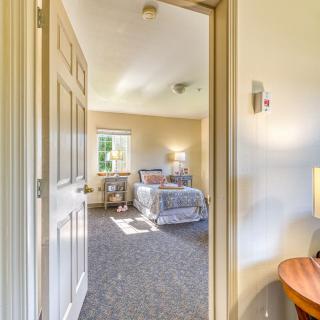
  • pro The home-like setup makes the residence feel warm and cozy.
  • pro Residents are actively involved in a variety of activities.
  • pro The staff are involved, and everyone is kind and handles situations calmly and professionally.
  • pro The facility is very clean, and the food tastes like home cooking.
  • pro Residents are made to feel right at home, easing the transition to assisted living.
  • pro Elma Home Care is recommended for anyone seeking a warm, caring environment for a loved one.

Review

Elma Home Care in Elma, Washington is best suited for families seeking a truly home-like assisted living experience, where daily life feels warm, intimate, and resident-centered. This community shines for seniors who value a cozy, non-institutional atmosphere, where staff are visibly involved and treat residents as part of a household rather than as a number. It is especially appropriate for those transitioning from independent living who want a smooth, low-stress move, reinforced by home-style meals, familiar routines, and a calm, personal touch from caregivers.

Those weighing options should consider alternatives if medical needs require robust on-site clinical support, memory-care specialization, or a larger, more densely staffed campus with extensive programming. Families seeking comprehensive rehabilitation services, advanced nursing supervision, or highly structured day schedules may find other communities better aligned with those requirements. Pricing and availability are factors to confirm, as the single favorable review does not illuminate how costs compare or what long-term care escalations look like in practice.

The primary advantages are the heart of what makes this community appealing: a genuinely warm, home-like environment, and staff who are described as kind, calm, and professional. The setting fosters a sense of belonging, with residents involved in activities and caregivers who handle situations with patience and competence. Cleanliness stands out as a visible asset, and meals are noted as home cooking - an important comfort factor for families worried about dietary satisfaction and mood. The transition experience for a loved one - moving from independence to assistance - appears to be smoother here than expected, underscoring the value of a familiar, domestic rhythm over a more clinical pace.

These strengths offset potential downsides by delivering daily reassurance that reduces relocation stress and anxiety for both residents and families. When staff are engaged and routines feel predictable, the fear of the unknown diminishes, making it easier to adjust to assisted living without a pronounced sense of loss. The observed activity level among residents further counters concerns about stagnation, suggesting that the community can sustain meaningful engagement in a setting that does not read as a stark institution. In short, the personalized, home-forward approach often translates into greater satisfaction and perceived security for families.

However, the review landscape leaves several practical questions about drawbacks unspoken. The absence of stated negatives indicates a strong fit for those who prioritize atmosphere and daily comfort, but it also means prospective residents should proactively verify what happens when health needs evolve. Confirm the depth of medical oversight, availability of on-site nursing after hours, and access to therapy services if rehabilitation becomes necessary. For memory care or more intensive cognitive support, families should assess whether Elma Home Care can adapt or if a specialized memory-care option is warranted.

Ultimately, Elma Home Care offers a persuasive case for families valuing warmth, attentiveness, and a home-like routine over a polished institutional feel. The combination of a cozy setting, engaged staff, cleanliness, and home-style meals creates an environment where a loved one can settle in with less disruption and more comfort during a significant life transition. For those whose priorities align with daily familiarity, meaningful social connection, and genuine caregiver relationships, this community stands out as a viable, even strong, choice. Prospective buyers should pair this impression with concrete details on care levels, program breadth, and pricing, and should plan visits focused on mealtime interactions and real-time caregiver responsiveness to confirm fit.

Features

Housing

  • 26 resident community capacity 26 resident community capacity

Types of Care

  • Assisted Living Assisted LivingAssisted living facilities provide crucial support and care for seniors who may need help with daily tasks such as medication management, bathing, and meal preparation. These communities offer a safe and comfortable environment where seniors can maintain their independence while receiving the assistance they need to thrive in their golden years.
  • Respite Care Respite CareRespite care provides temporary relief for caregivers, allowing them to recharge and attend to their own needs. It also gives seniors the opportunity to socialize, receive professional care, and experience a change of scenery, promoting overall well-being and reducing feelings of isolation.

Amenities

  • Beauty salon Beauty salonBeauty salons are important for seniors because they provide a space for them to feel pampered, socialize, and maintain their personal grooming and hygiene. Regular visits to a beauty salon can help boost seniors' self-esteem and overall well-being.
  • Cable or satellite TV Cable or satellite TVCable or satellite TV is important for seniors because it provides entertainment, news, and companionship, helping to combat loneliness and boredom. It also offers a wide range of programming options tailored to different interests and preferences.
  • Dining room Dining roomDining rooms are important for seniors as they provide a space for socialization, connection, and nutritious meals. They offer opportunities for residents to bond over shared meals, foster a sense of community, and promote healthy eating habits. Dining rooms also ensure that seniors have access to well-balanced meals tailored to their dietary needs and preferences.
  • Fully furnished Fully furnishedFully furnished senior living communities are important for seniors because they provide convenience, comfort, and a hassle-free moving experience. Seniors can easily settle into their new living space without the stress of having to buy and move furniture. This allows them to focus on enjoying their new home and community.
  • Garden GardenGardens are important for seniors as they provide a peaceful and therapeutic environment for relaxation, physical activity, and socialization. Being in nature has been shown to reduce stress, improve mood, and promote overall well-being. Gardens also offer opportunities for seniors to engage in gardening activities, which can improve mobility, flexibility, and cognitive function. Additionally, gardens create a sense of community and connection with others who share a passion for plants and outdoor spaces.
  • Housekeeping services Housekeeping servicesHousekeeping services are important for seniors because they help maintain a clean and safe living environment, promote independence, and reduce the risk of accidents or illnesses. Additionally, having assistance with household chores can alleviate physical strain and allow seniors to focus on other aspects of their well-being.
  • Kitchenette KitchenetteKitchenettes are important for seniors living in senior living communities because they provide the convenience and independence of being able to prepare simple meals and snacks in the comfort of their own living space. This can help promote a sense of autonomy and well-being for seniors, allowing them to maintain some level of control over their dietary choices and daily routines.
  • Move-in coordination Move-in coordinationMove-in coordination is important for seniors because it helps ease the transition into their new living environment. It ensures that all logistics, such as packing, organizing movers, and setting up utilities are taken care of, allowing seniors to focus on settling in and adjusting to their new home. Having a smooth move-in process can alleviate stress and anxiety, making the transition smoother and more enjoyable for seniors.
  • Outdoor space Outdoor spaceOutdoor spaces are important for seniors as they provide opportunities for physical activity, social interaction, exposure to natural light and fresh air, and a sense of connection to nature. Having access to outdoor spaces can improve overall well-being and quality of life for older adults living in senior communities.
  • Restaurant-style dining Restaurant-style diningRestaurant-style dining is important for seniors because it allows them to enjoy delicious, nutritious meals in a social and upscale setting. This enhances their dining experience, promotes healthy eating habits, and fosters socialization with fellow residents, ultimately contributing to their overall well-being and quality of life.
  • Small library Small librarySmall libraries are important for seniors as they provide access to a variety of reading materials, including books, newspapers, and magazines. This can help stimulate their minds, keep them engaged, and provide a sense of community through book clubs and other social activities. Additionally, reading has been shown to improve cognitive function and overall mental well-being in older adults.
  • Telephone TelephoneTelephones are important for seniors as they provide a lifeline for communication with loved ones, emergency services, and healthcare providers. They offer a sense of security and independence, enabling seniors to stay connected and access assistance when needed.
  • Wi-Fi/high-speed internet available Wi-Fi/high-speed internet availableWi-Fi/high-speed internet is important for seniors to stay connected with loved ones, access online resources, and participate in virtual activities to combat feelings of loneliness and isolation. It also allows them to easily manage healthcare needs, access entertainment, and engage in lifelong learning opportunities.

Care Services

  • 24-hour call system 24-hour call system24-hour call systems are important for seniors because they provide peace of mind and immediate assistance in case of emergencies. This technology ensures that help is always available, promoting safety and security for elderly individuals living alone or in assisted living facilities.
  • 24-hour supervision 24-hour supervision24-hour supervision is important for seniors to ensure their safety, well-being, and access to immediate assistance in case of emergencies or health issues. This constant support provides peace of mind for both seniors and their loved ones, allowing them to age in place with dignity and security.
  • Activities of daily living assistance Activities of daily living assistanceActivities of daily living assistance are important for seniors because they provide essential support with tasks such as eating, bathing, dressing, and mobility. This assistance helps seniors maintain their independence, dignity, and overall quality of life as they age.
  • Assistance with bathing Assistance with bathingAssistance with bathing is crucial for seniors as it helps maintain personal hygiene, prevents infections, and ensures their overall well-being and comfort. It also provides a sense of dignity and independence for seniors who may struggle with this task on their own.
  • Assistance with dressing Assistance with dressingAssistance with dressing is important for seniors because it helps maintain their independence, promotes personal hygiene, prevents accidents and injuries, and improves overall quality of life. This service ensures that seniors can continue to dress comfortably and confidently, despite any physical limitations they may have.
  • Assistance with transfers Assistance with transfersAssistance with transfers is crucial for seniors as it helps prevent falls and injuries, maintains their independence, and ensures they can safely navigate their living environment. It also provides peace of mind for both seniors and their loved ones.
  • Diabetes diet Diabetes dietA diabetes diet is crucial for seniors as it helps manage blood sugar levels, reduce risks of complications, and improve overall health and well-being. By following a balanced and nutritious diet tailored to their specific needs, seniors can better control their diabetes and enhance their quality of life.
  • Meal preparation and service Meal preparation and serviceMeal preparation and service are crucial for seniors as they may have limited mobility or energy to cook nutritious meals. Having access to healthy and convenient food options can ensure they are getting the proper nutrition needed to maintain their overall health and well-being.
  • Medication management Medication managementMedication management is crucial for seniors to ensure they are taking the right medications at the correct dosages and times. This helps prevent adverse drug interactions, reduces the risk of medication errors, and promotes overall health and well-being. Proactive management also allows for adjustments as needed based on changing health conditions or new prescriptions.
  • Mental wellness program Mental wellness programMental wellness programs are essential for seniors as they promote cognitive stimulation, emotional support, and social engagement. These programs help prevent isolation, depression, and cognitive decline, ultimately enhancing the overall quality of life for older adults.
  • Special dietary restrictions Special dietary restrictionsSpecial dietary restrictions are important for seniors because age-related changes in metabolism and health conditions can make it difficult for their bodies to process certain foods. By following a diet tailored to their specific needs, seniors can maintain their overall health and well-being, manage chronic conditions, and reduce the risk of complications such as malnutrition or food interactions with medications.

Dining

  • Diabetes diet Diabetes dietA diabetes diet is crucial for seniors as it helps manage blood sugar levels, reduce risks of complications, and improve overall health and well-being. By following a balanced and nutritious diet tailored to their specific needs, seniors can better control their diabetes and enhance their quality of life.
  • Special dietary restrictions Special dietary restrictionsSpecial dietary restrictions are important for seniors because age-related changes in metabolism and health conditions can make it difficult for their bodies to process certain foods. By following a diet tailored to their specific needs, seniors can maintain their overall health and well-being, manage chronic conditions, and reduce the risk of complications such as malnutrition or food interactions with medications.

Activities

  • Community-sponsored activities Community-sponsored activitiesCommunity-sponsored activities are important for seniors as they provide opportunities for social interaction, mental stimulation, and physical activity. These activities can help improve overall well-being, combat loneliness and isolation, and promote a sense of belonging and purpose among older adults.
  • Resident-run activities Resident-run activitiesResident-run activities are important for seniors as they encourage social interaction, creativity, and a sense of autonomy. These activities empower seniors to stay engaged and active in their community while fostering meaningful connections with their peers.
  • Scheduled daily activities Scheduled daily activitiesScheduled daily activities are important for seniors because they provide structure, socialization, mental stimulation, and physical activity. Engaging in regular activities can improve overall well-being and quality of life for seniors living in a community setting.

Description

Elma Home Care, located in Elma, WA, is an assisted living community that offers high-quality care and a wide range of amenities for its residents. We specialize in providing respite care, allowing families and caregivers a much-needed break while ensuring their loved ones receive personalized attention and support.

Our fully furnished apartments provide a comfortable and cozy atmosphere, with amenities such as cable or satellite TV and Wi-Fi/high-speed internet available to keep residents connected. Each apartment also features a kitchenette for those who prefer to prepare their own meals. Our dedicated staff takes care of housekeeping services to maintain a clean and organized environment.

Residents can enjoy the outdoor space and garden where they can relax or engage in activities. Restaurant-style dining is offered, providing delicious meals prepared by our professional chefs to accommodate special dietary restrictions such as diabetes diets. Our small library offers a peaceful setting for reading and quiet reflection.

At Elma Home Care, our caring staff provides 24-hour supervision and assistance with activities of daily living, including bathing, dressing, and transfers when needed. Medication management ensures that residents receive the correct medications at the prescribed times. Additionally, we have a mental wellness program in place to address the emotional well-being of our residents.

We encourage an active lifestyle through resident-run activities and scheduled daily activities that cater to different interests and abilities. The community benefits from its proximity to various amenities nearby, including cafes, parks, pharmacies, physicians' offices, restaurants, transportation options, places of worship, and hospitals.

At Elma Home Care in Elma, WA, we strive to create a supportive environment where residents can maintain their independence while receiving the care they need.

Nearby Places of Interest

Places of Worship

  • First Baptist Church (0.2 miles)
  • United Methodist Church of Elma (0.2 miles)
  • St Joseph Church Rectory (0.2 miles)
  • Northwest Life Center (0.3 miles)
  • Faith Lutheran Church (0.7 miles)
  • United Methodist Church (0.8 miles)
  • Southern Baptist Convention (2.1 miles)

Parks

  • Smith Murrey Park (0.3 miles)
  • Schafer State Park (6.9 miles)
  • Fleet Park (9.1 miles)
  • Lake Sylvia State Park (9.1 miles)
  • VFW Memorial Park - Post 2455 (9.4 miles)
  • Straddleline Orv Park (10.7 miles)
  • Lake Isabella State Park (17.9 miles)

Cafes

  • Bean Bags (0.3 miles)
  • Coffee Coop (1 miles)
  • Starbucks (1.1 miles)
  • Bean Bags II (1.2 miles)
  • Think Pink Espresso (1.6 miles)
  • Rainy Day Espresso (3.6 miles)
  • Savory Faire (9.2 miles)

Restaurants

  • Subway (0.3 miles)
  • ShuJack's Bar & Grill (0.3 miles)
  • Shujacks (0.3 miles)
  • Smitty's In & Out (0.3 miles)
  • El Ranchon Mexican Restaurant (0.3 miles)
  • Alibi Sports Bar (0.4 miles)
  • New Alibi Station (0.4 miles)

Physicians

  • Elma Family Medicine (0.3 miles)
  • Elma Family Medicine (0.9 miles)
  • Elma Health Care Clinic (1.6 miles)
  • Montesano Clinic (8.9 miles)
  • Montesano Internal Medicine Clinic (9 miles)
  • Coastal Women's Health (19.3 miles)
  • Carey R Martens (19.3 miles)

Pharmacies

  • Elma Pharmacy (0.4 miles)
  • Health Mart Pharmacy (0.4 miles)
  • Valu Drug (9 miles)
  • Walmart Pharmacy (18.7 miles)
  • Rite Aid (19.1 miles)
  • City Center Drug (19.2 miles)
  • Good Neighbor Pharmacy (19.2 miles)

Hospitals

  • Summit Pacific Medical Center (0.9 miles)
  • Mark Reed Health Care Clinic (8 miles)
  • Saint Josephs Hospital (19.3 miles)
  • Grays Harbor Community Hospital - East (19.3 miles)
  • Community Hospital East Campus (19.3 miles)

Transportation

  • U-Haul Neighborhood Dealer (1.7 miles)
  • Hertz Rent A Car (18.9 miles)
  • U-Haul Neighborhood Dealer (19 miles)

Frequently Asked Questions

Where is Elma Home Care?

Nearby Communities

  • Beehive Retirement and Assisted Living

    Beehive Retirement and Assisted Living

    McCleary, WA

    4.5 from 33 reviews
    $1,805 to $4,015 / month

    pro Caring staff with personalized admissions, an affordable, engaging community.

  • Beehive Retirement And Assisted Living Community

    Beehive Retirement And Assisted Living Community

    Mc Cleary, WA

    4.3 from 26 reviews
     

    pro Multi-level care options with 24/7 staff.

  • Montesano Health and Rehabilitation Center

    Montesano Health and Rehabilitation Center

    Montesano, WA


    pro Small, personalized skilled nursing with 24/7 supervision, ADL support, diabetes-friendly meals, and move-in/transport coordination.

  • SunBridge Care & Rehabilitation for Montesano

    SunBridge Care & Rehabilitation for Montesano

    Montesano, WA


    pro Peaceful setting with personalized care and easy access to nearby amenities.

  • Brooks Blessings Adult Family Home

    Brooks Blessings Adult Family Home

    Olympia, WA

    5 from 1 review
    $3,500 to $5,500 / month

    pro Memory-care focused with private rooms and solid medical support; pricing is competitive for semi-private and private options.

  • Le Chateau

    Le Chateau

    Rochester, WA

    3.5 from 2 reviews
    $5,000 / month

    pro Friendly, caring staff; clean, well-lit facility; good dining.

  • Fieldstone Cooper Point Olympia

    Fieldstone Cooper Point Olympia

    Olympia, WA

    4.5 from 43 reviews
    $3,795 to $5,445 / month

    pro Friendly, well-trained staff with engaging activities and flexible dining in a clean, well-equipped community.

  • Fieldstone Olympia Memory Care

    Fieldstone Olympia Memory Care

    Olympia, WA

    4.7 from 54 reviews
    $5,995 to $9,125 / month

    pro Kind, patient staff in a clean, attractive setting with engaging activities and strong family involvement.

  • Artesian Place

    Artesian Place

    Olympia, WA

    4.1 from 62 reviews
    $3,600 to $4,100 / month

    pro Clean, welcoming atmosphere with friendly staff, engaging activities, and recent renovations.

Assisted Living in Nearby Cities

Related Resources

  • independent living vs assisted livingExploring the Path to Senior Living: A Comprehensive Look at Independent Living and Assisted Living

    The article examines senior housing options, detailing the distinctions between independent living and assisted living, along with the emerging "independent assisted living" model that blends both approaches. It highlights the importance of assessing individual needs, preferences, and financial factors in making informed decisions about suitable living arrangements for seniors.

  • is assisted living tax deductibleIs Assisted Living Deductible on Your Taxes? Understanding the Complexities of Assisted Living Expenses and Deductions

    The deductibility of assisted living expenses on taxes hinges on factors like the individual's medical condition and service nature, typically requiring the resident to be "chronically ill" per IRS definitions. Taxpayers may deduct eligible medical expenses related to personal care services but generally not rent unless primarily for medical care, and they should maintain thorough documentation to support claims while considering itemizing versus standard deductions.

  • va benefits for assisted livingAssisted Living Support for Veterans: A Complete and Detailed Overview

    The guide highlights the importance of assisted living facilities for aging veterans needing daily support, discusses unique challenges they face, and outlines available financial assistance from the VA, including the Aid and Attendance program. It emphasizes understanding eligibility criteria and navigating the VA system to access necessary benefits effectively.