Riverside Place offers competitive pricing for its accommodations, with studio apartments priced at $3,950 per month, which is more affordable compared to the average costs in Grays Harbor County ($4,115) and the state of Washington ($4,126). In contrast, the one-bedroom units at Riverside Place are listed at $4,450, slightly higher than the county's average of $3,675 but still below the state's average rate of $4,632. This positioning allows Riverside Place to provide residents with an appealing combination of quality living options at a reasonable cost relative to both local and statewide benchmarks.
Floor plans
Riverside Place
Grays Harbor County
Washington
Studio
$3,950
$4,115
$4,128
1 Bedroom
$4,450
$3,675
$4,634
Overall Review of Riverside Place
differentiator7 reviews mention this
Memory care feels supportive
Families describe memory care support that helps residents feel safe and engaged.
Several reviews describe memory care as a difficult transition handled with care, including help with day-to-day changes. Residents’ needs tied to dementia are discussed directly, including Lewy body dementia, with families noting proactive communication and updates. Reviews also point to a secure setup where residents can still spend time in a courtyard, and one reviewer mentions frequent phone calls as the main frustration.
common21 reviews mention this
Caring, respectful staff
Staff consistently earn praise for kindness and responsiveness.
Across many reviews, residents and families describe staff as empathetic, welcoming, and respectful, with help that feels steady even as needs change. Several reviewers highlight day-to-day support and communication, including updates for families and taking the time to answer questions. One review includes a complaint about frequent calls, but it still characterizes the overall place as caring and kind.
common5 reviews mention this
Facilities stay clean
Clean spaces are a recurring positive in reviews.
Multiple reviewers mention cleanliness right away, including clean units and a generally well-kept facility. Visitors also comment on not noticing unpleasant odors and seeing rooms and surfaces that appear maintained. A tour review additionally describes a clean environment and details like clean rugs and a secure courtyard area.
common5 reviews mention this
Activities keep residents engaged
Residents are described as staying busy with games and outings.
Reviews commonly mention scheduled activities and social time, with residents participating throughout the day. Families describe entertainment such as games and music, and they also talk about outings and community options like a bus for outside activities. One reviewer mentions crafts and group projects as part of the day-to-day experience, not just occasional events.
common3 reviews mention this
Food gets mostly positive notes
Food quality is described favorably, along with regular snacks.
Several reviews reference food positively, including that it is not bad and that it is amazing. One tour-focused review mentions snacks twice a day, and another describes the dining setup as part of a larger shared eating space. For residents with specific dietary needs, one reviewer raises a concern that a renal diet did not fit.
How we summarize
Counts show how many written reviews mention each theme; a review can touch several themes, and only frequently mentioned themes are displayed.
Features
Housing
30 resident community capacity
Types of Care
Assisted Living
Memory Care
Pets
Cats allowed
Dogs allowed
Amenities
Activities off-site
Activities on-site
Beautician on-site
Beauty salon
Cable or satellite TV
Devotional services off-site
Devotional services on-site
Dining room
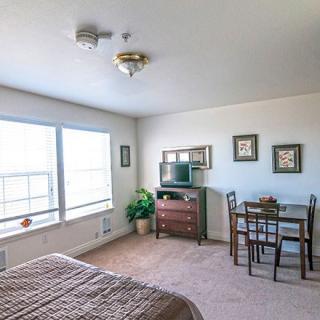
Fully furnished
Garden
Housekeeping services
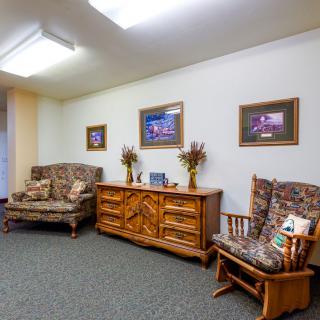
Indoor common areas
Kitchenette
Move-in coordination
Outdoor common areas
Outdoor space
Restaurant-style dining
Small library
Telephone
Wheelchair accessible showers
Wi-Fi/high-speed internet available
Care Services
24-hour call system
24-hour supervision
Activities of daily living assistance
Ambulatory care
Assistance with bathing
Assistance with dressing
Assistance with transfers
Diabetes diet
Diabetic care
Incontinence care
Meal preparation and service
Medication management
Mental wellness program
Special dietary restrictions
Dining
Diabetes diet
Kosher
Meals provided
Restaurant style dining
Special dietary restrictions
Vegetarian
Activities
Activities on-site
Art classes
Catholic services
Community-sponsored activities
Day trips and outings
Devotional activities offsite
Devotional activities on-site
Gardening club
Live dance or theater performances
Live musical performances
Resident-run activities
Scheduled daily activities
Trivia games
Wii bowling
Yoga / chair yoga
Nearby Places of Interest
Places of Worship
Immanuel Baptist Church (0.6 miles)
World of Praise United Pentecostal Church (1 miles)
Life In Christ Ministries (1 miles)
Harbor Calvary Chapel (1.2 miles)
Gideons International (2.9 miles)
St Mary Catholic Church (3.2 miles)
Faith House Ministry (3.6 miles)
Cafes
Go Dog Go (0.8 miles)
The Jitter House (1.2 miles)
Consistent Cups Espresso (1.8 miles)
Harbor Coffee (2.1 miles)
Huckle-Bearies Espresso & Ba Ke Shoppe (2.1 miles)
Jungle Java (2.7 miles)
Dutch Bros Coffee (3.7 miles)
Restaurants
Al's Hum-Dinger (1 miles)
8th Street Ale House (1.2 miles)
Deidra's Deli (1.3 miles)
Hoquiam Brewing Co. (1.4 miles)
McDonald's (1.5 miles)
Grizzly Den (1.5 miles)
Domino's Pizza (1.6 miles)
Pharmacies
Harbor Drug & Gifts (1.2 miles)
Rite Aid (1.9 miles)
Good Neighbor Pharmacy (3.3 miles)
City Center Drug (3.3 miles)
Safeway Food & Drug (3.4 miles)
Rite Aid (3.4 miles)
Walmart Pharmacy (3.8 miles)
Transportation
Rollins Truck Rental (1.3 miles)
U-Haul Neighborhood Dealer (2 miles)
Bowerman Airport (HQM) (2.6 miles)
U-Haul Neighborhood Dealer (3.4 miles)
Hertz Rent A Car (3.6 miles)
Physicians
Family Practice Center Of Grays Harbor (1.3 miles)
Riverside Place offers competitive pricing for its accommodations, with studio apartments priced at $3,950 per month, which is more affordable compared to the average costs in Grays Harbor County ($4,115) and the state of Washington ($4,126). In contrast, the one-bedroom units at Riverside Place are listed at $4,450, slightly higher than the county's average of $3,675 but still below the state's average rate of $4,632. This positioning allows Riverside Place to provide residents with an appealing combination of quality living options at a reasonable cost relative to both local and statewide benchmarks.
Riverside Place's 24-hour supervision ensures that residents receive constant oversight, which is crucial for their safety and well-being, particularly in managing the unpredictability associated with dementia and Alzheimer's. Assistance with activities of daily living, including bathing, dressing, and transfers, helps residents maintain dignity while ensuring they are comfortable and properly cared for. Incontinence care provides necessary support to manage this sensitive issue, alleviating potential distress for both residents and families. Meal preparation and service focus on providing nutritious meals tailored to individual dietary needs, enhancing overall health and stability. Medication management is vital in ensuring that residents adhere to their prescribed regimens, preventing complications from missed doses or incorrect medications. Finally, a mental wellness program promotes cognitive engagement and emotional health through stimulating activities designed to enhance memory function and social interaction, creating a holistic approach to care that addresses both physical and mental health aspects of life with dementia or Alzheimer's disease.
Dementia, influenced by aging and certain medications, may be exacerbated by drug classes such as anticholinergics, benzodiazepines, and antipsychotics, which are associated with cognitive impairment. Regular medication reviews by healthcare professionals are crucial for older adults to manage risks and optimize cognitive health.
Dementia often results in disrupted sleep patterns, leading to excessive daytime sleeping due to factors like brain damage affecting circadian rhythms, medication side effects, and lack of structure in daily activities. Caregivers must monitor these changes closely, as oversleeping can increase risks such as malnutrition or dehydration, and provide necessary support and routines to enhance patient engagement and well-being.
The transition from assisted living to skilled nursing care is often prompted by complex medical needs that assisted living cannot meet, with key indicators including frequent health declines, increased falls, severe memory issues, and caregiver burnout. Families should recognize these signs early to discuss options with healthcare providers and prepare for the emotional and logistical aspects of moving to a facility that offers comprehensive medical support.
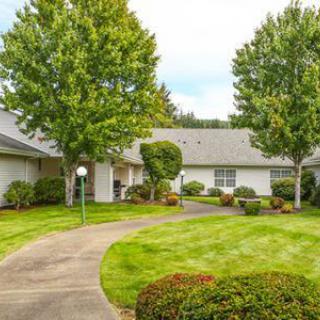
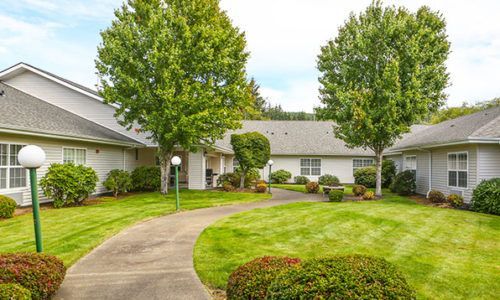
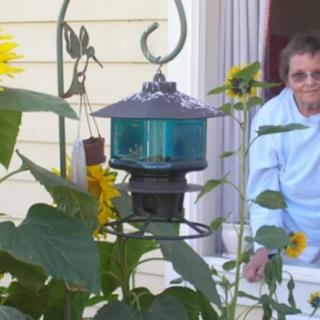
Landscaping, Building, Trees, Garden, Outdoor, Pathway, and Grass
Get PricingAsk A QuestionSchedule A TourContact Senior Advisor
By clicking submit, you agree to our Partner's Terms of Use. You
also consent to receive calls and texts, which may be autodialed, from our Partner. Your consent is not a condition to
using our Partner's service. Please visit our Partner's Privacy Policy for information about their privacy practices.




 30 resident community capacity
 Assisted Living
 Memory Care
 Cats allowed
 Dogs allowed
 Activities off-site
 Beautician on-site
 Cable or satellite TV
 Devotional services off-site
 Dining room
 Fully furnished
 Garden
 Housekeeping services
 Indoor common areas
 Kitchenette
 Move-in coordination
 Outdoor common areas
 Restaurant-style dining
 Small library
 Telephone
 Wheelchair accessible showers
 Wi-Fi/high-speed internet available
 24-hour call system
 Ambulatory care
 Assistance with bathing
 Assistance with dressing
 Assistance with transfers
 Diabetes diet
 Diabetic care
 Incontinence care
 Medication management
 Mental wellness program
 Special dietary restrictions
 Art classes
 Catholic services
 Day trips and outings
 Live dance or theater performances
 Live musical performances
 Trivia games
 Wii bowling
 Yoga / chair yoga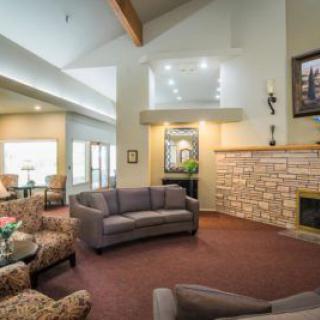
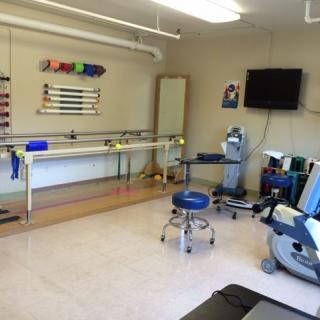
 Warm, caring environment with clean, bright, and spacious accommodations and good meals.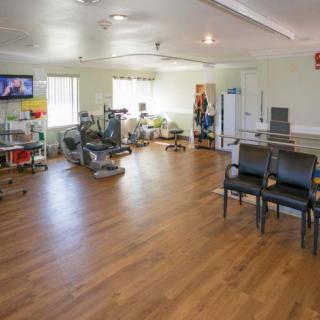
 A Thorough Discussion of Medications Potentially Linked to Dementia Risk
 Why Do Dementia Patients Sleep So Much? Understanding Oversleeping, Stages, and Care Approaches
 8 Key Indicators That Suggest It May Be Time to Transition from Assisted Living to Skilled Nursing Care