
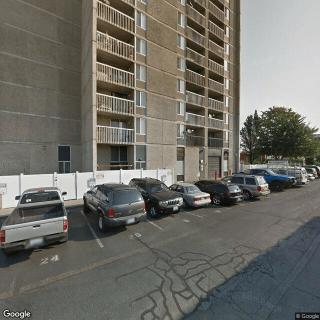
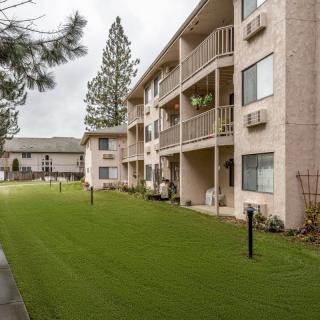
1314 N Liberty Lake Rd, Liberty Lake, WA 99019
To contact a resident: (509) 590-0374
For more information about senior living options: (866) 208-4318
Overall Review of TheKey Spokane
Pros
 The shop offers the cutest clothes and home goods, especially mugs.
- The owner Amy is very sweet and provides great recommendations.
- It is a perfect spot for retail therapy and a great place to buy gifts.
- The store offers a little bit of everything.
- It is a go-to place for cute outfits or gifts.
- Customer service is amazing.
- The shop carries clothing, jewelry, kitchen needs, and stationery.
- It is a one-stop shop for unique gifts.
- The staff are amazing and friendly.
- Collected Goods offers an incredible selection of products.
Review
This community is best suited for families evaluating assisted living options who want to anchor their decision in everyday service quality, neighborliness, and a palpable sense of local, hands-on attention. The environment described by these reviews is warm, personalized, and low-friction, signaling a care-first posture that matters when daily life hinges on attentive, respectful interactions. It’s important to recognize that this is not a true senior-living residence with caregiving services; those needing daily assistance, medical oversight, or memory-care will want to explore facilities that offer on-site care. Alternatives should be considered for residents who require routine help with activities of daily living, medication management, or safety supervision.
On the strength side, staff excellence stands out. The customer-service experience is consistently described as warm, helpful, and capable, with staff members who go the extra mile to guide purchases and ensure satisfaction. In an assisted living setting, that level of attentiveness translates into how front-line caregivers and activity coordinators would engage residents, tailor routines, and respond to evolving preferences. For families, this kind of care-first posture signals a campus culture where residents are seen as individuals, not tasks, and where staff training emphasizes relationship-building as a core component of daily life.
Another major pro is the curated, high-quality, locally oriented shopping energy that permeates the space. The inventory spans clothing, jewelry, gifts, and home goods, all sourced from a small-business ecosystem with a local owner. In a senior-living context, such careful curation mirrors the kind of resident-centered programming that makes daily life meaningful, recreational options, social events, and meaningful activities designed to reflect residents’ tastes. A campus with this mindset tends to excel at arranging outings, coordinating celebrations, and providing opportunities for residents to choose from a broad but well-considered menu of experiences.
The local-ownership vibe adds a practical, responsive dimension. Small, locally run shops tend to move quickly, listen to feedback, and personalize service. That can manifest in a live-and-let-go approach to resident requests, quicker problem-solving, and a willingness to tailor offerings, qualities that translate well into a retirement community with strong customer-service expectations. The variety within a compact footprint, clothes, gifts, honey, baskets, suggests a facility culture comfortable with cross-functional activities, where staff coordinate with families to source items that celebrate milestones or create social moments for residents.
The main con, from a senior-living decision lens, is evident: there is no caregiving or clinical component present. This is a retail environment, not a care campus. While the pros demonstrate the importance of staff warmth and community-focused experiences, they do not replace the need for on-site assistance, medication management, or health monitoring. The offset is that the same attributes families should demand from an assisted-living campus, consistent, empathetic staff; meaningful, resident-driven programming; and a strong local ethos, are precisely the attributes that this shop models in everyday operations. The conclusion is straightforward: for anyone with ongoing care needs, these strengths must be matched by a campus that offers appropriate levels of care.
In making a decision, use this experience as a benchmark for what to look for: a campus where staff are genuinely engaged, resident preferences guide daily life, and there is a clear, community-minded spirit. TheKey Spokane demonstrates how care and consideration should feel in practice, even though it does not provide care services itself. For families, the takeaway is practical: prioritize facilities that combine warm, capable staff with robust activity programming and a real willingness to personalize experiences; then ensure there is reliable medical and daily-living support on-site or via a clear, well-integrated care partnership. That combination finally yields a choice that protects safety while preserving autonomy and dignity.
 Spokane International (6 miles away)
 Anytime dining




 Skilled Nursing Facilities vs. Nursing Homes: Making Sense of the Differences
 A Detailed Examination of Nursing Home Costs Across the U.S.
 Exploring Nonmedical Home Care: Understanding Services, Costs, and Financial Approaches