
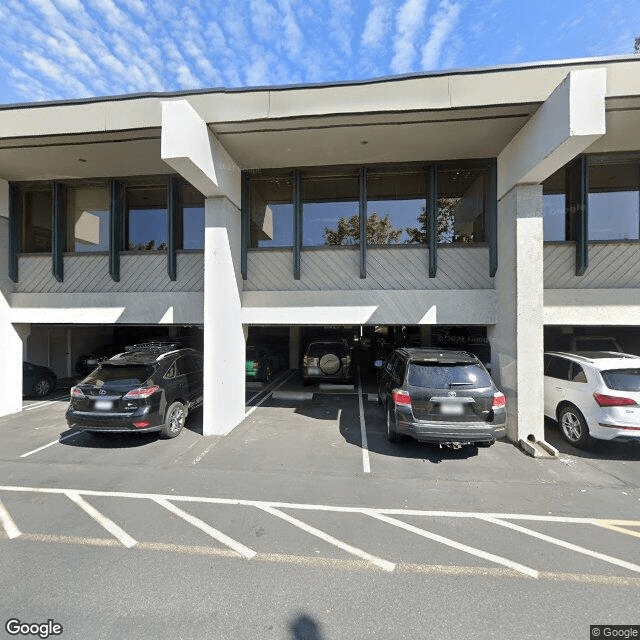
10604 NE 38th Pl, Ste 228, Kirkland, WA 98033
To contact a resident: (425) 454-2094
For more information about senior living options: (866) 208-4318
Overall Review of Senior Helpers Kirkland, WA
Pros
 Lynn and her team provide compassionate, consistent care.
- Lynn’s team checks in several times a week, giving families tremendous peace of mind.
- They help the client stay in his own home, where he feels most comfortable, while he eats well, enjoys companionship, and lives in a clean, safe environment.
- They ensure the client showers, takes care of himself, and stays engaged.
- Lynn and her team are praised for kindness, consistency, and genuine care for the entire family.
- Lynn is described as exceptionally capable, punctual, knowledgeable, and responsive.
- The owner is passionate and dedicated to good care, making clients feel they are in good hands.
Review
This community is best suited for families seeking dependable, in-home support that allows a memory-challenged elder to stay in a familiar environment with steady oversight. The core fit is for someone who does not yet need round-the-clock nursing but does require regular assistance with daily self-care, meals, safety checks, and meaningful companionship. The emphasis is on consistent, personalized attention delivered in the home, with a team that can become a reliable extension of the family. For families confronted with the transition from independent living to assisted living, this option offers continuity, reduce-move stress, and the reassurance that someone responsible is routinely monitoring well-being.
Alternatives to consider are important in the decision. If the elder’s needs escalate to require 24/7 supervision or a highly structured, professionally staffed memory-care environment, a facility with dedicated memory-care programs may be a better fit. Families should also weigh the desire for a more social, apartment-style setting with built-in peer interaction versus home-based care, or the practicality of transportation and accessibility challenges that can complicate ongoing in-home services. Cost, availability of trained memory-support staff, and the need for medical or nursing services on a constant basis are practical factors that may push conversations toward facility-based options or hybrid arrangements.
The reviews highlight several key pros that collectively create a compelling case for in-home care with this team. Staying in the home allows the elder to retain familiar routines, surroundings, and personal history, which supports mood, appetite, and overall engagement. Regular check-ins, several times weekly, provide steady oversight that reduces the risk of neglect and missed self-care tasks. Observably, the elder in question improved in areas like nutrition, hygiene, and social interaction, with caregivers ensuring showers, self-care routines, and ongoing engagement. Peace of mind for the family comes from knowing a compassionate, responsive team is on call, maintaining a reliable schedule and a clear line of communication.
These advantages offset the usual drawbacks of in-home care very effectively. The strength lies in punctuality, consistency, and the ability to tailor routines to the elder’s needs, reinforcing safety and daily function without the disruption of a move. The caregiver team’s reliability, evidenced by on-time visits and readiness to handle questions or minor tasks beyond the scheduled care, addresses common fears about fragmentation of care or gaps between visits. In the context of memory challenges, this level of continuity matters deeply: a familiar caregiver routine can slow cognitive and behavioral declines by sustaining purpose, social interaction, and structured activity.
That said, families should enter with clear expectations. While the reported care is outstanding, it is prudent to confirm practical details: exact hours of service, holiday or weekend coverage, a transparent plan for caregiver substitutions, and how emergencies are handled outside regular visits. Memory-support training and protocols for escalating issues should be reviewed, along with any limits on medical tasks and the availability of allied health services if the elder’s condition changes. Honest conversations about cost, respite options for family caregivers, and the process for adjusting the care plan as needs evolve will prevent misaligned assumptions later.
In sum, this Kirkland team serves as an excellent match for families prioritizing continuity, warmth, and practical daily support while allowing a loved one to stay at home. The combination of compassionate leadership, reliable scheduling, and a caregiver network that demonstrates genuine care translates into meaningful peace of mind and tangible improvements in daily living. For seniors with memory challenges who are not yet ready or able to move into a memory-care facility, and for families seeking a trusted, home-centered approach, this option is confidently recommended. Those considering alternatives should use the same criteria, level of oversight, ability to scale care, and the quality of caregiver relationships, to determine whether a facility-based setting or continued in-home support better aligns with long-term goals. Reach out to discuss care goals, draft a plan, and schedule an introductory visit to gauge fit with Lynn and the team.
 Seattle-Tacoma International (15 miles away)







 A Detailed Exploration of Living Wills and Advance Directives
 Comprehensive Guide to Medicare Coverage for Hospice Care
 Caring for Those Who Care: Recognizing, Understanding, and Overcoming Caregiver Burnout