
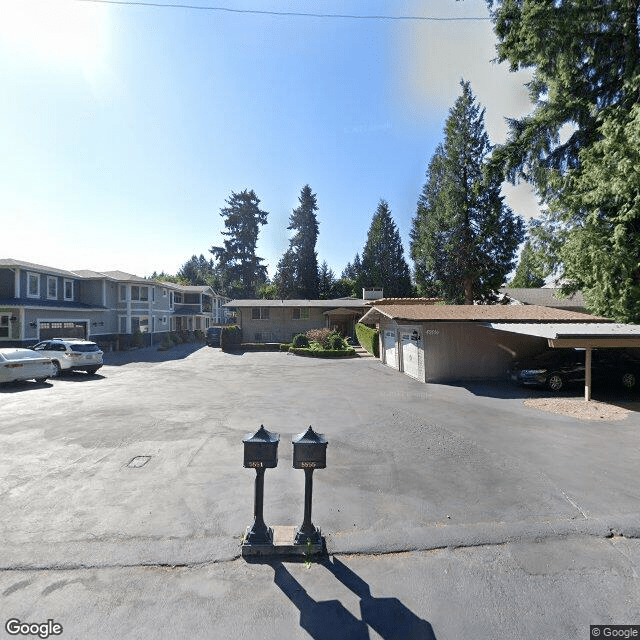
5555 116th Ave NE, Kirkland, WA 98033
To contact a resident: (425) 443-8400
For more information about senior living options: (866) 208-4318
Bridle Manor AFH Costs & Pricing
Bridle Manor Adult Family Home offers a private room at a monthly cost of $6,500, which is notably higher than the average rates in both King County and the broader state of Washington. In King County, the average cost for a private room is approximately $5,034, while the state average stands at around $4,772. This suggests that Bridle Manor provides specialized services or amenities that may justify the premium pricing. Families considering care options should weigh these costs against the unique offerings of Bridle Manor to determine if it meets their specific needs and expectations.
| Floor plans | Bridle Manor AFH | King County | Washington |
|---|---|---|---|
| Private | $6,500 | $5,034 | $4,774 |
Senior living communities with a similar price nearby
-
About the same
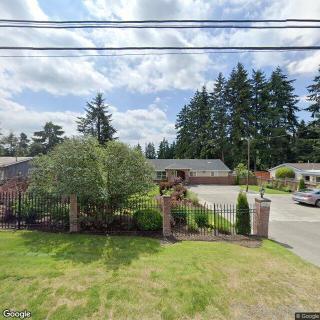
The Promised Land
$6,500 / month8.8 miles away -
from -$500 / mo
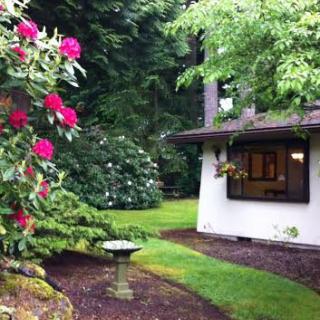
Home Away From Home LLC
$6,000 to $7,000 / month15.3 miles away -
About the same

The Park at Belle Harbour
$6,400 to $15,500 / month1.9 miles away -
from -$500 / mo
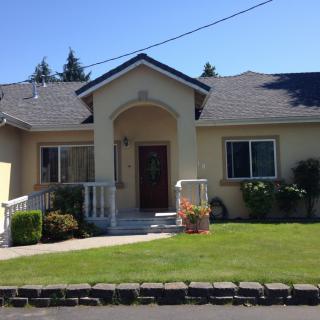
Elderly Home Care
$6,000 to $8,000 / month5.7 miles away -
from -$750 / mo

Fieldstone Rolling Bay and Fieldstone Memory Care
$5,750 to $8,895 / month14.7 miles away
Overall Review of Bridle Manor AFH
Pros
 The staff is experienced and Bridle Manor is professionally run.
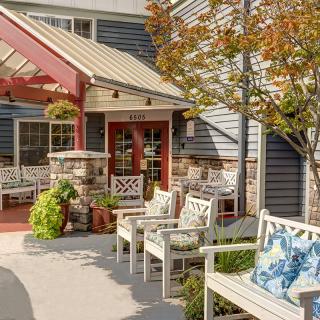
- The home is clean, welcoming, and feels like a true home for residents.
- The care provided is exceptional and residents are treated with outstanding attention.
- Flora is incredibly caring and often described as the best caregiver.
- The meals are healthy and dietary needs, including pureed meals, are well accommodated.
- There is a doctor on staff, which adds valuable medical support.
- Families appreciate clear communication and involvement in care decisions.
- The overall quality of care at Bridle Manor AFH is exceptional and compassionate.
- The environment is warm, friendly, and consistently respectful to residents.
- The staff’s bedside manner and daily attention to detail are repeatedly praised.
Cons
 After Bridle Manor was purchased by a large firm, changes in the quality of care were noticed, with residents often left alone and not participating in activities.
- Over time, care quality appeared to decline as costs rose, prompting the family to move their loved one.
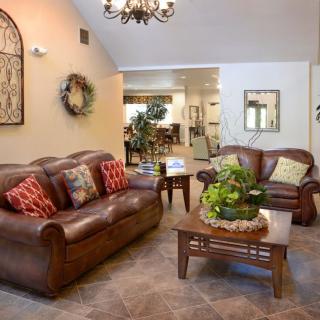
- The reviewer noted that the home looked nice, but residents were napping and the front room was not as cozy as the back TV room.
Review
Bridle Manor AFH in Kirkland is best suited for families seeking a deliberately intimate, home-like setting where seniors receive personalized care in private rooms. With a six-bedroom footprint and all-private accommodations, the residence supports steady caregiver-resident relationships and a calm, predictable routine. It works well for residents who require daily assistance, consistent supervision, and meal planning that can be tailored to dietary needs, pearl in this environment is the ability to adapt to mood shifts and dementia-related behavior without the bustle of a larger community. For families prioritizing compatibility, continuity of care, and a warm, residential vibe over institutional formality, Bridle Manor offers a compelling fit.
Across the reviews, Bridle Manor is described as a professionally run, caregiver-centric operation. The staff are experienced and attentive, with Flora singled out repeatedly as the epitome of compassionate leadership. The setting feels like home, clean, quiet, and comfortable, with private rooms that reinforce dignity and privacy. Nutritional oversight is evident: meals are prepared with health in mind, and in one case pureed diets are specifically accommodated. Having a doctor on staff adds a layer of medical reassurance for families managing chronic conditions. The backdrop of reliable communication, including timely updates to families and collaborative decision-making with visiting nurses, makes care planning more predictable.
These strengths help offset the main trade-offs of a small, family-owned home. The intimate staff-to-resident ratio means attention is not diluted and care plans stay coherent as needs evolve. The risk of impersonal care that can appear in larger facilities is mitigated by consistent servers who know the resident history and preferences. The strongest offset is the combination of a warm, home-like environment and a robust, person-centered approach, families report that their loved ones are treated like family, and care decisions are made with involvement from relatives. In other words, the positives of small-scale residence, flexibility, continuity, and dignity, largely compensate for any potential limitations in breadth of services.
However, the footprint and model are not without caveats. A six-bed home inherently cannot rival a larger campus for a wide activity calendar, on-site therapies, or admission of residents with complex, high-level medical needs requiring 24/7 nursing with specialized equipment. The same intimate setting can mean fewer backup staff or less on-site redundancy during peak illness, though the reviews suggest dependable leadership and a doctor on site. Another potential concern emerges from the broader market conversation: in cases where ownership shifts occur in small homes, there can be quality fluctuations; families should verify current ownership, leadership stability, and ongoing staff training to prevent drift from the high standard described by the existing families.
Families with residents at the far end of the assistance spectrum, requiring frequent skilled nursing, memory-care programming with structured, long-duration activities, or very active social calendars, may find Bridle Manor too small or too light on medical intensity. Those who insist on broad-based on-site therapies, diversified dining options, or pronounced campus amenities will likely want a larger assisted living or dedicated memory-care community. Even with a stellar reputation, the six-bed model hinges on the ongoing commitment of a tight-knit team; if turnover or caregiver burnout occurs, the impact is felt quickly.
The practical takeaway is clear: Bridle Manor AFH excels for families prioritizing intimate, attentive, family-like care in a private-room setting, with credible medical oversight and a home-like atmosphere. It is less suitable for residents needing high-volume social programming or complex medical nursing around the clock. Pros strongly offset the cons for the right resident, while mindful families should confirm current ownership and staffing stability, tour the home during a typical day, and request to speak directly with caregivers about care planning and emergency procedures. In short, for the right match, small-scale, deeply personal care with a supportive, communicative team, Bridle Manor stands out as a top choice among Kirkland options.
 Board and Care Home
 Cats allowed
 Activities off-site
 Beautician on-site
 Cable or satellite TV
 Devotional services off-site
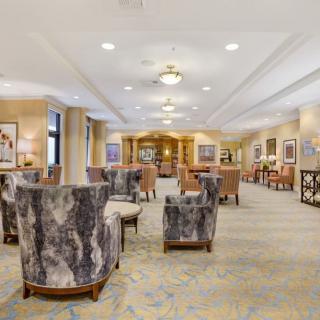
 Indoor common areas
 Outdoor common areas
 Private
 Private bathrooms
 Respite or short term stays offered
 Wheelchair accessible showers
 Wi-Fi/high-speed internet available
 Seattle-Tacoma International (16 miles away)
 Diabetic care
 High acuity care
 Incontinence care
 Medication management
 Gluten-free
 Educational speakers / life long learning
 Forever fit
 Karaoke
 Live dance or theater performances
 Live musical performances
 Live well programs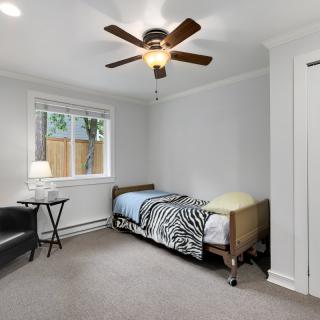


 Managing Nursing Home Expenses After Medicare Coverage Ends
 Is a Geriatric Care Manager the Right Choice for Your Family?
 Compassionate Conversations: How to Comfort Someone Who Is Grieving