
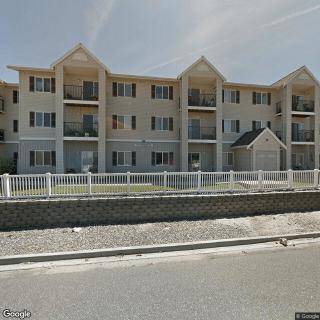
8656 W. Gage Blvd Suite 301, Kennewick, WA 99336
To contact a resident: (509) 735-1911
For more information about senior living options: (866) 208-4318
Overall Review of Meals on Wheels
Pros
 A truly wonderful organization for the senior community.
- Delicious, well balanced meals for many dietary needs.
- Caring volunteers, providing a terrific service helping to meet nutritional needs.
- Also a place for the "regulars" to engage socially.
- The staff was friendly and the food was great.
- They are so welcoming to questions on their services and in getting my FIL set up with home delivery once he was no longer able to drive there!
- A way to give back to those who need it in our community.
- One of the best charities in tri-city.
- This program is a true blessing. They help with the financial gap when on a fixed income, choosing between food, bills, medicine, and other necessaries of life.
- The volunteer staff is very helpful, and nice.
- Even though the building is off limits due to COVID-19, Meals on Wheels still provides meals (for seven days) on a weekly basis.
- Great organization!
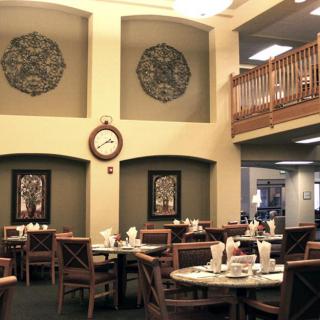
- They provide amazing meals, and have cozy dining centers.
- So organized! Great people who volunteer & such a sweet way to help our seniors!
Cons
 They have waited two months and still haven’t been able to use the market card.
 - The card they received wouldn’t let them set it up, causing ongoing frustration.
- They were promised callbacks by staff that never happened, leaving them with no resolution.
- They were told there was a birth date error and were asked to use a card with someone else’s birth date, which they refused.
- A new card was supposed to be mailed, but it hadn’t arrived, leading to missed food opportunities.
- They feel the system change prevents getting a human on the line for assistance, adding to their frustration.
Review
Meals on Wheels in Kennewick is best suited for seniors who want dependable, nutritionally balanced meals and regular social connection without needing to move into a full-time living arrangement. The program shines for households on fixed incomes that appreciate financial support to cover essentials, and for clients who cannot or prefer not to drive, thanks to reliable home-delivery and clear, accommodating dietary options. Reviewers praise meal quality as delicious and well balanced, with accommodations for diverse dietary needs. The presence of caring volunteers who combine service with real warmth matters, turning meal distribution into a meaningful daily touchpoint. The program also functions as a social hub, offering a welcoming space for regulars to engage, connect, and feel seen.
Yet, there are clear signals about who may want alternatives. Those seeking a traditional assisted-living environment with on-site housing, medical oversight, and 24/7 staff supervision should consider other options. The experience is volunteer-driven and meals-focused, not a housing solution, so families planning for escalating care needs should plan a transition to a different setting sooner rather than later. Additionally, while the staff generally comes across as friendly and helpful, there are documented frustrations with administrative processes and responsiveness. When smooth access and rapid problem resolution are essential, alternative providers with stronger customer-service workflows may be a better fit.
The strongest pro, high-quality meals that meet varied dietary needs, consistently offsets the most significant con: occasional administrative friction. The meals themselves are repeatedly described as excellent, with nutrition and taste prioritized, which reduces the burden on families worried about subpar options. Home-delivery adds a crucial layer of reliability for those who cannot visit a dining site, and that service is frequently highlighted as a major relief for caregivers. The volunteer network underpins social vitality, turning what could be a transactional service into ongoing community support. For many, those advantages far outweigh the hiccups in paperwork or scheduling that pop up from time to time.
Operationally, the program presents familiar, client-friendly logistics: weekday dining hours and a sense of structured normalcy, an approachable, volunteer-powered environment. The organization’s physical footprint includes cozy dining centers and a clear emphasis on building relationships, not just delivering meals. Yet the market-access issues and card-related enrollment glitches illustrate fragile administrative threads. Prospective clients should expect some back-and-forth and prepare to advocate for their needs. When supported by proactive staff, however, the path to meal delivery and social engagement remains straightforward enough to rely on as part of a broader care plan.
For decision-makers, the recommended next steps are practical: confirm eligibility for home-delivery and clarify any dietary restrictions upfront; verify that the meal schedule aligns with daily routines and the preferred eating window; and discuss potential financial assistance options that help bridge basic living costs. It is wise to establish a primary contact and keep notes on any administrative questions, so follow-ups land with concrete timing. If the goal is more than meals, if housing, intensive supervision, or broader care coordination is required, identify a facility that complements the meals program rather than substitutes it. The overall verdict remains favorable, but it hinges on aligning expectations with what Meals on Wheels can deliver: reliable meals, real social connection, and compassionate volunteers.
In sum, Meals on Wheels in Kennewick delivers a practical, cost-conscious lifeline for seniors who can benefit from consistent meals and interpersonal contact without entering a housing-based care setting. The combination of delicious, adaptable food, home-delivery, and a robust volunteer network produces tangible value that often eclipses the occasional administrative friction. For families prioritizing affordability and social engagement, this program is a compelling choice. For others who require housing, continuous supervision, or highly streamlined client service, it warrants comparison with alternative avenues that offer those capabilities more directly. The community earns strong marks, reflecting both solid cooking and strong local goodwill, while signaling areas where expectations should be calibrated against the realities of a volunteer-driven model.
 Tri-Cities (6 miles away)






 Exploring the World of Home Health Nurses: Qualifications, Roles, and Hiring Tips
 Navigating Medicare Coverage for In-Home Care Services
 In-Home Care Costs in 2025: A Detailed State-by-State Exploration