
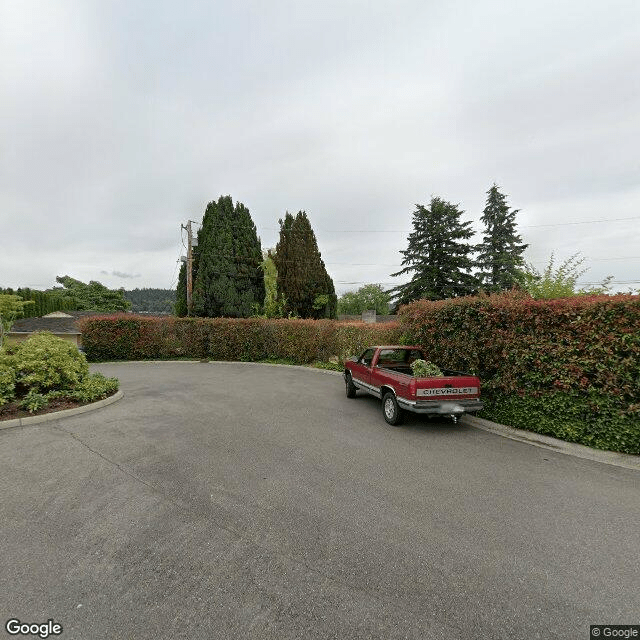
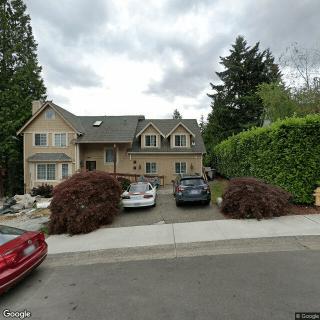
4238 192nd Lane SE, Issaquah, WA 98027
To contact a resident: (425) 747-8231
For more information about senior living options: (866) 208-4318
Greenwood Point Lake House #1 Costs & Pricing
Greenwood Point Lake House #1 offers a semi-private room at a monthly rate of $5,000. This price is notably higher than the average costs observed in both King County, where the typical monthly fee stands at $4,430, and across the broader state of Washington, which averages around $4,267. The premium associated with Greenwood Point Lake House #1 may be attributed to its unique amenities and the tranquil lakeside environment it provides, catering to residents seeking a more personalized and enriching living experience. Overall, while the costs are above local benchmarks, they reflect the distinct value and services available at this facility.
| Floor plans | Greenwood Point Lake House #1 | King County | Washington |
|---|---|---|---|
| Semi-Private | $5,000 | $4,430 | $4,272 |
Senior living communities with a similar price nearby
-
from +$750 / mo

Fieldstone Rolling Bay and Fieldstone Memory Care
$5,750 to $8,895 / month20.5 miles away -
from +$500 / mo

Twin Lake Adult Family Home
$5,500 to $6,500 / month22.7 miles away -
About the same
AA Residential Care
$5,000 / month13.0 miles away -
from +$500 / mo
Valley Vista Adult Family Home Inc
$5,500 to $6,200 / month8.4 miles away -
About the same
Peace and Pleasant Care Adult Family Home II
$5,000 to $6,000 / month14.7 miles away
Overall Review of Greenwood Point Lake House #1
Pros
 The owner was very transparent and knowledgeable.
- The tour was very informative.
- Staff and caregivers are attentive.
- The location and community itself was very nice and relaxing.
- For the right person, it could be good.
Cons
 The facility was small and the rooms were tiny, not a good fit for him.
- They were not pleased with the level of care.
- They thought he was more than they were prepared to handle.
- He was found on the floor next to his recliner on the third day.
- He had slipped out and they hadn’t noticed.
- They fired the caregiver the next day.
Review
Greenwood Point Lake House #1 in Issaquah is best suited for seniors who value a transparent, knowledgeable owner and a calm, intimate setting where staff attention feels consistent and hands-on. The community suits residents who do not require high-intensity medical oversight and are comfortable sharing a room in a smaller facility. In short, it works for someone who wants a low-key environment with reliable staff engagement, but it is not the choice for those who crave private space, extensive care services, or rapid emergency responsiveness.
That said, families should consider alternatives if privacy, strong safety oversight, or higher levels of medical support are priorities. Residents who need private accommodations, more robust fall prevention, or more comprehensive supervision may find this setting insufficient. Memory-care needs, complex mobility requirements, or conditions demanding frequent skilled nursing intervention are better served elsewhere. The neighborhood’s quiet, residential feel can be a plus for some, but it can also translate into a less intensive care footprint than what certain seniors require.
From a practical perspective, the strongest positives are the owner’s transparency and depth of knowledge, the clarity of tours, and the consistent attentiveness of staff and caregivers. These elements create trust and reduce ambiguity for families evaluating options. The location itself adds appeal: a serene community atmosphere that feels relaxing and easy to navigate, with amenities that align with a simpler, routine-oriented lifestyle. For residents whose daily needs align with what a small operation can reliably provide, these factors can translate into meaningful peace of mind.
However, the most salient drawbacks are hard to overlook and tend to loom larger for decision-makers weighing long-term placement. The facility is fairly small, and rooms are described as tiny, with shared accommodations becoming a reality for some residents. While shared rooms might be acceptable for short periods or for individuals who prioritize cost savings and companionship, they are a misfit for those who value privacy or who require more individualized space for medical routines, assistive devices, or personal preferences. The care experience can feel ad hoc when staffing gaps or caregiver turnover create uneven supervision, and troubling incidents, such as a resident being found on the floor without immediate notice, underscore the need for vigilant safety processes and reliable staffing.
The combination of a compact footprint and a limited scope of care means the key pros can offset certain expectations only to a point. The personal attention from staff and the straightforward leadership approach can deliver a reassuring, home-like feel for residents with modest care needs. Yet the real-world risk of insufficient hands-on coverage during busy times or shifts with reduced staffing can erode that reassurance quickly for families facing fall risk, incontinence management, or escalating medical needs. In practical terms, the positives set a solid baseline for comfort and trust, but the notable care gaps prevent this community from serving a broader range of seniors effectively.
For families assessing options, the prudent conclusion is clear: Greenwood Point Lake House #1 is a sensible match for residents who prioritize a transparent owner, attentive daily care, and a tranquil, small-scale environment, so long as privacy and a higher level of care are not non-negotiable requirements. Those who insist on private rooms, robust safety systems, or more intensive medical support should look elsewhere, where care plans are more explicitly aligned with advanced mobility, complex health needs, or stringent safety standards. In the right circumstances, the community can be a warm, low-stress fit; in others, the gaps are simply too significant to overlook.
 Board and Care Home
 Cats allowed
 Dogs allowed
 Activities off-site
 Bath tubs
 Beautician on-site
 Indoor common areas
 Outdoor common areas
 Respite or short term stays offered
 Wheelchair accessible showers
 Seattle-Tacoma International (13 miles away)
 Diabetic care
 High acuity care
 Incontinence care
 Medication management
 Kosher
 Adventist services
 Buddhist services
 Islamic services
 Comprehensive Insights into Palliative Home Care: What It Is and What to Expect
 Skilled Nursing Facilities vs. Nursing Homes: Making Sense of the Differences
 A Detailed Examination of Nursing Home Costs Across the U.S.