
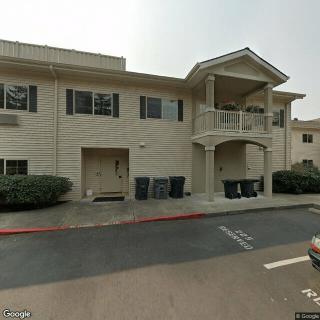
1715 42nd St. NW, Gig Harbor, WA 98335
To contact a resident: (253) 853-2033
For more information about senior living options: (866) 208-4318
Overall Review of Family First AFH
Pros
 The home staff were very attentive and worked seamlessly with Hospice.
- The home was kept very clean; meals were homemade, and staff always accommodated us during visiting hours.
- Joe has now moved into a beautiful home with six other adults at Family First in Gig Harbor.
- He is doing extremely well thanks to the experienced care workers who treat each resident as part of a special family.
- The Adult Family First homes are by far the most beneficial place to have your loved one cared for.
- They have a stellar reputation for providing uncompromising care to every person in each of their homes.
- They selectively employ compassionate, skilled Caregivers and Nurses to assist residents.
- Family First is a place you can feel good about placing your loved one.
Cons
 Family First was an absolute nightmare for their mom and dad, with the ownership ignoring complaints.
- They warned others not to send their loved ones there, citing that only one staff member was available in the evenings and that a grandmother fell out of bed and died two days later due to incompetence.
- They described neglect and multiple injuries and filed a complaint with the State of WA.
- They urged readers to beware of the facility.
Review
Family First Adult Family Homes in Gig Harbor is best suited for families seeking a small, intimate, home-like setting where a loved one receives 24-hour care from a closely connected team that treats residents as family. This community shines for those who value a warm, nonclinical environment, where caregivers know daily routines, preferences, and social needs. The homes are described as inviting, clean, and nestled in quiet, natural surroundings, with meals prepared in-house and staff who coordinate closely with Hospice and other professionals. For families navigating end-of-life support or long-term care that emphasizes personal attention, Family First offers a compelling, almost familial dynamic that can ease difficult transitions.
That said, some families may want to consider alternatives if consistency of staffing and formal oversight are paramount. Several reviewers raise red flags about evenings and staff availability, with at least one account describing serious neglect and another warning about an “incompetency” that affected a loved one’s safety. Those who require more robust round-the-clock supervision, or who worry about gaps in evening coverage, may find larger or more structured settings preferable. The Ridge in Silverdale is cited by some as a strong contrast in terms of ongoing safety and oversight, suggesting that when reliability and visible governance are top priorities, it is reasonable to explore other options alongside Family First.
The strongest positives align with the family-owned model and the personalized care approach. Reviews repeatedly commend owners Julie and Chris Thompson for prioritizing residents and families, and for building homes where staff feel like an extension of the family. The benefits extend beyond companionship to practical support, including detailed answers on contracts and finances, direct assistance with long-term care policy processes, and seamless coordination with medical and hospice services. Residents commonly receive attentive, respectful treatment, with emphasis on home-cooked meals, cleanliness, and a welcoming atmosphere that makes it easier for family members to participate in visits and daily life.
Yet the concerns cannot be dismissed. The most serious criticisms point to insufficient evening staffing and the potential for safety lapses in a small community setting. In a 24-hour care model, even a highly capable team can be overwhelmed if coverage is uneven or if a single staff member must handle multiple tasks late in the day. These risks are not theoretical in small homes, and they reveal the core tension: the same intimate environment that produces strong, individualized attention can also magnify the consequences of staffing gaps. The way ownership responds to complaints and the clarity of governance in those moments will be a decisive factor for families weighing these trade-offs.
For families moving forward with Family First, a disciplined, proactive approach is essential. Plan a thorough in-person tour; talk directly with the owners and the lead caregivers about daily schedules, nurse or caregiver ratios for evenings, and how emergencies are managed after hours. Verify the exact role of any visiting medical professionals, confirm the steps for hospice integration, and request up-to-date references from current families. Review contracts for clarity on services, guarantees, and what happens if a resident’s medical needs escalate. Finally, compare options side-by-side with a practical checklist that weighs the comfort and warmth of a smaller home against the certainty of consistent, 24/7 staffing and formal oversight.
In the end, Family First stands out for families who prize a genuine, family-first atmosphere, strong personal relationships, and hands-on ownership that often translates into responsive, compassionate care. It is a solid choice for those who can tolerate the risks inherent in a smaller operation and who are prepared to verify staffing consistency and governance at the outset. For families with more complex medical needs, or for those who require unwavering evening coverage, exploring a few alternatives in parallel will help ensure the best fit, without compromising the core value: a loved one placed in a setting that truly feels like a caring, extended family.
 Board and Care Home
 Seattle-Tacoma International (16 miles away)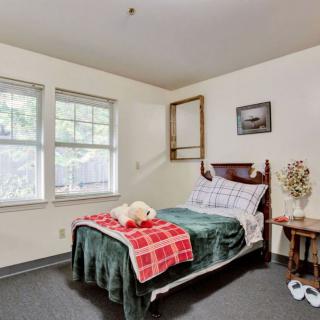






 Comprehensive Guide to Qualifying for Home Health Care Services
 Powerful Realities of Elder Abuse and the Most Effective Ways to Report It
 Ten Vital Duties of a Senior Caregiver: A Comprehensive Guide