
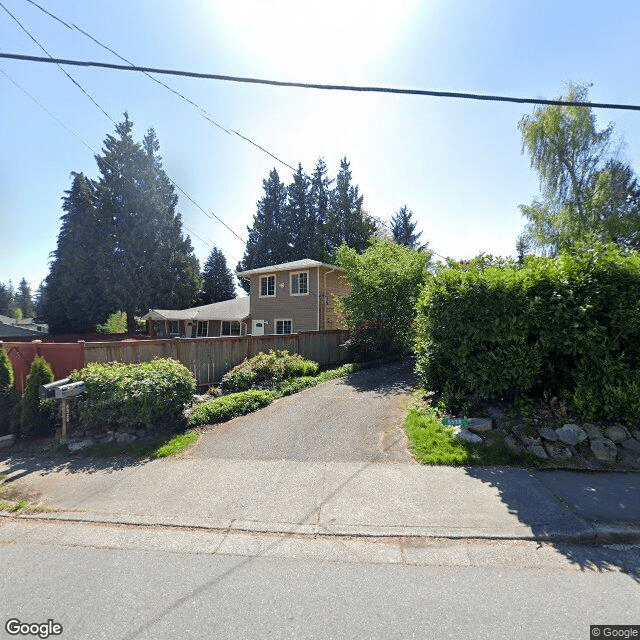
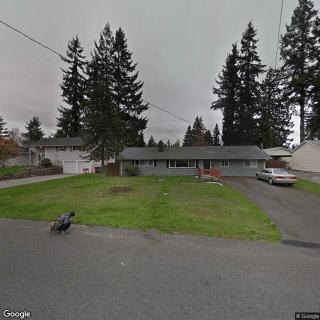
8524 Bowdoin Way, Edmonds, WA 98026
To contact a resident: (425) 771-4250
For more information about senior living options: (866) 208-4318
Loving Hearts Adult Family Home Costs & Pricing
At Loving Hearts Adult Family Home, the monthly costs for accommodation are notably competitive when compared to both Snohomish County and the broader state of Washington. For a private room, residents pay $3,900, which significantly undercuts the average cost in Snohomish County at $4,834 and in Washington State at $4,772. Similarly, the semi-private room rate is also set at $3,900, providing an attractive alternative to the county's average of $4,320 and the state's average of $4,267. This pricing structure reflects Loving Hearts' commitment to offering quality care and comfortable living arrangements while ensuring affordability for families seeking adult family home options for their loved ones.
| Floor plans | Loving Hearts Adult Family Home | Snohomish County | Washington |
|---|---|---|---|
| Private | $3,900 | $4,834 | $4,774 |
| Semi-Private | $3,900 | $4,320 | $4,272 |
Senior living communities with a similar price nearby
-
from -$400 / mo
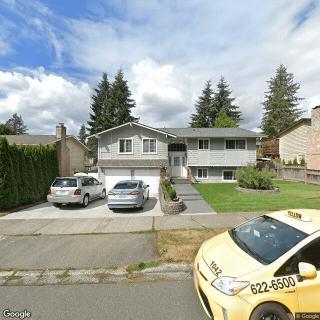
Dignity Life
$3,500 / month7.2 miles away -
from -$525 / mo
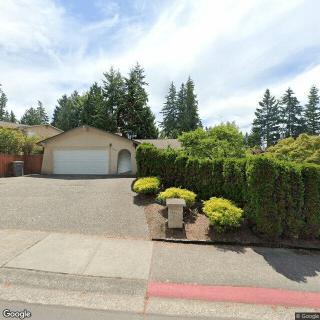
Evergreen Manor Senior Care Inc
$3,375 to $7,500 / month11.3 miles away -
About the same
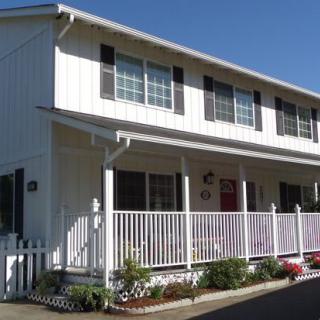
Meadow Crest Senior Home
$4,000 to $6,000 / month22.1 miles away -
About the same

Riverton Home Care
$4,000 to $5,000 / month22.9 miles away -
from -$400 / mo
Terrace View AFH
$3,500 to $4,000 / month2.2 miles away
Overall Review of Loving Hearts Adult Family Home
Pros
 They are very, very good people who care for residents.
- They care for residents.
- They will make your family happy.
Review
Best suited for families seeking an intimate, home-like living arrangement with deeply attentive caregivers. Loving Hearts Adult Family Home in Edmonds, WA appears to deliver on a promise of personal, compassionate care in a small setting, rather than a large, impersonal campus. The message from the experience centers on staff who are “very, very good people” who truly care for residents. That combination, genuine warmth, consistent attention, and a sense of belonging, appears to serve residents who prefer predictable routines and a tight-knit community over formal programming. For seniors who value being known by name, and for families wanting direct, ongoing reassurance that their loved one is cherished, this community stands out as a practical fit.
However, potential residents should consider that this is a small, family-style home. Those requiring extensive medical oversight, specialized memory care, or a breadth of on-site therapies may want alternatives that offer larger staffing pools and more structured programming. Also, with only a single review, there’s limited data on consistency across shifts, weekend coverage, and long-term satisfaction. Families prioritizing a robust activity calendar, diverse social opportunities, or rapid access to specialists might prefer a facility with broader resources. In short, this community is strong for comfort and personal touch; alternatives may be better for high-acuity needs or data-driven expectations.
Strengths reside in the core promise of caring relationships. The emphasis on “very, very good people” who care for residents, along with the assertion that the promise will be lived, signals a caregiving culture that prioritizes emotional well-being and dignity. That relational quality can offset modest limitations in size or scope: residents receive attentive, consistent contact, families gain reassurance, and daily life probably centers on meaningful interactions. In practical terms, this translates to fewer episodes of feeling neglected and more opportunities for residents to feel seen, heard, and respected. Those factors often determine quality of life more than formal amenities in an intimate home setting.
Yet the flip side is the potential absence of depth that larger facilities offer. A single caregiver pool in a small home can strain continuity during vacations or illness, leading to gaps in supervision or slower response times, risks that cautious families should probe. The strength of personal warmth can also mask gaps in specialized expertise; for instance, medically complex needs or high-activity programming may not align with what a small family home can sustainably provide. Prospective residents should verify staffing patterns, training, and redundancy plans to ensure the compassionate culture translates into reliable, around-the-clock care.
To decide confidently, compare with alternative Edmonds-area options by focusing on concrete factors: licensing and inspections, staff-to-resident ratios, care planning processes, medication management, meal quality, and transportation arrangements. Ask about who makes daily care decisions, how family updates are communicated, and what happens when needs shift, from social activities to medical supervision. Given the limited third-party feedback here, performing visits, requesting resident and family references, and observing interactions across shifts will yield the clearest read on whether the warmth described translates into steady, high-quality care week after week.
Bottom line: Loving Hearts Adult Family Home is a compelling choice for families seeking a small, human-centered environment where caregivers appear deeply invested in residents’ happiness and dignity. It is best-suited for those who value personal connection over breadth of services and who can accept that a smaller footprint may come with trade-offs in medical resources and program variety. For others, particularly those with higher care needs or a demand for a proven track record across multiple reviews, alternatives with larger staff pools and more robust amenities should be considered. A thorough tour and candid conversations with current families will reveal whether this community checks all the practical boxes and aligns with the loved one’s goals.
 Board and Care Home
 Activities on-site
 Private
 Wheelchair accessible showers
 Seattle-Tacoma International (25 miles away)
 Diabetic care
 Meals provided



 A Comprehensive Exploration of Common Misunderstandings about Powers of Attorney
 Senior Move Management: Understanding the Role, Value, and Associated Costs
 Weight Training for Seniors: Building Strength and Vitality