
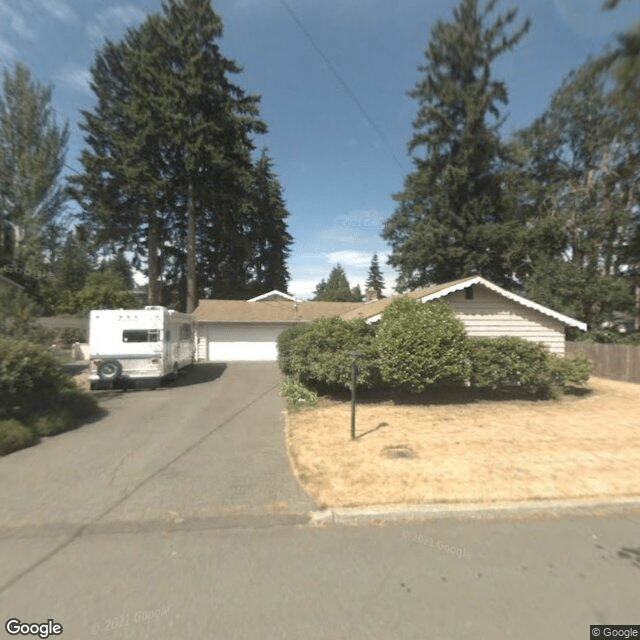
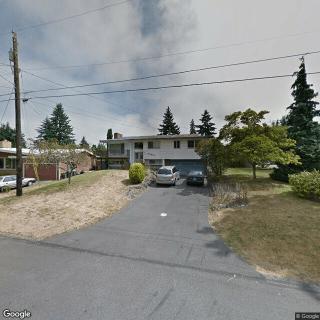
21818 93rd Pl. W., Edmonds, WA 98020
To contact a resident: (425) 245-8303
For more information about senior living options: (866) 208-4318
Acacia Senior Home 2 Costs & Pricing
Acacia Senior Home 2 offers a competitive pricing structure compared to the broader market in Snohomish County and the state of Washington. For both private and semi-private rooms, residents at Acacia Senior Home 2 can expect to pay $5,500 per month. This rate is notably higher than the average for Snohomish County, where private room rates are approximately $4,834 and semi-private options are around $4,320. Similarly, Acacia's pricing exceeds the state averages of $4,772 for private rooms and $4,267 for semi-private accommodations. While the costs at Acacia Senior Home 2 may be elevated relative to regional standards, they reflect a commitment to providing quality care and services that cater to the unique needs of its residents.
| Floor plans | Acacia Senior Home 2 | Snohomish County | Washington |
|---|---|---|---|
| Private | $5,500 | $4,834 | $4,774 |
| Semi-Private | $5,500 | $4,320 | $4,272 |
Memory care communities with a similar price nearby
-
from +$1000 / mo

The Promised Land
$6,500 / month5.8 miles away -
from +$500 / mo
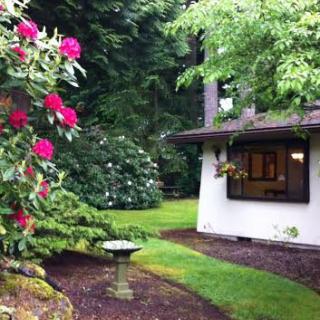
Home Away From Home LLC
$6,000 to $7,000 / month4.6 miles away -
from +$500 / mo
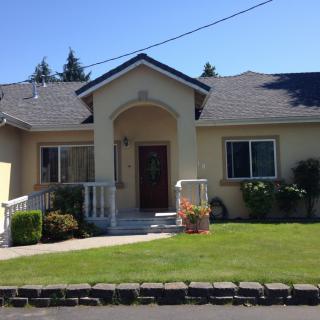
Elderly Home Care
$6,000 to $8,000 / month7.7 miles away -
from +$250 / mo
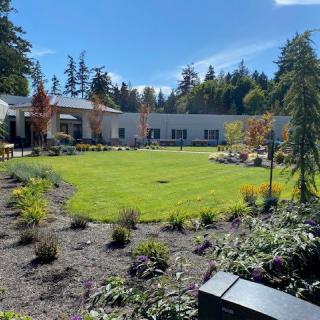
Fieldstone Rolling Bay and Fieldstone Memory Care
$5,750 to $8,895 / month11.7 miles away -
from +$500 / mo
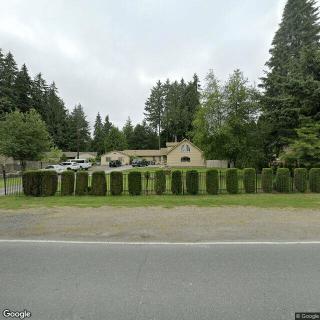
Sunny Side Adult Family Home
$6,000 / month7.9 miles away
Overall Review of Acacia Senior Home 2
Pros
 The standard of care at Acacia Senior Home was amazing, always done safely and well.
- The home is beautiful, and each person is cared for so sensitively and thoughtfully.
- The home manager hires amazing, caring, compassionate, and dedicated staff.
- The staff stay for years, resulting in exceptional continuity of care.
- The mother felt safe, supported, and loved during her last years.
Review
Acacia Senior Home 2 is best suited for families seeking a warm, intimate residential setting in Edmonds where daily safety, compassionate attention, and strong relational continuity are the core strengths. This community shines for seniors whose family caretaking priorities are emotional security, steady caregiving relationships, and a home-like atmosphere over the scale and bustle of a larger facility. The environment is clearly designed to feel safe, comforting, and familiar, with an emphasis on person-centered care that keeps residents connected to trusted caregivers over time.
Those evaluating alternatives should consider whether a larger community with more on-site medical resources or a broader activity calendar would better match their loved one’s needs. If a loved one requires extensive 24/7 clinical oversight, frequent on-site nursing, or a specialized memory care program with a wide range of medical and therapeutic services, it may be worth looking at other options. The intimate scale of a small group home can be excellent for daily attentiveness, but families should verify that the level of medical support and program variety aligns with current and anticipated needs.
The strongest pros here revolve around safety, beauty, and deeply person-centered care. The home environment is described as beautiful and well maintained, which reinforces a sense of dignity and comfort for residents. Equally compelling is the care approach: staff members are attentive, thoughtful, and genuinely compassionate, a combination that makes residents feel valued and protected. The leadership behind the community stands out for high standards and a recruiting instinct that favors caregivers who stay long term, creating a stable, consistent team for residents.
That stability, long-tenured staff and continuity of care, directly offsets common drawbacks associated with smaller, non-hospital settings. In many homes, caregiver turnover erodes trust and disrupts routines; at Acacia Senior Home 2, the repetitive, familiar caregivers help residents feel secure, reducing confusion, anxiety, and the sense that change is a daily norm. The net effect is a reliable day-to-day experience where residents are not just cared for but truly supported as a constant presence in their lives. For families, this translates into fewer disruptive adjustments and more predictable quality of care.
However, potential buyers should approach with practical diligence. While the reviews highlight exceptional personal care, they also underscore the absence of large-scale amenities and specialized clinical infrastructure that bigger communities advertise. Prospective residents should confirm the availability of medically trained staff around the clock, the capacity to manage acute needs, and how emergencies are handled when a clinician isn’t immediately at hand. Understanding the daily schedule, activity opportunities, and family involvement options will also reveal how the homelike feel translates into ongoing enrichment rather than quiet routine.
In sum, Acacia Senior Home 2 stands out for those prioritizing heartfelt, consistent caregiving in a beautiful, intimate setting. It is an especially strong match for families who value continuity, a sense of being truly cared for, and a home where staff relationships endure. If the priority is robust medical depth, a larger community with broader clinical resources should be explored as a clear alternative. For the right profile, an elder who thrives on trusted routines, personal connections, and safety within a warm, small-scale environment, this Edmonds option is hard to beat.
 Board and Care Home
 Memory Care
 Cats allowed
 Activities on-site
 Beautician on-site
 Devotional services off-site
 Indoor common areas
 Outdoor common areas
 Private
 Private bathrooms
 Respite or short term stays offered
 Wheelchair accessible showers
 Seattle-Tacoma International (24 miles away)
 Diabetic care
 High acuity care
 Incontinence care
 Medication management
 Kosher



 Understanding Dementia Through Its Seven Stages: A Comprehensive Look at Progression and Expectations
 Safeguarding Your Memory Through the Golden Years: Eight Ways to Preserve Cognitive Health
 Comprehensive Insights into Activities of Daily Living (ADLs) and Their Assessment