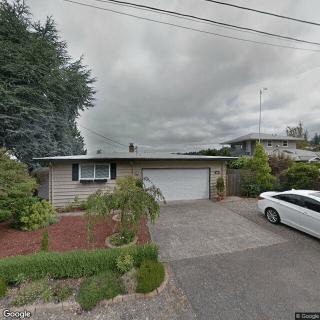
21301 95th Ave W, Edmonds, WA 98020
To contact a resident: (425) 771-5337
For more information about senior living options: (866) 208-4318
Overall Review of Love and Hope
Pros
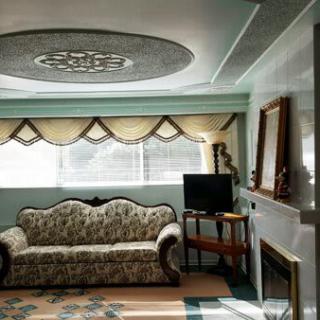
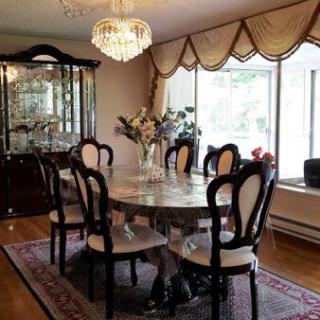
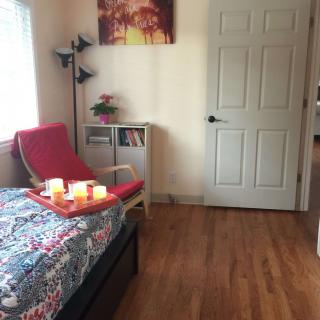
 Maddy's Adult Family Home is owner-operated by an experienced caregiver, and the home is described as gorgeous with residents having their own rooms.
 - The staff at Maddy's provides excellent service, proactively addresses issues, and genuinely cares for residents.
- Love and Hope is described as a five-star place with home-cooked meals and a park-like yard, where residents are treated like family.
- The owners of Love and Hope are described as Christian and devoted to their faith, contributing to a warm care environment.
- Residents at Love and Hope are kept physically active with daily exercise and mentally stimulated with conversations and activities.
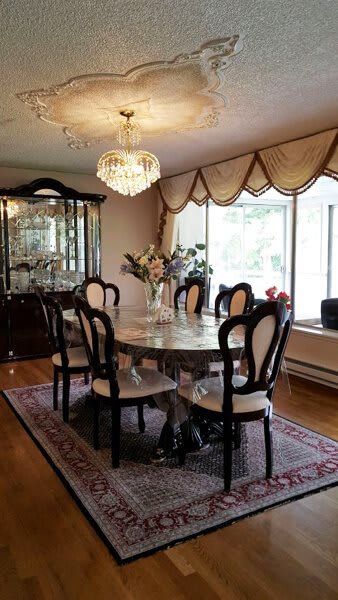
- The facility feels like a family home: it is clean, well-maintained, and welcoming.
- The care at Love and Hope is considered to surpass that of other facilities, with staff always available to help.
Cons
 The facility is described as intended only for residents with low care needs, leaving higher-need residents inadequately supported.
- Residents with mild dementia were tolerated, and if they became frustrated, they and their families were told they were being difficult.
- The care required by a heavily dependent resident was described as physically demanding, with high charges for the higher level of care.
- The only entertainment offered was a pianist visiting infrequently; there were no games, books, puzzles, or movie nights.
- Staff had little time to spend with residents.
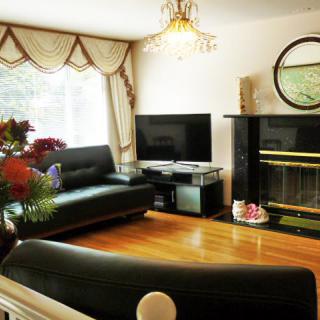
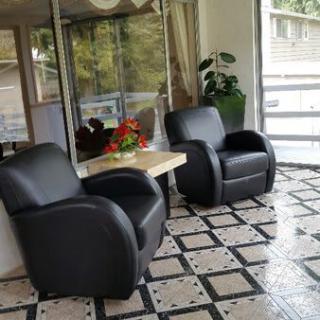
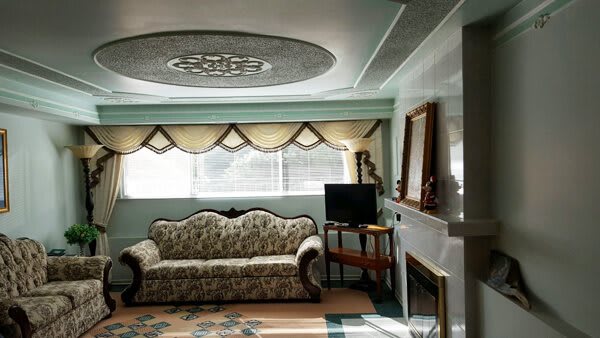
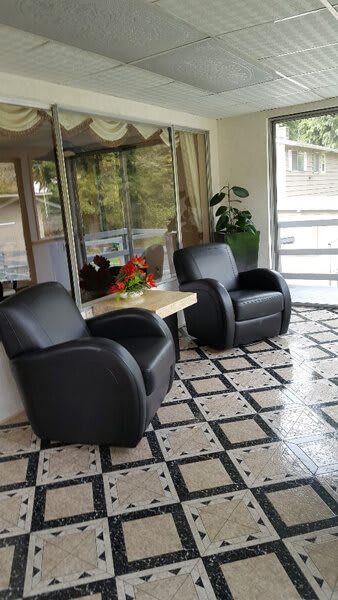
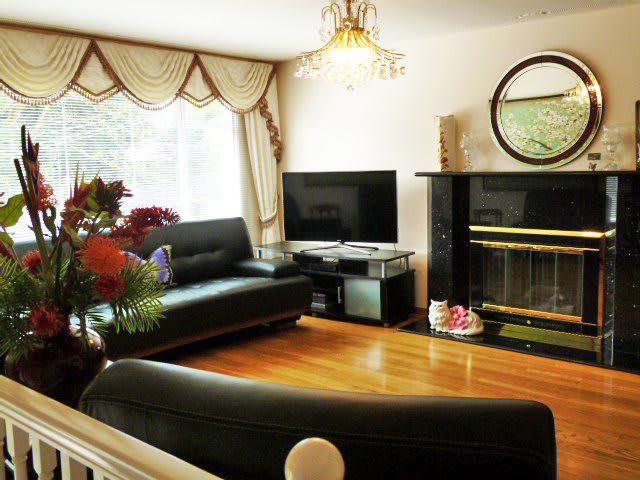
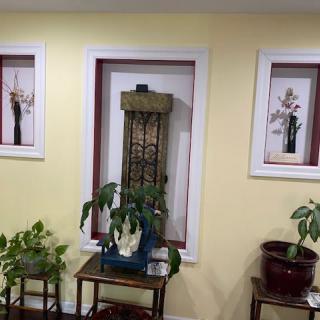
- The furnishings on the main floor were modern and black, lacking natural wood and earth tones, and not felt to be homelike.
- Some observers felt the staff came across as used-car salesmen.
- A reviewer described the staff as extremely rude and unsympathetic, harassing a visitor and limiting conversations to one family member.
- A reviewer said they would not recommend the place.
Review
Love and Hope in Edmonds, WA is best suited for families seeking a warm, home-like adult family home where care feels personal rather than clinical. The community shines for residents with low-to-moderate care needs who want home-cooked meals, daily help with mobility and grooming when required, and a setting in which staff treat residents like family. The owner-operated structure and caregiver experience create a steady, attentive atmosphere, with a clear emphasis on dignity, routine, and gentle, respectful interactions. It is ideal for seniors who value comfort, safety, and a predictable, intimate environment over the breadth of services found at larger campuses. Those with more complex medical requirements or a demanding dementia-program may want to look elsewhere, as the model here prioritizes a quiet, home-centered cadence over heavy clinical support.
Alternatives should be considered for residents needing robust medical oversight, dementia programs with structured activities, or a more expansive social calendar. Several reviews note that Love and Hope handles genuine daily living support, but may not deliver advanced skilled nursing, aggressive memory-care programming, or continuous, high-engagement activities. Families should be cautious if constant diapering, lifting, or complex mobility assistance is required, as staffing depth and program variety appear limited for high-needs care. For those seeking frequent outings, vibrant group programming, or highly scheduled cognitive activities, other small homes or larger memory-care settings are likely to provide more consistent stimulation. In short, the environment favors a slower, more intimate rhythm over the bustle of bigger facilities.
On the upside, Love and Hope earns strong marks for food, cleanliness, and atmosphere. Family and resident testimonials repeatedly highlight home-cooked meals crafted with organic ingredients, and staff who accommodate dietary preferences with care. The home feels tidy and welcoming, with a yard that resembles a park and interior spaces kept bright and orderly. Staff are repeatedly described as gentle, respectful, and dependable, with a proactive stance toward addressing issues rather than waiting for families to push for responses. The small-family dynamic and careful resident matching contribute to a sense of safety and belonging, and the daily routines, exercise, conversation, and shared meals, provide tangible structure for physical and mental well-being. In these core areas, the community convincingly compensates for its more limited activity program.
Yet the tradeoffs are real. Several accounts point to limited stimulation and a light programming calendar, with entertainment largely dependent on sporadic visits rather than a built-in activities director. For residents who crave games, puzzles, ongoing social events, or regular enrichment, the experience can feel underwhelming. Staffing across two floors can stretch caregivers thin, creating occasional gaps in attentiveness during busy periods. There are inconsistent reports about how care needs are judged and communicated, including one troubling impression of pressure during admissions and a sense that some residents do not fit the expected profile. While most families speak positively, these experiences matter for decisions where social engagement and aggressive care planning are non-negotiable.
Balancing the pros and cons, the positives align closely with expectations for a dignified, home-like setting. The strong emphasis on meals and daily routines, paired with a respectful, proactive caregiver team, provides a dependable daily life that many families prize above all else. For a loved one who is largely independent or requires modest assistance with grooming, mobility, and feeding, Love and Hope offers a warm, safe, and reassuring environment. The opportunity to be treated as a cherished family member, rather than a client, is a meaningful advantage that can translate into improved mood and overall comfort. The main offset to the quieter activity calendar is the serene, predictable pace that reduces stress and confusion for seniors who value familiarity and consistency.
For families deciding on placement, a targeted visit is essential to verify fit. Scrutinize staffing ratios on each floor, and request a typical day that shows meals, mobility assistance, grooming, and any memory-care supports, if relevant. Clarify pricing structures, what is included, what constitutes additional charges, and whether higher-care needs can be accommodated without moving a resident elsewhere. If the goal is a highly interactive environment with frequent programming, this setting may fall short; if the aim is a respectful, comforting home with excellent meals, dependable caregivers, and a true sense of belonging, Love and Hope stands out as a standout option. In the end, it serves best when dignity, routine, and a small-house, family-oriented atmosphere are the top priorities, with alternatives offering stronger clinical care or richer social engagement for those who require it.
 Board and Care Home
 Activities on-site
 Beautician on-site
 Cable or satellite TV
 Devotional services off-site
 Full kitchen
 Ground floor units
 Handicap accessible
 Indoor common areas
 Outdoor common areas
 Private bathrooms
 Respite or short term stays offered
 Wheelchair accessible showers
 Wi-Fi/high-speed internet available
 Seattle-Tacoma International (25 miles away)
 Ambulatory care
 Diabetic care
 High acuity care
 Incontinence care
 Medication management
 Anytime dining
 Bible study group
 Brain fitness
 Day trips and outings
 Forever fit
 Happy hour
 Live dance or theater performances
 Live musical performances
 Live well programs
 Trivia games




 Compassionate Conversations: How to Comfort Someone Who Is Grieving
 Home Health Care Aides: Understanding Their Role and Supporting Your Family
 Urinary Tract Infections in Older Adults: Comprehensive Insights on Symptoms, Treatment, and Prevention