
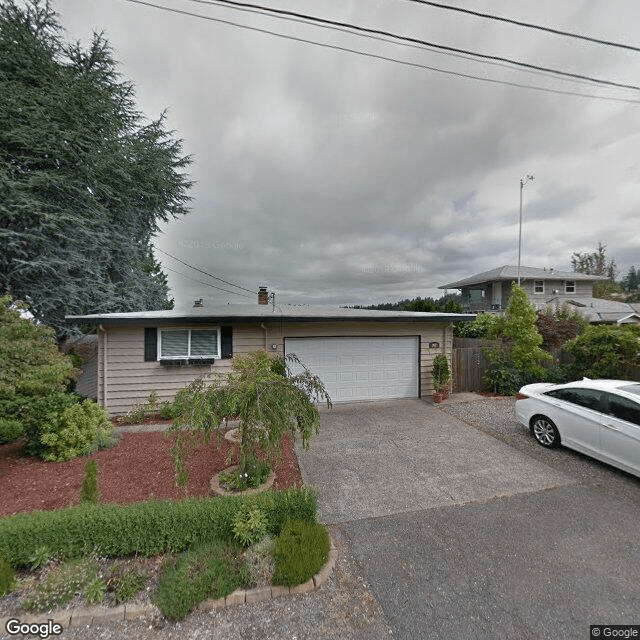
1021 Bell Street, Edmonds, WA 98020
To contact a resident: (425) 835-0562
For more information about senior living options: (866) 208-4318
Living in Comfort AFH Costs & Pricing
Living in Comfort AFH presents competitive rates for assisted living, set at $4,000 per month for a semi-private room and $5,000 for a private room. These prices are notably lower than the average costs in Snohomish County, where semi-private accommodations typically run around $4,320 and private rooms average $4,834. When compared to the broader state figures for Washington, Living in Comfort AFH provides an attractive option as well - both room types fall below the state averages of $4,267 for semi-private and $4,772 for private spaces. This makes Living in Comfort AFH not only a comfortable choice but also a financially appealing one within its regional context.
| Floor plans | Living in Comfort AFH | Snohomish County | Washington |
|---|---|---|---|
| Semi-Private | $4,000 | $4,320 | $4,272 |
| Private | $5,000 | $4,834 | $4,774 |
Senior living communities with a similar price nearby
-
from -$500 / mo
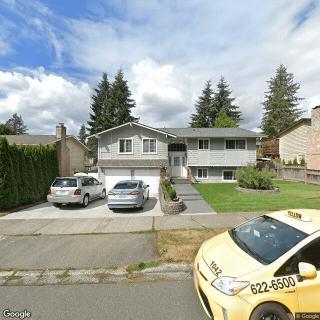
Dignity Life
$3,500 / month7.7 miles away -
from -$625 / mo
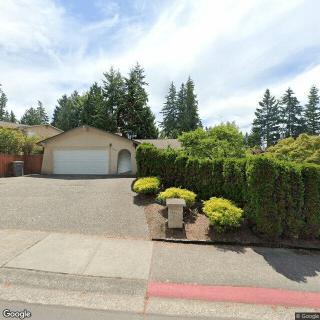
Evergreen Manor Senior Care Inc
$3,375 to $7,500 / month12.0 miles away -
About the same
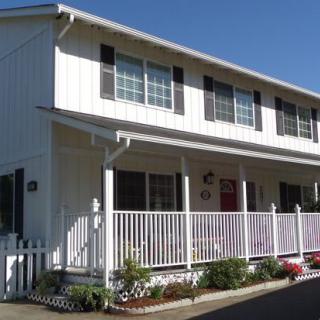
Meadow Crest Senior Home
$4,000 to $6,000 / month22.7 miles away -
About the same

Riverton Home Care
$4,000 to $5,000 / month23.4 miles away -
from -$500 / mo
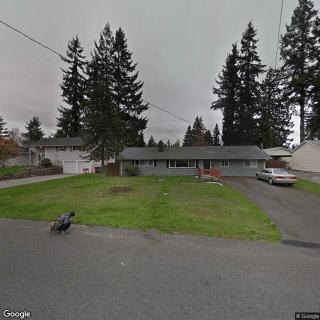
Terrace View AFH
$3,500 to $4,000 / month3.0 miles away
Overall Review of Living in Comfort AFH
Pros
 They provided love and care to the father-in-law, which was amazing.
- The home-cooked meals and family-style dining were greatly appreciated.
- The staff is amazing, especially the owner Emebet, who truly cares.
- It is a great place.
Review
Living in Comfort AFH in Edmonds is best suited for seniors who want a true home-like assisted living experience, where care feels intimate, personal, and consistently attentive. The environment favors small-house living over institutional bustle, with meals prepared in-house and served in a family-style setting. The vitality comes from a hands-on owner and an engaged staff who can build trust quickly and tailor daily routines to individual rhythms. For families prioritizing warm relationships, dependable responsiveness, and a sense of belonging as their loved one ages, this community delivers results that feel personal rather than perfunctory. The Edmonds location matters: proximity to family and the comfort of neighborhood life help families stay involved without the churn of a larger campus.
Yet this is not the right fit for every situation. Families with residents who require robust, around-the-clock medical oversight, complex memory care, or highly structured programming should consider alternatives. Larger assisted living campuses or dedicated memory-care communities typically offer more on-site clinicians, diversified therapy options, and a fuller calendar of activities and outings. If securing 24/7 nursing supervision, advanced wound care, or intensive medication management is non-negotiable, or if the plan calls for frequent, formal group programming, another option may serve better.
The strongest advantages are clear in practice. The care extended to a loved one described as father-in-law speaks to a culture of genuine warmth and commitment. Home-cooked meals and family-style dining provide daily comfort and a sense of being cared for rather than merely housed. The staff are described as amazing, with the owner Emebet singled out as someone who truly cares. In a setting where relationships drive safety and satisfaction, this approach yields reliable responsiveness, faster problem-solving, and a sense that needs are heard and acted upon. That kind of culture translates into lower stress for families and residents alike, with predictable routines and a calm, respectful atmosphere during meals, personal care, and transitions between activities.
Nevertheless, no option is without trade-offs. The compact, home-like format can limit access to on-site medical staff, specialized therapies, and the depth of programming found in larger communities. Fewer residents may mean fewer peer interactions during off-hours unless the home actively fosters outings and visits; activity schedules may be more reliant on caregiver initiative than formal programming. Families should clarify how medication management is handled, what medical professionals are available on-site or by referral, and how emergencies are escalated. Also important is understanding caregiver coverage on weekends and holidays, since continuity can depend on a smaller team.
Where the strengths shine, they counterbalance these potential gaps. The personal attention from the owner and a steady team creates a level of continuity that can surpass what larger facilities promise, especially for residents who value predictability and deep, known relationships. Home-cooked meals and family-style dining become a daily anchor, reducing mealtime stress and enhancing appetite, social connection, and mood. The intimate setting enables quick adjustments to routines, bedtimes, assistance with dressing, or preference for quiet evenings, without bureaucratic delays. In practice, this yields a resident experience that feels safe, dignified, and genuinely cared for, even when the calendar isnā€™t packed with formal activities.
For families weighing options, Living in Comfort AFH stands out when warmth, trust, and daily gentleness trump formal amenities. It is a compelling choice for seniors who prioritize a home-forward pace, meaningful caregiver relationships, and meals that feel like home. Those who need intensive clinical oversight, heavy memory-care supports, or a highly programmed schedule should broaden the search to larger, resource-rich communities. Prospective residents should visit, observe mealtime interactions, and directly discuss with the owner and caregivers emergency protocols, resident autonomy, and respite options. When the priority is a nurturing, intimate setting where care feels familial, this Edmonds AFH delivers the kind of peace of mind families remember long after the move-in day.
 Board and Care Home
 Cats allowed
 Dogs allowed
 Activities on-site
 Bath tubs
 Beautician on-site
 Devotional services on-site
 Indoor common areas
 Outdoor common areas
 Private
 Private bathrooms
 Respite or short term stays offered
 Swimming pool / hot tub
 Wheelchair accessible showers
 Diabetic care
 High acuity care
 Medication management
 Meals provided






 Top Cars for Senior Drivers and Essential Safety Innovations
 A Closer Look at Private Pay Home Care
 Comprehensive Approaches for Arthritis: A Detailed Guide to Symptoms, Causes, and Care