6823 129th Pl SE, Bellevue, WA 98006
To contact a resident: (206) 660-5549
For more information about senior living options: (866) 208-4318
Tranquil Gardens Adult Family Home Costs & Pricing
Tranquil Gardens Adult Family Home offers competitive pricing for its residential care services, with monthly costs reflecting the quality and personalized attention provided to residents. For semi-private accommodations, the cost is set at $5,000, which is slightly above the average rates in King County ($4,430) and the broader Washington state market ($4,267). In contrast, private room options are priced at $6,000 per month, again higher than both King County's average of $5,034 and Washington state's average of $4,772. While these rates may be higher than some alternatives in the region, they encompass a commitment to providing a nurturing environment tailored to individual needs, suggesting that potential residents may find greater value in the comprehensive care offered at Tranquil Gardens.
| Floor plans | Tranquil Gardens Adult Family Home | King County | Washington |
|---|---|---|---|
| Semi-Private | $5,000 | $4,430 | $4,272 |
| Private | $6,000 | $5,034 | $4,774 |
Senior living communities with a similar price nearby
-
from +$750 / mo

Fieldstone Rolling Bay and Fieldstone Memory Care
$5,750 to $8,895 / month17.6 miles away -
from +$500 / mo

Twin Lake Adult Family Home
$5,500 to $6,500 / month18.9 miles away -
About the same
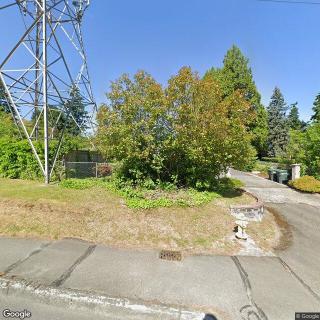
AA Residential Care
$5,000 / month14.2 miles away -
from +$500 / mo
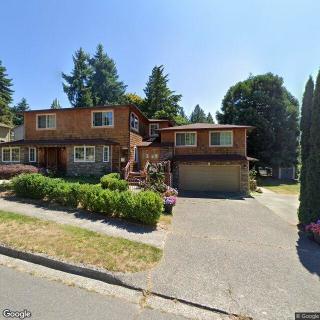
Valley Vista Adult Family Home Inc
$5,500 to $6,200 / month10.3 miles away -
About the same
Peace and Pleasant Care Adult Family Home II
$5,000 to $6,000 / month11.1 miles away
Overall Review of Tranquil Gardens Adult Family Home
Pros
 They loved the adult family home; the house was lovely and amazing.
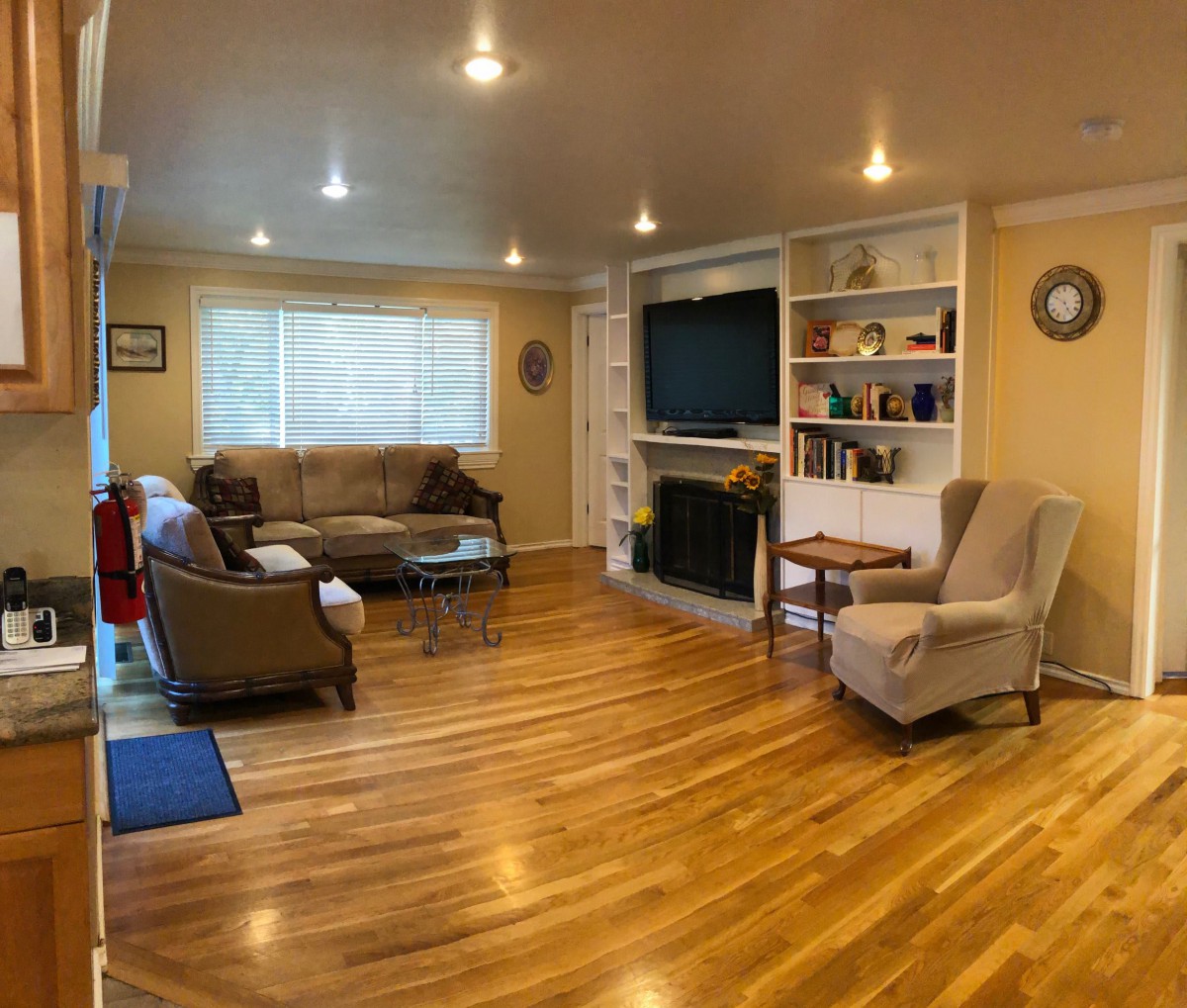
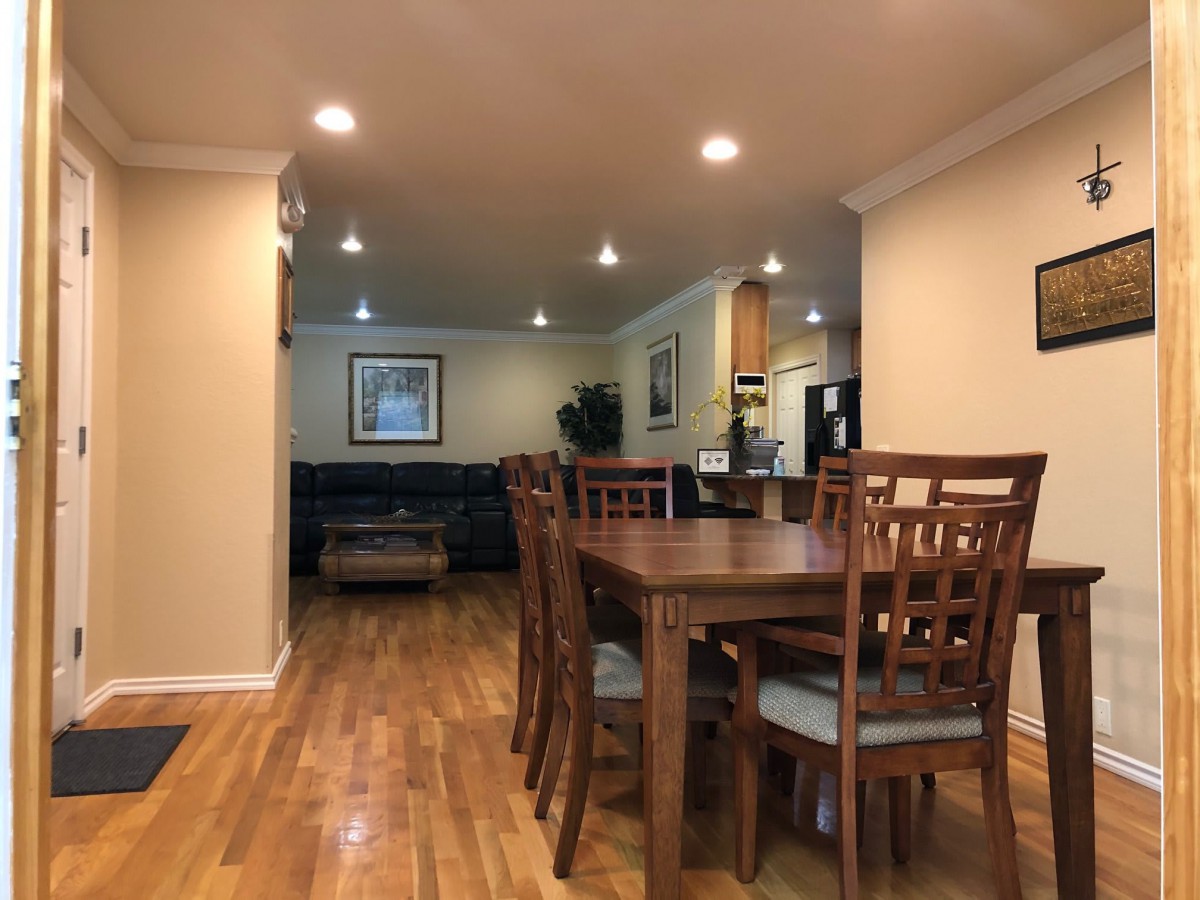
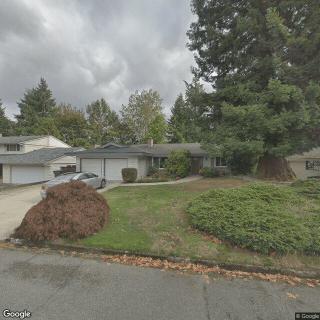
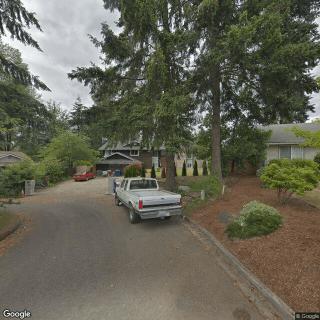
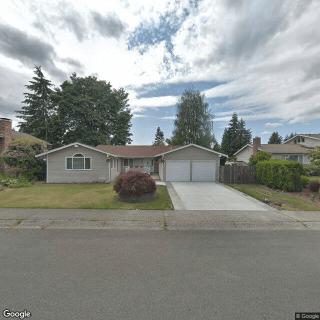
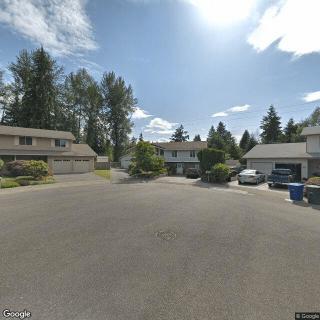
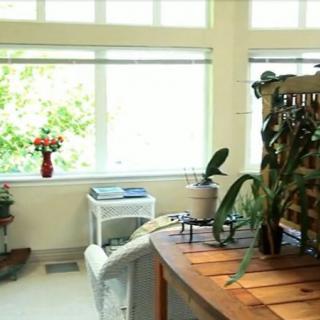
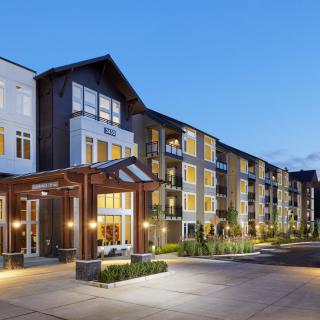
- They described Betan Home as a wonderful place with a facility that was good-looking, clean, well maintained, and modern, in a nice upscale middle-class neighborhood.
- They noted the staff were really nice and the Filipino family running it was very friendly.
- They chose Betan Home after talking to the owner and were happy with their choice.
- They would recommend Betan Home to anyone.
- They observed that the food looked really good.
Review
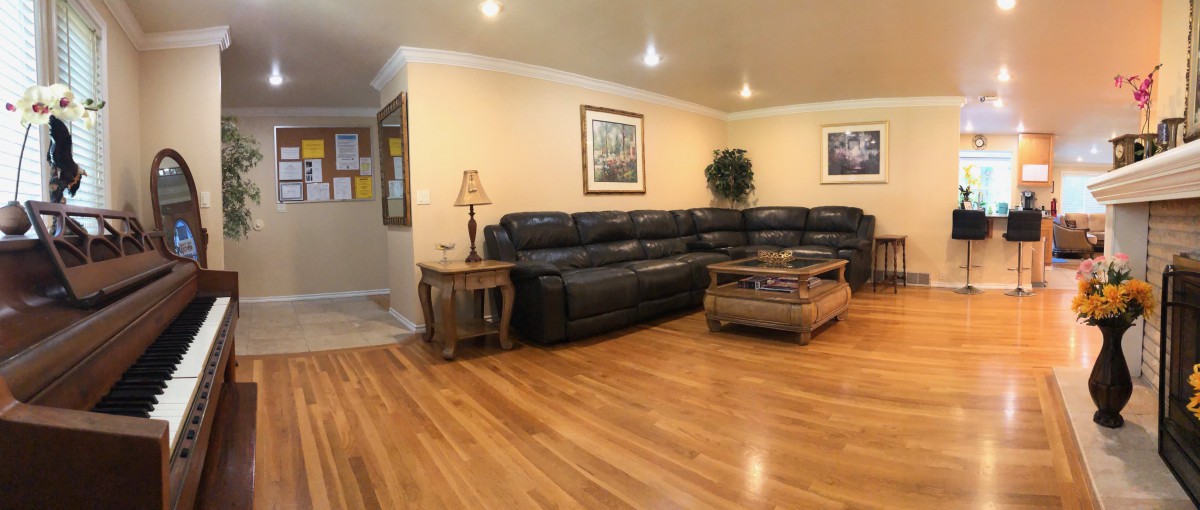
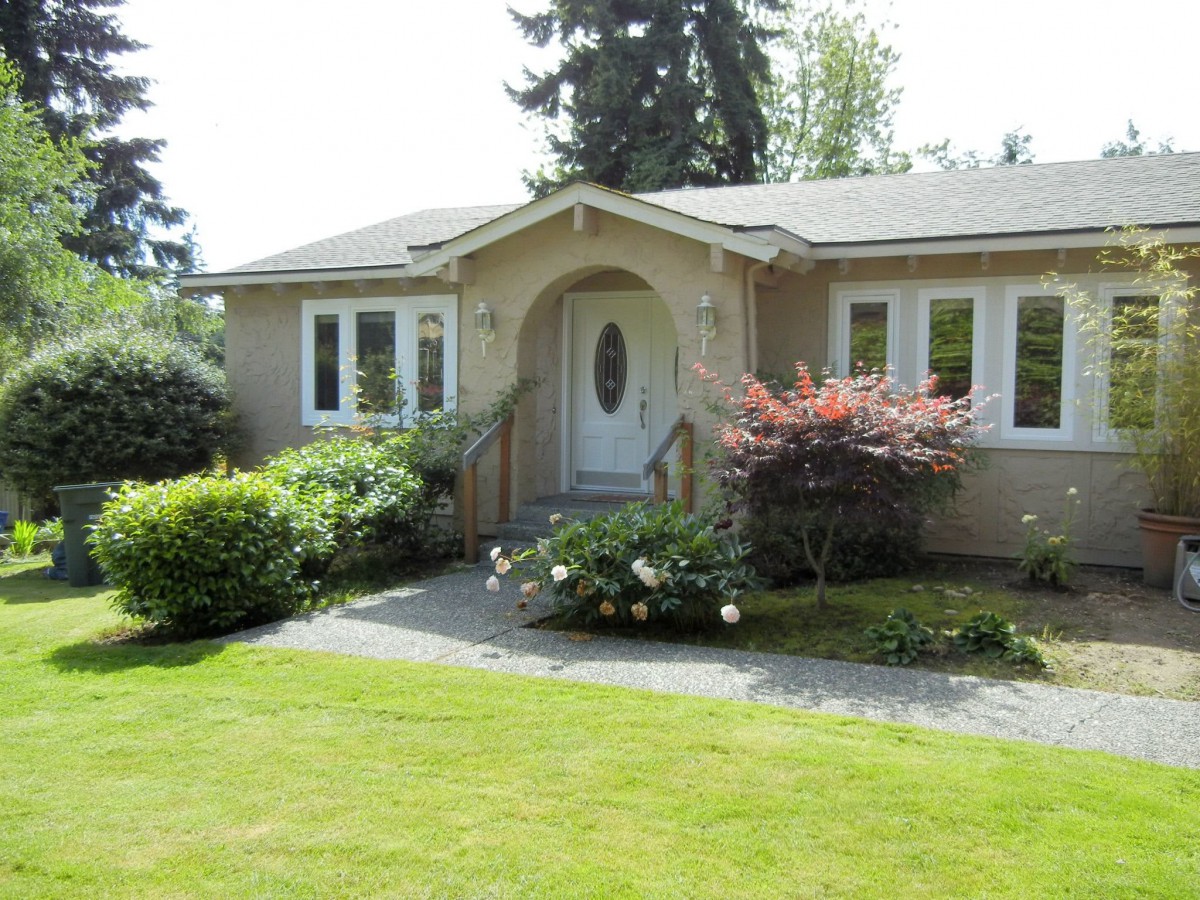
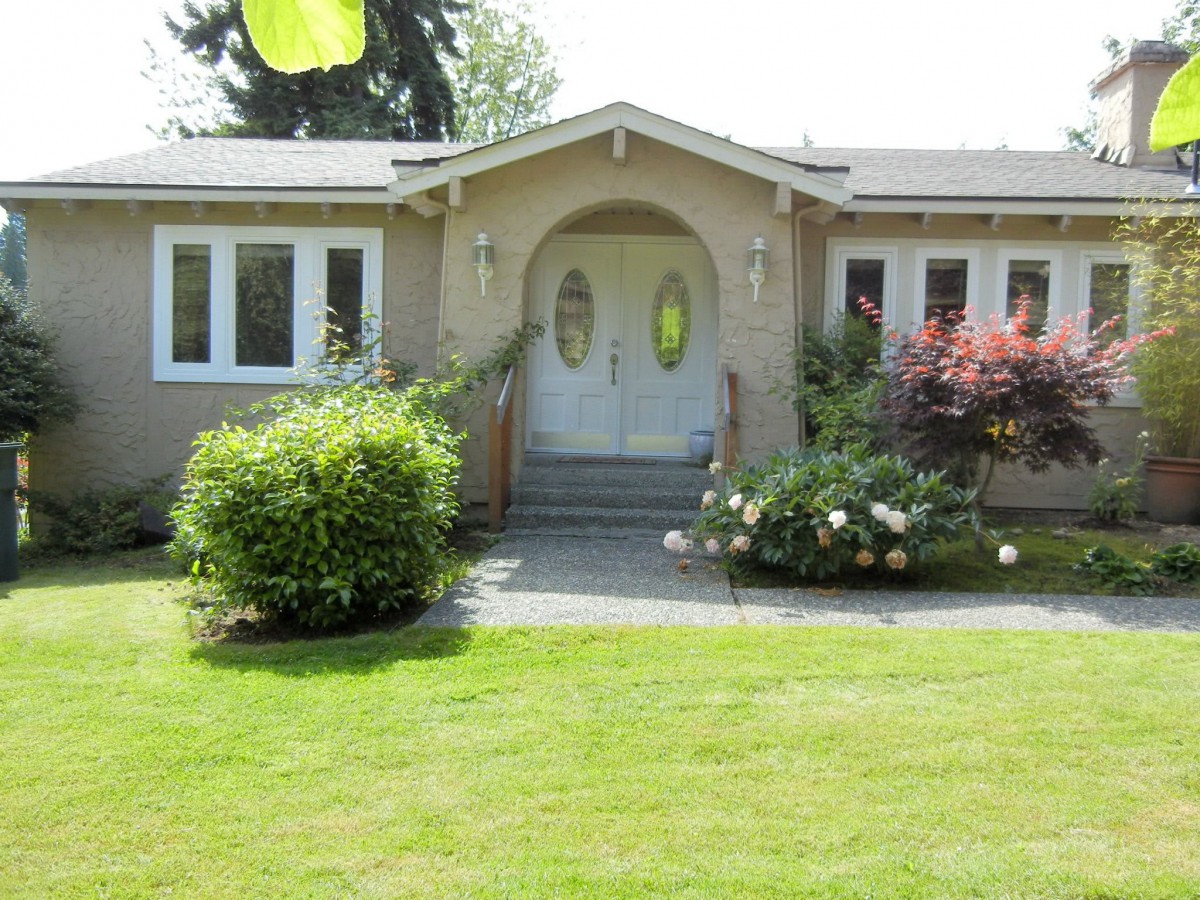
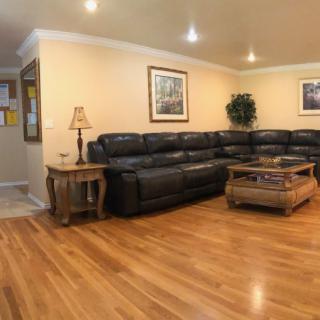
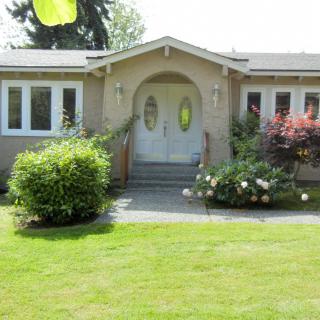
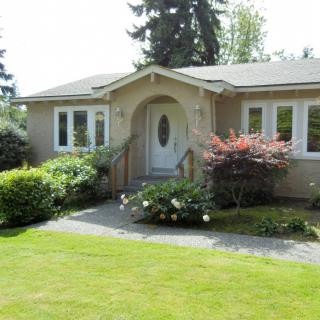
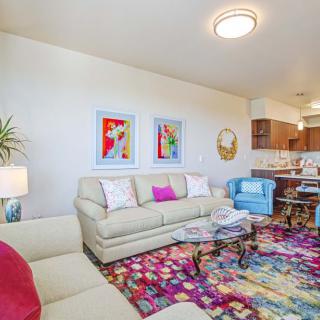
Tranquil Gardens Adult Family Home in Bellevue is best suited for seniors who want a small, home-like setting where personalized attention is a daily standard. The reviews repeatedly describe a clean, modern, well-maintained house located in an upscale, middle-class neighborhood, which supports a calm, safe, and comfortable living environment. This option resonates with residents who value direct caregiver interactions, a warm family atmosphere, and the sense that managers know residents well and respond quickly to needs. The emphasis on the house as a comfortable, aesthetically pleasing place to live suggests it is ideal for those who prioritise dignity, consistency, and a familiar routine over a larger, more impersonal facility.
There is a clear caveat for families weighing alternatives. Several notes reference Betan Home while others speak of Tranquil Gardens, which creates a branding discrepancy that should be clarified before making a decision. That inconsistency can signal differences in management, services, or care philosophy that matter when evaluating long-term suitability. For families requiring robust medical oversight, specialized memory care, or a wider menu of on-site therapies and activities, this intimate format may fall short compared with larger assisted living communities. Those needing guaranteed 24/7 clinical staffing or a formal activity calendar may want to survey competing options with explicit staffing models and service guarantees.
On the upside, the strongest pros are tangible and consistently echoed: a welcoming, house-like ambiance; a clean, well-kept, modern setting; and attentive, personable caregivers. The food is praised as appealing, which is more than a cosmetic benefit; meals in a small, family-run home often reflect individualized attention and flexible dining options. The neighborhood itself provides a sense of security and convenience, which translates into ease of access for family visits and for coordinating care with outside providers. The impression of a tight-knit staff that treats residents like family can significantly ease some of the emotional burdens that accompany aging in place.
Against those positives, the most plausible drawbacks revolve around scale and formal care structure. The small size of an adult family home means fewer on-site resources, potentially less 24-hour clinical presence, and a less expansive activity program compared to larger communities. Prospective residents should consider whether there is ready access to licensed medical support, consistent staffing coverage across shifts, and how medical emergencies are managed. The reviews offer little detail on these points, so the absence of explicit assurances regarding medical oversight or specialized services warrants direct inquiry during tours and interviews.
When the observed strengths are weighed against these potential gaps, the balance tilts in favor of residents who prize intimate, attentive care and a homelike daily experience. For families who can accept a possibly narrower range of post-acute services in exchange for consistent, affectionate caregiving, the pros materially offset the cons. A warm, well-run setting often yields higher caregiver continuity, fewer care transitions, and a more predictable daily rhythm, benefits that can significantly improve quality of life for many seniors. The care model here appears to deliver dignity, comfort, and personal connection as core values, which can be decisive for residents prioritizing relationship-centered care over turnkey clinical offerings.
For families considering next steps, approach this option with clear questions about branding and governance, as well as concrete confirmations of care capabilities. Seek a detailed explanation of staff-to-resident ratios, a breakdown of on-site medical resources, and the process for coordinating with outside physicians. Request a sample weekly activity schedule and a current, written menu to confirm consistency with reported quality. If possible, arrange to meet the owner or management team to gauge responsiveness and transparency. In the end, Tranquil Gardens offers a compelling, homey alternative for those who value warmth and personal attention; those needing broader clinical services or reliable, standardized programming should compare with larger facilities to ensure alignment with long-term care requirements.
 Board and Care Home
 Activities on-site
 Bath tubs
 Beautician on-site
 Devotional services on-site
 Indoor common areas
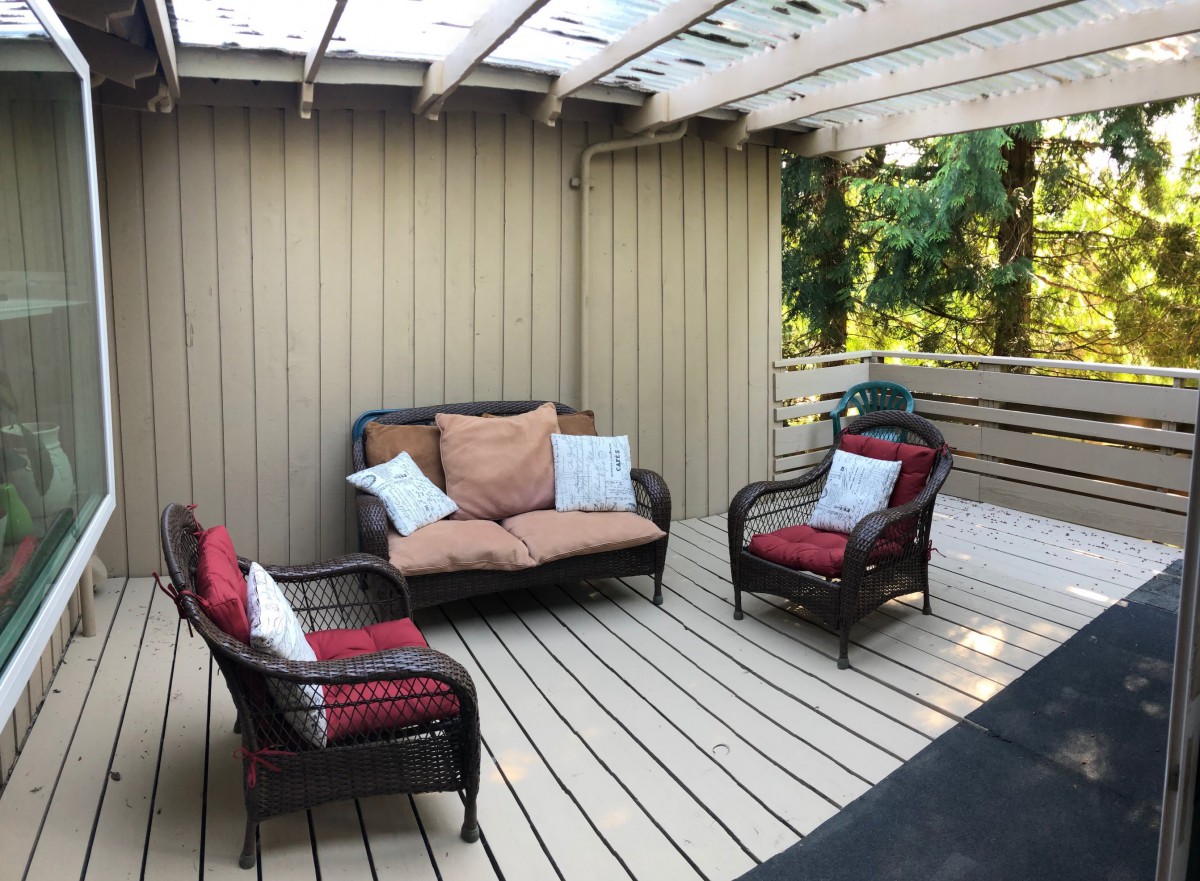
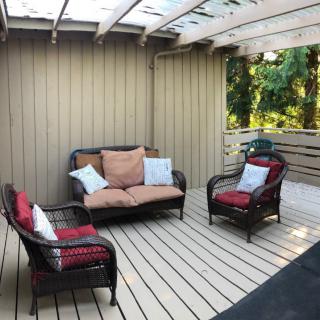
 Outdoor common areas
 Private
 Private bathrooms
 Respite or short term stays offered
 Wheelchair accessible showers
 Seattle-Tacoma International (9 miles away)
 Diabetic care
 High acuity care
 Incontinence care
 Medication management
 Meals provided
 Comprehensive Guide to Blood Pressure Charts for Older Adults: Understanding Normal and High Readings by Age
 Financing Long-Term Nursing Home Care Through Social Security: A Thorough Exploration
 Essential Knowledge on Pneumonia in Older Adults