
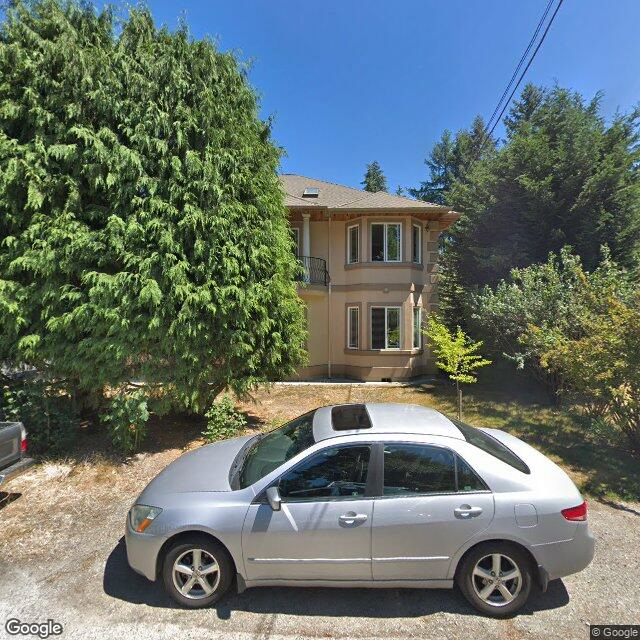
656 130th Ave NE, Bellevue, WA 98005
To contact a resident: (425) 453-1568
For more information about senior living options: (866) 208-4318
Kelsey Creek AFH II Costs & Pricing
Kelsey Creek AFH II offers competitive pricing for its private room accommodations, with a monthly cost of $4,500. This rate is notably lower than the average private room costs in King County, which stands at $5,034, as well as the statewide average of $4,772 in Washington. Such pricing positions Kelsey Creek AFH II as an appealing option for families seeking quality care without compromising on affordability. The facility's commitment to providing personalized and attentive services further enhances its value proposition in the context of the broader regional market.
| Floor plans | Kelsey Creek AFH II | King County | Washington |
|---|---|---|---|
| Private | $4,500 | $5,034 | $4,774 |
Senior living communities with a similar price nearby
-
from -$500 / mo
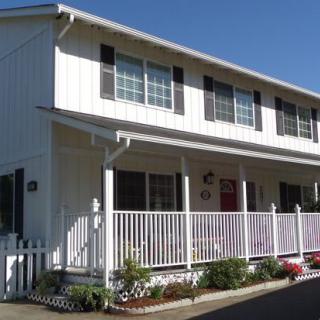
Meadow Crest Senior Home
$4,000 to $6,000 / month7.6 miles away -
from +$500 / mo
AA Residential Care
$5,000 / month9.0 miles away -
from -$500 / mo

Riverton Home Care
$4,000 to $5,000 / month11.4 miles away -
from -$500 / mo
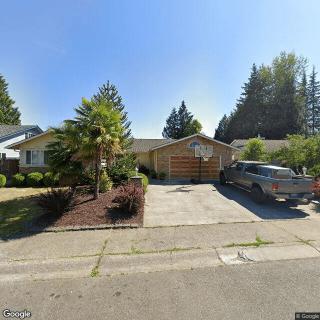
Gentle Care Home
$4,000 to $5,500 / month11.6 miles away -
About the same
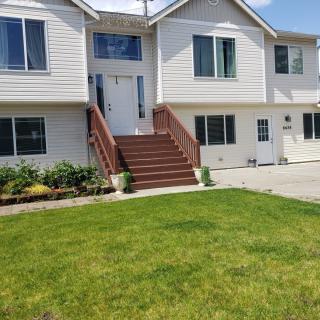
We Care Adult Family Home
$4,500 to $8,000 / month22.9 miles away
Overall Review of Kelsey Creek AFH II
Pros
 Kelsey Creek Senior Care is a compassionate, loving home where residents receive outstanding care.
- Ben and Sabina, along with their staff, are caring, nurturing leaders who make everyone feel loved and welcome.
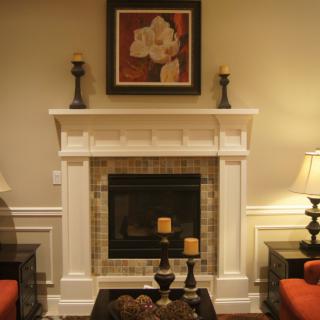
- The facility is exceptionally clean, well-maintained, and has a warm, homey atmosphere.
- The home-cooked meals are delicious and consistently enjoyable.
- Families are warmly welcomed and treated as part of the care team.
- The environment feels like family, with attentive, around-the-clock care.
- The care team provides professional, 24/7 support that residents and their families greatly appreciate.
- The home operates with grace, kindness, and a genuine labor-of-love approach to caregiving.
- It is highly recommended as one of the best places for elderly loved ones to live.
- The overall experience is consistently positive, with residents feeling part of the family.
Review
This community is best suited for seniors who want an intimate, home-like living arrangement in Bellevue and for families that value hands-on, consistent care delivered with warmth and personal attention. Kelsey Creek AFH II operates as a small, family-run adult family home where staff are visible, engaged, and dedicated to making residents feel truly welcome. The environment is clean, cozy, and homey, with meals cooked on site and daily routines that emphasize nourishment, comfort, and human connection. It works exceptionally well for residents who prefer a sense of belonging formed by a tightly knit caregiving team, where staff know residents by name and families are routinely welcomed as part of daily life. In short, this is a place for those who want care that feels like an extended family taking pride in every detail.
This is not the right fit for residents who require robust on-site medical oversight or dementia-specific programming. While 24-hour staff provide solid supervision, the setting remains a small, family-operated home rather than a larger facility with on-site nurses or a dedicated memory-care wing. For seniors needing frequent skilled nursing, complex wound care, IV therapies, or highly structured therapeutic activities, a bigger assisted living or memory-care community with formal clinical teams would serve them better. Families prioritizing a highly regimented schedule of specialized therapies or those seeking extensive, campus-wide social programming may find the options here more limited. In those scenarios, exploring alternatives ensures medical supports and cognitive-care approaches align with needs and expectations.
Yet the core advantages are powerful enough to offset those potential gaps. The home consistently earns praise for exceptional cleanliness, rooms and bathrooms kept to a five-star standard, and for home-cooked meals that nourish as well as comfort. The most durable strength is the caregiving team: Ben, Sabina, and their extended family are described as caring, present, and devoted, creating trust and emotional safety that larger, impersonal settings rarely match. The 24-hour staffing further enhances security day and night, and the practical proximity to Overlake Hospital and Kaiser Permanente offers reassurance for medical contingencies. For families seeking dependable, responsive care grounded in personal connection, these elements carry outsized importance.
Communication and involvement stand out as well. Families note that caregivers know residents, and their visiting rhythms, welcoming guests with warmth, coffee, and even pastries. The home-like layout supports meaningful interactions without the rigidity of a large campus, while spaces and routines accommodate individual needs and preferences. This combination of a clean, comfortable environment, attentive staff, and flexible daily life translates into high daily satisfaction for residents who thrive on personal attention and predictable, loving care. In practice, the intimate setting itself becomes a meaningful therapeutic asset, reducing anxiety and fostering engagement.
Attention to detail underpins everything, from hygiene to meal quality, and staff consistently demonstrate a labor-of-love commitment. Ben and Sabina are praised for their hands-on leadership and the way the team collaborates to keep meals, activities, and routines well-orchestrated. The small-scale model naturally limits formal amenities, but it also yields unmatched accessibility, accountability, and a sense of family. Families should still verify care plans, memory-support provisions, and the availability of any therapies they expect to be standard, ensuring expectations align with day-to-day operations. When alignment exists, the strengths, careful stewardship, authenticity, and daily warmth, far outweigh the potential drawbacks.
For Bellevue families weighing options, Kelsey Creek AFH II stands out as a warm, intimate, and meticulously cared-for home environment. It excels at delivering belonging, high-quality meals, pristine spaces, and staff accessibility, with a level of personal investment that is hard to match in larger communities. It is especially compelling for those who place family involvement at the center of daily living and who want caregivers who know the resident’s history and preferences. If advanced nursing oversight, memory-care specialization, or expansive on-site programming are priorities, other facilities should be considered. A thoughtful visit to meet Ben, Sabina, and the team, review room configurations, and observe daily interactions will reveal whether the fit is right. When it is, this community can be a transformative choice for peace of mind and the resident’s quality of life.
 Board and Care Home
 Activities on-site
 Beautician on-site
 Devotional services on-site
 Indoor common areas
 Outdoor common areas
 Private
 Private bathrooms
 Respite or short term stays offered
 Wheelchair accessible showers
 Seattle-Tacoma International (13 miles away)
 Ambulatory care
 Diabetic care
 High acuity care
 Meals provided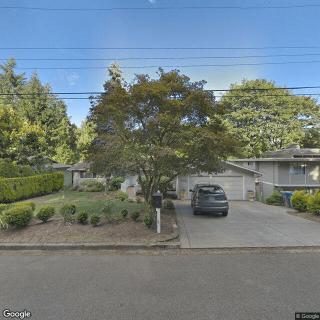



 Seniors and Modern Transportation: Exploring Uber, Lyft, and Other Ride-Hailing Options
 Comprehensive Guide to Qualifying for Home Health Care Services
 Powerful Realities of Elder Abuse and the Most Effective Ways to Report It